
Main Courses
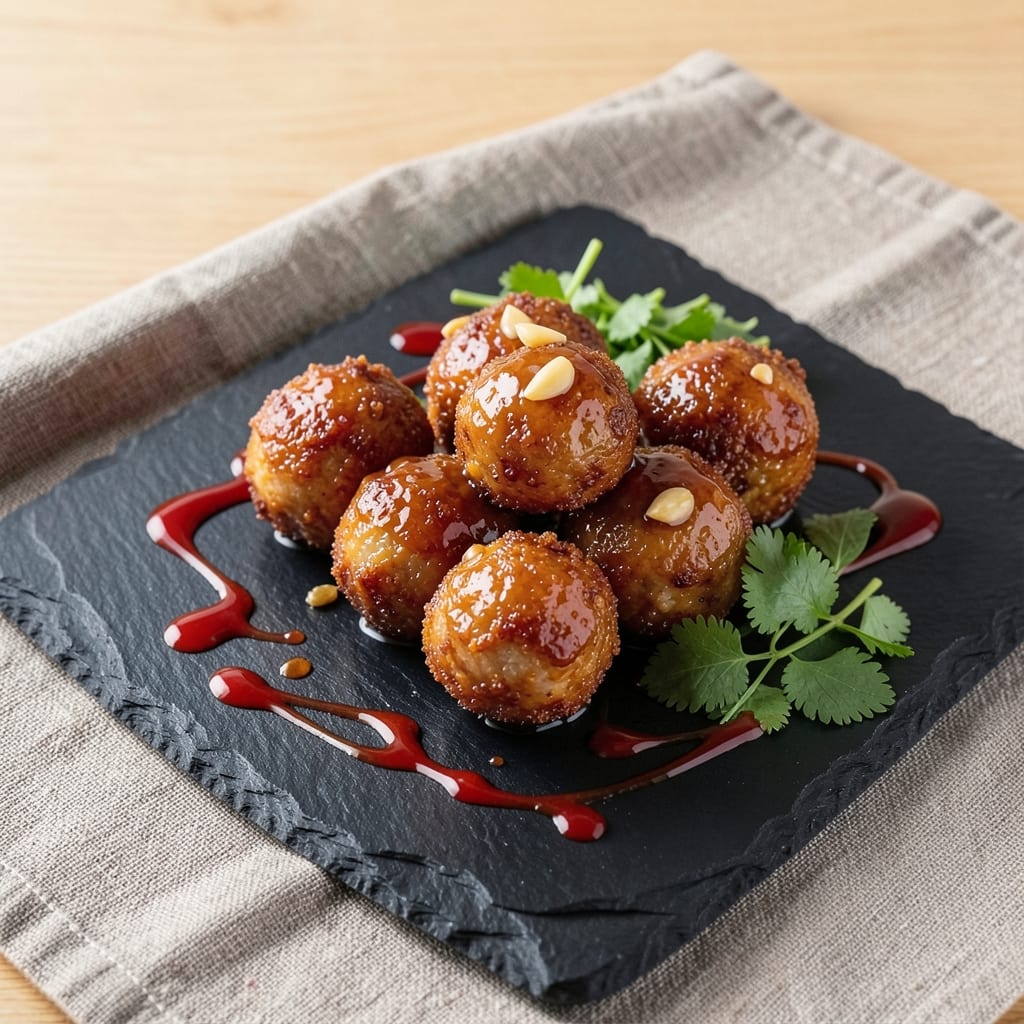
This Asian pork balls recipe delivers glossy soy-glazed bites with crunchy edges that balance sweet, savory, and umami in every bite. ✨ After perfecting these over years of testing—from Thai luuk buat to Vietnamese bánh chả—I’ve created a version that’s foolproof yet packed with restaurant-quality flavor. The secret lies in the marinade: a blend of soy, fish sauce, and brown sugar that tenderizes the meat while building depth.
The recipe starts with ground pork mixed with aromatics and a touch of cornstarch for structure, then shaped into balls that develop crispy exteriors when seared. Whether you grill, pan-fry, or air-fry, the technique ensures even cooking and that signature caramelized sheen. I’ve adapted it for home cooks by simplifying the process—no special equipment needed, just a few key steps to transform simple ingredients into something extraordinary.
What you’ll end up with are juicy, flavorful pork balls that stay tender inside while developing a satisfying crunch. The glossy soy glaze adds a sticky-sweet finish, making them irresistible on their own or paired with pickled vegetables, fresh herbs, or a tangy dipping sauce. This is the kind of dish that feels special but comes together in under an hour—perfect for weeknight dinners or holiday appetizers.
Serve them alongside steamed rice for a comforting meal or as a protein-packed addition to spring rolls and noodle bowls. The recipe scales easily, so you can make a big batch for gatherings or freeze extras for later. Let’s get cooking!
Ingredients for asian pork balls
Restaurant-quality pork balls start with these 13 ingredients—simple yet transformative.
| Ingredient | Amount | Notes |
|---|---|---|
| Ground Pork 🐖 | 1 ½ lb | 80% lean, finely ground |
| Cornstarch 🌾 | 2 tbsp | For structural binding |
| Soy Sauce 🥄 | ⅓ cup | Kikkoman preferred |
| Fish Sauce 🍶 | 2 tbsp | Red Boat brand recommended |
| Brown Sugar 🍯 | ¼ cup | Light or dark variety |
| Garlic Cloves 🧄 | 6 cloves | Minced for fine texture |
| Fresh Ginger 🌿 | 1 ½ tbsp | Grated, aromatic base |
| Sesame Oil 🫒 | 1 tbsp | Toasted, for depth |
| Green Onions 🧅 | 3 whole | Finely chopped, green parts |
| Neutral Oil 🫒 | 2 tbsp | Avocado or vegetable oil |
| Sesame Seeds 🌰 | 1 tbsp | Toasted, for garnish |
| Diamond Crystal Kosher Salt 🧂 | ½ tsp | For seasoning balance |
| Ground Black Pepper 🌶️ | ¼ tsp | Freshly cracked |
The ground pork is non-negotiable here—80% lean ensures juiciness without greasiness. Kroger or Costco carry excellent pre-ground pork, but if buying whole pork shoulder, ask the butcher to grind it fine. For the aromatics, Red Boat fish sauce delivers authentic umami (avoid cheap brands—they taste like chemicals). Fresh ginger and garlic should be vibrant—yellowish skin on ginger means it's fresh, and garlic cloves should feel firm to the touch. The sesame oil is a game-changer: toast it in a dry pan for 30 seconds before adding to deepen its nutty aroma.
No fish sauce? Substitute with 1 tbsp soy sauce plus 1 tsp Worcestershire, though the flavor won't be identical. Running short on brown sugar? White sugar works in a pinch, but the molasses notes in brown sugar caramelize better. For sesame oil, toasted peanut oil at half the amount mimics the toasted flavor. The cornstarch is crucial—don't skip it or the balls will fall apart. If you can't find Diamond Crystal salt, Morton kosher salt is fine, but measure carefully as grain sizes vary. The sesame seeds can be omitted if you're allergic, but they add that satisfying crunch.
Shape the pork balls immediately after mixing—they firm up quickly. Use wet hands to prevent sticking, and keep them small (about 1.5 inches in diameter) for even cooking. Store shaped balls on a tray lined with parchment, covered with plastic wrap, in the fridge for up to 24 hours before cooking. Cooked pork balls reheat beautifully—air fry at 375°F for 3-4 minutes to restore crispiness. For longer storage, freeze uncooked shaped balls for up to 3 months, then cook straight from frozen (add 1-2 extra minutes).
Why You'll Love This Recipe
- No-Mess Magic: I swear by this—just mix, roll, and bake. No chopping, no frying mess, and those little pork balls turn out perfectly every time (even when I rush).
- Umami Bomb: That combo of fish sauce and soy sauce? It’s like a flavor explosion in your mouth. Sweet from the brown sugar, salty-savory from the sauce—my kids fight over the last bite.
- Party in a Bowl: Serve them with rice for a quick weeknight dinner, toss in noodles for takeout vibes, or even stuff them into lettuce wraps. Honestly, they disappear faster than my willpower at a buffet.
- Budget Powerhouse: Ground pork stretches far, and the pantry staples (soy, fish sauce, sugar) won’t break the bank. Plus, they reheat like a dream—so I make a big batch and freeze half. Lazy genius.
Step-by-step instructions for glossy soy-glazed pork balls
Master this technique and you'll achieve perfect texture—juicy centers with crispy, caramelized exteriors.
👨🍳 Step 1: Prepare the Pork Mixture with Precision
In a large mixing bowl, combine the 1.5 lb ground pork, 2 tbsp cornstarch, 0.5 tsp Diamond Crystal kosher salt, and 0.25 tsp ground black pepper. Use your hands to gently mix until the cornstarch is evenly distributed throughout the pork—this creates the structural integrity for those crispy edges. Avoid overworking the meat or you'll develop tough fibers.
In a small bowl, whisk together the 0.33 cup soy sauce, 2 tbsp fish sauce, 0.25 cup brown sugar, 1 tbsp sesame oil, 6 minced garlic cloves, and 1.5 tbsp grated fresh ginger. This aromatic blend is the flavor foundation—let it sit for 5 minutes while you prepare the next components. The sugar will begin dissolving and the aromatics will infuse the fish sauce, creating a more cohesive marinade.
🍳 Step 2: Form and Pre-Cook the Pork Balls
Add the prepared sauce mixture to the pork and mix thoroughly until completely combined. The mixture should be sticky and cohesive—if it's too dry, add 1-2 teaspoons of water to help bind it. Using your hands, roll the mixture into 1-inch diameter balls (about 16 total). I press each ball firmly to ensure even cooking and prevent cracking.
Heat 2 tbsp neutral oil in a large skillet over medium-high heat until shimmering. Working in batches to avoid crowding, add the pork balls and cook for 3-4 minutes per side until they develop a golden brown crust. The internal temperature should reach 160°F—this pre-cooking step ensures they'll finish perfectly when glazed. Transfer to a plate and tent loosely with foil to keep warm.
🔥 Step 3: Glaze and Crisp to Perfection
Return the skillet to medium heat and add the 3 finely chopped green onions. Sauté for 1 minute until softened. Pour in the pork balls and their accumulated juices, then increase heat to medium-high. Cook for 2-3 minutes, stirring gently to coat each ball in the sauce.
Here's where the magic happens: reduce heat to medium-low and let the pork balls simmer for 5-6 minutes, spooning the sauce over them frequently. You're looking for a glossy sheen on the surface and slightly caramelized edges. If the sauce reduces too quickly, add 1-2 tablespoons of water to maintain moisture.
🥘 Step 4: Finish with Toasted Sesame Seeds
Transfer the pork balls to a serving platter. In the same skillet, add the 1 tbsp sesame seeds and toast over medium heat for 1-2 minutes until fragrant and golden. Sprinkle the toasted sesame seeds over the pork balls immediately—they'll add both texture contrast and aromatic depth.
Serve warm with the pan sauce spooned over the top. Each bite should deliver a perfect balance of textures: tender pork, crispy exterior, glossy glaze, and nutty sesame crunch. The pork balls should hold their shape but still be juicy inside—if they're too firm, they need a few more minutes in the sauce.
Pro Tips For Making Asian Pork Balls
- CHILL THE PORK FIRST: If your ground pork is straight from the fridge, give it 10 minutes to soften before handling—it’s less likely to turn greasy when you mix in cornstarch. I learned this the hard way after wrestling with sticky, uneven balls that fell apart during frying.
- MIX DRY FIRST, THEN WET: Combine ground pork, cornstarch, and brown sugar before adding soy sauce or fish sauce—this keeps the texture tight and prevents soggy centers. Wet ingredients later? Your balls will stay firm and crispy, not gluey.
- FREEZE BALLS FOR 20 MINUTES: Shape the pork balls, then pop them in the freezer for 20 minutes before frying—this guarantees clean shaping and a perfect sear without breaking apart. (Yes, even if you’re impatient like me.)
- USE A THERMOMETER FOR FRYING: Heat oil to 350°F (175°C)—any hotter and your pork balls burn outside before cooking through, any cooler and they’ll absorb too much oil. A thermometer takes the guesswork out of it. (I skipped this once and regretted it.)
Troubleshooting great asian pork balls
Pork Too Greasy?
If your pork balls release too much fat during cooking, it’s usually from over-handling or using pork with higher fat content. I’ve found that 80% lean ground pork is ideal, but if yours is fattier, trim excess before grinding. Another trick: press the balls firmly when shaping—this squeezes out excess fat before cooking. For extra insurance, pat them dry with paper towels before the final sear. 💡
Balls Falling Apart?
This happens when the cornstarch isn’t properly distributed or the mixture is too wet. First, make sure you’re using 2 tbsp cornstarch and mixing it thoroughly into the pork by hand until no dry spots remain. If the mixture still feels sticky, add just 1 tsp cornstarch at a time until it holds together when pressed. Chill the shaped balls for 15 minutes in the fridge before cooking—the cold helps them firm up. I’ve also had success adding 1 tbsp breadcrumbs to the mixture for extra structure.
Glaze Too Thin?
A watery glaze usually means the sauce reduced too quickly. Start by simmering the pork balls on medium-low heat rather than high, and resist the urge to stir constantly—let the sauce cling naturally. If it’s still too thin, reduce it separately in a small saucepan first. For extra richness, add 1 tsp honey or 1 tbsp hoisin sauce to thicken it. The key is patience—let the sauce work its magic over 5-6 minutes of gentle simmering. ✨
Uneven Cooking?
Small pork balls cook faster than large ones, so consistency is critical. Aim for 1-inch diameter balls—they’ll cook evenly in 3-4 minutes per side. If some balls are undercooked while others are overdone, it’s likely due to crowding the pan. Cook in batches if needed, and always use a meat thermometer to check the 160°F internal temperature. For extra insurance, pre-cook the balls to 145°F before glazing to ensure they finish perfectly.
Dry or Tough Texture?
Overcooking is the usual culprit here. Once the pork balls reach 160°F internal temperature, they’re done—any longer and they’ll dry out. If they’re still tough after cooking, try adding 1 tbsp water or broth to the pan during the glazing stage to keep them moist. For extra tenderness, marinate the pork mixture for 30 minutes before shaping—this helps break down the fibers. I also recommend using freshly ground pork whenever possible, as pre-ground pork can oxidize and lose moisture faster.
Glaze Not Sticky Enough?
A non-sticky glaze often means the sugar didn’t caramelize properly. Make sure you’re using brown sugar (not white) and simmer the sauce long enough to develop that glossy sheen. If it’s still too thin, add ½ tsp xanthan gum to thicken it. Another trick: brush the pork balls with a little extra soy sauce before the final sear—this creates a better base for the glaze to adhere. For a restaurant-quality finish, I sometimes add 1 tsp rice vinegar to the glaze for extra stickiness and brightness.
Nutrition facts
Frequently asked questions
Can I use chicken or turkey instead of pork?
While pork gives these balls their classic texture, you can substitute with chicken or turkey by adjusting the cooking time. Use 93% lean ground meat to prevent dryness, and cook for 2-3 minutes less per side since poultry cooks faster. The flavor profile will be lighter but still delicious with extra herbs like thyme or cilantro.
How do I make these pork balls gluten-free?
Replace the soy sauce with tamari or coconut aminos (both gluten-free), and use arrowroot powder instead of cornstarch for binding. The texture will still hold together beautifully, though the glaze may be slightly less glossy. For extra structure, add 1 tbsp gluten-free breadcrumbs to the mixture.
What's the best way to reheat cooked pork balls?
For crispy edges, use an air fryer at 375°F for 3-4 minutes or a skillet over medium heat for 2 minutes per side. If reheating in the oven, bake at 350°F for 8-10 minutes with a splash of water in the pan to maintain moisture. Microwaving works but will make them rubbery—always avoid that for best results!
Can I make these ahead of time?
Shape the pork balls and store them on a tray in the fridge for up to 24 hours before cooking. For longer storage, freeze shaped balls (uncooked) for 3 months. Cook straight from frozen, adding 1-2 extra minutes to the searing time. The flavors actually develop more deeply when prepped ahead!
What are the best dipping sauces to serve with these?
Try a spicy chili sauce (mix sriracha with lime juice), peanut sauce (peanut butter + soy sauce + lime), or a sweet hoisin glaze. For something lighter, a cucumber-dill yogurt dip with a touch of garlic balances the richness perfectly. The key is contrast—pair the savory pork with something tangy or creamy.