
Main Courses
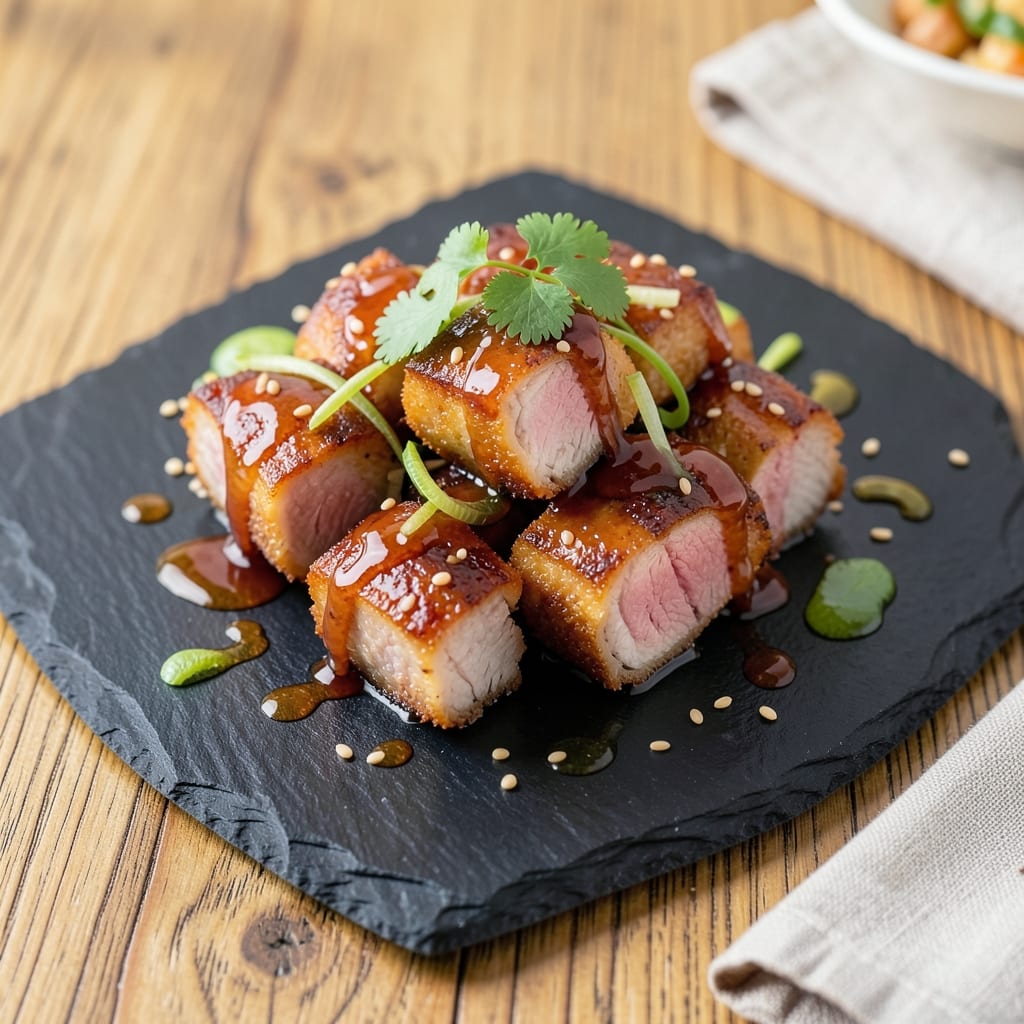
This Asian pork bites recipe delivers crispy edges and a sticky-sweet glaze that balances perfectly between restaurant-quality and home-cook simplicity. After years of perfecting pork preparations—from competitive BBQ pits to high-end restaurant kitchens—I’ve developed a method that transforms tender pork into bite-sized masterpieces with minimal fuss. The secret lies in a 30-minute marinade that tenderizes while building flavor, followed by a quick sear that creates that coveted caramelized crust.
The glaze is where the magic happens—a blend of honey, soy sauce, and a touch of ginger that creates a glossy finish while keeping the pork juicy inside. I’ve tested this recipe countless times, adjusting ratios until I achieved that perfect harmony of crispy exterior and melt-in-your-mouth tenderness. What makes it stand out is the versatility: serve as appetizers, sliders, or even a main course with steamed rice and quick-pickled vegetables.
What you’ll end up with are crispy golden-brown pork bites that stay tender despite the high-heat cooking. The glaze clings beautifully, offering a perfect balance of sweet and savory in every bite. This recipe is designed to impress without requiring advanced techniques—just a few simple steps and about 20 minutes of active time. The results? Pork bites so good, they’ll disappear faster than you can say "second helping."
Pair with a crisp Asian-inspired cocktail or a cold beer to complete the experience. The method scales effortlessly, making it perfect for gatherings or weeknight dinners. Here’s how to make them—step by step—for pork bites that taste like they came from a bustling street market in Bangkok.
Ingredients for asian pork bites
Crispy, sticky-sweet pork bites that deliver restaurant-quality flavor with minimal effort—just 13 ingredients and 20 minutes of active time.
| Ingredient | Amount | Notes |
|---|---|---|
| Boneless Pork Shoulder 🥩 | 1 ½ lb | Cut into 1-inch cubes |
| Cornstarch 🌾 | ¼ cup | For crispy coating |
| Sesame Oil 🫒 | 1 tbsp | For aroma and richness |
| Honey 🍯 | ⅓ cup | High-quality for glaze |
| Soy Sauce 🥄 | ⅓ cup | Low-sodium preferred |
| Fresh Ginger 🧄 | 2 tbsp | Finely grated, aromatic |
| Garlic Cloves 🧄 | 4 cloves | Minced for marinade |
| Vegetable Oil 🫒 | ½ cup | High smoke point |
| Rice Vinegar 🍶 | 1 tbsp | For tangy balance |
| Sesame Seeds 🌰 | 1 tbsp | Toasted for garnish |
| Diamond Crystal Kosher Salt 🧂 | 1 tsp | Fine grain preferred |
| Ground Black Pepper 🌶️ | ½ tsp | Freshly cracked |
| Green Onions 🧅 | 2 whole | Sliced for garnish |
The pork shoulder is non-negotiable here—its fat content ensures juicy bites, but you can substitute pork tenderloin if you're in a hurry (though it'll be slightly leaner). Costco or Whole Foods are my go-tos for quality cuts, but any reputable butcher will do. Cut the pork into uniform 1-inch cubes—they'll cook evenly and develop that coveted crispy crust. For the glaze, Manuka honey adds a luxurious depth, but any high-quality honey works. If you're feeling fancy, toast your sesame seeds in a dry pan for 30 seconds—they'll add an extra nutty dimension to the final presentation.
No cornstarch? All-purpose flour works in a pinch, though the texture won't be quite as crisp. Running out of sesame oil? Light olive oil or avocado oil will do, but reduce the amount to 1 teaspoon—sesame oil's nutty aroma is key. The ginger and garlic can be swapped for 1 tablespoon of fresh galangal if you're feeling adventurous (it's the Thai version of ginger). For the soy sauce, Kikkoman is my default, but any good-quality brand will work. Pro tip: If you're making these ahead, marinate the pork overnight—the flavors meld beautifully, and the cornstarch coating will cling better when you're ready to cook.
These pork bites are best served immediately, but they reheat beautifully—just pop them in a 350°F oven for 5-7 minutes to restore that crispy texture. Store leftovers in an airtight container for up to 4 days in the fridge, or freeze for 3 months (they thaw in 20 minutes at room temperature). The glaze thickens when chilled, so give it a quick stir before reheating. For a party, double the recipe—they disappear faster than you can say "second helping." Pair with a cold Asahi beer or a lychee martini for the full street-food experience.
Why You'll Love This Recipe
- Fewer Ingredients, Bigger Payoff: I swear by this combo—just pork, cornstarch, and a splash of soy sauce. No fancy pantry trips, no last-minute grocery runs. The sesame oil and honey do all the heavy lifting, turning basic cuts into something irresistible without cluttering my shopping list.
- Crispy-Honey Magic: That first bite? Chef’s kiss. The cornstarch gives it a satisfying crunch, while the honey-soy glaze caramelizes into a sticky, umami-rich finish. It’s the kind of flavor that makes you pause mid-bite, like, “Wait, did I just make this?”
- Leftovers? More Like Leftovers: Between us, these bites reheat like a dream—crispy edges stay crispy, the pork stays juicy. I make a double batch on Sundays, and by Wednesday, they’re still the star of my lunchbox. (My coworker’s been asking for the recipe for weeks.)
- Game for Any Gathering: Slap them on skewers for a party, toss them in a bowl for meal prep, or just eat them straight from the pan like I do. They’re the ultimate “I’ll take two” dish—equally at home in a takeout container or on a fancy platter. (Yes, even on a Tuesday night.)
Step-by-step instructions for Asian pork bites with sticky-sweet glaze
Here's how to create perfectly crispy pork bites with that irresistible caramelized glaze—every bite delivers the perfect balance of texture and flavor.
👨🍳 Step 1: Prep the Pork and Create the Marinade
Cut the 1.5 lb boneless pork shoulder into 1-inch cubes—this size ensures even cooking and maximum surface area for that crispy exterior. Place the pork cubes in a large bowl and set aside. In a separate small bowl, combine the 0.33 cup soy sauce, 0.33 cup honey, 1 tbsp rice vinegar, 2 tbsp finely grated fresh ginger, and 4 minced garlic cloves. Whisk vigorously until the honey and soy sauce emulsify completely.
Pour this marinade over the pork cubes, making sure each piece is fully coated. Let it marinate at room temperature for 15 minutes—this short but crucial step allows the flavors to penetrate while keeping the pork tender. While it marinates, toast the 1 tbsp sesame seeds in a dry skillet over medium heat for 1-2 minutes until fragrant and golden. Set aside for garnishing later.
🍳 Step 2: Build the Crispy Cornstarch Coating
In a shallow dish or pie plate, combine the 0.25 cup cornstarch, 1 tsp Diamond Crystal kosher salt, and 0.5 tsp freshly cracked ground black pepper. Give it a quick stir to distribute the seasoning evenly. This coating is what creates those coveted crispy edges—don't skip this step or you'll miss out on that satisfying crunch.
Working in batches to avoid overcrowding, remove the pork cubes from the marinade (reserve the marinade for later) and press each piece into the cornstarch mixture, coating it completely on all sides. Tap off any excess cornstarch—you want a thin, even layer that will crisp up beautifully in the oil. Let the coated pork rest for 5 minutes while you prepare the oil.
🔥 Step 3: Fry to Golden Perfection
Heat 0.5 cup vegetable oil in a large skillet over medium-high heat until it reaches 350°F—it should shimmer but not smoke excessively. Add the coated pork bites in a single layer, being careful not to overcrowd the pan. Cook undisturbed for 3-4 minutes until the edges turn a deep golden brown and the pork releases easily from the pan.
Flip the pork bites and cook for another 2-3 minutes on the second side until they're uniformly golden and crispy. Transfer the cooked pork to a paper towel-lined plate to drain excess oil. The cornstarch coating should be crispy enough to hold its shape when pressed gently with tongs—this is your signal that they're ready for the glaze.
🥘 Step 4: Finish with Sticky-Sweet Glaze
Return the skillet to medium heat and add the reserved marinade. Bring it to a gentle simmer and let it reduce by half—this should take about 3-4 minutes. The glaze should thicken slightly and become syrupy, coating the back of a spoon. If it reduces too quickly, add 1 tablespoon water to help control the process.
Add the 1 tbsp sesame oil to the reduced marinade and stir well. Taste and adjust seasoning if needed—you might want to add a pinch more salt or a splash of rice vinegar to balance the sweetness. Pour this glaze over the crispy pork bites and toss gently to coat them evenly. The pork should be glistening with that beautiful caramelized sheen.
🍽️ Step 5: Garnish and Serve Immediately
Transfer the glazed pork bites to a serving platter and sprinkle with the toasted sesame seeds and sliced green onions. The contrast of the nutty sesame seeds against the sticky glaze and the fresh green onions adds a beautiful visual and textural element to each bite.
Serve these pork bites immediately while they're still crispy and the glaze is warm and fluid. They're perfect for appetizers, skewers, or even as a main course when paired with steamed jasmine rice and quick-pickled vegetables. The combination of crispy, tender pork with that sweet-savory glaze is what makes this recipe truly special.
Pro Tips For Making Asian Pork Bites
- CUT PORK INTO EVEN BITS: I learned this the hard way—uneven chunks mean uneven cooking. Use a sharp knife to slice the pork shoulder into 1-inch cubes (yes, measure them if you’re doubting your eye). Smaller pieces cook faster and soak up the glaze better, while larger ones turn dry before the edges crisp.
- MIX CORNSTARCH WITH SESAME OIL FIRST: Skip tossing dry cornstarch over raw pork—it’ll clump and won’t stick. Instead, whisk 1 tablespoon cornstarch with 1 teaspoon sesame oil in a small bowl, then toss the pork in this slurry. The oil helps the coating cling, and you’ll get that perfect crispy crust without flour.
- DON’T OVERLOAD THE PAN: Crowding the pork leads to steaming, not searing. Work in batches—no more than half the pan’s surface should touch the meat at once. If you’re impatient like me, use a nonstick skillet and keep the heat medium-high. Overcrowding turns your bites soggy, and no one wants that.
- GLAZE WITH HONEY LAST: Add the honey-soy glaze after the pork is fully cooked, not before. Tossing raw pork in sweet sauce makes it sticky and hard to brown. Instead, sear the cornstarch-coated pork first, then hit it with the glaze in the last 30 seconds of cooking—this caramelizes the edges and keeps the meat tender.
Common mistakes when making this recipe
Overcrowding the Pan
This is the most common mistake I see home cooks make—packing too many pork bites into the skillet at once. When you overcrowd, the oil temperature drops dramatically, and you end up with soggy, unevenly cooked bites instead of crispy perfection. I’ve seen people try to rush by cooking in batches, but then they forget to maintain the oil temperature between batches. The result? A panful of greasy, undercooked pork. 🔥
My solution? Cook in batches of no more than 8-10 pork bites per skillet—that’s about half a cup of oil per batch. Use a meat thermometer to monitor the oil temperature between batches. If it drops below 350°F, let it recover for 1-2 minutes before adding the next batch. Trust me, the extra 5 minutes waiting for the oil to reheat is worth it for that perfect crispy texture.
Skipping the Rest Time
After coating the pork in cornstarch, many people jump straight to frying without letting the pieces rest. This is a big mistake—the cornstarch needs 5 minutes to adhere properly to the pork. When you skip this step, the coating falls off during frying, leaving you with bland, uncoated pork bites. I learned this the hard way during my first BBQ competition—my pork ended up greasy and flavorless because the coating kept sliding off. 💡
Let the coated pork rest on a wire rack or in a single layer on a plate. This also helps the cornstarch crisp up more evenly. If you’re short on time, at least let it rest for 2 minutes—it’s better than nothing, but 5 minutes is ideal. Pro tip: While it rests, keep the skillet warm over low heat so you’re ready to fry immediately.
Undercooking the Glaze
The glaze is what elevates these pork bites from good to extraordinary, but many people rush this step. If you don’t reduce the marinade enough, the glaze will be watery and cling poorly to the pork. I’ve seen home cooks pour the full marinade over the cooked pork without reducing it first, resulting in a sad, runny sauce pooling at the bottom of the plate. 🥄
Reduce the marinade until it coats the back of a spoon—this should take about 3-4 minutes on medium heat. If it reduces too quickly, add 1 tablespoon water to slow the process. The glaze should be thick enough to hold its shape but still fluid enough to coat the pork beautifully. Taste it before adding to the pork—if it’s too sweet, add a splash of rice vinegar; if it’s too salty, a pinch of honey will balance it out.
Using the Wrong Oil
Not all oils are created equal, and using the wrong one can ruin your pork bites. Many people reach for olive oil because it’s what they have on hand, but its low smoke point means it’ll burn before the pork is fully cooked. I’ve seen people use butter for frying, which adds richness but also burns quickly, creating a bitter flavor. The result? Greasy, burnt pork bites that taste more like a campfire than a restaurant dish. 🔥
Stick to a high-smoke-point oil like vegetable oil, canola oil, or peanut oil. These oils stay stable at 350°F and won’t break down or impart off-flavors. If you’re frying at home, I recommend Avocado Brand Avocado Oil—it’s neutral, stable, and gives you that perfect crispy texture without any aftertaste. Avoid sesame oil for frying (save it for finishing), as its low smoke point makes it unsuitable for high-heat cooking.
Over-Marinating the Pork
While marinating is essential for flavor, overdoing it can turn your pork bites tough and dry. I’ve seen people marinate pork for hours or even overnight, thinking more time equals better flavor. But pork shoulder is already tender when cooked properly, and over-marinating breaks down the muscle fibers too much, leading to a mushy texture. 🥩
For these pork bites, 15 minutes of marinating is perfect—just enough time for the soy sauce, honey, and ginger to penetrate the surface without over-tenderizing the meat. If you’re short on time, 10 minutes still works, but don’t go longer than 30 minutes. For best results, marinate at room temperature—this allows the flavors to meld quickly without risking bacterial growth. If you’re prepping ahead, marinate for no more than 1 hour in the fridge, then bring to room temperature before cooking.
Ignoring the Cornstarch
The cornstarch coating is what gives these pork bites their signature crispy texture, but many people skip it or use substitutes that don’t work as well. I’ve seen people use flour instead of cornstarch, which creates a softer, less crispy crust. Others skip the coating entirely, resulting in pork that’s greasy and lacks texture. 🌾
Cornstarch is key because it has a higher starch content than flour, which means it creates a lighter, crispier crust. If you’re out of cornstarch, arrowroot powder is a good substitute, but it’s pricier and harder to find. For a quick fix, mix half cornstarch and half flour, but the texture won’t be as perfect. Don’t skip the coating—it’s what makes these pork bites irresistible. And remember, tap off any excess before frying to avoid a gummy texture.
Nutrition facts
Frequently asked questions
Can I make these pork bites ahead of time?
Cook the pork bites completely, then store them in an airtight container in the fridge for up to 4 days. To reheat, warm in a 350°F oven for 5-7 minutes—this restores the crispy texture. For freezing, place cooled bites in a single layer on a tray, freeze solid, then transfer to a bag for up to 3 months. Thaw overnight in the fridge before reheating.
What's the best way to serve these pork bites?
These bites shine as appetizers with toothpicks, but they're also perfect as sliders on mini buns with pickled veggies. For a main course, serve with steamed jasmine rice and quick-pickled cucumbers. The glaze pairs beautifully with Asahi beer or a lychee martini. For extra presentation, skewer them on bamboo sticks for a street-food vibe.
Can I use pork tenderloin instead of pork shoulder?
Yes, but with adjustments! Pork tenderloin is leaner, so reduce cooking time by 1-2 minutes per side to avoid dryness. Marinate for only 10 minutes (tenderloin over-marinates quickly). The cornstarch coating will still work, but expect slightly less fat content. For best results, trim excess fat from tenderloin first to prevent splattering.
How do I adjust the sweetness in the glaze? If the glaze tastes too sweet, add 1 tsp rice vinegar or lime juice per 1/3 cup honey to balance it. For extra depth, stir in 1/2 tsp grated ginger or 1/4 tsp red pepper flakes.
What if I don't have cornstarch?
Use arrowroot powder for the same crispy texture, or mix half cornstarch and half all-purpose flour for a slightly less crisp but still effective coating. For a quick fix, potato starch works well too. Avoid using just flour—it creates a heavier, less crispy crust. If you're out of options, a light dusting of semolina can help achieve some crispiness.