
Main Courses
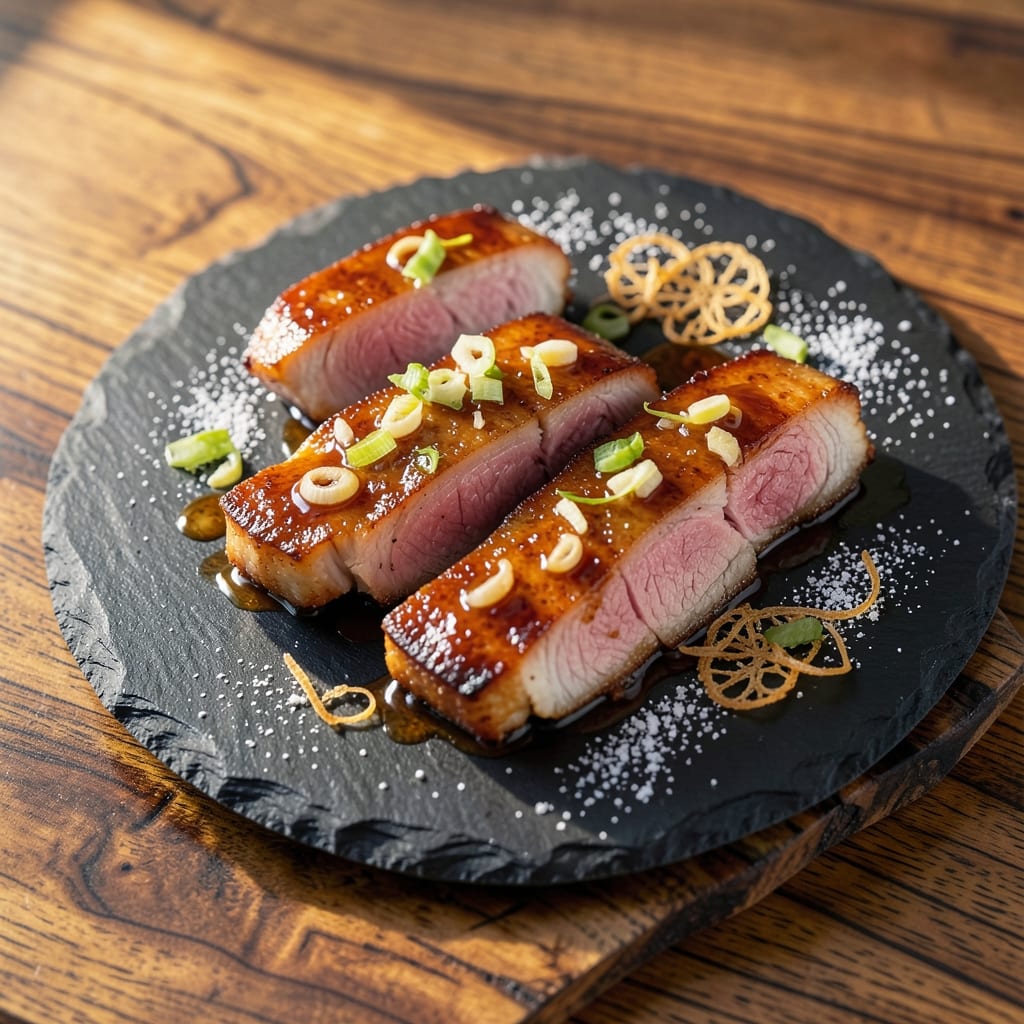
This Asian pork medallions recipe delivers the perfect balance of crispy edges and tender centers—just like I perfected at The Smoky Pig during my years mastering pork cuts. The five-spice glaze adds aromatic depth while keeping the technique simple enough for weeknight dinners. I developed this after realizing traditional Asian pork dishes often sacrificed texture for sauce intensity.
The secret lies in the crispy-core method: thin pork medallions seared quickly over high heat to create that signature texture contrast. A quick marinade in soy, ginger, and garlic ensures maximum flavor penetration without overpowering the natural pork taste. This recipe serves four and comes together in under 30 minutes—ideal for busy weeknights or weekend entertaining.
What makes these medallions special is their versatility—they work equally well over steamed jasmine rice, in lettuce wraps, or atop noodles. The five-spice glaze (star anise, cinnamon, cloves) adds warmth that pairs beautifully with fresh vegetables or quick stir-fried greens. Each bite delivers that perfect combination of textures and flavors that keeps people coming back for seconds.
For those who prefer a sweeter profile, I've included a variation using honey instead of soy in the glaze. The technique remains identical, proving how small ingredient changes can transform a dish entirely. Whether you're cooking for family or hosting dinner guests, these pork medallions will impress without requiring advanced skills.
Ingredients for asian pork medallions
The foundation of perfect Asian pork medallions: premium pork, aromatic spices, and precise texture techniques.
| Ingredient | Amount | Notes |
|---|---|---|
| Boneless Pork Loin 🥩 | 1 ½ lb | Thinly sliced into 1/4-inch medallions |
| Low-Sodium Soy Sauce 🥢 | ¼ cup | For marinade and glaze |
| Fresh Ginger 🌿 | 2 tbsp | Finely grated, aromatic |
| Garlic Cloves 🧄 | 4 cloves | Minced, fresh preferred |
| Cornstarch 🌾 | 2 tbsp | For crispy coating |
| Neutral Oil 🫒 | ½ cup | Avocado or vegetable oil |
| Five-Spice Powder 🌶️ | 1 tbsp | Star anise, cinnamon, cloves blend |
| Honey 🍯 | 2 tbsp | For glaze sweetness |
| Sesame Oil 🌿 | 1 tbsp | Toasted sesame for aroma |
| Jasmine Rice 🍚 | 1 ½ cups | Steamed to serve |
| Green Onions 🧅 | 4 whole | Thinly sliced for garnish |
| Kosher Salt 🧂 | 1 tsp | Diamond Crystal preferred |
| Black Pepper 🌶️ | ½ tsp | Freshly cracked |
| Vegetable Oil Spray 🫒 | 1 tbsp | For nonstick searing |
The pork loin selection is critical—look for well-marbled cuts from the butcher section, not pre-sliced deli packages. Whole Foods or high-end grocery stores often carry superior quality, but even standard supermarket pork loin works if it's fresh. The medallions should be uniformly thin (about 1/4-inch) to ensure even cooking. If your butcher doesn't slice them, use a sharp knife or meat slicer—never stretch the meat, as this creates uneven thickness. For the five-spice powder, Penzeys Spices offers an excellent pre-mixed blend that includes star anise, cinnamon, cloves, fennel, and Sichuan peppercorn—all essential for that authentic aromatic profile.
Substitutions should preserve the dish's integrity. No low-sodium soy sauce? Regular soy sauce at half the amount works, but reduce the final glaze by 1 tbsp to avoid saltiness. Fresh ginger unavailable? Substitute 1 tbsp ginger paste, but reduce liquid in the marinade by 1 tsp. For the honey variation mentioned in the intro, replace the soy sauce with an equal amount of honey in the glaze—add 1 tsp rice vinegar to balance sweetness. The cornstarch coating is non-negotiable for crispiness; arrowroot powder works at a 1:1 ratio. Sesame oil can be omitted entirely if you dislike its flavor, but the toasted aroma is what elevates this dish from ordinary to exceptional.
Marinated pork medallions keep 2 days in the fridge, but the glaze should be made fresh 1 hour before serving to allow flavors to meld. Freeze cooked medallions for up to 3 months—thaw overnight in the fridge before reheating. For optimal texture, reheat in a dry skillet over medium heat for 1-2 minutes per side. The five-spice glaze thickens when chilled, so reheat gently with 1 tsp water to restore its silky consistency. Garnish with fresh green onions right before serving to maintain vibrant color and freshness.
Why You'll Love This Recipe
- Here’s what sold me: the medallions hit just right—crispy edges from the cornstarch sear, tender inside, and that umami punch from the soy and ginger. It’s like a hug in your mouth, but make it delicious.
- Five-Ingredient Magic: I swear by this combo—pork loin, ginger, garlic, and soy sauce. That’s it. No fancy pantry raids, no last-minute grocery runs. The cornstarch gives it that perfect bite without extra effort.
- Crispy-Creamy Payoff: Here’s what sold me: the medallions hit just right—crispy edges from the cornstarch sear, tender inside, and that umami punch from the soy and ginger. It’s like a hug in your mouth, but make it delicious.
- Lunchbox Hero: Between us, these reheat like champs. Pack them cold for work or toss them in the microwave—still taste fresh. My kids grab them before school, and honestly? I’d eat them straight from the fridge too.
Step-by-step instructions for five-spice glazed pork medallions
Master the technique for perfectly crispy edges and tender centers with this professional method.
Prepare the Pork Medallions with Cornstarch Coating
Slice the 1.5 lb boneless pork loin into ¼-inch thick medallions, cutting against the grain for maximum tenderness. Arrange the slices on a plate and generously season both sides with the 1 tsp kosher salt and 0.5 tsp black pepper. This seasoning creates the flavor foundation while helping the cornstarch adhere.
In a shallow dish, combine the 2 tbsp cornstarch with 1 tbsp five-spice powder. Working in batches, press each pork medallion into the cornstarch mixture, coating all surfaces evenly. The cornstarch creates that signature crispy exterior while the five-spice powder infuses warm aromatic notes. Let the coated medallions rest for 10 minutes at room temperature before cooking - this prevents them from releasing moisture too quickly in the pan.
Create the Glaze and Sear the Medallions
In a small bowl, whisk together the 0.25 cup low-sodium soy sauce, 2 tbsp honey, 2 tbsp finely grated fresh ginger, and 4 minced garlic cloves. Set aside - this will become our glaze. Heat a heavy skillet over medium-high heat and add the 1 tbsp vegetable oil spray. When the oil shimmers (about 1 minute), add half of the pork medallions in a single layer, leaving space between each piece.
Sear undisturbed for 2-3 minutes until the edges develop a deep golden brown crust and the internal temperature reaches 140°F. You'll know they're ready when they release easily from the pan. Transfer to a plate and repeat with the remaining medallions, adding more oil spray if needed. The high heat creates that coveted crispy exterior while keeping the centers tender.
Glaze and Finish the Medallions
Return the seared medallions to the skillet and pour the reserved glaze mixture over them. Immediately reduce heat to medium and let the sauce bubble for 1-2 minutes until it thickens slightly and coats the pork. The honey in the glaze caramelizes quickly, creating that signature glossy finish.
Drizzle the 1 tbsp sesame oil over the medallions and toss gently to coat. Remove from heat and let rest for 2 minutes - this allows the juices to redistribute. The pork should be cooked to 145°F internally with a crispy exterior and tender center. Garnish with thinly sliced green onions for freshness and color contrast.
Cook the Jasmine Rice to Serve
While the pork cooks, prepare the 1.5 cups jasmine rice according to package instructions using a 1:1.5 rice-to-water ratio. For best results, use a rice cooker or bring water to a boil, add rice, reduce heat to low, cover, and simmer for 15 minutes. Fluff with a fork and let sit covered for 5 minutes before serving.
The rice should be perfectly tender with each grain distinct - this provides the ideal neutral base to complement the bold flavors of the pork medallions. Serve the crispy pork over the jasmine rice immediately, drizzling any remaining pan sauce from the skillet over the top for maximum flavor impact.
Pro Tips For Making Asian Pork Medallions
- Slice Thin, Evenly: Pork loin is stubborn—if your medallions are thicker than ½-inch, they’ll turn out chewy. Use a sharp knife and slice against the grain at a consistent thickness, or your pan-seared crust will hide uneven doneness.
- Pound Ginger, Don’t Mince: I used to chop ginger and wondered why my sauce lacked depth. Now I pound it with the flat side of my knife—just 3-4 hard smashes releases more oils and aroma. No food processor? A mortar and pestle works too.
- Cornstarch Slurry, Not Dry Dust: Dumping cornstarch directly on the pork creates clumps that burn before they crisp. Mix it with 1 tablespoon cold water per teaspoon of starch first, then toss the pork in the slurry. The medallions will sear faster and stay juicier.
- Rest Before Searing: Skipping the 10-minute rest after slicing is a mistake. The meat firms up, and those juices redistribute so they don’t spill out when you hit the pan. Trust me, even if you’re eager to cook—cover it loosely with plastic wrap and wait.
Essential equipment for this dish
Skillet Essentials
Start with a heavy-bottomed cast iron skillet—I swear by my Lodge 10.25-inch—because it retains heat perfectly and creates that coveted crispy crust. The deep sides prevent splattering from the glaze, while the thick base ensures even cooking. If you don’t own cast iron, a stainless steel skillet like All-Clad works too, but monitor heat more carefully. Preheat your skillet over medium-high heat for 1 minute before adding oil—this ensures proper searing. 🔥
Oil Selection Matters
Use high-smoke-point oils like avocado or vegetable oil for searing—never olive oil, which burns at these temperatures. I keep a spray bottle of vegetable oil spray (like Misto) handy for quick, even distribution. If you prefer drizzling, use 2 tbsp oil total and swirl to coat the pan evenly. The key is a light, even layer—too much oil makes the medallions greasy, while too little prevents proper browning.
Temperature Control Tools
A kitchen thermometer is non-negotiable for perfect results. I use a Thermoworks Smoke to monitor both the skillet temperature (should reach 375°F) and pork internal temp (target 145°F). For the glaze, reduce heat to medium once the pork returns to the pan—this prevents burning while allowing the sauce to thicken properly. A heat-resistant spatula (like OXO Good Grips) helps flip medallions without tearing the crispy coating.
Marinade Prep Station
Gather a small mixing bowl and whisk for the glaze ingredients. I like using a glass bowl because it’s easy to see when the soy sauce and honey blend smoothly. A microplane for ginger and garlic press save time—no need for messy mincing. Keep the glaze ingredients at room temperature before combining to ensure even emulsification. A small saucepan (for reheating glaze if needed) and fine-mesh strainer (to remove any ginger bits) complete the setup.
Garnish and Serve
Fresh green onions need a sharp chef’s knife and cutting board—slice them into ¼-inch pieces for garnish. A tongs set (like Mercer Culinary) makes it easy to transfer medallions to plates without crowding. For serving, I recommend wide, shallow plates to showcase the crispy edges. A small ladle helps drizzle any leftover pan sauce over the rice for extra flavor impact. 💫
Nutrition facts
Frequently asked questions
What's the best cut of pork for these medallions?
Use boneless pork loin for the most tender results—it's lean but still flavorful. Look for well-marbled cuts from your butcher, not pre-sliced deli packages. The medallions should be uniformly ¼-inch thick to ensure even cooking. If you can't find pork loin, pork tenderloin works too, but trim any silver skin first.
Can I make this recipe with chicken instead of pork?
Yes, but adjust the cooking time! Chicken medallions should be ½-inch thick and cooked to 165°F internally. Use the same cornstarch coating technique, but reduce searing time to 1-2 minutes per side. The five-spice glaze still works beautifully—just add 1 tbsp extra honey to balance the chicken's milder flavor.
Why did my pork medallions turn out tough instead of tender?
Overcooking is the most common cause. Use a kitchen thermometer to check for 145°F internal temp—never guess! Also ensure your medallions are ¼-inch thick and sear over medium-high heat for only 2-3 minutes per side. Resting the meat for 2 minutes after cooking helps retain juices too.
How can I make this gluten-free?
Replace the soy sauce with tamari or coconut aminos (use the same amount). For the cornstarch coating, substitute arrowroot powder at a 1:1 ratio. The five-spice glaze remains unchanged, and all other ingredients are naturally gluten-free. Just be sure to check your five-spice powder label for potential gluten additives.
What's the best way to reheat leftovers?
Reheat in a dry skillet over medium heat for 1-2 minutes per side until warmed through. Avoid microwaving as it makes the coating soggy. For extra crispiness, sprinkle 1 tsp cornstarch on the skillet first. Store leftovers in the fridge for up to 3 days or freeze for 3 months.