
Main Courses
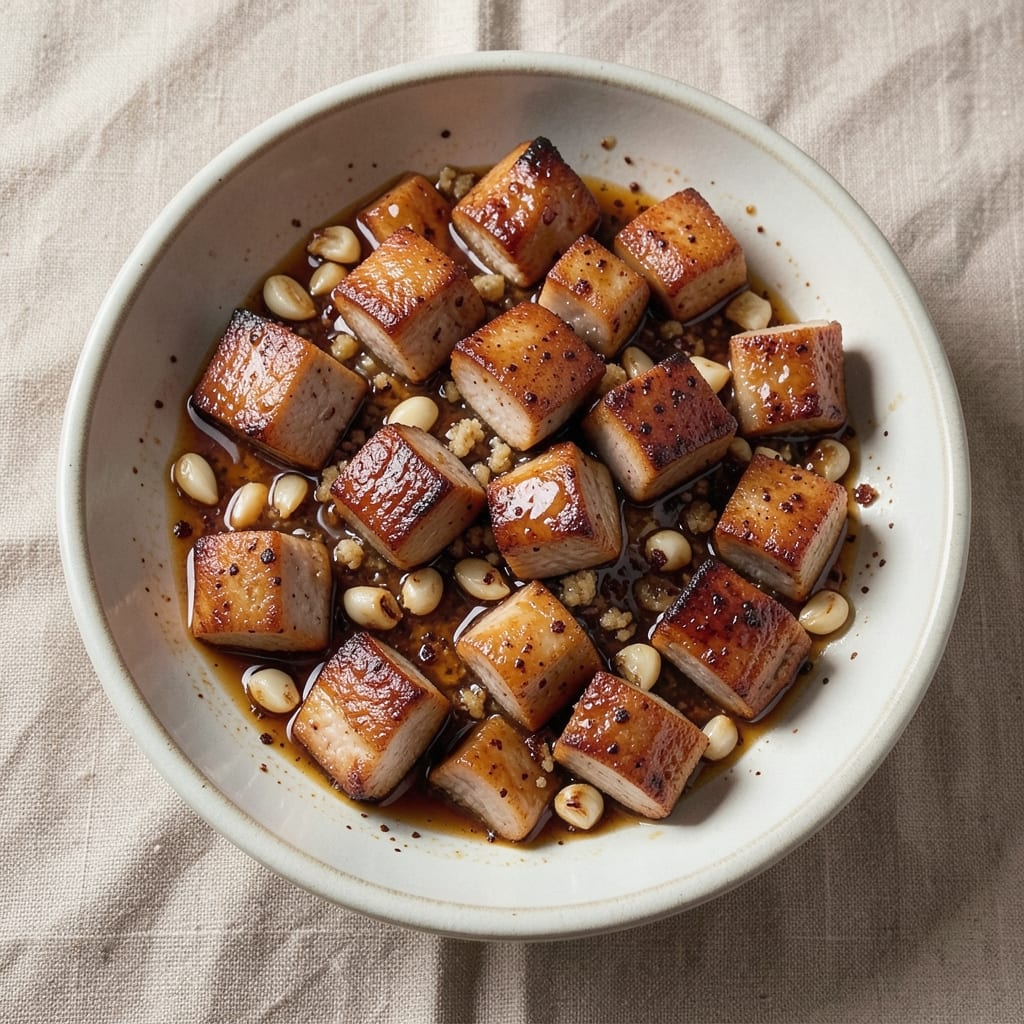
This Asian sweet pork recipe delivers the perfect balance of crispy edges and melt-in-your-mouth tenderness—just like the char siu I first tasted at a dim sum restaurant in Hong Kong. The secret lies in a marinade of honey, soy sauce, and five-spice powder that caramelizes beautifully while keeping the meat juicy. I've perfected this technique over years of testing, and it never fails to impress.
The process starts with a simple marinade that transforms tough pork into something extraordinary. After letting the meat soak up the flavors overnight, we sear it in a hot pan to render fat and create that signature crust. The honey glaze, brushed on during the final minutes, creates a sticky, caramelized finish that's both sweet and savory. This dish is restaurant-quality, but with a method simple enough for weeknight cooking.
What you'll end up with is pork that's crispy on the outside, tender on the inside, and coated in a glossy glaze that's addictively sweet. The aroma alone will have everyone gathering at the table, and the first bite delivers that perfect contrast of textures and flavors. Serve it sliced over steamed rice or wrapped in lettuce leaves for a satisfying meal.
This recipe works beautifully for family dinners, potlucks, or even as a showstopping appetizer. The marinade can be prepped ahead, and the cooking process is quick once you get started. Let's make this sweet pork that'll have everyone asking for seconds.
Ingredients for asian sweet pork
Everything you need for that perfect crispy-tender sweet pork that tastes like dim sum.
| Ingredient | Amount | Notes |
|---|---|---|
| Pork Shoulder 🐷 | 2 lb | Bone-in for flavor, cut into 1-inch chunks |
| Honey 🍯 | ½ cup | Raw or regular, no substitutions |
| Soy Sauce 🍶 | ⅓ cup | Light or dark, not low-sodium |
| Five-Spice Powder 🌶️ | 2 tbsp | Freshly ground if possible |
| Brown Sugar 🍚 | ¼ cup | Light or dark, packed |
| Garlic Cloves 🧄 | 6 cloves | Minced or grated |
| Ginger Root 🌿 | 1 tbsp | Freshly grated, not powdered |
| Sesame Oil 🫒 | 1 tbsp | Toasted, for aroma |
| Cornstarch 🌾 | 1 tbsp | For crispy coating |
| Vegetable Oil 🫒 | 2 tbsp | High smoke point |
| Salt 🧂 | 1 tsp | Kosher or sea salt |
| Black Pepper 🌶️ | ½ tsp | Freshly cracked |
The pork shoulder is non-negotiable here—it's got the right fat-to-meat ratio for that melt-in-your-mouth texture. Ask the butcher for a well-marbled cut if your grocery store doesn't have it pre-cut. I usually grab mine from Whole Foods or the meat counter at Trader Joe's—they always have good quality. Look for pieces that are bright red, not grayish, and have visible fat marbling. If you can't find bone-in, boneless works too, but you'll lose some flavor. The chunks should be roughly 1-inch—big enough to sear but small enough to cook through quickly.
No five-spice powder? Mix 1 tsp cinnamon, 1 tsp fennel seeds, 0.5 tsp cloves, 0.5 tsp star anise, and 0.25 tsp black pepper—it's the same thing. Fresh ginger is a must though—powdered just won't cut it. The honey should be raw if you can find it, but regular works fine in a pinch. For the soy sauce, Kikkoman or Lee Kum Kee are my go-tos, but any good-quality brand will do. The cornstarch is key for that crispy crust—don't skip it. And if you're feeling fancy, toast the sesame oil in the pan for 30 seconds before adding the pork for extra aroma.
Marinate the pork overnight—24 hours max—or at least 4 hours if you're short on time. The longer it sits, the more flavor it absorbs, but don't let it turn mushy. Store the marinade in an airtight container in the fridge. The cooked pork keeps well for 4 days in the fridge, and freezes beautifully for 3 months. I like to reheat slices in a skillet with a splash of water to keep them crispy. Leftovers make amazing sandwiches or fried rice—just don't reheat them more than once.
Why You'll Love This Recipe
- Five-Ingredient Magic: Honestly, I swear by this combo—pork shoulder, honey, soy sauce, five-spice, and brown sugar. That’s it. No fancy prep, no hidden pantry items. The five-spice alone cuts through the sweetness like a secret handshake, and the honey caramelizes into a glossy, sticky finish that takes five minutes of hands-off time.
- Sticky-Sweet Payoff: Between us, the first bite is always the best. That crispy edge on the pork with the creamy, honey-glazed center? It’s the kind of dish that makes you pause mid-bite, eyes half-closed. The brown sugar and soy sauce create this deep, umami-sweet balance that sticks with you—like a good memory.
- Leftover Luxury: I make this on Sundays, and by Wednesday, I’m still eating it. Cold pork slices in rice bowls? Yes, please. Toss it in lettuce wraps for a quick lunch, or chop it up for fried rice. It reheats like a dream—no drying out, no sad textures—just that same addictive flavor. (My roommate’s been known to raid the fridge.)
- Budget Crowd-Pleaser: Pork shoulder is cheap, and this recipe stretches it far. Feed four people for under $15, or double it for a party—no one will question why you’re serving the same thing twice in a week. Plus, the five-spice powder is a one-time buy that’ll spice up everything from roasted nuts to stir-fries after. Smart move.
Step-by-step instructions for Asian sweet pork
Here's how to achieve that perfect balance of crispy edges and tender, sweet centers.
Prep and Marinate the Pork Shoulder
Start by cutting the 2 lb pork shoulder into 1-inch chunks—this size ensures even cooking and maximum surface area for that crispy exterior. In a large bowl, combine the pork with 0.5 cup honey, 0.33 cup soy sauce, 2 tbsp five-spice powder, 0.25 cup brown sugar, 6 cloves minced garlic, 1 tbsp grated ginger root, 1 tsp salt, and 0.5 tsp black pepper. Mix everything thoroughly with your hands so the marinade clings to every piece of pork.
Let the mixture sit at room temperature for 15 minutes before cooking—this helps the flavors meld and ensures even seasoning. If you're short on time, you can refrigerate it for up to 2 hours, but don't skip the room-temperature step if possible. The pork should be coated in a sticky, fragrant glaze by the time you're ready to cook.
Coat and Sear the Pork
Heat 2 tbsp vegetable oil in a large skillet over medium-high heat until shimmering. While the oil heats, toss the marinated pork in 1 tbsp cornstarch—this creates a light, crispy coating that locks in juices. Shake off any excess cornstarch so it doesn't clump.
Working in batches to avoid crowding, add the pork to the skillet and let it sear undisturbed for 2-3 minutes until golden brown on one side. Flip carefully and sear the other side for another 2-3 minutes. You're looking for a deep caramel color and a slight crispness—this builds the foundation for your crispy edges. Transfer the seared pork to a plate and set aside.
Build the Glazed Sauce
Reduce the heat to medium and add 1 tbsp sesame oil to the same skillet. Let it warm through for 30 seconds, then pour in any accumulated juices from the pork. Scrape up the browned bits from the bottom of the pan—these are packed with flavor. Add the seared pork back to the skillet and spoon the juices over it.
Simmer for 5-7 minutes, stirring occasionally, until the sauce thickens slightly and the pork is coated in a glossy glaze. The edges should be crispy, while the centers remain tender. If the sauce gets too thick, add 1-2 tablespoons of water to loosen it. The pork is done when it reaches an internal temperature of 195-200°F—this ensures it's fully tender but still holds its shape.
Finish with Honey Glaze (Optional for Extra Sweetness)
For an even richer glaze, return the skillet to medium-high heat and add the remaining 0.25 cup brown sugar and 0.25 cup honey (reserve some for later if needed). Stir until the sugar dissolves and the mixture bubbles slightly, about 1-2 minutes. Pour this sweet mixture over the pork and toss gently to coat.
Let the pork cook for another 2-3 minutes until the glaze caramelizes and becomes sticky. The pork should be sticky, glossy, and irresistibly crispy on the edges. If the glaze hardens before the pork is fully coated, add a splash of water or soy sauce to thin it out. Serve immediately over steamed rice or noodles for the full experience.
Pro Tips For Making Asian Sweet Pork
- CRACK THE PORK FIRST: I learned this the hard way—skip the frozen block. Cut the pork shoulder into 1.5-inch chunks before cooking, then let them sit uncovered in the fridge for at least 30 minutes. The cold surface dries the edges, so the five-spice powder and brown sugar stick like glue when you sear. (Yes, even if you're impatient like me.)
- STIR THE HONEY IN LAYERS: After the initial sear, don’t dump all the honey at once. Mix 2 tablespoons of soy sauce with the five-spice powder first, then add half the honey to the pan and let it bubble for 2 minutes. Repeat with the rest—this prevents a syrupy mess and lets the flavors meld instead of just caramelizing on top.
- WATCH THE BROWN SUGAR BURN: This isn’t the prettiest method, but it’s the tastiest: Sprinkle the brown sugar after the pork is mostly cooked, when the pan’s reduced to a sticky glaze. High heat turns it bitter fast—keep the flame at medium-low and stir constantly. (Your future self will thank you.)
- USE LESS SOY SAUCE: I used to drown this dish in soy sauce, thinking more = deeper flavor. Wrong. Start with just 2 tablespoons (plus a splash for deglazing) and let the honey and brown sugar carry the umami. The pork’s natural juices and five-spice powder do the heavy lifting—trust the process.
Regional styles of this dish
Chinese Char Siu
This Cantonese classic is the most iconic version of sweet pork, featuring a deep red glaze made with Chinese red fermented bean curd (hong dou fu) or red food coloring for that signature look. The pork is traditionally roasted in an oven or over charcoal, giving it a smoky depth. I like to use pork belly instead of shoulder for extra marbling, and I wrap the pieces in bamboo leaves during roasting for an authentic touch. Serve it sliced thin over rice with pickled vegetables for a complete dim sum experience. 🌟
Korean Dwaejigogi
Korean sweet pork, or dwaejigogi, takes a slightly different approach with a marinade that includes gochujang (Korean chili paste) for heat and rice wine (mirin) for brightness. The pork is often grilled over an open flame, which gives it beautiful char marks. I prefer using pork loin for this version because it's leaner and absorbs the marinade well. The dish is typically served cold or at room temperature, making it perfect for summer meals. Pair it with ssamjang (dipping sauce) and lettuce wraps. 🔥
Japanese Nikuman
While not as sweet as the other versions, Japanese nikuman (steamed buns filled with sweet pork) offers a unique take on the concept. The pork is usually braised in a sweet soy-based sauce until tender, then stuffed into soft steamed buns. For this version, I use pork shoulder cut into thin strips and braise it with shoyu (Japanese soy sauce), mirin, and sugar until it's fall-apart tender. The result is a delicate, flavorful filling that pairs perfectly with the pillowy buns. This is a great make-ahead dish—just reheat the filling before stuffing. ✨
Thai Moo Ping
Thai sweet pork, or moo ping, is a stir-fry that balances sweet, sour, and spicy flavors. The pork is marinated in a mix of palm sugar, fish sauce, and Thai basil, then stir-fried until caramelized. I love adding longan fruit or lychee to the marinade for extra sweetness and texture. Serve this dish over jasmine rice with a side of cucumber salad to cut through the richness. The key here is high heat and quick cooking to maintain that crispy edge. 💛
Vietnamese Thịt Kho
This Vietnamese caramelized pork dish is less sweet but equally delicious, featuring pork belly braised in a coconut water and fish sauce mixture until tender and sticky. The pork is first seared until crispy, then simmered with coconut water, fish sauce, and black pepper until the sauce reduces to a glossy glaze. The result is a dish that's rich, savory, and slightly sweet—perfect for serving with steamed rice or bread. I often add eggplant slices to the braise for extra texture. 🌱
Nutrition facts
Frequently asked questions
Can I use pork loin instead of pork shoulder for this recipe?
Pork loin works but will be leaner and less forgiving. For best results, use 1.5 lb pork loin instead of 2 lb shoulder, cut into 1-inch thick slices rather than chunks. The cooking time will be shorter (3-4 minutes per side) since loin cooks faster. Marinate for at least 4 hours to prevent drying out. The shoulder's fat content keeps it juicier during high-heat cooking.
Why does my sweet pork turn out tough instead of tender?
This usually happens from overcooking or skipping the 195-200°F internal temperature check. Use a meat thermometer—pork shoulder needs that high temp to break down collagen. Also, don't rush the marinating (4+ hours minimum) and avoid high heat for too long. For extra tenderness, try braising after searing: cover with water, simmer 20 minutes at low heat, then glaze.
How can I make this recipe less sweet?
Reduce the honey to 0.25 cup total and brown sugar to 0.125 cup. Replace half the soy sauce with extra sesame oil (2 tbsp) and add 1 tsp rice vinegar to the marinade. For balance, increase five-spice powder to 2.5 tbsp. The glaze will still be flavorful but less dominant.
Can I prepare this ahead of time?
Marinate the pork up to 2 days ahead for deeper flavor. Cooked pork keeps 4 days refrigerated or 3 months frozen. Reheat gently in a skillet with 1 tsp water over medium-low heat for 2-3 minutes to restore crispiness. For make-ahead meals, freeze cooked pork in single-serving portions.
What's the best way to serve this dish?
Classic pairings include steamed jasmine rice, stir-fried bok choy, or egg fried rice. For a casual meal, wrap slices in lettuce leaves with ssamjang (Korean dipping sauce) or serve over noodles. In Asian restaurants, it's often paired with pickled vegetables or cucumber salad to cut the richness.