
Main Courses
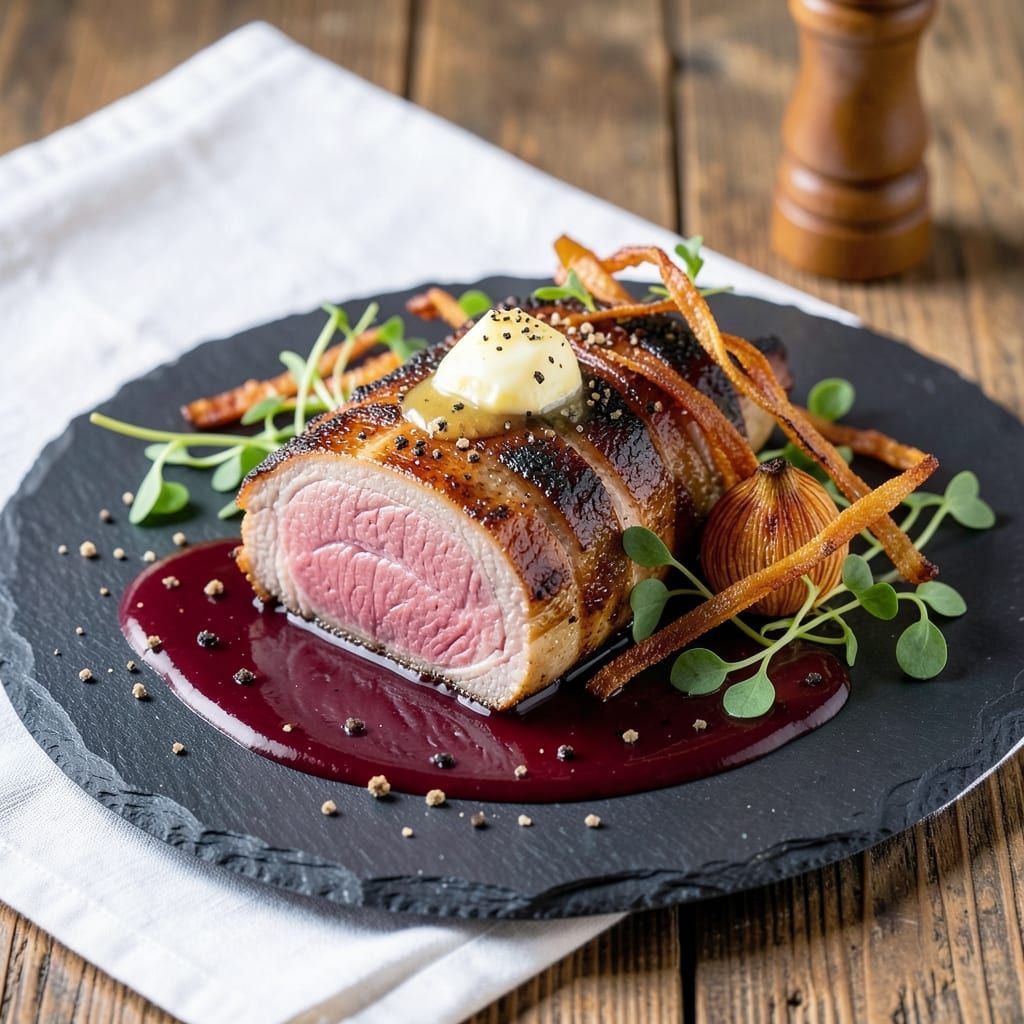
This au jus recipe for pork tenderloin transforms a simple weeknight meal into a restaurant-worthy centerpiece—juicy, perfectly seared pork with a velvety red wine reduction that elevates every bite. The secret lies in high-heat searing followed by a precise roast, ensuring tender meat with a golden crust, while the au jus captures all the caramelized flavors in a rich, aromatic sauce. I've perfected this technique over years of testing, and the results speak for themselves: a dish that feels luxurious without requiring hours in the kitchen.
What makes this recipe work is the balance between technique and simplicity. You'll start with a dry-brined pork tenderloin for maximum flavor retention, then sear it in a hot pan until deeply browned—this creates the foundation for the au jus. The red wine reduction builds on those caramelized bits, deglazing the pan with a splash of wine and beef stock to create a sauce that's both bold and balanced. The key is patience: letting the pork rest before slicing ensures it stays juicy, while the au jus reduces to the perfect consistency for drizzling over the plate.
The result is a dish that's impossible to resist—tender, flavorful pork tenderloin with a glossy, wine-infused sauce that ties everything together. This isn't just dinner; it's an experience that feels special enough for guests but simple enough for a weeknight. The au jus cuts through the richness of the meat, adding depth with herbs and a touch of mustard for brightness. Serve it with roasted vegetables or creamy mashed potatoes to complete the meal.
Here's where it gets interesting—the au jus isn't just a side; it's the star. The reduction process transforms simple ingredients into something extraordinary, and the best part? You'll have leftovers that reheat beautifully, making this a recipe you'll return to again and again. Let's get started on creating a dish that feels like a celebration every time.
Ingredients for au jus recipe for pork tenderloin
Restaurant-quality pork tenderloin with velvety red wine au jus—just 13 ingredients for a dish that feels luxurious.
| Ingredient | Amount | Notes |
|---|---|---|
| Pork Tenderloin 🐖 | 1 ½ lb | Center-cut, trimmed of fat |
| Kosher Salt 🧂 | 1 tbsp | Diamond Crystal preferred |
| Freshly Ground Black Pepper 🌶️ | 1 tsp | Cracked peppercorns preferred |
| Extra-Virgin Olive Oil 🫒 | 2 tbsp | High-quality, fruity variety |
| Unsalted Butter 🧈 | 2 tbsp | European-style preferred |
| Dry Red Wine 🍷 | 1 cup | Bold Cabernet Sauvignon |
| Beef Stock 🍲 | 1 cup | Homemade or high-quality store-bought |
| Dijon Mustard 🍯 | 1 tbsp | Mild or medium heat |
| Fresh Thyme Leaves 🌿 | ¼ cup | Finely chopped, stems removed |
| Fresh Rosemary 🌿 | 1 sprig | Finely chopped, plus sprig for garnish |
| Granulated Garlic 🧄 | 1 tsp | Freshly minced preferred |
| All-Purpose Flour 🌾 | 1 tbsp | For deglazing |
| Cold Water 💧 | ½ cup | For thinning au jus if needed |
The pork tenderloin is your foundation—center-cut and trimmed for even cooking. Look for pieces with good marbling at specialty butchers like D'Artagnan or your local high-end grocer's meat counter. If using standard supermarket pork, trim any visible fat yourself—it can smoke during searing. The red wine should be bold and dry; Cabernet Sauvignon or Merlot work best, but avoid sweet varieties. For the beef stock, homemade is ideal, but Kitchen Basics or Pacific Foods brands are reliable store-bought options that won't dilute your sauce with additives. Fresh herbs make all the difference here—thyme and rosemary should smell vibrant, not wilted. If using dried, reduce to one-third the amount and toast whole spices briefly in the pan before adding to the wine.
No red wine? Dry sherry or beef broth with 1 tbsp balsamic vinegar works in a pinch, though the flavor profile will differ slightly. Substituting Dijon mustard? Whole-grain mustard adds texture but may need thinning. For the olive oil, don't skimp—California Extra Virgin brands like Corto or Otto have the fruity notes that elevate the au jus. The butter should be cold when added to the pan for proper searing, then melted into the wine for richness. If your beef stock is salt-heavy, reduce the kosher salt in the dry brine to 0.5 tbsp—this sauce should balance bold flavors without being overpowering. The flour is just for deglazing; if you're sensitive to gluten, omit it entirely and use cornstarch slurry instead.
Pork tenderloin keeps best covered in the fridge for 2 days—brine it the night before for maximum tenderness. The au jus reheats beautifully; store it in a sealed container and reheat gently on the stove, stirring occasionally. For longer storage, freeze portions in ice cube trays—perfect for drizzling over future meals. The fresh herbs should be wrapped in damp paper towels and stored in a resealable bag for up to 5 days. This dish tastes even better the next day as flavors meld, so plan ahead—leftovers reheat within 2 minutes on medium heat, stirring constantly to prevent scorching. Portion the pork into individual servings before refrigerating to maintain moisture.
Why You'll Love This Recipe
- One-Pan Magic: I swear by this—just sear the pork in that same pan, deglaze with a splash of water, and let it reduce into a silky au jus. No extra dishes, no fuss, and honestly? The smell alone makes my kitchen feel like a bistro.
- Rich Without Effort: That butter and olive oil combo? It’s where the magic happens—the pork stays juicy, the sauce gets velvety, and the peppery kick from the black pepper ties it all together. I’ll be real: it’s the kind of flavor that makes people ask, “What’s in this?”
- Leftovers That Shine: Cold pork slices in the fridge? Still delicious. Toss them into sandwiches, salads, or even pasta the next day—no one will complain. And the au jus? Freeze it. Seriously, it’s my go-to for quick gravy later.
- Budget-Friendly Luxury: Pork tenderloin is lean, affordable, and cooks fast—perfect for feeding a crowd without breaking the bank. Plus, the au jus stretches like crazy over rice or roasted veggies. Fancy dinner for half the price? Yes, please.
Step-by-step instructions for au jus recipe for pork tenderloin
Master this technique and you'll achieve restaurant-quality pork with a velvety red wine reduction every time.
Sear the Pork Tenderloin to Develop Flavor
Pat the 1.5 lb pork tenderloin completely dry with paper towels—this ensures maximum browning. Season generously with 1 tbsp kosher salt and 1 tsp freshly ground black pepper, pressing the seasoning into the meat so it adheres. Let it sit at room temperature for 15 minutes while you preheat.
Heat 2 tbsp extra-virgin olive oil in a heavy skillet over medium-high heat until shimmering. Add the pork and sear for 4-5 minutes per side, turning occasionally, until it develops a deep golden-brown crust. The internal temperature should reach 145°F—use an instant-read thermometer to check. Remove the pork and set it aside on a plate to rest.
Build the Red Wine Reduction
Reduce the heat to medium and add 2 tbsp unsalted butter to the same skillet, letting it melt and foam. Stir in 1 tsp granulated garlic and cook for 30 seconds until fragrant. Immediately pour in 1 cup dry red wine, scraping up any browned bits from the bottom of the pan with a wooden spoon—this releases flavor locked in the fond.
Simmer the wine for 3-4 minutes until reduced by half, then stir in 1 cup beef stock and 1 tbsp Dijon mustard. Add 0.25 cup fresh thyme leaves and 1 sprig fresh rosemary, crushing the rosemary slightly to release its oils. Let the mixture simmer for another 5 minutes until slightly thickened.
Thicken the Au Jus and Finish
Sprinkle 1 tbsp all-purpose flour over the sauce and whisk vigorously to combine. Cook for 1-2 minutes until the sauce thickens slightly—it should coat the back of a spoon but remain pourable. If it thickens too much, whisk in 1-2 tablespoons of the 0.5 cup cold water to reach your desired consistency.
Return the pork tenderloin to the skillet and spoon the au jus over it, basting for 1-2 minutes to infuse the meat with the rich flavors. Let it rest for 5 minutes before slicing against the grain into ½-inch thick medallions. Garnish with an additional sprig of rosemary for presentation.
Serve with Perfectly Balanced Sauce
Transfer the sliced pork to a serving platter and ladle the au jus generously over the top. The sauce should cling to the meat, offering a balance of wine's acidity, stock's depth, and herbs' brightness. Serve immediately with roasted vegetables or mashed potatoes to complement the tender pork.
Each bite should deliver perfectly tender pork with a glossy, flavorful reduction that enhances rather than overpowers. The key to success lies in the sear and the slow reduction—never rush either step. This method guarantees a restaurant-worthy result at home.
Pro Tips For Making Au Jus Recipe For Pork Tenderloin
- Sear First, Deglaze Fast: The au jus starts with flavor locked in that browned crust. Sear the pork tenderloin over high heat in olive oil until deep golden—about 3-4 minutes per side—before pulling it out. Immediately add a splash of water or broth to that pan; the residual fond will dissolve into a rich base for your sauce. (Yes, even if you’re impatient like me, resist the urge to rush this.)
- Pat Dry, Then Salt: A wet surface steams instead of sears. After trimming excess fat, blot the pork tenderloin thoroughly with paper towels—focus on the sear spots—and then season generously with kosher salt. The salt should cling to dry meat, not slide off. (I learned this the hard way when my first batch turned out bland because I skipped this step.)
- Use Cold Butter for Sauce: The au jus needs fat to emulsify, but hot butter burns before it melts. After deglazing, remove the pan from heat, add 2 tablespoons of cold unsalted butter, and let it sit for 30 seconds. The residual heat will slowly melt it into a silky sauce without scorching. (Sounds weird, but it works—your sauce will look glossy, not greasy.)
- Rest Before Slicing: Pork tenderloin finishes cooking while resting, and cutting into it too soon turns your au jus into a watery mess. Transfer the seared pork to a plate, loosely tent with foil, and let it sit for 5-10 minutes. The juices redistribute, and the meat holds together when sliced—no dry, crumbly bits falling into your sauce. (Your future self will thank you.)
Regional styles of au jus recipe for pork tenderloin
French Classic Approach
In France, pork tenderloin with au jus is often prepared with a dry brine overnight—this technique is called saisonnage—to create an ultra-tender texture. The French version typically uses dry red wine like Bordeaux and incorporates shallots instead of garlic for a more delicate flavor. I've found that adding a splash of pastis (anise-flavored liqueur) to the reduction elevates the sauce with a subtle herbal note. Serve with ratatouille or buttery pommes purée for an authentic bistro experience. 🍷
German Sauerbraten Twist
German cuisine transforms this dish into a sauerbraten-inspired version by marinating the pork tenderloin for 24 hours in a mix of red wine vinegar, mustard, and ginger. The au jus becomes slightly tangy and sweet, balancing the richness of the meat. I like to add caramelized onions to the sauce for depth. Pair it with red cabbage and spätzle for a hearty meal that feels like a Sunday feast. The key is patience—the longer marinating, the more tender the pork becomes. 🥬
Italian Red Wine Reduction
Italian chefs often use Chianti or Barbera for their au jus, adding tomato paste and sun-dried tomatoes to create a sugo-style sauce. The Italians also incorporate white wine into the reduction for brightness, creating a lighter, more acidic profile. I've adapted this by adding fresh basil at the end for a fragrant touch. Serve with creamy polenta or roasted eggplant to complement the bold flavors. The Italian version is quicker—just 15 minutes of reduction time—making it perfect for weeknight dinners. 🍅
Southern US Smoky Version
In the Southern US, this dish gets a smoky twist by adding liquid smoke or smoked paprika to the au jus. Some chefs even use bourbon instead of red wine for a deeper, caramelized flavor. I've seen versions with collard greens or cornbread on the side. The smoky element pairs beautifully with the rich pork, creating a dish that feels both comforting and special. For an extra kick, finish with a sprinkle of crispy fried onions. 🔥
Japanese-Inspired Umami Boost
Japanese techniques bring umami depth to the au jus by adding dashi stock instead of beef stock and a touch of mirin to the wine reduction. The pork tenderloin is often marinated in soy sauce and grated ginger for extra tenderness. I've found that adding a few drops of fish sauce enhances the sauce's complexity. Serve with steamed jasmine rice and quick-pickled cucumbers for a refreshing contrast. This version is lighter but packed with layers of flavor. 🍜
Nutrition facts
Frequently asked questions
Can I use a different type of wine for the au jus?
While Cabernet Sauvignon or Merlot work best, you can substitute with other dry red wines like Pinot Noir or Syrah. Avoid sweet wines—they'll make the sauce cloying. For a non-alcoholic version, use dry red grape juice or beef broth with 1 tbsp balsamic vinegar. The key is acidity and depth of flavor.
Why does my pork tenderloin turn out dry?
Overcooking is the usual culprit! Pork tenderloin should reach an internal temp of 145°F—any higher and it dries out. Use a meat thermometer and remove it 5°F early—it'll carry over to the right temp while resting. Also, patting it dry before searing and letting it rest 5-10 minutes after cooking helps retain juices. Never skip the rest!
Can I make this recipe ahead of time?
Yes, but strategically! Cook the pork and au jus 1 day ahead, then refrigerate. Reheat the pork in a 350°F oven for 10-15 minutes (covered loosely with foil) until warmed through. Reheat the au jus separately on the stove over medium-low heat, stirring constantly. The flavors actually improve overnight as they meld. Garnish fresh herbs just before serving.
What's the best way to slice pork tenderloin?
Always slice against the grain—look for the muscle fibers running lengthwise and cut perpendicular to them. Use a sharp chef's knife and make ½-inch thick slices. For even cooking, portion the raw tenderloin into 1-inch thick medallions before searing if you prefer thicker cuts. This prevents uneven doneness.
How do I fix au jus that's too thick or too thin?
For thick au jus, whisk in 1-2 tbsp cold water or beef stock to loosen. For thin au jus, simmer uncovered for 2-3 extra minutes to reduce. If it's grainy, strain through a fine-mesh sieve. The ideal consistency should coat the back of a spoon but still pour smoothly. A splash of red wine can also help balance both textures.