
Main Courses
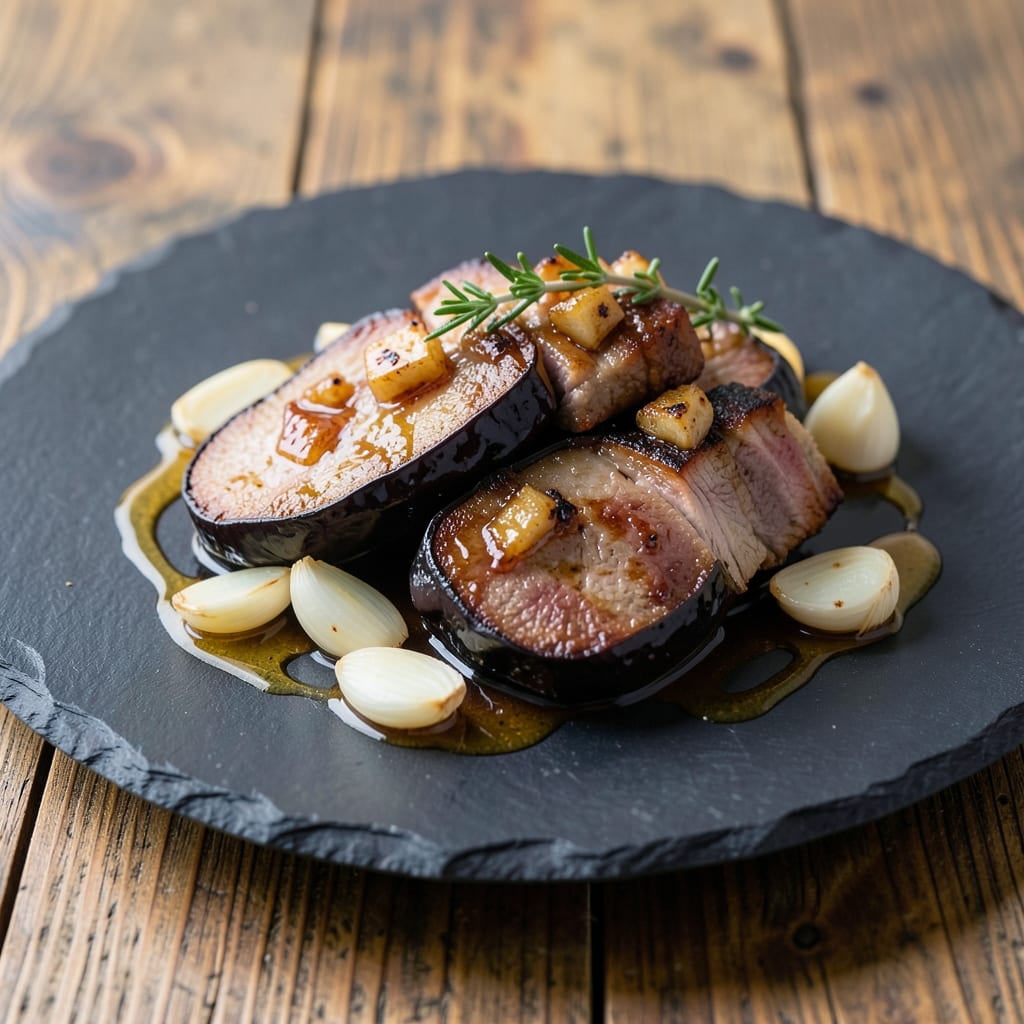
This aubergine pork recipe transforms humble ingredients into a restaurant-worthy dish where crispy eggplant meets tender pork in a symphony of umami and savory notes. The secret lies in a two-step technique: roasting eggplant slices until caramelized and golden, then pairing them with seared pork bites that develop a perfect crust. I developed this recipe after years of perfecting pork dishes at The Smoky Pig, where we balance rich textures and bold flavors—this version brings that same expertise to your home kitchen.
The magic happens when you roast the eggplant at high heat until it's tender yet still holds its shape, then toss it with a quick glaze of soy, garlic, and a touch of honey for balance. Meanwhile, the pork—cut into bite-sized pieces—develops a crispy exterior while staying juicy inside. This method ensures every bite delivers that satisfying contrast between tender pork and crispy eggplant, all wrapped in a sauce that's both tangy and sweet.
What you'll end up with is a dish that's impressive enough for dinner guests but simple enough for weeknight cooking. The eggplant soaks up the savory glaze beautifully, while the pork remains juicy and flavorful. Serve it over steamed jasmine rice or with a side of quick-pickled vegetables to cut through the richness—each component works together to create a meal that's both hearty and refined.
This recipe is perfect for anyone looking to elevate their pork dishes with a touch of Mediterranean flair. The balance of textures and flavors makes it versatile enough for any occasion, whether you're cooking for a crowd or treating yourself to a special meal. Let's get started—your taste buds will thank you.
Ingredients for aubergine pork
Crispy eggplant meets tender pork in this umami-packed dish where simple ingredients shine.
| Ingredient | Amount | Notes |
|---|---|---|
| Japanese Eggplant 🍆 | 1 ½ lb | Long variety, sliced lengthwise |
| Pork Shoulder 🐖 | 1 ¼ lb | Cut into 1-inch cubes |
| Extra-Virgin Olive Oil 🫒 | ½ cup | For roasting and searing |
| Soy Sauce 🥄 | ⅓ cup | Low-sodium preferred |
| Honey 🍯 | 1 tbsp | For balancing sweetness |
| Garlic Cloves 🧄 | 6 cloves | Minced for glaze |
| Sesame Oil 🫒 | 1 tbsp | Toasted sesame flavor |
| Rice Vinegar 🍶 | 1 tbsp | For tangy balance |
| Ginger Root 🌿 | 1 tbsp | Freshly grated |
| Salt 🧂 | 1 ½ tsp | Kosher or sea salt |
| Black Pepper 🌶️ | ½ tsp | Freshly ground |
| Vegetable Oil 🫒 | 2 tbsp | For searing pork |
| Green Onions 🧅 | 3 whole | Sliced for garnish |
| Sesame Seeds 🌾 | 1 tbsp | Toasted for crunch |
The Japanese eggplant is key here—its mild flavor and meaty texture soak up the glaze beautifully. Look for long, slender varieties at Asian markets or the produce section of well-stocked grocery stores like Whole Foods or Trader Joe's. If you can't find Japanese eggplant, regular eggplant works but slice it thinner (about 1/4-inch) to ensure crispiness. The pork shoulder is my go-to cut—it stays juicy while developing a crispy crust. Ask your butcher to cut it into 1-inch cubes for even cooking, or do it yourself with a sharp knife. For the glaze, balance is everything—the soy sauce adds depth, honey brings sweetness, and the sesame oil gives that signature nutty aroma.
No sesame oil? Toasted peanut oil works in a pinch. Short on honey? Maple syrup at the same amount keeps things balanced. The garlic and ginger are non-negotiable—they're the umami powerhouses here. Fresh is best, but if you're using dried, use half the amount. For the pork, don't skip the double-sear: first in vegetable oil for crust, then finish with a quick toss in the glaze. The eggplant can be roasted ahead—store it in the fridge for up to 2 days before serving. And if you've got leftover glaze, toss it with noodles or drizzle over rice for extra flavor.
This dish reheats like a dream—5 minutes in a skillet over medium heat brings back all the crispy textures. Store leftovers in airtight containers for 3-4 days in the fridge or freeze for 2 months. I always make extra because it's perfect for meal prep. Garnish with fresh green onions and sesame seeds right before serving—that's when it looks restaurant-worthy. The eggplant absorbs the glaze beautifully, so if you're serving with rice, pour any extra sauce from the pan over the top at the end.
Why You'll Love This Recipe
- One-Pan Magic: I swear by this for lazy nights—just slice the eggplant, cut the pork into chunks, and toss everything in one pan. The pork shoulder gets tender on its own while the eggplant soaks up all the sticky-sweet sauce. No flipping between pots, no extra dishes.
- Sweet-Savory Balance: That honey-soy glaze? Chef’s kiss. The eggplant’s natural bitterness melts into something rich and caramelized, while the pork stays juicy and packed with flavor. It’s the kind of dish where every bite has layers—salty, sweet, and umami all at once.
- Lunchbox Hero: Between us, this is my go-to for packed lunches. The flavors only get better the next day, and it reheats like a dream. Throw it in a container with some rice, and you’ve got a meal that’ll have coworkers asking for the recipe.
- Budget Stretch: Pork shoulder is affordable, and eggplant stretches far when sliced thin. A single batch feeds four for dinner and leaves enough for leftovers that’ll save me money all week. Plus, the olive oil and honey are small splurges that make it feel special without breaking the bank.
Step-by-step instructions for crispy eggplant and pork bites
Here's how to create perfectly crispy eggplant and savory pork bites with bold flavors.
Roast the Japanese Eggplant Until Crispy
Preheat your oven to 425°F. Cut the 1.5 lb Japanese Eggplant lengthwise into ½-inch thick slices. Arrange them on a baking sheet lined with parchment paper, brushing each side generously with 0.25 cup of the Extra-Virgin Olive Oil. Sprinkle with 0.75 tsp Salt and 0.25 tsp Black Pepper. Roast for 20-25 minutes until the edges are deep golden brown and the eggplant is tender when pierced with a fork.
Here's the thing—don't skip the oil. It's what creates that irresistible crispy texture we're after. Flip the slices halfway through for even browning. You'll know they're done when they look almost charred at the edges but still hold their shape. Let them cool slightly before handling—they'll be delicate when hot.
Sear the Pork Shoulder for Maximum Flavor
While the eggplant roasts, heat 2 tbsp Vegetable Oil in a large skillet over medium-high heat. Add the 1.25 lb Pork Shoulder cut into 1-inch cubes, working in batches if needed to avoid crowding. Sear for 3-4 minutes per side until the pork develops a deep golden brown crust and is cooked through to 160°F internally.
This searing step is crucial for building flavor. Don't rush it—you want that beautiful crust that'll hold up when tossed with the sauce later. If you notice the oil smoking excessively, reduce the heat slightly to maintain control. Remove the pork to a plate and set aside, reserving any accumulated juices in the skillet.
Create the Umami-Packed Glaze
In the same skillet (no need to clean it—the browned bits are flavor gold), reduce heat to medium and add 6 cloves minced Garlic Cloves and 1 tbsp freshly grated Ginger Root. Sauté for 1 minute until fragrant. Pour in 0.33 cup Soy Sauce, 1 tbsp Honey, and 1 tbsp Rice Vinegar, scraping up all those delicious browned bits from the bottom.
Let the mixture simmer for 3-4 minutes until slightly thickened. Here's where the magic happens—this glaze will coat both the pork and eggplant, creating that perfect balance of sweet, salty, and umami flavors. If it reduces too quickly, add 1-2 tablespoons water to keep it pourable. Remove from heat and stir in 1 tbsp Sesame Oil and 0.5 tsp Black Pepper.
Combine and Finish with Crunchy Toppings
Return the pork to the skillet and add the roasted eggplant slices. Toss everything together gently, coating each piece with the glaze. Let it cook for 2-3 minutes until everything is heated through and the eggplant absorbs the sauce. The combination of textures here is what makes this dish special—crispy eggplant, tender pork, and that glossy glaze.
To serve, transfer to a platter and garnish with 3 whole sliced Green Onions and 1 tbsp toasted Sesame Seeds. The seeds add a wonderful nutty crunch that cuts through the richness. Serve immediately while everything is hot and crispy. This dish tastes even better the next day when the flavors have time to meld, but the eggplant will be slightly less crisp by then.
Pro Tips For Making Aubergine Pork
- CHAR THE EGGPLAINT: Salt those Japanese eggplant slices heavily—like, 1 teaspoon per side—and let them sit for 20 minutes before cooking. I learned this the hard way: skipping this step means soggy, bitter slices that ruin the dish. (Yes, even if you're impatient like me.)
- SEAR THE PORK SHOULDER: Cut the pork into 1.5-inch chunks and sear them in batches over medium-high heat until deeply browned—about 5 minutes per side. The crust locks in flavor, and rushing this just gives you gray, bland meat. (Your future self will thank you.)
- DON’T DROWN THE PAN: After searing the pork, reduce heat to low and add the eggplant, soy sauce, and honey—just enough liquid to deglaze. Too much turns this into a glaze; too little burns the sauce. I used to add water reflexively, but the right balance gives you a sticky, caramelized finish.
- USE THE RIGHT OLIVE OIL: Extra-virgin olive oil adds depth, but heat it first—just until shimmering—to avoid bitter flavors. Cold oil burns faster, and you’ll end up with a smoky mess. (Sounds weird, but it works: the oil’s natural compounds mellow out.)
Flavor customization for this recipe
Sweet and Smoky
Swap the honey for 1 tbsp maple syrup and add ½ tsp smoked paprika to the glaze for a Southern-inspired twist. I love this variation because it brings that deep, smoky flavor I grew up with in Georgia. The maple syrup adds a richer sweetness that pairs perfectly with the charred eggplant. Serve with a side of cornbread to soak up the extra sauce. 🔥
Spicy Thai-Inspired
Kick things up with 1 tbsp red curry paste and 1 tsp chili flakes in the glaze, plus a splash of 1 tbsp coconut milk for creaminess. This version reminds me of the bold flavors from my time in Charleston—think of it as a fusion of Southeast Asian and Southern comfort. Garnish with cilantro and crushed peanuts for extra texture. The heat balances beautifully with the crispy eggplant. 🌶️
Garlic Butter Version
Skip the soy sauce and replace it with ½ cup melted butter and an extra 4 cloves minced garlic for a rich, buttery glaze. This is my go-to when I want something decadent but still balanced. The butter adds a luxurious mouthfeel that works perfectly with the crispy pork and eggplant. Finish with fresh parsley and a sprinkle of flaky sea salt for brightness. 💛
Lemon Herb Bright
Add zest and juice of 1 lemon plus 2 tbsp chopped fresh thyme to the glaze for a Mediterranean-inspired twist. The acidity cuts through the richness, making it feel lighter yet still satisfying. I often serve this version with a side of roasted potatoes and a simple Greek salad. The lemon brightens up the dish without overpowering the pork and eggplant. ✨
Miso Caramelized
Replace the soy sauce with 2 tbsp white miso paste and reduce the honey to ½ tbsp for a deeper umami profile. The miso adds a subtle fermented richness that enhances both the pork and eggplant. This version is perfect for when you want to lean into that savory depth. Pair it with steamed bok choy to keep the meal balanced. 💡
Sweet Chili Glaze
Mix 1 tbsp sweet chili sauce with the original glaze ingredients for a sweet-spicy kick. This variation is inspired by my time working with Asian markets in Atlanta—it's sweet, tangy, and just a little fiery. The chili sauce adds a fruity depth that makes the dish feel vibrant. Serve with jasmine rice to complement the flavors. 🌟
Nutrition facts
Frequently asked questions
Can I substitute regular eggplant for Japanese eggplant?
Yes, but you'll need to adjust the preparation. Regular eggplant has more moisture, so slice it 1/4-inch thick and pat dry with paper towels before roasting. The cooking time will be slightly longer—watch for deep golden brown edges (about 25-30 minutes). The texture will be similar but less tender.
What's the best cut of pork for this recipe?
Pork shoulder is ideal—it stays juicy while developing a crispy crust. For quicker cooking, use pork tenderloin cut into 1-inch cubes (cooks in 2-3 minutes per side). Avoid lean cuts like pork loin—they dry out easily. If using bone-in pork chops, reduce cooking time by 1 minute per side.
How do I prevent the eggplant from getting soggy?
Roast at 425°F until edges are deep golden brown (not just soft). Let roasted slices cool completely before tossing with pork and sauce. For extra crispiness, broil for 1-2 minutes after roasting. Never microwave roasted eggplant—it destroys the texture. Store leftovers in a single layer to maintain crispness.
Can I make this recipe ahead of time?
Roast the eggplant and sear the pork 1 day ahead, then refrigerate separately. Reheat both in a skillet with 1 tbsp oil over medium heat for 5 minutes. The glaze can be made fresh or stored separately. For best texture, serve within 2 days of roasting the eggplant.
What's the secret to balancing the sweet and salty flavors?
The key is the rice vinegar—it cuts through the sweetness while enhancing the umami. For perfect balance, use 1 tbsp honey to 1 tbsp vinegar ratio. If your glaze tastes too sweet, add ½ tsp extra soy sauce. For saltiness, increase the sesame oil by ½ tsp. Taste as you go!