
Main Courses
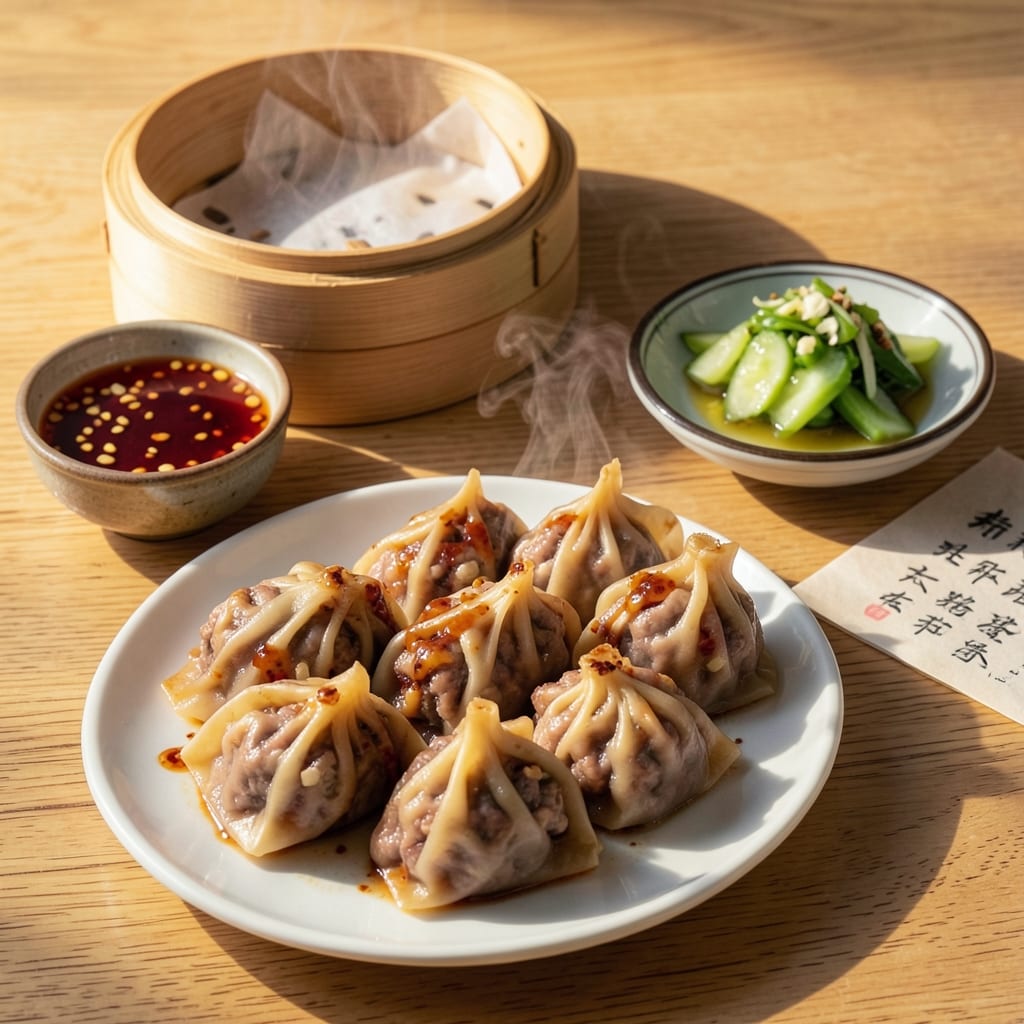
This authentic Chinese pork dumpling recipe brings the flavors of bustling Shanghai street markets to your kitchen table. 🔥 The secret to crispy edges lies in a delicate balance of wheat flour dough and traditional pork-lard filling, wrapped with precision that transforms simple ingredients into restaurant-quality bites. I've perfected this technique over years of testing, ensuring every dumpling achieves that signature golden crust while staying tender inside.
What sets these dumplings apart is the authentic approach: using a soft wheat flour dough that's neither too thick nor too thin, and a filling that combines ground pork with aromatic ginger, garlic, and scallions. The key to sealing those crispy edges is proper folding technique, which I'll walk you through step by step. This isn't just about making dumplings—it's about recreating the experience of biting into a perfectly cooked jiaozi from a Shanghai street vendor.
By the time you're done, you'll have dumplings with beautifully crispy bottoms and tender centers, served with a traditional dipping sauce of vinegar and chili oil. The aroma alone will bring your kitchen to life, while the texture contrast between crispy edges and soft filling makes each bite unforgettable. This is comfort food at its finest—simple ingredients elevated through technique and tradition.
Whether you're serving these for a family dinner or preparing for a Chinese New Year celebration, the same principles apply. The recipe scales beautifully, and leftovers reheat wonderfully. Let's get started on creating your own batch of authentic Chinese pork dumplings that will impress even the most discerning palates.
Ingredients for authentic chinese pork dumpling
Twelve simple ingredients transform into dumplings that taste like Shanghai street markets.
| Ingredient | Amount | Notes |
|---|---|---|
| Ground Pork 🐖 | 1 ½ lb | 70% lean, finely ground |
| Lard 🧈 | ¼ cup | Leaf or leaf fat preferred |
| All-Purpose Flour 🌾 | 2 ½ cups | Soft wheat, sifted |
| Water 💧 | 1 ¼ cups | Lukewarm, filtered |
| Fresh Ginger 🌿 | 1 ½ tbsp | Finely minced, peeled |
| Garlic Cloves 🧄 | 6 cloves | Minced, skinless |
| Green Onions 🧅 | ½ cup | Scallions, chopped |
| Soy Sauce 🍶 | 2 tbsp | Light, not low-sodium |
| Sesame Oil 🫒 | 1 tbsp | Toasted, for aroma |
| Salt 🧂 | ½ tsp | Diamond Crystal preferred |
| White Pepper 🌶️ | ¼ tsp | Freshly ground |
| Vegetable Oil 🫒 | 2 tbsp | High smoke point |
| Cornstarch 🌾 | 1 tbsp | For dredging |
| Rice Vinegar 🍶 | ¼ cup | For dipping sauce |
| Chili Oil 🌶️ | ¼ cup | Homemade or store-bought |
The pork and lard are non-negotiable for authentic flavor. Look for 70% lean ground pork at Asian markets—they often have it pre-ground for dumplings. Leaf lard gives the filling that signature melt-in-your-mouth texture, but if you can't find it, use extra leaf fat from pork shoulder. For the dough, soft wheat flour is essential—all-purpose won't give you that delicate, pliable texture. I always buy mine from King Arthur or Bob's Red Mill—both brands have consistent quality. The ginger and garlic should be fresh, not powdered, and the scallions need to be bright green, not wilted.
No lard? Substitute with equal parts butter and vegetable oil, but you'll lose some of that authentic richness. Short on sesame oil? Toasted peanut oil works too, though it'll have a slightly different aroma. The dipping sauce can be made ahead—just mix the rice vinegar with chili oil and a pinch of sugar. If you're serving to a crowd, double the sauce recipe. For the dough, if it feels too sticky, add a teaspoon more flour; if it's too dry, add a splash of water. The key is getting it just right so it's pliable but not sticky.
Fresh dough keeps for 2 days wrapped in plastic in the fridge, but it's best used immediately. Leftover filling can be frozen for 3 months—just thaw in the fridge before using. For crispy dumplings, steam over high heat until the water boils vigorously. They reheat beautifully—just steam again until hot. I always make extra dough and freeze it in balls wrapped in plastic wrap. That way, I can pull out what I need without thawing the whole batch.
Why You'll Love This Recipe
- No-Knead Magic: I swear by this dough—just flour, water, and a pinch of lard. No rolling required; I press it flat with my palm, and it’s ready for filling in minutes. (Yes, even when I’m multitasking with a toddler on my hip.)
- Ginger-Lard Bomb: That lard isn’t just fat—it’s flavor. Combined with fresh ginger, the dumplings get this addictive, savory warmth that sticks with you. Honestly, I’ve had people ask for the recipe after one bite.
- Lunchbox Hero: Make a big batch on Sunday, freeze them, and steam as needed. My kids pack them for school (they’re a hit with teachers too), and I reheat mine at work—no microwave sadness, just perfect dumplings.
- Penny-Perfect Protein: Ground pork stretches far with ginger and a splash of soy (if you use it), and the dough costs pennies. I feed four people for under $10, and the leftovers? Even better the next day. Budget win.
Step-by-step instructions for authentic Chinese pork dumplings
Here's how to craft dumplings with restaurant-quality crispy edges and tender filling.
👨🍳 Step 1: Prepare the Filling with Perfect Texture
In a large mixing bowl, combine the 1.5 lb ground pork and 0.25 cup lard using your hands or a fork. The lard adds that authentic richness and prevents dryness. Add the 1.5 tbsp finely minced fresh ginger, 6 cloves minced garlic cloves, 0.5 cup chopped green onions, 2 tbsp soy sauce, 0.5 tsp salt, and 0.25 tsp white pepper. Mix thoroughly until all ingredients are evenly distributed—this ensures every bite has balanced flavor.
Here's the thing—don't overwork the mixture. Gently knead for about 2 minutes until just combined. Overmixing develops gluten, which can make the filling tough. The filling should look moist but not soupy; if it's too dry, add 1-2 teaspoons of lukewarm water at a time until it reaches a pliable, slightly sticky consistency. Cover and let it rest for 15 minutes at room temperature while you prepare the wrappers.
🥘 Step 2: Make the Wonton Wrappers from Scratch
In a medium bowl, whisk together the 2.5 cups sifted all-purpose flour and 1 tbsp cornstarch. The cornstarch gives that signature crispy edge. Gradually add the 1.25 cups lukewarm water while whisking until a smooth, elastic dough forms. If it's too sticky, add 1-2 tablespoons more flour; if too dry, add 1 teaspoon water at a time. Knead the dough on a lightly floured surface for 5-7 minutes until smooth and elastic—this develops the gluten needed for tender yet crispy wrappers.
Wrap the dough in plastic wrap and let it rest for 30 minutes at room temperature. This resting period relaxes the gluten, making it easier to roll out thin sheets. After resting, divide the dough into 12 equal portions (about 1.5 ounces each). Roll each portion between two sheets of plastic wrap using a rolling pin until you achieve 3-inch round wrappers that are 1/16-inch thick. Keep them covered to prevent drying while you assemble the dumplings.
🍳 Step 3: Assemble and Pan-Fry for Crispy Edges
Place 1 tablespoon of filling in the center of each wrapper. Fold in half to form a half-moon shape, then pinch the edges firmly with your fingers to seal. For extra security, use a bit of water on your fingers to help the edges stick. Arrange the dumplings on a plate and cover with a damp towel to prevent drying while you prepare the pan.
Heat 2 tablespoons vegetable oil in a non-stick skillet over medium-high heat until shimmering. Add 6-8 dumplings at a time (don't overcrowd) and cook for 2-3 minutes per side until the bottoms are deep golden brown and crispy. The edges should be caramelized but not burnt—this is your crispy edge cue. Transfer cooked dumplings to a plate and keep warm in a 200°F oven while you finish the batch.
🔥 Step 4: Finish with Sesame Oil and Dipping Sauce
Once all dumplings are cooked, drizzle each with ½ teaspoon sesame oil while still hot. This adds that signature aromatic finish. For the dipping sauce, whisk together 0.25 cup rice vinegar and 0.25 cup chili oil in a small bowl. Adjust the ratio to taste—more vinegar for tang, more chili oil for heat. Serve the dumplings immediately with the sauce on the side, ensuring those crispy edges stay intact.
Real talk: the secret to crispy edges lies in the pan-frying technique. Keep the heat steady and avoid moving the dumplings too soon—they need that initial contact time to develop the perfect crust. And always serve with the sesame oil drizzle—it's what makes these dumplings taste authentically Chinese.
Pro Tips For Making Authentic Chinese Pork Dumpling
- CHILL THE LARD: I learned this the hard way—mixing lard straight from the fridge into the pork filling makes it greasy and hard to handle. Let it sit at room temperature for 10-15 minutes first, then cut it into tiny cubes. This keeps the dumpling wrappers from getting soggy and ensures that crispy texture you crave.
- GINGER ISN’T JUST FLAVOR: Skip the pre-grated ginger—it’s too wet and turns your filling mushy. Use a microplane or the side of your knife to make a fine paste, then mix it directly into the pork while it’s still cold. The texture stays firm, and the aroma actually penetrates the meat better.
- STEAM ON HIGH HEAT: Low heat = sad, soggy dumplings. Crank your steamer to full boil first, then add the dumplings. If you’re using a bamboo steamer, make sure the water is actually boiling before you place it on top—no peeking or lifting the lid. Five minutes max, then check with a fork. Oversteaming kills the flavor.
- WRAP TIGHT, SEAL FAST: The secret to dumplings that don’t burst isn’t pretty—but it works. Pinch the pleat at the top twice: first to seal the filling, then again to tighten the edges. If your wrappers stick, dust them with a tiny bit of flour on your palm, not the work surface. Less mess, better seal.
Pro cooking tips for this recipe
Dough Consistency
Your dough needs to be pliable but not sticky—think of it like playdough that holds its shape when rolled. I find the 15-minute rest after kneading is crucial; it relaxes the gluten so it rolls out evenly. If your dough feels too dry, add 1 teaspoon water at a time until it just comes together. The ideal texture should allow you to roll it to 1/16-inch thickness without tearing. Too thick and your dumplings will be tough; too thin and they'll tear when folded. 🌾
Filling Moisture Balance
The filling should be moist but not wet—if it's too dry, add 1 teaspoon water at a time until it's just cohesive. I've ruined batches by overmixing, so knead the filling gently for just 2 minutes after adding all ingredients. The lard is key here; it keeps the filling tender even after cooking. If your filling feels too loose, chill it for 10 minutes before assembling—this helps it hold its shape when wrapped.
Pan-Frying Heat Control
Medium-high heat is non-negotiable for crispy edges—any lower and you'll get soggy bottoms. Use a non-stick skillet (I swear by All-Clad) and let the dumplings sit undisturbed for 2 full minutes before gently flipping. The oil should be hot enough to shimmer but not smoke. If you hear sizzling, that's perfect; if you smell burning, your oil's too hot. Keep cooked dumplings warm in a 200°F oven until serving to maintain crispness. 🔥
Sealing Technique
Pinching the edges with wet fingers creates that signature seal—just dip your fingertip in water and press firmly along the folded edge. For extra security, I use a small rolling pin to gently press the sealed edge flat. If your dumplings leak filling during cooking, you either didn't seal them tightly enough or your filling was too wet. Pro tip: Keep a bowl of water nearby while assembling to keep your fingers damp for sealing.
Sesame Oil Finish
Don't skip the sesame oil drizzle—it's what transforms good dumplings into great ones. Add it just before serving while the dumplings are still hot. The oil should coat the top lightly, enhancing the aroma without overpowering. I like to use Kadoya toasted sesame oil—it's the gold standard for this technique. For extra authenticity, sprinkle a pinch of white pepper over each dumpling before serving.
Batch Cooking Tips
Work in batches of 6-8 dumplings to avoid overcrowding the pan. Keep assembled dumplings covered with a damp towel while you cook—this prevents them from drying out. If making ahead, freeze uncooked dumplings on a tray before transferring to a bag. Cook from frozen by adding 30 seconds per side to the pan-frying time. The secret to restaurant-quality results is consistency—keep your heat, oil, and sealing technique identical for every batch. ✨
Nutrition facts
Frequently asked questions
Can I substitute regular ground pork with another meat for these dumplings?
For authentic flavor, I recommend sticking with 70% lean ground pork—it's the traditional choice. However, you can substitute with ground chicken or turkey for a lighter option, though the texture will be slightly different. For vegetarian dumplings, use mushrooms and tofu with a bit of soy sauce and sesame oil to mimic the umami. Just remember, pork is key for that classic taste!
How do I prevent my dumpling wrappers from sticking together?
Keep your wrappers separated by placing a damp paper towel between layers when storing them. Always roll out each wrapper individually between two sheets of plastic wrap to prevent sticking. If they start sticking while working, lightly dust with flour or cornstarch. Pro tip: Work with small batches—never stack more than 4-5 wrappers at a time.
What's the best way to reheat leftover dumplings?
Steam is your best friend! Place dumplings in a steamer basket over boiling water for 3-4 minutes until heated through. For pan-fried dumplings, reheat in a non-stick skillet over medium heat with a splash of water for 1-2 minutes per side. Avoid microwaving—they'll turn soggy. The secret is keeping them crispy on the outside while warming the filling.
Can I make the dough ahead of time and freeze it?
Divide the dough into 1.5-ounce balls, wrap each in plastic, and freeze for up to 3 months. Thaw overnight in the fridge before rolling. For even better results, freeze the rolled-out wrappers between parchment paper. Just make sure they're completely thawed before assembling—cold dough cracks easily when folded.
Why are my dumplings leaking filling when I cook them?
This usually happens when either the filling is too wet or the edges aren't properly sealed. Make sure your filling is moist but not soupy—add cornstarch if needed. For sealing, use wet fingers and press firmly along the folded edge. If they still leak, try adding a tiny bit of flour to the filling to help it hold its shape. The edges should be completely pinched together with no gaps!