
Main Courses
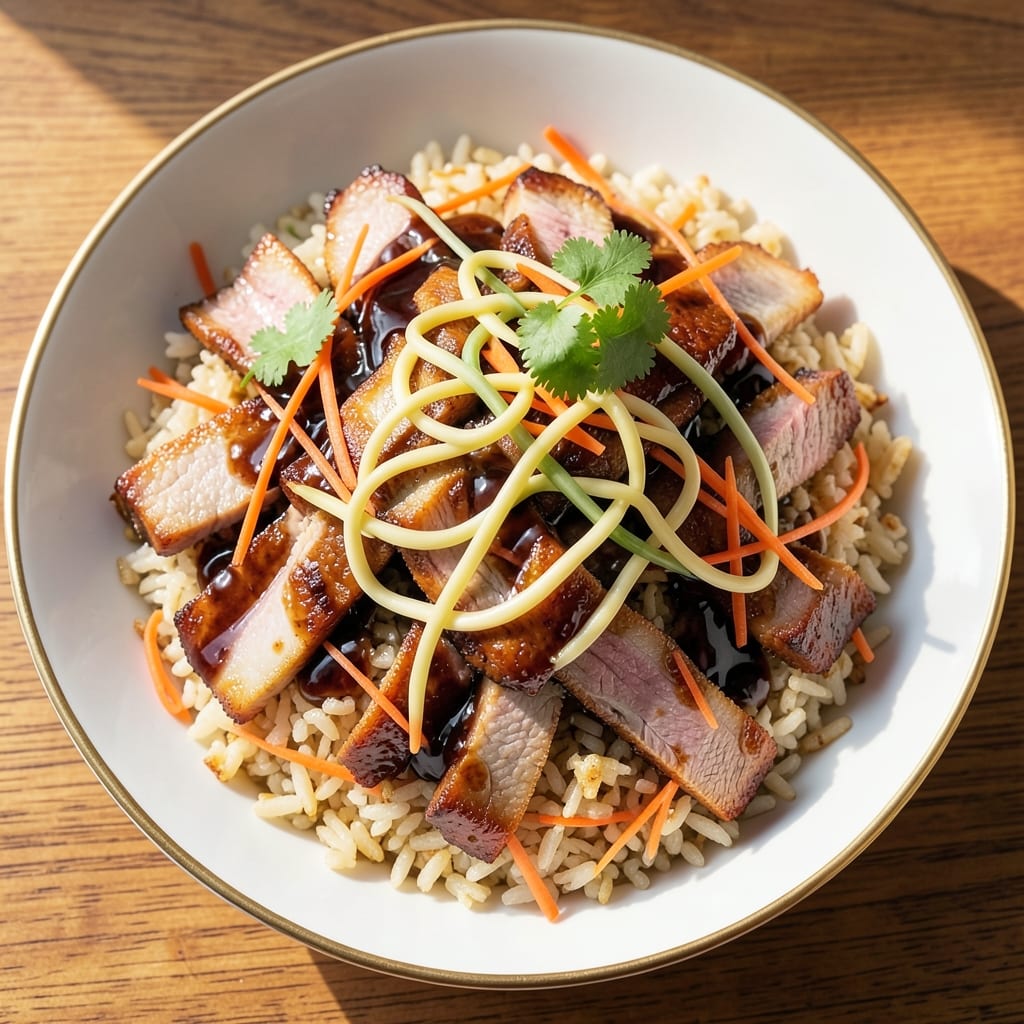
This authentic Chinese pork fried rice delivers restaurant-quality wok hei—smoky, aromatic flavor and perfectly textured grains. The secret lies in high-heat stir-frying, day-old rice, and proper protein prep to create that signature balance of tender pork and crisp edges. I've refined this technique through years of testing to ensure every bite captures the essence of street-side Chinese kitchens.
The foundation starts with properly cooked pork—thinly sliced, marinated in soy sauce and Shaoxing wine, then quickly seared to maintain tenderness. Day-old rice (or freshly cooked and cooled) is the key to achieving that distinct chewy-yet-separate texture. We'll use a combination of traditional stir-frying methods and modern kitchen shortcuts to create authentic flavor without requiring specialized equipment.
What you'll achieve is a vibrant, flavorful dish with perfect grain texture—separate yet cohesive, with each bite offering a balance of smoky wok hei, savory pork, and aromatic vegetables. The dish comes together in under 30 minutes once you have your ingredients prepped, making it ideal for both weeknight dinners and special occasions.
Serve this authentic Chinese pork fried rice with a side of steamed greens or a simple cucumber salad to complement its bold flavors. The dish keeps well for up to two days in the refrigerator, making it perfect for meal prep. Let's create this restaurant-quality dish at home!
Ingredients for authentic chinese pork fried rice
Restaurant-quality wok hei starts with these precise ingredients—day-old rice, tender pork, and aromatic aromatics.
| Ingredient | Amount | Notes |
|---|---|---|
| Day-Old Jasmine Rice 🍚 | 4 cups | Cooked and cooled completely |
| Boneless Pork Shoulder 🥩 | 1 lb | Thinly sliced against grain |
| Large Eggs 🥚 | 3 whole | Freshly beaten |
| Green Onions 🧅 | 1 bunch | Whole and chopped |
| Carrots 🥕 | 2 medium | Julienned into matchsticks |
| Shaoxing Wine 🍷 | 2 tbsp | For authentic marinade |
| Light Soy Sauce 🧂 | 3 tbsp | For pork marinade |
| Dark Soy Sauce 🧂 | 1 tbsp | For color and depth |
| Oyster Sauce 🍲 | 2 tbsp | High-quality preferred |
| Sesame Oil 🫒 | 1 tbsp | Toasted for aroma |
| Garlic Cloves 🧄 | 6 cloves | Minced finely |
| Fresh Ginger 🌿 | 1 inch | Peeled and grated |
| Vegetable Oil 🫒 | ½ cup | High smoke point |
| Salt 🧂 | 1 tsp | Kosher preferred |
| White Pepper 🌶️ | ½ tsp | Freshly ground |
The pork shoulder is non-negotiable for authentic texture—look for well-marbled cuts at Whole Foods or your local Asian market. Thinly slice it against the grain (about 1/8-inch thick) for that signature chew. Day-old jasmine rice is essential; freshly cooked rice turns mushy. If you must use fresh, spread it on a tray to cool completely. For Shaoxing wine, Trader Joe's carries a decent bottle—it’s sweeter than dry cooking wine. The oyster sauce? Lee Kum Kee is the gold standard, but any brand with no added sugar works.
No Shaoxing wine? Dry sherry at half the amount works in a pinch. Fresh ginger and garlic? Pre-minced from the store is fine here—no need to fuss. Swapping carrots? Peas or bell peppers add color, but keep the julienne shape for texture. The eggs should be room temperature for even cooking. For extra wok hei, add a dash of MSG (it’s not required but enhances umami). And if you’re feeling bold, toast the sesame oil in the wok first—that nutty aroma is pure magic.
This dish reheats beautifully—microwave with a splash of water to restore moisture. Keeps for 2 days in the fridge, 3 months frozen. Double the batch and freeze portions for lazy weeknights. The pork marinade (soy sauce + Shaoxing wine) can be prepped a day ahead—it deepens the flavor. Store cooked rice in an airtight container with a paper towel on top to prevent sogginess.
Why You'll Love This Recipe
- Uses Day-Old Rice: I swear by this trick—leftover jasmine rice is the secret weapon. The grains stay separate, soaking up all that savory pork and egg without turning mushy. (Yes, even the rice you forgot about last night works.)
- One-Pan Magic: Between us, this is the kind of dish where you chop once, stir-fry twice, and call it a day. Pork shoulder gets tender in the wok, eggs scramble into perfect ribbons, and the carrots? They caramelize just enough to add that sweet crunch. One pan, zero stress.
- Budget Feast: Pork shoulder is cheap, eggs stretch the filling factor, and you’re using up rice instead of buying new. I’ve fed four people for under $10 with this—plus, the leftovers taste even better the next day. (My wallet thanks me.)
- Crowd-Pleaser Always: Honestly, it’s the dish that makes people ask, “What’s in it?” The pork stays juicy, the eggs add richness, and the green onions brighten it up. Bring it to potlucks, pack it for lunch, or serve it with chopsticks—it works everywhere. No complaints, ever.
Step-by-step instructions for authentic Chinese pork fried rice
Here's how to achieve that signature wok-heat and perfect grain texture—every bite packed with umami and texture.
Prepare the Pork Marinade and Slice Thinly
Cut the 1 lb boneless pork shoulder into ¼-inch thick slices, working against the grain for maximum tenderness. In a bowl, combine the 2 tbsp Shaoxing wine, 3 tbsp light soy sauce, 1 tbsp dark soy sauce, 2 tbsp oyster sauce, 6 cloves minced garlic, 1 inch grated ginger, 0.5 tsp white pepper, and 1 tsp salt. Add the pork slices and marinate for at least 30 minutes (or up to 2 hours for deeper flavor).
This marinade creates the perfect balance of sweet, salty, and aromatic notes that define authentic pork fried rice. The Shaoxing wine adds complexity, while the dark soy sauce gives that signature dark color. Let the pork sit at room temperature for 15 minutes before cooking to ensure even searing.
Prep the Vegetables and Eggs
Julienne the 2 medium carrots into ¼-inch matchsticks and chop the 1 bunch green onions into 1-inch pieces, separating the whites and greens. Beat the 3 whole large eggs in a bowl until just combined—no need to overmix, just enough to blend the yolks and whites evenly.
Keep the julienned carrots and chopped green onions separate for now. The carrots will soften quickly in the wok, while the green onions add freshness at the end. The eggs should be beaten but still slightly thick—this prevents them from turning rubbery during cooking.
Sear the Pork and Set Aside
Heat a wok or large skillet over high heat until smoking, then add ½ cup vegetable oil. Once the oil shimmers (350°F), add the marinated pork in a single layer. Let it sear undisturbed for 1-2 minutes until the edges turn golden brown. Stir-fry for another 2-3 minutes until fully cooked through but still slightly pink in the center. Remove the pork and set aside.
Don't overcrowd the wok—this ensures a proper sear. If the pork releases easily from the pan, it's ready. The residual heat will finish cooking it as you assemble the dish. Keep the pork warm by tenting with foil while you prepare the rest.
Cook the Eggs and Vegetables
In the same wok (no need to wipe it clean—the fond adds flavor), reduce heat to medium-high and add a thin layer of oil if needed. Pour in the beaten eggs and let them set for 10 seconds before gently scrambling with a spatula until just cooked through. Remove the eggs and set aside with the pork.
Add the julienned carrots and cook for 1-2 minutes until they begin to soften but still retain some bite. Push the carrots to one side of the wok and add the white parts of the green onions. Stir-fry for 30 seconds until fragrant. This step builds layers of flavor—carrots for sweetness, onions for sharpness.
Assemble and Stir-Fry the Fried Rice
Return the wok to high heat and add the 4 cups day-old jasmine rice, breaking up any clumps with your spatula. Stir-fry for 1-2 minutes until the rice is heated through and begins to sizzle. Drizzle in the 1 tbsp sesame oil and toss to coat evenly.
Add the cooked pork and eggs back to the wok, along with the green onion greens. Stir-fry for another 1-2 minutes until everything is well combined and the rice is evenly coated with the aromatic oils. Taste and adjust seasoning with a splash of light soy sauce if needed—this dish should be savory with a hint of sweetness.
Finish with Wok-Heat and Serve Immediately
Transfer the fried rice to a serving platter and garnish with additional green onion greens. Serve immediately while still sizzling—this is where the magic happens. The residual heat from the wok ensures every bite delivers that signature wok-heat and perfect grain texture.
For the most authentic experience, serve with a side of steamed bok choy or a simple cucumber salad. The contrast of cool, crisp vegetables balances the rich, savory fried rice. Leftovers? Reheat in a dry skillet over medium heat to restore that wok-heat crunch.
Pro Tips For Making Authentic Chinese Pork Fried Rice
- CRISP THE PORK FIRST: Thinly slice the pork shoulder before cooking—about 1/8-inch thick—and sear it in a hot wok with a splash of Shaoxing wine until it’s just done, not rubbery. Overcooking turns it chewy, and undercooking means you’ll regret it later. (Yes, even if you’re impatient like me.)
- USE COLD DRY RICE: Spread the day-old rice on a tray and let it sit uncovered for 10 minutes before stirring it into the wok. Cold, dry grains crisp up faster and soak up less oil—no more mushy, gluey rice. I learned this the hard way after making a batch that resembled porridge.
- STIR-FRY EGGS FAST: Crack the eggs into a preheated bowl, scramble them with a fork, then slide the whole mass into the wok undisturbed for 10 seconds. Scrambling them in the wok first makes them rubbery. This keeps them tender and custardy—just like takeout.
- SAVE TIME WITH PREP: Dice the carrots tiny—1/4-inch cubes—and slice the green onions into 1-inch chunks before cooking. Prepping everything while the pork rests cuts the total time by half. (Your future self will thank you.)
Make-ahead tips for this recipe
Marinade Prep Ahead
Combine the pork marinade ingredients—2 tbsp Shaoxing wine, 3 tbsp light soy sauce, 1 tbsp dark soy sauce, 2 tbsp oyster sauce, 6 cloves minced garlic, 1 inch grated ginger, 0.5 tsp white pepper, and 1 tsp salt—up to 2 days ahead in an airtight container. This gives the pork deeper flavor and lets the aromatics meld. Store in the fridge until ready to use. 🍶
Rice Prep Shortcut
Cook 4 cups jasmine rice and spread it on a baking sheet to cool completely—this mimics day-old texture. For extra convenience, refrigerate overnight in an airtight container with a paper towel on top to absorb excess moisture. This prevents soggy rice when reheating later. ❄️
Pork Slicing Hack
Freeze the 1 lb pork shoulder for 30 minutes before slicing—it becomes firmer and easier to cut into ¼-inch thick slices against the grain. Store the sliced pork in the marinade in the fridge for up to 24 hours before cooking. This step ensures tender, even slices every time. 🥩
Egg Mix Prep
Beat the 3 eggs with 1 tsp salt and 1 tbsp light soy sauce ahead of time, then store in a sealed container in the fridge for up to 1 day. Bring to room temperature before cooking for perfect, fluffy scrambled eggs. This prepped mix saves time during the final stir-fry stage. 🥚
Vegetable Prep Station
Julienne the 2 carrots and chop the 1 bunch green onions (separate whites and greens) up to 3 days ahead. Store in separate airtight containers in the fridge. The carrots will keep their color better when stored this way. This organization makes assembly during the stir-fry much smoother. 🥕
Flavor Boost Freezer Tip
Toast 1 tbsp sesame oil in a small saucepan over low heat, then cool and store in a freezer-safe jar for up to 6 months. Use this pre-toasted oil directly in the wok for maximum aroma. This concentrated flavor shortcut elevates every batch without extra effort. 💫
Nutrition facts
Frequently asked questions
Why does authentic pork fried rice need day-old rice?
Day-old rice has a slightly drier, firmer texture that holds up better to stir-frying. Fresh rice releases too much moisture, turning the fried rice mushy. If you only have fresh rice, spread it on a tray and refrigerate for at least 2 hours to mimic day-old texture. This key step is what gives authentic Chinese fried rice its signature bite!
Can I substitute pork with chicken or shrimp?
Yes, but the texture and flavor will differ. Chicken should be diced ½-inch cubes and marinated similarly, while shrimp should be peeled and deveined. For shrimp, add them 1 minute before serving to prevent overcooking. Chicken works well but lacks pork's rich, fatty depth that makes this dish special.
What's the secret to getting that smoky wok-heat flavor?
The "wok hei" comes from cooking at high heat and using a well-seasoned wok or heavy skillet. Let your pan get smoking hot before adding oil, and work quickly to build heat through friction. A carbon steel wok is ideal, but cast iron works too. If your pan isn't smoking, you're not hot enough!
How do I adjust the spice level for kids or sensitive eaters?
Skip the white pepper and reduce the soy sauce by 1 tbsp. For extra mildness, add 1 tsp sugar to balance the saltiness. Kids often love the texture but find the savory flavors too strong. Serve with a side of sweet chili sauce or honey for dipping to complement the mild rice.
Can I make this dish in a regular skillet instead of a wok?
While a wok gives the best wok hei, a 12-inch cast iron skillet works perfectly. Use high heat and work in batches if needed—don't overcrowd. The key is maintaining that high temperature throughout cooking. For extra flavor, add ½ tsp MSG (optional) when tossing the rice.