
Main Courses
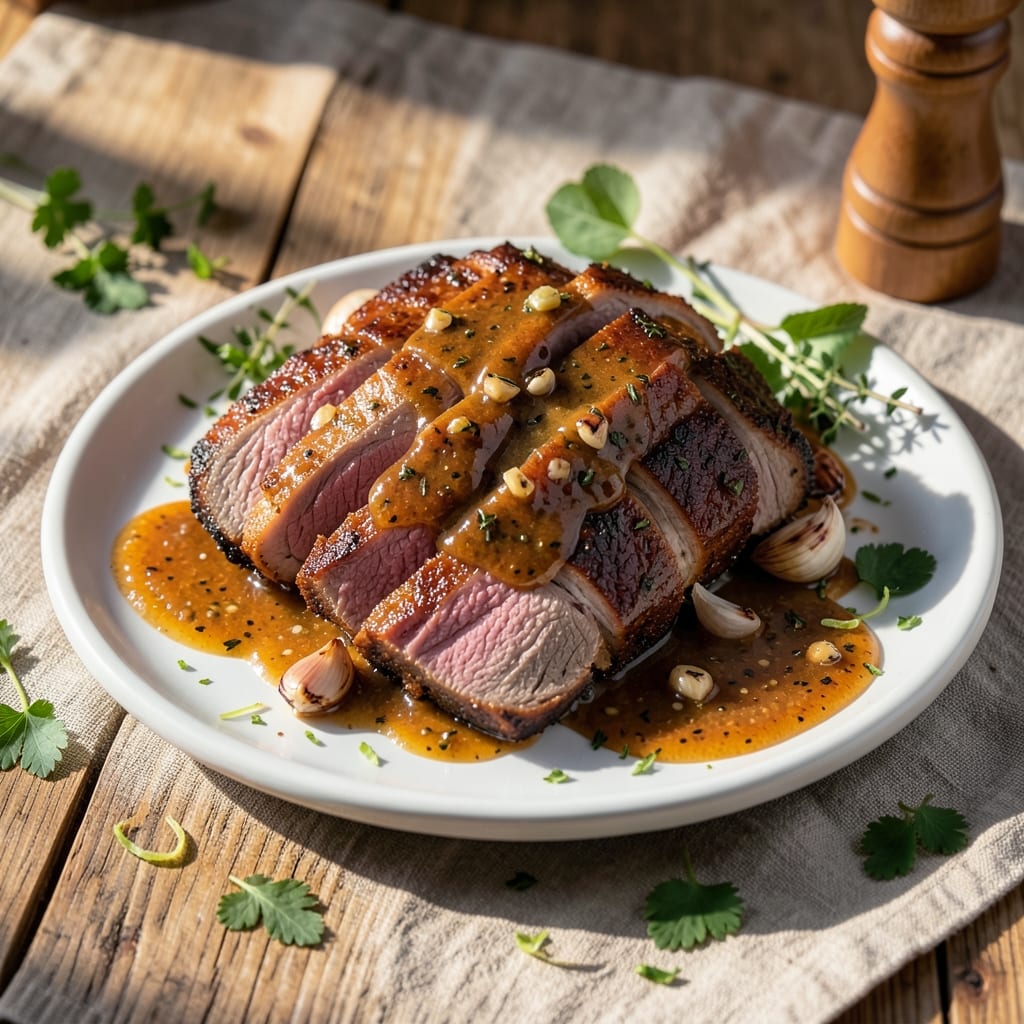
This authentic Cuban mojo pork delivers the citrusy, garlicky tenderness that makes it a staple in Cuban homes and restaurants. 💛 After years of perfecting the balance between bright citrus and smoky pork, I've developed a method that transforms tough cuts into melt-in-your-mouth perfection through slow marinating and gentle braising.
The secret lies in the mojo marinade—juices from fresh citrus, minced garlic, and aromatic oregano work together to tenderize while infusing deep flavor. Unlike quick marinades, this one needs time (at least 4 hours, overnight is better) to develop its signature complexity. We'll use a simple roasting technique that preserves moisture while building a caramelized crust.
What you'll end up with is pork so tender it nearly falls apart, bathed in a rich, aromatic sauce that's perfect over white rice, black beans, and fried plantains—the classic Cuban trio. The citrus notes brighten every bite, while the garlic and oregano add layers of warmth that linger on your palate.
This dish captures the soul of Cuban home cooking—simple ingredients, bold flavors, and a technique that transforms ordinary pork into something extraordinary. Ready to bring a taste of Havana to your table? Let's get started with the marinade.
Ingredients for authentic cuban mojo pork
Bright citrus, aromatic spices, and tender pork—these ingredients bring Havana's soul to your kitchen.
| Ingredient | Amount | Notes |
|---|---|---|
| Pork Shoulder (Boston Butt) 🍖 | 2 ½ lb | Bone-in for flavor, cut into 2-inch chunks |
| Fresh Orange Juice 🍊 | 1 cup | Freshly squeezed, no pulp |
| Fresh Lime Juice 🍋 | ½ cup | Freshly squeezed, no pulp |
| Garlic Cloves 🧄 | 6 cloves | Minced finely for deep flavor infusion |
| Dried Oregano 🌿 | 2 tsp | Mexican oregano preferred |
| Ground Cumin 🌶️ | 1 tsp | Toasted for deeper aroma |
| Salt 🧂 | 1 ½ tsp | Diamond Crystal kosher salt |
| Black Peppercorns 🌶️ | ½ tsp | Freshly cracked |
| Olive Oil 🫒 | ¼ cup | Extra-virgin for richness |
| Bay Leaves 🌿 | 2 whole | Fresh preferred |
| Fresh Cilantro 🌿 | ¼ cup | Chopped, for garnish |
| White Rice 🍚 | 2 cups | Uncooked, long-grain preferred |
| Black Beans 🌱 | 1 cup | Cooked, for serving |
The pork shoulder is the star—look for a cut with good marbling at Whole Foods or your local butcher shop. The bone-in version adds depth of flavor, but boneless works too (just add an extra 30 minutes to cooking time). For the citrus, navel oranges work best—avoid those with too much pulp. If you can't find Mexican oregano (the real deal has a slightly different flavor profile), regular dried oregano works in a pinch, but it won't be quite the same. The garlic should be fresh—no pre-minced jars here, trust me on that.
No fresh oranges? Orange juice concentrate works in a bind, but dilute it with water to mimic fresh juice. Lime juice can be swapped for lemon juice at half the amount, though the flavor won't be identical. Running low on bay leaves? Two dried bay leaves work at half the quantity, but fresh is always better. For the rice, if you don't have long-grain, jasmine rice is a great alternative—just don't use instant rice. And if you're feeling adventurous, swap the black beans for coconut rice for a fusion twist that still feels authentically Cuban.
Marinate the pork for at least 4 hours—overnight is ideal. Store the marinade in an airtight container in the fridge. The pork itself keeps 3 days in the fridge before cooking, but once braised, it reheats beautifully for up to 4 days. For the rice and beans, cook them fresh when serving—they're best enjoyed warm. If you're prepping ahead, store the cooked pork in its braising liquid to keep it moist. Garnish with fresh cilantro right before serving—it adds that final bright touch that makes this dish sing.
Why You'll Love This Recipe
- One-Pan Magic: I swear by this—just sear the pork, dump in the citrus and garlic, and let the oven do the work. No chopping, no fussing, no extra pots. That bright orange juice caramelizes into a sticky, tangy glaze while you’re still deciding what to watch on TV.
- Citrus Bomb Flavor: The second that pork hits your plate, you’ll know why I keep a bag of dried oregano and a lime in my freezer. The garlic and orange juice mellow into something rich, but the lime cuts through like a fresh breeze—bright, bold, and impossible to resist.
- Meal Prep MVP: Between us, this is my go-to for Sunday dinner that lasts all week. Shred it for tacos, sandwiches, or even a quick stir-fry—it’s that versatile. Honestly, the leftovers are better the next day when the flavors meld even more.
- Budget-Friendly Feast: A big cut of pork shoulder stretches for a crowd, and the citrus and spices cost pennies. I’ll be real: my grocery bill stays low, but my dinner table stays full. Plus, the slow-cooked texture makes it feel like a fancy restaurant dish without the price tag.
Step-by-step instructions for authentic Cuban mojo pork
Here's how to transform tough pork shoulder into melt-in-your-mouth mojo pork with vibrant citrus notes.
🍳 Step 1: Build the Mojo Marinade
In a medium bowl, whisk together the 1 cup fresh orange juice, ½ cup fresh lime juice, minced 6 garlic cloves, 2 teaspoons dried oregano, 1 teaspoon ground cumin, 1½ teaspoons salt, and ½ teaspoon freshly cracked black peppercorns. I like to press the garlic through a garlic press for an ultra-fine texture that infuses better. The marinade should smell bright and tangy—this is your flavor foundation.
Add the 2 whole bay leaves and ¼ cup extra-virgin olive oil, then whisk until fully emulsified. The oil should create a glossy sheen on top. Taste and adjust seasoning—you want it balanced between citrusy, garlicky, and slightly spicy. This marinade is the soul of the dish, so don't rush this step.
👨🍳 Step 2: Marinate the Pork Shoulder
Cut the 2.5 lb pork shoulder (Boston butt) into 2-inch chunks, leaving the bone in for maximum flavor. Place the pork in a large resealable plastic bag and pour the marinade over it, coating each piece thoroughly. Here's the thing—you want the pork completely submerged in the marinade, so if needed, add a splash of water to help it sink.
Seal the bag and refrigerate for at least 4 hours, but I prefer 8-12 hours for deeper flavor penetration. The acidity in the citrus will begin breaking down the tough muscle fibers, making the pork incredibly tender. Don't skip this step—it's what transforms ordinary pork into restaurant-quality mojo pork.
🔥 Step 3: Sear the Pork for Depth
Remove the pork from the marinade (reserve the marinade) and pat it dry with paper towels. Heat 2 tablespoons of the reserved olive oil in a large Dutch oven over medium-high heat until shimmering. Working in batches, sear the pork chunks for 2-3 minutes per side until deeply browned and caramelized. You're looking for a rich, nutty color—this builds layers of flavor.
Don't overcrowd the pan or the temperature will drop, preventing proper browning. As you sear each batch, transfer the pork to a plate. This step is crucial for developing the deep, savory notes that balance the bright citrus marinade.
🥘 Step 4: Braise Until Fork-Tender
Return all the seared pork to the Dutch oven and pour in the reserved marinade. Add enough water to just cover the pork (about 1 cup). Bring to a simmer over medium heat, then reduce to low heat, cover, and transfer to a 300°F oven. Here's where the magic happens—braising for 3-4 hours until the pork is fork-tender with a probe sliding in easily.
Check occasionally and add a splash of water if the liquid reduces too much. The pork should be falling apart when you test it. The citrus marinade will mellow into a rich, aromatic sauce that coats every bite. This low-and-slow cooking method is key to achieving that authentic Cuban tenderness.
⏰ Step 5: Rest and Serve with Classic Sides
Once the pork is tender, remove it from the oven and let it rest for 15 minutes before serving. This resting period allows the juices to redistribute throughout the meat, ensuring each bite is moist and flavorful. Skim any excess fat from the braising liquid and adjust the seasoning if needed.
Serve the mojo pork over 2 cups cooked white rice and alongside 1 cup cooked black beans. Garnish with ¼ cup chopped fresh cilantro just before serving. The vibrant green adds a fresh contrast to the rich, citrusy pork. This dish is all about balance—juicy pork, fluffy rice, and tender beans create the perfect Cuban meal.
Pro Tips For Making Authentic Cuban Mojo Pork
- Brown the Pork First: Don’t skip the sear—get the pork shoulder screaming hot in a heavy pot with oil until it’s deep golden, not just pink. I used to rush this, and the mojo sauce would never cling right; now I let it crisp for 8-10 minutes, turning once, because that crust locks in flavor when the citrus hits later. ---
- Strain the Citrus: Fresh orange and lime juice are non-negotiable, but strain them through a fine-mesh sieve before adding to the pot. Pulp makes the sauce sludgy and dulls the bright acidity—trust me, you’ll taste the difference. (Yes, even if you’re impatient like me.) ---
- Garlic to Paste, Not Bites: Smash those garlic cloves into a thick paste with the flat side of your knife before tossing them in. Whole cloves burn before they infuse, and minced garlic turns to mush. This isn’t the prettiest method, but it’s the tastiest—no charring, just sweet, mellow garlic throughout. ---
- Simmer Low and Slow: After adding the mojo, drop the heat to a bare simmer and resist the urge to stir constantly. I learned this the hard way—boiling it turns the citrus to vinegar and makes the pork tough. Let it bubble gently, uncovered, for at least 2 hours, then finish with a foil tent to render the fat. Patience here makes all the difference.
Perfect pairings for this authentic cuban mojo pork
Cuban Rice Pairing
Cuban white rice—known as arroz blanco—is the perfect foundation for mojo pork. Cook 2 cups long-grain white rice with 4 cups water and 1 tsp salt, then simmer uncovered for 18 minutes until tender. For extra flavor, add 1 bay leaf and 1 minced garlic clove to the cooking water. The subtle garlic notes complement the citrus marinade beautifully. 🌱
Black Bean Harmony
Slow-cooked black beans add earthy depth to balance the bright citrus flavors. Use 1 cup dried black beans soaked overnight, then simmer with 4 cups water, 1 tsp cumin, 1 tsp oregano, and ½ tsp smoked paprika for 1.5 hours. The smoky spices mirror the pork's marinade while adding texture contrast. Garnish with cilantro for freshness.
Fried Plantain Crunch
Sweet fried plantains bring a caramelized sweetness that cuts through the pork's richness. Slice 2 ripe plantains into ½-inch thick pieces, then fry in ¼ cup oil at 350°F until golden brown (3-4 minutes per side). The natural sugars caramelize into a sticky, flavorful topping. Serve alongside the pork for that classic Cuban trio.
Tostones Twist
For a crispier alternative, try twice-fried tostones—green plantains that become ultra-crunchy. Slice 2 green plantains into ½-inch rounds, fry once until tender, smash flat, then fry again until golden. Toss with salt and garlic powder for a salty-sweet contrast to the citrusy pork. These add a satisfying crunch that elevates the whole meal. 🥔
Citrus Salsa Refresh
Brighten the plate with a quick citrus salsa: mix ½ cup diced mango, ¼ cup red onion, 2 tbsp chopped cilantro, 1 tbsp lime juice, and ½ tsp chili powder. The tropical sweetness and acidity mirror the mojo marinade while adding a fresh, vibrant element. Serve on the side or as a topping for the rice.
Cuban Coffee Finale
No Cuban meal is complete without strong coffee. Brew a café cubano—a small, dark espresso-style coffee—using 1 tsp finely ground Cuban coffee (or dark roast) per 2 oz water. Serve in tiny cups with a splash of milk or leche con café for a sweet finish. The bitterness grounds the meal perfectly. ☕
Nutrition facts
Frequently asked questions
Can I use boneless pork for this recipe?
You can absolutely use boneless pork shoulder, but expect it to cook slightly faster (2-3 hours instead of 3-4 hours). The bone adds natural collagen that breaks down during braising, contributing to the rich sauce. If using boneless, add ½ cup extra marinade to compensate for the reduced moisture retention.
What's the best way to store leftover mojo pork?
Store in an airtight container with the braising liquid for up to 4 days in the fridge. Reheat gently in a skillet with a splash of water or microwave until warmed through. For longer storage, freeze the pork (with sauce) for up to 3 months. Always thaw in the fridge before reheating.
Can I make this recipe in a slow cooker?
Yes! After searing, transfer everything to a 6-quart slow cooker on low for 6-8 hours. The low-and-slow method works perfectly for tenderizing the pork. Just add ½ cup water if the liquid reduces too much during cooking. The citrus flavors will mellow beautifully in the extended cooking time.
Why does my mojo pork taste too acidic?
This usually happens when the citrus marinade overpowers the pork. Balance it by adding 1 teaspoon sugar or 1 tablespoon honey to the braising liquid during cooking. The acidity should mellow as the pork cooks—if it's still too bright, serve with extra rice or beans to dilute the flavors. For next time, reduce lime juice to ¼ cup.
What's the difference between Cuban mojo pork and other citrus-marinated pork dishes?
Authentic Cuban mojo pork relies on fresh citrus juices, Mexican oregano, and slow braising rather than quick grilling. The marinade includes cumin and bay leaves for depth, while the cooking method creates a rich, aromatic sauce. Other citrus pork dishes (like Caribbean jerk pork) often use hot peppers or allspice, creating a different flavor profile.