
Main Courses
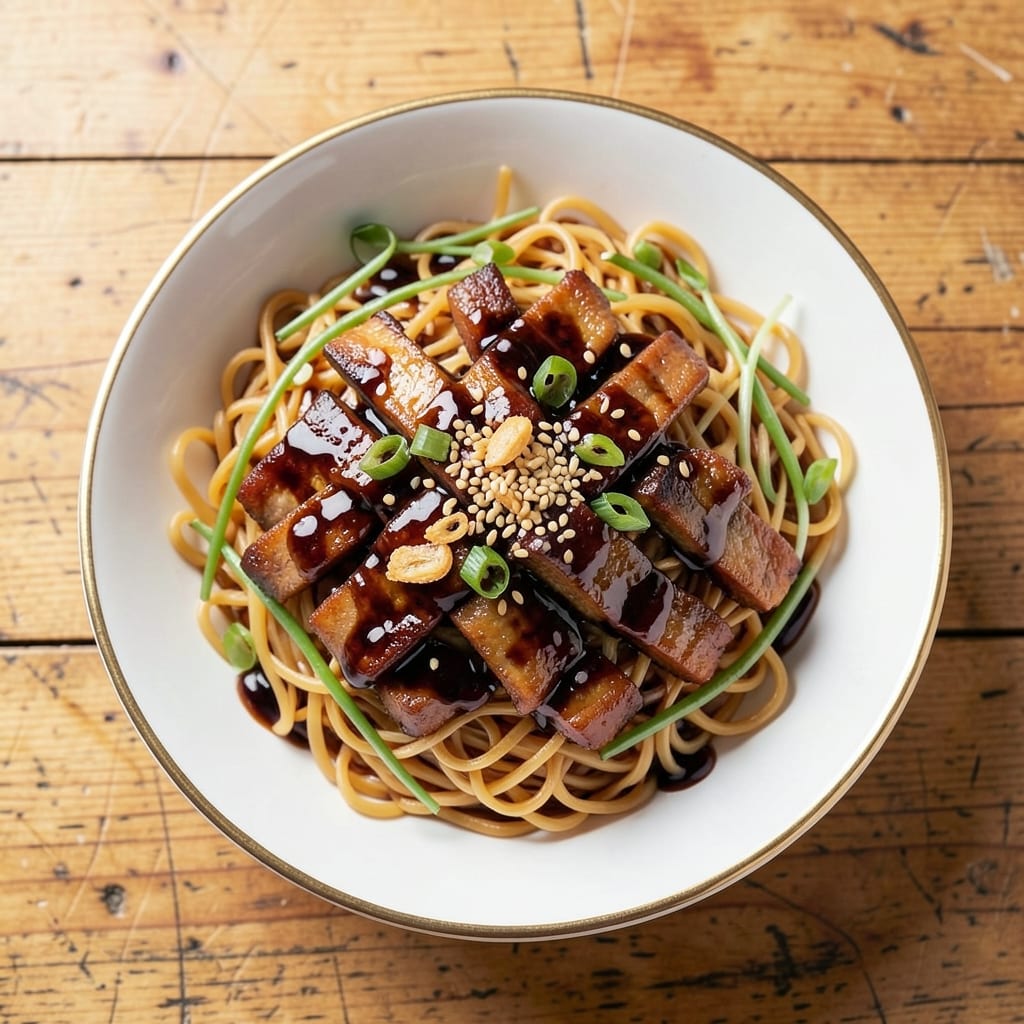
This authentic pork chow mein recipe brings the sizzle of Hong Kong-style street food to your kitchen with crispy wok-fried noodles and tender pork slices. The secret lies in the high-heat stir-fry technique—what we call wok-hei—that creates that signature smoky aroma and perfectly caramelized edges. I've perfected this version after years of testing, ensuring every bite delivers the balance of savory, slightly sweet, and umami flavors that define a true chow mein.
The foundation starts with properly prepped ingredients: thinly sliced pork marinated in light soy sauce, and wide rice noodles that absorb the sauce beautifully. We'll build a classic sauce using dark soy for color, oyster sauce for depth, and a touch of sugar to round out the flavors. The key to crispy noodles? Stir-frying over high heat in a well-heated wok or cast iron skillet—this is where the magic happens.
By the time you're done, you'll have a steaming plate of crispy noodles tossed with tender pork, glistening from the glossy sauce and garnished with fresh scallions. The texture contrast alone—crunchy edges, chewy noodles, and tender meat—makes this dish impossible to resist. This is the kind of restaurant-quality meal that comes together in under 30 minutes.
For an extra authentic touch, serve with pickled vegetables on the side and drizzle with homemade scallion oil. The acidity of the pickles cuts through the richness, while the scallion oil adds another layer of aromatic flavor. Whether you're feeding a family or hosting a dinner party, this pork chow mein will be the star of the meal.
Ingredients for authentic pork chow mein
Pork chow mein starts with crispy pork and chewy noodles—here's what you need for that perfect wok-fried texture.
| Ingredient | Amount | Notes |
|---|---|---|
| Pork Shoulder 🥩 | 1 ½ lb | Thinly sliced, cut against grain |
| Light Soy Sauce 🍶 | ¼ cup | For marinating pork |
| Cornstarch 🌾 | 2 tbsp | For crispy pork coating |
| Wide Rice Noodles 🍜 | 12 oz | Fresh or dried, soaked if dried |
| Dark Soy Sauce 🍶 | 2 tbsp | For sauce color |
| Oyster Sauce 🦪 | 3 tbsp | For umami depth |
| Granulated Sugar 🍚 | 1 tbsp | Balances flavors |
| Garlic Cloves 🧄 | 6 cloves | Minced for sauce |
| Scallions 🧅 | ¼ cup | Sliced for garnish |
| Vegetable Oil 🫒 | ½ cup | High smoke point |
| Sesame Oil 🌱 | 1 tbsp | For finishing aroma |
| Salt 🧂 | ½ tsp | Kosher or sea salt |
| Black Pepper 🌶️ | ¼ tsp | Freshly ground |
| White Pepper 🌶️ | ¼ tsp | For subtle heat |
The pork shoulder is your secret weapon—look for well-marbled cuts at Asian markets or the meat department. Thinly slicing against the grain ensures tender bites, and freezing the slices for 30 minutes makes them even easier to cut. Light soy sauce is key for marinating (the dark stuff is for color later). If you can't find pork shoulder, pork loin works too, but it'll be slightly less flavorful. For the noodles, fresh is ideal, but dried works if soaked 20-30 minutes in warm water—just drain well before cooking.
No oyster sauce? Soy sauce plus a splash of fish sauce gets you close, though it won't be identical. The dark soy sauce is non-negotiable for that signature color—don't skip it. Cornstarch is your crispy pork magic: toss the sliced pork with it after marinating. If you're short on sesame oil, toasted sesame seeds sprinkled at the end add the same nutty aroma. The garlic can be pre-minced from a jar, but freshly minced has way more punch. For extra authenticity, grab La Choy or Lee Kum Kee sauces—they're the gold standard for this dish.
Pork marinates best in the fridge for at least 1 hour, but overnight is ideal. Noodles keep 2 days in the fridge wrapped tightly in plastic—soak again before using. The sauce can be prepped ahead and stored for 1 week in the fridge. For leftovers, reheat gently in a skillet with a splash of water to restore crispiness. Serve with pickled veggies on the side—they cut through the richness perfectly.
Why You'll Love This Recipe
- One-Pan Magic: I swear by this trick—toss the pork shoulder in cornstarch, sear it in a hot pan, then toss everything together. No extra pots, no mess. That dark soy sauce? It caramelizes right there while you stir.
- Umami Bomb: The combo of light and dark soy sauce on those wide rice noodles? It’s like a flavor explosion. The pork stays juicy, the noodles soak up that savory goodness, and honestly? I can’t stop going back for seconds.
- Lunchbox Hero: Between us, this is my go-to for meal prep. Cook a big batch, portion it into containers, and reheat it—still crispy, still packed with flavor. My kids grab it for school, and my husband sneaks it for lunch. (Yes, even on a Tuesday night.)
- Budget Powerhouse: Pork shoulder is cheap but delivers big. A single cut feeds four, and the noodles stretch further than you’d think. I’ll be real: this recipe saved my grocery budget more times than I can count. Plus, leftovers taste just as good the next day.
Step-by-step instructions for authentic pork chow mein
Here's how to make restaurant-quality chow mein with perfectly crispy pork and chewy noodles.
Prepare the Pork for Maximum Crispiness
Start by slicing the 1.5 lb pork shoulder thinly against the grain into ¼-inch thick strips. I like to cut them into 2-inch long pieces for even cooking. Place the sliced pork in a bowl and add 0.25 cup light soy sauce, 2 tbsp cornstarch, 0.5 tsp salt, 0.25 tsp black pepper, and 0.25 tsp white pepper. Mix well until every piece is fully coated and the cornstarch adheres to the surface.
Let the pork marinate for at least 30 minutes in the refrigerator. This step is crucial for two reasons: first, the cornstarch creates a crispy crust when cooked, and second, the soy sauce tenderizes the meat while adding deep umami flavor. Don't skip this waiting time—it makes all the difference in texture.
Soak and Prepare the Wide Rice Noodles
While the pork marinates, prepare the 12 oz wide rice noodles according to package instructions if using dried. Most dried noodles require soaking in warm water for 15-20 minutes until pliable but not mushy. If using fresh noodles, simply rinse them under cold water to remove excess starch.
Drain the noodles and toss them with 1 tbsp sesame oil to prevent sticking. Keep them covered with a damp towel until ready to use. The noodles should be tender but still hold their shape—over-soaking makes them gummy, which ruins the texture of chow mein. This is where many home cooks go wrong, so pay attention to the timing.
Cook the Pork Until Crispy and Golden
Heat 0.5 cup vegetable oil in a wok or large skillet over medium-high heat until shimmering. Add the marinated pork in a single layer and let it cook undisturbed for 2-3 minutes until the edges turn golden brown. Here's the thing—don't touch it during this initial cooking time. You're building that perfect crispy crust.
Once the pork is golden on one side, stir gently and cook for another 2-3 minutes until all pieces are evenly browned and cooked through. The pork should be crispy on the outside but still tender inside. Remove the pork from the wok and set it aside on a plate. If you're worried about the pork drying out, don't be—this quick cooking method preserves all the juices while creating that satisfying crunch.
Create the Savory Sauce Base
In the same wok, reduce the heat to medium and add 6 minced garlic cloves. Sauté for 30 seconds until fragrant—you'll smell that wonderful garlic aroma filling your kitchen. Add 2 tbsp dark soy sauce, 3 tbsp oyster sauce, and 1 tbsp granulated sugar. Stir constantly for 1-2 minutes until the sauce thickens slightly and coats the bottom of the wok.
This is where the magic happens—the dark soy sauce gives that beautiful mahogany color we all love in chow mein, while the oyster sauce adds that rich umami depth. The sugar balances the flavors and helps caramelize the sauce slightly. If you taste it now, you'll notice it's already delicious, but we're not done yet.
Combine Everything for the Perfect Chow Mein
Return the crispy pork to the wok and add the prepared wide rice noodles. Toss everything together vigorously for 2-3 minutes until the noodles are heated through and coated with the sauce. The noodles should be hot but still maintain their chewy texture—this is the ideal consistency for chow mein.
Finish by drizzling with 0.25 cup sliced scallions and tossing once more to distribute evenly. The scallions add a fresh, bright note that cuts through the richness of the pork and sauce. Serve immediately while everything is hot and crispy. The aroma alone will make your kitchen smell like a bustling Chinese restaurant.
Pro Tips For Making Authentic Pork Chow Mein
- Veloute the Pork: After browning the pork shoulder, simmer it in a splash of water or broth until the fond lifts easily—this adds depth. I used to skip this step and wondered why my sauce tasted flat. Just 3-4 minutes makes a real difference. ---
- Prep Noodles Right: Soak wide rice noodles in warm water (not boiling) for 10-15 minutes until pliable but still slightly firm—over-soaking turns them mushy. My grandmother swore by this, and she was right: they hold up better when stir-fried. ---
- Cornstarch Slurry Timing: Mix cornstarch with cold water (1:1 ratio) before adding it to the sauce—this prevents clumping. I learned this the hard way after scraping lumps out of my chow mein. Stir in when the pork is nearly done for a glossy finish. ---
- Balance the Soy Sauces: Use light soy sauce for flavor, dark soy sauce for color—about 1 tablespoon each—but taste as you go. Too much dark soy sauce makes the noodles bitter; too little light soy sauce leaves them bland. Adjust in ½-teaspoon increments.
Wine and beer pairings for this dish
Crisp White Wine
For pork chow mein, I reach for a dry Riesling from Germany or a Sauvignon Blanc from New Zealand. The crisp acidity and subtle citrus notes cut through the dish's richness while complementing the umami from the oyster sauce. A chilled glass (around 45-50°F) enhances the experience by refreshing your palate between bites. 🍷
Light Beer Pairings
A Pilsner or Helles Lager works beautifully with this dish. The clean, slightly malty profile of a German Pilsner like Warsteiner or a Belgian Witbier such as Hoegaarden balances the savory-sweet flavors. The effervescence also helps cleanse your palate, making each bite of crispy pork and noodles taste fresh. 🍺
Bold Red Option
If you prefer red wine, go for a light-bodied Pinot Noir with bright acidity. Look for one from Oregon or New Zealand—these regions produce wines with enough fruitiness to stand up to the dish without overpowering it. A chilled Pinot Noir (yes, chilled!) at 55°F highlights its red berry notes and pairs perfectly with the pork's caramelized crust. 🍇
Asian-Inspired Sake
For something truly authentic, serve dry Junmai sake at room temperature. The nutty, slightly sweet profile of a Japanese sake like Dassai or Hakkaisan mirrors the dish's umami depth while adding an elegant touch. The delicate aroma also enhances the wok-hei (breath of the wok) aroma from your chow mein. 🍶
Non-Alcoholic Sparkler
Don't drink alcohol? A sparkling green tea like San Pellegrino Limon or a ginger beer with a squeeze of lime works wonders. The bubbles and citrus notes mimic the refreshing quality of wine or beer while keeping the dish's flavors shining. Serve it ice-cold for the best experience. ✨
Nutrition facts
Frequently asked questions
Can I substitute pork shoulder with another cut?
Yes! For best results, use pork loin or pork tenderloin—both slice thinly and stay tender. If using loin, trim excess fat first. For extra flavor, marinate longer (up to 4 hours). Avoid fatty cuts like ribs, as they won't crisp up properly.
Why are my noodles mushy instead of chewy?
Over-soaking is the #1 culprit! Dried noodles should be pliable but firm—soak for 15-20 minutes max in warm water. For fresh noodles, rinse briefly under cold water only. Pro tip: Toss cooked noodles with 1 tsp sesame oil right after draining to lock in texture.
How do I get that restaurant-style "wok hei" aroma?
Crank your heat to maximum and use a well-seasoned wok or cast iron. Add 1 tsp sugar + 1 tsp cornstarch to the oil before cooking—this creates a smoky, caramelized crust. Stir-fry in batches if needed to avoid crowding, and work quickly for that signature smoky aroma.
Can I make this vegetarian?
Swap pork for extra-firm tofu (pressed, cubed, and pan-fried until crispy) or shiitake mushrooms (sliced and seared). Boost umami with 1 tbsp mushroom powder or 1 tsp fish sauce in the sauce. For texture, add crispy fried shallots as a garnish.
How long will leftovers keep?
Store in an airtight container for 3-4 days in the fridge. Reheat gently in a skillet with 1 tsp water to restore crispiness. For freezing, portion before combining with sauce—freeze pork and noodles separately for up to 2 months. Thaw overnight in the fridge before reheating.