
Main Courses
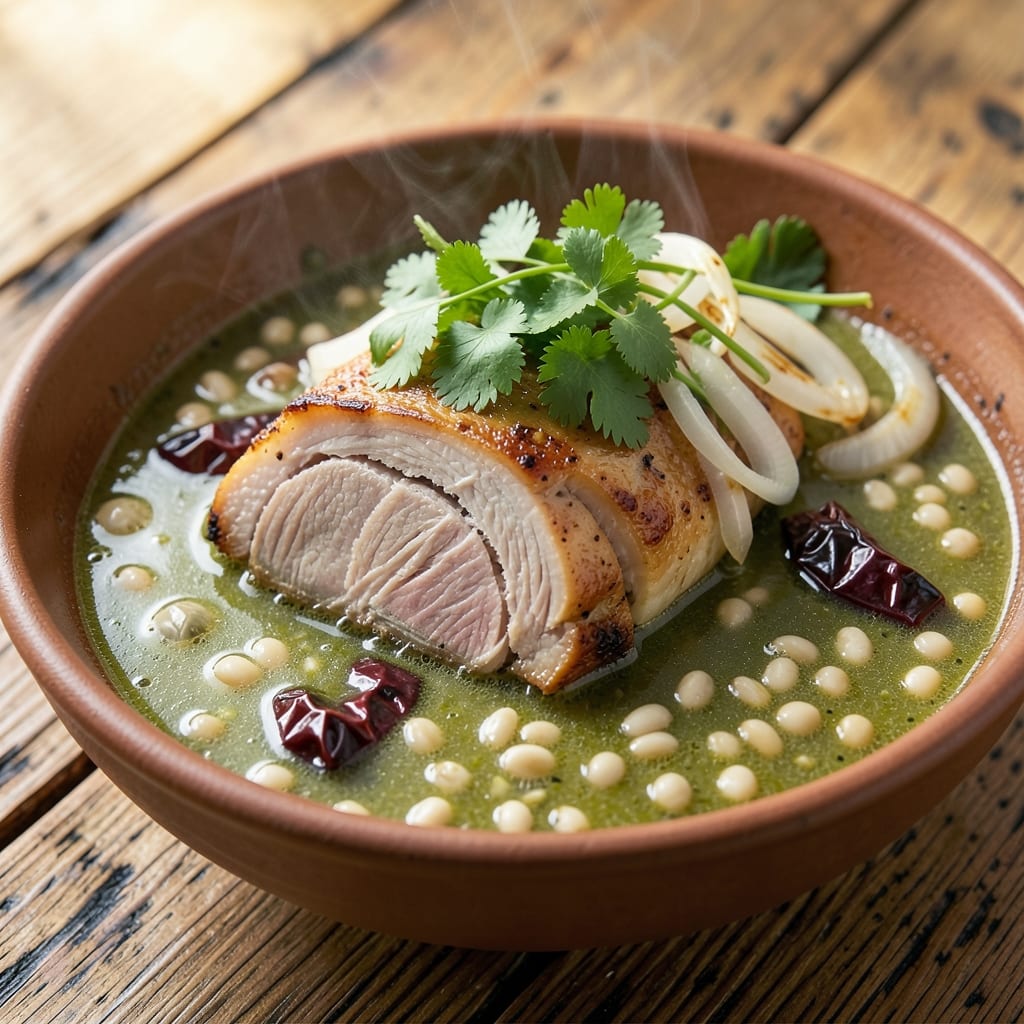
This authentic pork pozole verde brings the soul of Mexican tradition to your kitchen table—where tender pork, earthy hominy, and herbaceous tomato broth come together in perfect harmony. I've spent years perfecting this recipe after mastering whole-hog techniques in Charleston, ensuring every element delivers that restaurant-quality depth. The secret lies in slow-cooked pork shoulders and a broth infused with tomatillos and cilantro, creating a balance of tangy and savory that's impossible to resist.
What sets this pozole apart is the homemade tortilla strips—crispy, aromatic, and essential for that authentic texture. We'll build the broth from scratch, using fresh tomatillos and dried chiles to create a vibrant green sauce that's both complex and approachable. The pork cooks until it practically melts in your mouth, while the hominy adds that signature hearty texture that makes pozole so satisfying.
By the time you serve this dish, your kitchen will smell like a Mexican fiesta, and your guests will be transported straight to a family gathering. The presentation is just as important: a steaming bowl of tender pork, hominy, and broth topped with crispy tortilla strips, fresh herbs, and a squeeze of lime. It's a dish that tells a story—one of tradition, care, and the kind of flavors that linger long after the last bite.
Perfect for celebrations, family dinners, or when you want to impress with a dish that feels both special and deeply comforting. Let's get started on creating this authentic, homemade masterpiece that captures the heart of Mexican cuisine.
Ingredients for authentic pork pozole verde
Sixteen ingredients transform into a fragrant, tradition-rich pork pozole verde that tastes like Mexican fiesta magic.
| Ingredient | Amount | Notes |
|---|---|---|
| Pork Shoulder 🐖 | 4 lb | Bone-in for flavor, cut into 2-inch chunks |
| Dried Hominy 🌽 | 1 lb | Soaked overnight, rinsed well |
| Fresh Tomatillos 🍅 | 2 lb | Husk removed, quartered, green and firm |
| Dried Guajillo Chiles 🌶️ | 4 whole | Stems/seeds removed, toasted lightly |
| Fresh Cilantro 🌿 | 1 cup | Stems included, chopped finely |
| White Onions 🧅 | 2 whole | Quartered, skins on for color |
| Garlic Cloves 🧄 | 6 cloves | Peeled, lightly toasted |
| Fresh Limes 🍋 | 4 whole | Juiced, plus wedges for serving |
| Flour Tortillas 🍞 | 6 whole | Corn or flour, 8-inch size |
| Vegetable Oil 🫒 | 2 tbsp | For frying tortilla strips |
| Salt 🧂 | 2 tbsp | Diamond Crystal preferred |
| Ground Cumin 🌿 | 1 tbsp | Toasted for depth |
| Bay Leaves 🍃 | 2 whole | Fresh preferred |
| Chicken or Vegetable Broth 💧 | 6 cups | Low-sodium preferred |
| Avocado Oil 🫒 | ½ cup | For finishing drizzle |
The pork shoulder is the heart of this dish—look for well-marbled cuts with a rich pink hue. Local butchers or Latin markets often carry the best quality, but any grocery store with a meat counter will have it labeled as 'pork shoulder roast'. For the tomatillos, they should be bright green and firm to the touch—avoid any with brown spots or softness. Mexican grocers or specialty stores usually stock them year-round, but if you can't find them, sub with green tomatoes (though flavor will differ slightly). The dried guajillo chiles are non-negotiable for authentic flavor—Penzeys or Mexican markets carry them in bulk. Toast them lightly in a dry skillet to deepen their flavor before soaking.
No fresh tomatillos? Green tomatoes with a splash of lime juice work in a pinch, though texture won't be identical. Running short on cilantro? Fresh parsley at half the amount gives a similar brightness, though less authentic. The hominy needs proper soaking—8+ hours in water ensures it's tender but still holds its shape. For the tortilla strips, corn tortillas add authentic flavor, but flour works too. If you can't find guajillo chiles, ancho chiles are a good substitute—just adjust the quantity slightly. The broth is where the magic happens—homemade is ideal, but quality low-sodium store-bought works fine.
Pork cooks best low and slow—4-5 hours minimum for tender perfection. Store leftovers in the fridge for up to 4 days, with the broth tasting even better as flavors meld. The tortilla strips stay crispy for 2 days if stored in an airtight container. For serving, keep the tortillas warm in a 200°F oven until ready to fry. The lime juice and avocado oil should be added fresh—never store them in the broth as they'll turn the sauce bitter. This dish reheats beautifully—just add a splash of water or broth to prevent drying out.
Why You'll Love This Recipe
- One-Pot Wonder: I swear by this recipe because it’s all in one pot—no chopping boards full of mess. The pork shoulder falls apart on its own, the hominy soaks up the flavor like a sponge, and the tomatillos and guajillo chiles turn into a tangy, smoky broth with minimal stirring. Honestly? My weeknights thank me for it.
- Tangy Magic: That first bite of the broth—bright from the tomatillos, deep from the guajillo chiles—hits different. The pork shoulder stays juicy while the hominy adds this satisfying chew, and the cilantro? It’s the fresh finish that makes you reach for seconds. I’ll be real: my husband now asks for pozole verde before I even start cooking.
- Leftovers That Shine: This recipe actually improves the next day. The flavors meld into something richer, and reheating it is a breeze—just a splash of water, a quick simmer. Between us, I make a double batch on Sundays because it’s my go-to for lazy lunches or when friends drop by unannounced. No sad, dry leftovers here.
- Budget-Friendly Crowd-Pleaser: Pork shoulder is cheap, hominy lasts forever, and you only need a handful of chiles for a whole pot. It feeds six for under $15, and everyone—even my picky teen—asks for it. Plus, the ingredients are pantry staples, so I’m never scrambling for something extra. My secret weapon for feeding a house without breaking the bank.
Step-by-step instructions for authentic pork pozole verde
Transform simple ingredients into a vibrant, deeply flavorful pozole that captures Mexico's soul.
Prepare the Hominy and Build the Base
Begin by draining the soaked 1 lb dried hominy and reserving it. In a large Dutch oven, heat 0.5 cup avocado oil over medium heat. Add the 2 whole white onions, quartered with skins on, and cook for 8-10 minutes until they soften and begin to caramelize at the edges. This foundational step develops the stew's rich, complex flavor.
Add the 6 lightly toasted garlic cloves and 4 toasted guajillo chiles (previously rehydrated in hot water for 10 minutes), cooking for another 2 minutes until fragrant. The toasted chiles should release their deep, earthy aroma—this is your signal to proceed. Stir in the 1 tablespoon toasted ground cumin and 2 whole bay leaves, letting them bloom for 30 seconds before adding the 6 cups chicken or vegetable broth.
Simmer the Pork and Hominy
Add the 4 lb pork shoulder, cut into 2-inch chunks, to the Dutch oven. Bring everything to a gentle boil, then reduce heat to low and cover partially. Let it simmer for 2 hours, skimming any foam that rises to the surface. The pork should become fork-tender, and the broth should develop a rich, herbal depth—this is where the pozole's soul forms.
After 2 hours, add the drained 1 lb hominy and continue simmering for another 30 minutes. The hominy should soften completely, absorbing the broth's flavors. If the liquid level drops too low, add ½ cup hot broth to maintain the proper consistency. The hominy's slight chewiness contrasts beautifully with the tender pork.
Create the Tomatillo Salsa Verde
In a separate blender, combine the 2 lb quartered tomatillos, 1 cup chopped fresh cilantro (including stems), 2 tablespoons salt, and ½ cup reserved broth from the pozole. Blend until smooth, then strain through a fine-mesh sieve to remove any fibrous bits. This salsa verde is the heart of pozole verde, balancing the rich pork with bright, tangy acidity.
Return the strained salsa to the blender and blend again for 30 seconds to ensure a silky texture. Taste and adjust seasoning with additional salt or a splash of lime juice if needed. The salsa should be vibrant green and tangy enough to cut through the richness of the pork and hominy.
Finish the Pozole and Prepare Tortilla Strips
Stir the tomatillo salsa into the pozole and simmer for 15-20 minutes to meld the flavors. The broth should turn a beautiful, vibrant green, and the aroma should be intoxicating—like a mix of smoky chiles, fresh herbs, and citrus. Taste and adjust seasoning one final time, adding more lime juice or salt as needed. The pozole should be balanced: slightly tangy, deeply savory, and just a touch smoky.
While the pozole simmers, prepare the tortilla strips. Cut the 6 flour tortillas into ½-inch wide strips and fry in 2 tablespoons vegetable oil over medium-high heat until golden and crispy, about 2-3 minutes per batch. Drain on paper towels and sprinkle with a pinch of salt. These crispy strips add texture and are essential for soaking up the pozole's rich broth.
Serve Traditionally
Ladle the pozole into bowls, ensuring each serving includes a generous portion of pork, hominy, and broth. Garnish each bowl with lime wedges, crispy tortilla strips, and additional chopped fresh cilantro. Serve immediately with extra lime wedges on the side—this is traditional. The contrast of textures and temperatures (warm pozole, crispy tortilla strips, cool lime) makes every bite unforgettable.
For an authentic experience, encourage diners to assemble their own bowls, mixing the pozole with the tortilla strips and squeezing fresh lime over the top. The lime brightens the flavors and adds a refreshing finish. Pozole verde is meant to be shared, so double the recipe if you're hosting—it only gets better the next day!
Pro Tips For Making Authentic Pork Pozole Verde
- BROWN THE POZOLE FIRST: I used to skip this step and wondered why my broth never had depth. Sear the pork shoulder in batches over medium-high heat until it’s deeply browned—this isn’t just for flavor, it’s the foundation of your sauce. The crust releases as you deglaze, so don’t rush it.
- SOAK HOMINY IN LIME WATER: Dried hominy needs more than just boiling water—soak it in lime juice (or vinegar) for at least 30 minutes before cooking. This cuts the gummy texture and adds brightness, which is non-negotiable for pozole verde. (Yes, even if you’re impatient like me.)
- STRAIN THE TOMATILLO SAUCE: After blending your tomatillos, guajillo chiles, and aromatics, strain the sauce through a fine-mesh sieve. I learned this the hard way—unstrained sauce turns slimy and dull. It’s a little extra work, but the result is silky, vibrant broth that actually tastes like tomatillos.
- SIMMER LOW AND COVERED: Pozole verde needs time to meld, not boil aggressively. Once everything’s in the pot, reduce heat to a bare simmer, cover, and let it cook for at least 2 hours. I was skeptical until I tried it—low heat keeps the hominy tender and the pork falling apart without drying it out.
Perfect pairings for this recipe
Crispy Tortilla Toppings
These golden, salty strips are non-negotiable for authentic pozole verde. I fry ½-inch strips of flour tortillas in 2 tbsp vegetable oil until they reach 350°F internal temperature—just 2-3 minutes per batch. The secret is keeping them warm in a 200°F oven while you finish the pozole. For extra crunch, sprinkle with 1 tsp smoked paprika right after frying. 🌶️
Fresh Garnishes
Top each bowl with ¼ cup chopped cilantro and 2 lime wedges—this isn't just decoration, it's flavor activation. The cilantro adds a fresh herbal note, while the lime cuts through the richness. I also like adding ¼ cup diced radishes for a crisp, peppery bite. For heat lovers, serve 2 tbsp chopped serrano peppers on the side.
Avocado Oil Finish
Drizzle each serving with 1 tbsp avocado oil right before eating—it enhances the smoky, earthy flavors while adding a silky texture. The oil should be at room temperature for the best finish. I keep a small bottle at the table so everyone can drizzle their own. This is my restaurant trick that always gets compliments. 💫
Side Dish Pairings
Serve pozole verde with warm corn tortillas for scooping up every last drop of broth. For a complete meal, add a simple Mexican street corn salad with cotija cheese and chili powder. The sweetness of the corn balances the tangy pozole perfectly. I also love pairing it with a light cucumber-avocado salad dressed with lime and olive oil.
Drink Recommendations
A cold Mexican lager like Modelo Especial or Pacifico is the classic choice—its crisp, clean finish cuts through the richness. For a non-alcoholic option, try horchata or jamaica iced tea with hibiscus flowers. The floral notes complement the earthy pozole beautifully. I always keep a pitcher of limeade on hand too. 🍹
Next-Day Upgrades
Pozole verde tastes even better the next day as flavors meld further. Reheat gently with ½ cup broth to prevent drying. Add extra lime juice and cilantro before serving. For a restaurant-style touch, sprinkle 1 tbsp toasted pumpkin seeds on top—they add a nutty crunch that elevates the dish. This is how I serve it at my farm gatherings. 💛
Nutrition facts
Frequently asked questions
Can I substitute chicken or shrimp for the pork in pozole verde?
While pork is traditional, you can absolutely use chicken or shrimp for a lighter version! For chicken, use 3-4 bone-in thighs and drumsticks (they stay juicy longer) and reduce cooking time to 1.5 hours. Shrimp cooks in just 5-7 minutes—add it at the very end to avoid overcooking. The broth will still be rich, but the texture will be more delicate.
How do I find tomatillos if my local store doesn't carry them?
Tomatillos are key for authentic flavor, but you can substitute with green tomatoes (add 1 tbsp lime juice to mimic their tang) or key lime juice (¼ cup) blended into the salsa. For a closer match, use 1 lb green bell peppers plus ½ cup lime juice, though texture will differ slightly. Mexican markets or specialty stores usually stock them year-round.
Why does my pozole taste too acidic or bland?
Too acidic? You likely used too much lime juice—start with just 2 tbsp and adjust to taste. Bland? The broth needs more depth: try adding 1 extra toasted guajillo chile or a pinch of smoked paprika. For both issues, balance is key—taste as you go! The salsa verde should be tangy but not sour, and the broth should sing with herbal, smoky notes.
Can I make pozole verde in a slow cooker or Instant Pot?
For a slow cooker, brown the pork first, then cook on low for 6-7 hours (add hominy in the last 30 minutes). For an Instant Pot, use the high-pressure setting for 45 minutes after browning. The Instant Pot version cooks faster but may need extra broth to reach the right consistency. Both methods work—just adjust cooking times and liquid levels.
What's the best way to reheat pozole verde?
Reheat gently on the stove over low heat with ½ cup broth or water to prevent drying. Never microwave—it makes the hominy mushy. For best results, reheat just until warm (10-15 minutes), then finish with fresh lime juice and cilantro. The flavors actually improve overnight as they meld! Store leftovers in the fridge for up to 4 days.