
Main Courses
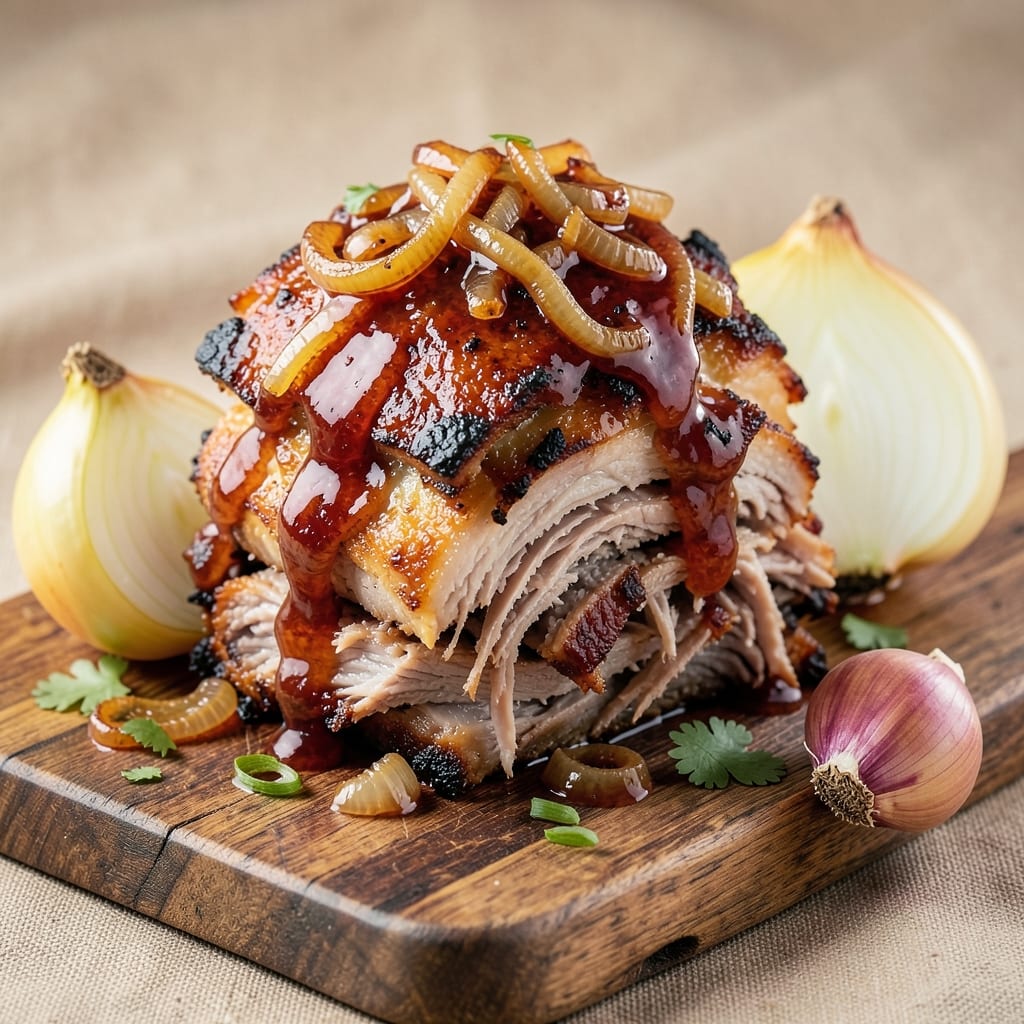
This authentic pulled pork recipe delivers the same smoky-sweet magic you’d find at a North Carolina pitmaster’s table—tender, fall-apart perfection with just the right balance of vinegar and sugar. I’ve been perfecting this technique since my apprenticeship in Charleston, where pork shoulder becomes the star of every meal. The secret lies in low-and-slow cooking, letting the connective tissue break down until the meat shreds effortlessly at the touch of a fork.
What sets this recipe apart is the Carolina touch—a blend of apple cider vinegar and brown sugar that creates a sticky, caramelized bark on the outside while keeping the meat impossibly juicy inside. Unlike some shortcut methods, this version respects the traditional process: no pressure cookers here, just time, heat, and patience. The result? Pulled pork so tender it melts in your mouth, with a sauce that’s tangy, slightly sweet, and packed with smoky depth.
By the time you’re done, you’ll have restaurant-quality pulled pork that’s ready to serve on buttery buns with tangy coleslaw or piled high on a plate with pickles and white bread. The aroma alone will have everyone gathering around the table—this isn’t just a dish, it’s an experience. Whether you’re feeding a crowd or saving leftovers for sandwiches all week, this method delivers every time.
For those who love the details, I’ll share my go-to tips for choosing the right cut, adjusting seasonings, and even how to repurpose leftovers into breakfast hash. Let’s get started on creating pork that tastes like it’s been slow-smoked over hickory for hours—because with this recipe, it has been.
Ingredients for authentic pulled pork
Twelve ingredients for Carolina-style pork that falls apart at the touch of a fork.
| Ingredient | Amount | Notes |
|---|---|---|
| Pork Shoulder (Bone-In) 🐷 | 10 lb | Well-marbled, 3-4 inch thick |
| Yellow Onions 🧅 | 2 whole | Medium, sliced into wedges |
| Garlic Cloves 🧄 | 8 cloves | Peeled, smashed lightly |
| Apple Cider Vinegar 🍏 | ½ cup | Raw, unfiltered preferred |
| Light Brown Sugar 🍚 | 1 cup | Packed, turbinado works too |
| Smoked Paprika 🌶️ | 2 tbsp | High-quality, not sweet |
| Ground Black Pepper 🌶️ | 1 tbsp | Freshly cracked preferred |
| Kosher Salt 🧂 | 2 tbsp | Diamond Crystal preferred |
| Black Peppercorns 🌶️ | 1 tsp | Whole, for grinding |
| Fresh Thyme Sprigs 🌿 | 4 whole | Stems removed for leaves |
| Bay Leaves 🍃 | 2 whole | Dried, for depth |
| Hickory Wood Chips 🌳 | 1 lb | Soaked for 30 minutes |
| Butter (Unsalted) 🧈 | ½ cup | Cold, for finishing |
The pork shoulder is everything. Look for bone-in cuts—they stay juicier and add depth. Costco or your local butcher shop are your best bets for a well-marbled piece. If you can't find a 10-pound roast, two 5-pounders work too. The key is thickness: aim for 3-4 inches. Trader Joe's sometimes carries good options if your grocery store lacks variety. And trust me on the bone-in—it keeps the meat moist during those long hours in the smoker.
No hickory wood chips? Pecan or cherry work in a pinch, but hickory is non-negotiable for that authentic Carolina flavor. Fresh thyme? Dried works at one-third the amount, but Penzeys or bulk bins have the best quality. The apple cider vinegar should be raw and unfiltered—Mott's or Bragg are my go-tos. Running short on time? Pre-sliced onions from the grocery store are fine, but yellow onions have more sweetness than red. And if you're worried about the sugar caramelizing too much, just reduce the brown sugar to 3/4 cup.
This pork keeps beautifully. 3-4 days in the fridge, 3 months frozen. The sauce thickens as it sits, so I always make extra—it's perfect for sandwiches or drizzling over coleslaw. For leftovers, reheat slowly in a skillet with a splash of water to keep it moist. Portion into containers so you can grab and go. And if you've got extra sauce, freeze it in ice cube trays for easy use later.
Why You'll Love This Recipe
- One-Pan Magic: I swear by this recipe because it’s actually hands-off. Toss the pork shoulder with onions, garlic, and that sweet-tangy vinegar mix, then let it slow-cook while you do anything else—no flipping, no stress. The bone-in cut keeps it juicy without extra effort, and by the end, you’ve got tender meat that falls apart at the touch of a fork.
- Sweet-Savory Balance: Here’s what sold me—the apple cider vinegar and brown sugar create this perfect contrast: sharp enough to cut through the richness, but sweet enough to make every bite irresistible. The onions caramelize just enough to add depth, and that garlic? It’s the secret weapon that ties everything together. Honestly, it’s the kind of flavor that makes you want to eat it straight off the bone.
- Weeknight to Party Star: Between us, this is my go-to for lazy Mondays and Sunday dinners. Serve it on buns for quick sandwiches, pile it over mashed potatoes for a hearty meal, or even stuff it into tacos when friends drop by. The leftovers? They’re just as good the next day—if they last that long. (Yes, even on a Tuesday night.)
- Budget-Friendly Feast: A bone-in pork shoulder is cheaper than you’d think, and it stretches to feed four or five people easily. The ingredients? Basic pantry staples that won’t break the bank. I’ll be real: it’s the kind of recipe where you end up with extra portions, but that’s a win because it means you’re not scrambling for takeout later. Plus, the slow cooker does all the work—no fancy equipment needed.
Step-by-step instructions for smoky-sweet Carolina pulled pork
Here's how to create that legendary fall-apart texture and perfect smoky-sweet flavor everyone loves.
Prepare the Pork Shoulder for Maximum Flavor
Start by removing the pork shoulder from the refrigerator and letting it sit at room temperature for 1 hour. This ensures even cooking throughout. Pat the meat completely dry with paper towels—moisture is the enemy of crispy bark. I like to press down firmly, especially in the thickest parts where fat might hide.
In a small bowl, combine the 2 tablespoons kosher salt, 1 tablespoon ground black pepper, 2 tablespoons smoked paprika, and 1 teaspoon black peppercorns. Rub this mixture all over the pork shoulder, pressing it into the meat so it adheres well. The paprika gives that beautiful red hue while adding depth of flavor. Don't skip this step—it's what makes your pork stand out.
Build the Smoker and Start Cooking Low and Slow
Soak the 1 pound hickory wood chips in water for 30 minutes before using. Set up your smoker for 225°F using these soaked chips. I've found this temperature range is key for that tender, fall-apart texture. Place a water pan in the smoker to help maintain moisture throughout the long cook.
When the smoker reaches temperature and you see clean, blue smoke (not thick white), place the pork shoulder fat-side up on the grill. The fat will render slowly and baste the meat as it cooks. Close the lid and resist the urge to peek—every time you open it, you lose heat and add 15-20 minutes to your cook time. This is where patience pays off.
Monitor the Cook and Handle the Stall
Cook the pork shoulder for 6-8 hours until the internal temperature reaches 165-170°F. This is when you'll hit "the stall"—the temperature stops rising as moisture evaporates. Don't panic; this is completely normal. The bark should be deep mahogany color with some charred spots, and you should see a beautiful smoke ring just beneath the surface.
At this point, wrap the pork shoulder tightly in pink butcher paper (not foil—it breathes better). This "Texas crutch" technique helps you power through the stall while maintaining that crispy exterior. Return it to the smoker and continue cooking until the internal temperature reaches 200-203°F and a probe slides in like butter with no resistance. This usually takes another 3-5 hours, but trust the probe test over the thermometer.
Rest and Prepare for Serving
Remove the pork shoulder from the smoker and let it rest in the butcher paper for at least 1 hour (I prefer 2 hours wrapped in towels in a cooler). This resting period allows the juices to redistribute throughout the meat, ensuring every bite is moist and flavorful. The meat will continue to rise in temperature during this time—it's normal and actually improves the texture.
While the pork rests, prepare your serving setup. In a large bowl, combine the 2 whole yellow onions (sliced into wedges), 8 cloves garlic cloves (smashed lightly), 4 whole fresh thyme sprigs (stems removed), and 2 whole bay leaves. These aromatics will infuse the pork with even more flavor as it rests.
Shred and Finish with Butter
When ready to serve, remove the pork from the butcher paper and place it on a cutting board. Using two forks or meat claws, shred the pork against the grain into 1-inch thick pieces. The meat should pull apart easily with minimal resistance—this is what we've been working toward all day. Discard the fat cap and any large pieces of connective tissue.
Transfer the shredded pork to a large serving bowl. In a small saucepan over low heat, melt the ½ cup unsalted butter and ½ cup apple cider vinegar. Pour this butter mixture over the shredded pork and toss gently to coat. The acidity from the vinegar cuts through the richness of the pork, balancing the sweetness perfectly. Taste and adjust seasoning with additional salt if needed—you're aiming for that perfect balance of smoky, sweet, and tangy.
Pro Tips For Making Authentic Pulled Pork
- USE A MEAT THERMOMETER: I learned this the hard way—guessing doneness with pulled pork is how you end up with dry, stringy meat. Aim for 203°F internal temp (not 160°F), then let it rest. The collagen breaks down at that heat, which is what makes it tender.
- SWEAT ONIONS LOW AND SLOW: Skip the high-heat sear for onions here—they’ll burn before they soften. Instead, cook them on medium-low with a splash of water or vinegar, stirring often. You want them caramelized, not crispy, so patience pays off.
- DON’T SKIP THE FAT CAP: That white fat layer on the pork shoulder? Leave it on. It renders down into flavor and keeps the meat moist. If you trim it, you’re fighting the recipe’s natural juiciness—just poke holes in it with a knife to help the fat melt.
- ADD VINEGAR IN STAGES: Pouring all the apple cider vinegar at once makes your sauce too sharp. Split it: add half at the start for depth, then the rest 10 minutes before the end to brighten the flavors without overpowering. Trust me, your taste buds will notice.
Perfect pairings for authentic pulled pork
Carolina-Style Sides
No Carolina pulled pork is complete without its classic sides. I always serve mine with creamy slaw—shredded cabbage, carrots, and mayo tossed with a pinch of cayenne pepper for heat. For extra crunch, add toasted pecans or dill pickles. Another must is white bread—soft, crusty, and perfect for soaking up that smoky-sweet sauce. 🥬
Beverage Pairings
Sweet tea is the ultimate Southern pairing—its lightly sweetened flavor complements the pork’s smokiness without overpowering it. For a non-alcoholic option, try sparkling lemonade with a splash of apple cider vinegar to echo the tang in the pork. If you’re serving alcohol, a light lager like Peroni or a crisp Pilsner keeps the palate clean and refreshing. 🍹
Sauce Variations
Want to switch up the sauce? Try adding 1 tbsp of hot honey to the butter-vinegar mix for a sweet-spicy kick. For a tangier profile, replace half the vinegar with lemon juice. If you love heat, stir in 1 tsp of Penzeys’ hot sauce or a dash of chipotle powder—just enough to wake up the flavors without overpowering. 🌶️
Breakfast Leftovers
Turn leftover pulled pork into breakfast hash by dicing it small and cooking with diced potatoes, bell peppers, and fried eggs on top. For a quick sandwich, pile it on a brioche bun with avocado slices and a drizzle of sriracha mayo. The smoky flavors work surprisingly well with breakfast—trust me, my crew at The Smoky Pig swears by it. 🍳
Regional Twists
In North Carolina, they often serve pulled pork with cornbread and pickled okra for a tangy crunch. Meanwhile, Kansas City styles might add barbecue sauce (tomato-based) instead of vinegar, but I stick with the Carolina method—it’s the one I grew up loving. For a modern twist, try serving it on seared pork belly slices with a side of roasted Brussels sprouts. 🗺️
Nutrition facts
Frequently asked questions
Can I use a pork butt instead of pork shoulder?
Yes! Pork butt and pork shoulder are essentially the same cut—just different names depending on where it's sourced from. Both work perfectly for this recipe, though pork butt (from the upper shoulder) tends to have slightly more marbling. Just follow the same cooking method and you'll get that same melt-in-your-mouth texture.
What if I don't have a smoker? Can I make this in an oven?
Preheat your oven to 275°F and place the pork in a roasting pan with a rack. Use the same dry rub and add a water pan for moisture. Cook for 5-6 hours, checking the internal temperature every hour. The bark won't be as smoky, but the meat will still be tender and flavorful.
Why does my pulled pork turn out dry?
Most likely, you didn't cook it low enough or didn't rest it properly. The key is patience—cook until it reaches 200-203°F and always rest for at least 1 hour (2 hours is better). Also, avoid over-shredding; pull it gently against the grain when ready to serve.
Can I make this ahead of time?
This recipe is perfect for making ahead! The pork actually tastes better after resting overnight. Store it in the fridge for up to 4 days or freeze for 3 months. Reheat gently in a skillet with a splash of water or broth to keep it moist.
What's the best way to serve leftovers?
Leftover pulled pork is even more versatile! Try it in tacos with lime crema, on breakfast burritos with scrambled eggs, or mixed into mac and cheese. For sandwiches, add a drizzle of the vinegar-butter sauce and a sprinkle of crispy fried onions for extra crunch.