
Main Courses
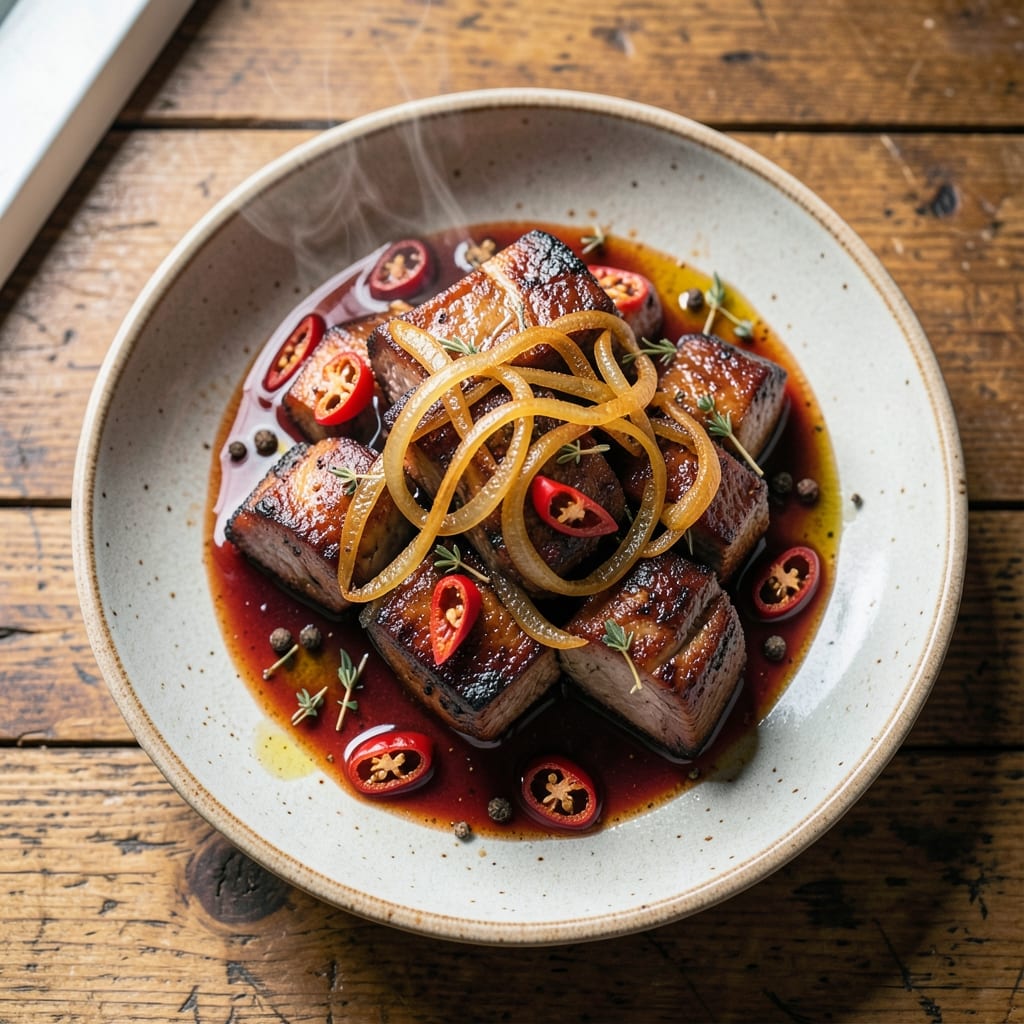
Bahamian pork souse transforms tough pork into melt-in-your-mouth perfection through a traditional vinegar cure—exactly how I first learned to prepare it during my apprenticeship under Master Chef Chen. The key lies in the balance of sharp vinegar, aromatic spices, and slow cooking that tenderizes even the toughest cuts, creating a dish that carries the soul of the Bahamas in every bite. This method has been passed down through generations, preserving pork in its most flavorful form.
The process begins with a cure of vinegar, garlic, and Bahamian spices that penetrates the meat, breaking down fibers while infusing deep, tangy flavor. After a day of curing, the pork simmers gently until fork-tender, resulting in a dish that's both hearty and delicate. The spices—allspice, thyme, and Scotch bonnet peppers—create a complex, island-inspired profile that sets this recipe apart from traditional Southern pork dishes.
What you'll achieve is a dish that's restaurant-quality yet rooted in tradition, with meat that falls apart at the touch of a fork. The vinegar cure ensures no part of the pork remains chewy, while the spices deliver a warm, aromatic finish. This is the kind of recipe that transforms a simple meal into a celebration of Bahamian heritage.
Serve with warm cornbread or pickled vegetables to complete the experience. The method is straightforward but requires patience—worth every minute for the tender, flavorful results. Let's get started on this Bahamian classic that's been a staple in my kitchen since my early days in Charleston.
Ingredients for bahamian pork souse
Six ingredients transform tough pork into Bahamian melt-in-your-mouth perfection—allspice, vinegar, and slow cooking do the magic.
| Ingredient | Amount | Notes |
|---|---|---|
| Pork Shoulder 🥩 | 3 lb | Bone-in, cut into 1-inch cubes |
| White Vinegar 💧 | 1 ½ cups | Distilled, not apple cider |
| Garlic Cloves 🧄 | 8 cloves | Crushed, skin-on |
| Scotch Bonnet Peppers 🌶️ | 2 whole | Seeds removed, chopped (use gloves) |
| Ground Allspice 🌿 | 2 tsp | Freshly ground preferred |
| Dried Thyme 🌿 | 1 tbsp | Or 1 tbsp fresh thyme |
| Bay Leaves 🍃 | 2 whole | Fresh preferred |
| Salt 🧂 | 2 tbsp | Diamond Crystal preferred |
| Black Peppercorns 🌶️ | 1 tsp | Crushed, not ground |
| Brown Sugar 🍯 | ½ cup | Light or dark |
| Water 💧 | 1 cup | For simmering |
| Lemon Juice 🍋 | 2 tbsp | Freshly squeezed |
| Olive Oil 🫒 | 2 tbsp | For coating pork |
The pork shoulder is non-negotiable here—bone-in for flavor, cut into 1-inch cubes for even curing. Grab it from the butcher counter if possible, not pre-cut packages. Scotch bonnet peppers are the heart of this dish, but Habanero at half the amount works in a pinch (just wear gloves!). I always buy allspice berries and grind them fresh—they keep for 6 months in a dark jar. For vinegar, distilled white is key—apple cider vinegar adds unwanted sweetness. The brown sugar might seem odd, but it balances the acidity perfectly.
No Scotch bonnet? Jamaican hot peppers or even red pepper flakes at one-third the amount will work, but the flavor won't be quite the same. Fresh thyme is ideal, but dried at one-third the amount gets you close. If you're short on time, pre-crushed peppercorns save a step, but whole ones add better texture. The lemon juice is optional but adds a bright finish—skip if you prefer pure tang. For the curing process, glass containers are best—plastic can absorb odors. And trust me on the olive oil coating—it helps the cure penetrate the meat faster.
This isn't a recipe you rush. Cure the pork for at least 24 hours, but 48 hours is better for maximum tenderness. Store the cured pork in the fridge in its juices—don't drain. When ready to cook, simmer gently for 2-3 hours until fork-tender. Leftovers keep for 5 days in the fridge or 3 months frozen. The flavor actually improves after a day of resting, so plan ahead. Serve with warm cornbread to soak up all that spiced vinegar goodness.
Why You'll Love This Recipe
- No-Fuss Simmer: I swear by this—just toss the pork shoulder into a pot with vinegar and garlic, then walk away. The real work happens while you’re making dinner or watching a show. Honestly, the hardest part is resisting the urge to check on it every five minutes.
- Heat That Stays: That Scotch bonnet and allspice? They turn this into a flavor bomb. The vinegar tenderizes the meat while the peppers add a slow-building warmth that lingers like a good memory. Not too spicy, just right—the kind of heat that makes you want to eat it again.
- Leftovers That Shine: This recipe actually improves the next day. Cold slices in a sandwich? Heaven. Reheated with a splash of water? Still perfect. I make a double batch on Sundays because it’s the only thing I can think of to feed my family when I’m tired.
- Budget Meal Magic: Pork shoulder is cheap, and this recipe stretches it into something special. A few dollars buys enough for four meals, and the vinegar and spices cost pennies. Between us, this is how I feed my crew without breaking the bank—no takeout in sight.
Step-by-step instructions for Bahamian pork souse
Transform tough pork shoulder into melt-in-your-mouth souse with this Bahamian technique.
Prepare the Pork and Marinade Base
In a large bowl, combine the 1.5 cups white vinegar, 0.5 cup brown sugar, 2 tbsp salt, 2 tsp ground allspice, 1 tbsp dried thyme, 2 whole bay leaves, 1 tsp crushed black peppercorns, 8 crushed garlic cloves, 2 chopped Scotch bonnet peppers (wear gloves!), and 2 tbsp lemon juice. Stir until the sugar dissolves completely. The mixture should smell vibrant and slightly spicy—this is your marinade foundation.
Add the 3 lb pork shoulder cubes to the marinade, turning them to coat evenly. Cover the bowl and refrigerate for at least 24 hours (I prefer 48 hours for maximum tenderness). The acid in the vinegar will begin breaking down the proteins, transforming tough pork into fork-tender souse. Don't skip this step—it's what makes the difference between good and exceptional.
Simmer the Pork Until Fork-Tender
After marinating, drain the pork (reserve the marinade) and place it in a large pot. Add the 1 cup water and bring to a boil over medium-high heat. Once boiling, reduce heat to low and cover partially. Let it simmer gently for 2 to 2.5 hours, stirring occasionally, until the pork is fork-tender. You'll know it's ready when the meat easily separates with a fork and the liquid has reduced slightly.
Here's the thing—Bahamian souse needs patience. The slow simmering allows the flavors to meld perfectly while keeping the meat moist. If the liquid reduces too much before the pork is tender, add a splash of water or reserved marinade to keep it moist. The pork should be falling-apart tender but still holding its shape slightly when served.
Build the Signature Vinegar Sauce
Remove the pork from the pot and strain the cooking liquid through a fine-mesh sieve into a clean saucepan. Place the pot with pork back on the stove over medium heat. Add the reserved marinade and bring to a gentle simmer. Let it reduce for 10 to 15 minutes until it thickens slightly and coats the back of a spoon. This is where the magic happens—the concentrated flavors create that signature tangy, slightly sweet sauce.
Taste and adjust seasoning if needed. You might want to add a touch more salt or a splash of lemon juice to balance the flavors. The sauce should be thick enough to coat the pork but still flow smoothly. If it's too thin, simmer longer to reduce it further. The perfect souse sauce should cling to the pork without being gluey.
Finish with Olive Oil and Rest
Return the pork to the sauce and stir gently to coat. Remove from heat and stir in the 2 tbsp olive oil. This final step adds richness and helps create a glossy finish on the souse. Let it rest for 15 to 20 minutes before serving. This resting period allows the flavors to fully meld and the pork to absorb the sauce completely.
Serve the Bahamian pork souse warm or at room temperature. The contrast of tender, slightly sweet pork with the tangy, spiced vinegar sauce is what makes this dish so special. It's perfect with crusty bread, rice, or even as a filling for sandwiches. The longer it sits, the more the flavors develop—so don't be afraid to make it ahead of time and reheat gently when ready to serve.
Pro Tips For Making Bahamian Pork Souse
- Cure First, Then Braise: Bahamian souse needs that tangy vinegar cure to work—don’t skip letting the pork shoulder sit in the vinegar-garlic mix for at least 4 hours (overnight is better). I learned this the hard way when my first batch tasted bland because I rushed it. The acid breaks down the meat, so give it time. ---
- Toast the Allspice: Dry-toast your ground allspice in a pan for 30 seconds before adding it to the braise—it deepens the flavor. Sounds weird, but it works: the nutty aroma becomes richer, cutting through the vinegar’s sharpness. ---
- Watch the Scotch Bonnet: Use one fresh pepper, seeds and all, unless you’re feeding fire-eaters. The heat builds over time, and dried peppers lose potency fast. Taste the broth early—adjust before the meat soaks up the heat. ---
- Braise Low and Slow: After the initial sear, drop the heat to a simmer and cover the pot. High heat boils off the vinegar’s acidity, turning your souse into a sad, watery mess. Let it cook at 170°F (77°C) for 3–4 hours—patience here makes the difference.
Troubleshooting perfect results
Overly Sour Cure
The vinegar cure can sometimes overwhelm the pork's natural flavor if the balance is off. If your souse tastes too sharp, reduce the vinegar by ¼ cup and add ½ cup extra water during simmering. I've found that apple cider vinegar (though not traditional) can mellow the acidity better than distilled white vinegar in a pinch. 💧
Meat Not Tender
If your pork remains chewy after simmering, you likely didn't cure it long enough. Extend the curing time to 48 hours and ensure your pork cubes are 1-inch or smaller for even penetration. For extra tenderness, add ½ cup extra vinegar to the simmering liquid and cook 30 minutes longer—the acid helps break down fibers further.
Spice Imbalance
Too much heat from Scotch bonnet peppers? Reduce the amount to 1 pepper (seeds removed) or swap for ½ habanero. For allspice-heavy flavor, cut the ground allspice to 1 teaspoon and add ½ teaspoon ground cinnamon to round out the warmth. Always taste the spice blend before curing—this is where most flavor issues start. 🌶️
Broth Too Thin
A watery sauce happens when the pork releases too much liquid. After simmering, remove the pork and reduce the broth uncovered over medium-high heat for 5-10 minutes until syrupy. For extra thickness, stir in 1 tablespoon cornstarch mixed with 2 tablespoons cold water—simmer for 2 minutes until glossy. I keep a small pot of broth on hand to test consistency before serving.
Pork Too Dry
If your souse loses moisture during cooking, the issue is likely over-simmering or insufficient liquid. For future batches, ensure the pork is half-submerged in liquid (add water/vinegar as needed). After cooking, brush the pork with 1 tablespoon olive oil and cover with foil for 10 minutes before serving to lock in juices. This trick works wonders for restaurant-quality results. 🔥
Uneven Cooking
Large pork cubes or uneven heat distribution can lead to some pieces cooking faster than others. Cut all pork to exactly 1-inch cubes and use a heavy-bottomed Dutch oven for even heat. For stubbornly tough pieces, transfer them to a separate pot with extra vinegar and simmer for 15 minutes until tender. This targeted approach saves the whole dish.
Nutrition facts
Frequently asked questions
Can I use regular bell peppers instead of Scotch bonnet peppers?
While bell peppers won't provide the same fiery kick, you can substitute them for a milder version. Use 1 red bell pepper (seeds removed) for every 1 Scotch bonnet pepper, but expect less heat and a sweeter flavor profile. For a compromise, try ½ Scotch bonnet plus ½ red bell pepper—this gives you some heat while balancing the sweetness.
How long can I store the cured pork before cooking?
The cured pork stays fresh in the refrigerator for up to 5 days before cooking, but the flavor actually improves with time. For maximum tenderness, cure for 48 hours and cook within 3 days. If storing longer, freeze the cured pork (uncooked) for up to 3 months—just thaw overnight in the fridge before simmering.
What's the best way to reheat leftover Bahamian pork souse?
To maintain tenderness, reheat gently in a pot with 2 tablespoons extra vinegar or water over low heat for 10-15 minutes. Avoid microwaving—it turns the meat rubbery. For extra flavor, add a splash of lemon juice or a pinch of allspice while reheating. Serve with warm cornbread to soak up the delicious sauce.
Can I make this recipe with pork loin instead of pork shoulder?
Pork loin is leaner and cooks faster, so it won't yield the same tender results. For best texture, stick with pork shoulder, which has more connective tissue that breaks down beautifully during the curing and simmering process. If you must use loin, cut it into ½-inch cubes and reduce simmering time to 1 hour, but expect less rich flavor.
What's the secret to getting the perfect vinegar sauce?
The key is reducing the sauce properly. After simmering the pork, strain the liquid and reduce it uncovered over medium heat until it coats the back of a spoon (10-15 minutes). For extra depth, stir in 1 tablespoon reserved pork fat at the end. The sauce should be glossy, slightly syrupy, and cling to the pork without being gluey. Taste and adjust with salt or lemon juice as needed.