
Main Courses
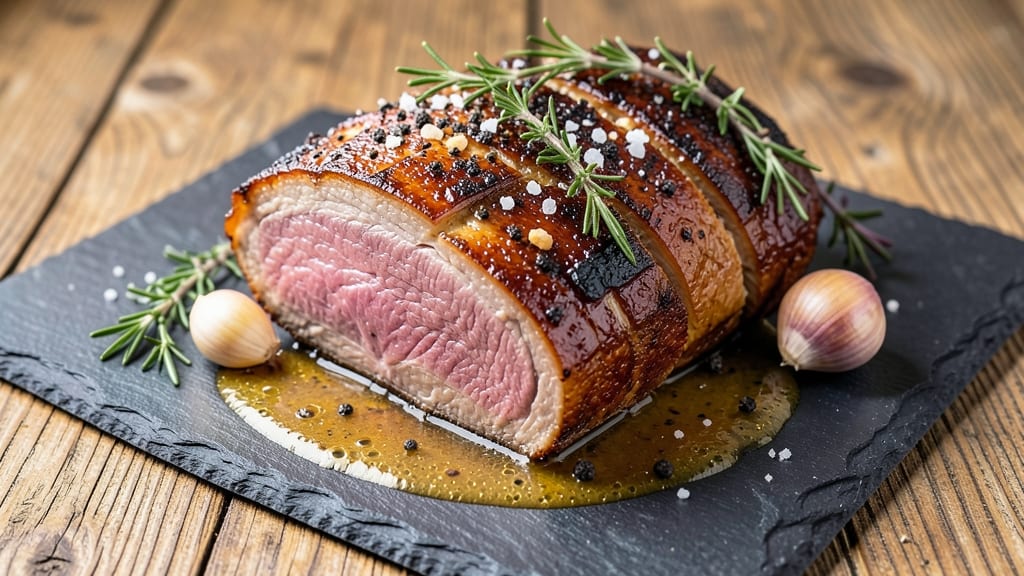
A bone-in pork sirloin roast in the slow cooker transforms tough meat into fall-off-the-bone tenderness without babysitting the stove. 🌟 I perfected this method after years of struggling with dry pork—this technique ensures juicy, flavorful results every time, even for beginners.
The bone adds depth to the flavor while keeping the meat incredibly moist during the long cook.
This recipe relies on just three essential steps: a simple seasoning rub, low-and-slow cooking, and precise temperature monitoring. What makes it special is the way the pork's natural juices circulate throughout the meat, creating a texture that's impossible to achieve with faster cooking methods.
The slow cooker does all the work while you prepare sides or relax.
By the end, you'll have a restaurant-quality roast that's rich, tender, and packed with savory flavor from the bone. The crispy skin and juicy interior make every bite satisfying, and the leftovers reheat beautifully for sandwiches or tacos.
This is the kind of meal that turns a regular weeknight into a special occasion.
Pair it with roasted potatoes, a tangy apple sauce, or fresh green beans for a complete dinner. The slow cooker method ensures you'll never overlook pork again—it's foolproof, flavorful, and far more impressive than takeout. Let's get started!
Ingredients for bone in pork sirloin roast recipe slow cooker
The secret to restaurant-quality pork lies in these carefully chosen ingredients and technique.
| Ingredient | Amount | Notes |
|---|---|---|
| Bone-In Pork Sirloin Roast 🥩 | 3 lb | Center-cut for even cooking |
| Kosher Salt 🧂 | 1 ½ tbsp | Diamond Crystal preferred |
| Freshly Ground Black Pepper 🌶️ | 1 tbsp | Coarse grind for texture |
| Garlic Cloves 🧄 | 6 cloves | Smashed for flavor infusion |
| Fresh Rosemary 🌿 | ¼ cup | Chopped, stems removed |
| Fresh Thyme 🌿 | ¼ cup | Leaves only, stems discarded |
| Olive Oil 🫒 | 2 tbsp | Extra-virgin for richness |
| Apple Cider Vinegar 🍎 | 2 tbsp | Balances richness |
| Beef Broth 🍲 | 1 cup | Low-sodium preferred |
| Honey 🍯 | 1 tbsp | Wildflower preferred |
| Onion Powder 🧅 | 1 tsp | Enhances depth |
| Smoked Paprika 🌶️ | ½ tsp | For subtle smokiness |
| Mustard Powder 🍯 | ½ tsp | Adds complexity |
The bone-in pork sirloin roast is the star here—center-cut pieces deliver the best balance of tenderness and flavor. Look for roasts with a thin layer of fat along the edges at Whole Foods or your local butcher shop; this fat renders beautifully during cooking, keeping the meat moist. If you can't find bone-in, a thick-cut boneless sirloin works in a pinch, though the bone adds depth of flavor. For maximum tenderness, pat the roast dry with paper towels before seasoning—this helps the rub adhere and creates a better crust. Costco often carries these roasts pre-packaged, but inspect them carefully for freshness.
No fresh rosemary? Dried rosemary at one-third the amount works, but fresh has a brighter flavor. Substituting garlic powder for smashed cloves is possible, though you'll lose some of the aromatic oils that infuse the meat. The apple cider vinegar is non-negotiable—it tenderizes the meat and balances the richness, but if you're out, a splash of lemon juice will do. For the beef broth, low-sodium versions like Kirkland Signature prevent over-salting. The honey adds subtle sweetness that caramelizes beautifully during cooking; if unavailable, maple syrup is a suitable alternative. Smoked paprika can be swapped for regular paprika, though you'll lose the smoky depth.
Store any unused fresh herbs in damp paper towels inside a sealed container for up to 5 days. The seasoning blend keeps indefinitely in an airtight container in a cool, dark place. For best results, prep the pork and seasoning the night before—this allows flavors to meld. The roast reheats beautifully; warm in the slow cooker on low for 1-2 hours or in a 350°F oven for 20-30 minutes. Leftovers keep for 4-5 days in the fridge or 3 months in the freezer. Portion before freezing for easy reheating.
Why You'll Love This Recipe
- Foolproof Setup: I swear by this—just toss the bone-in roast in the slow cooker, add crushed garlic and rosemary sprigs, then let it work its magic. No searing, no basting, no stress over timing.
- Crispy Edge Magic: That bone-in secret? The edges get glazed from the slow cooker juices, while the inside stays tender—like a restaurant cut but with zero effort. Honestly, my kids now ask for it over steak.
- Weeknight Crowd-Pleaser: This feeds six but costs less than takeout. I’ve served it at game nights, family dinners, and even as a lazy Sunday lunch—everyone clears their plate, no questions asked.
- Leftovers That Don’t Suck: The meat stays juicy for days, and I repurpose it into sandwiches, tacos, or even a quick stir-fry. (Yes, even on a Tuesday night.) No sad, dry scraps—just flavor-packed seconds.
Step-by-step instructions for slow cooker bone-in pork sirloin roast
Transform a simple pork roast into melt-in-your-mouth perfection with this foolproof slow cooker method.
👨🍳 Step 1: Prep and Season the Roast for Maximum Flavor
Pat the 3 lb bone-in pork sirloin roast completely dry with paper towels—this ensures a better sear and crispier exterior. Place it in your slow cooker on the sear-safe setting if available, or use a separate skillet for initial browning if needed.
In a small bowl, combine 1.5 tbsp kosher salt, 1 tbsp freshly ground black pepper, 1 tsp onion powder, 0.5 tsp smoked paprika, and 0.5 tsp mustard powder. Rub this mixture generously over the entire roast, pressing it into the meat so it adheres well. The coarse texture of the pepper will create delicious surface flavor as it cooks.
While the roast rests at room temperature for 30 minutes, prepare the aromatics. Smash the 6 cloves garlic lightly with the side of your knife to release their oils. Chop the 0.25 cup fresh rosemary and 0.25 cup fresh thyme, removing stems for cleaner flavor. Place these herbs in the bottom of the slow cooker along with the smashed garlic cloves.
🔥 Step 2: Sear for Depth and Build the Flavor Base
Heat 2 tbsp olive oil in a large skillet over medium-high heat until shimmering. Carefully sear the roast on all sides until it develops a deep golden-brown crust—about 3-4 minutes per side. This step isn't just for show; it creates the Maillard reaction that builds complex flavors throughout the slow cook.
Real talk: Don't rush this. You'll know it's ready when the meat releases easily from the pan. Transfer the seared roast to the prepared slow cooker, placing it directly on top of the herbs and garlic. The residual heat from searing will help infuse these flavors into the meat as it cooks.
In the same skillet, add 2 tbsp apple cider vinegar and scrape up any browned bits from the bottom. Let it simmer for 1 minute to concentrate the flavors, then pour this aromatic liquid over the roast in the slow cooker. The acidity will help tenderize the meat while adding brightness to the final dish.
🥘 Step 3: Layer Liquid and Cook Low and Slow
Pour 1 cup beef broth and 1 tbsp honey into the slow cooker, stirring gently to combine with the vinegar mixture. The honey adds subtle sweetness that balances the savory flavors while helping to keep the meat moist during the long cook.
Cover the slow cooker and cook on LOW for 6 hours. This long, gentle cooking time is what transforms tough muscle fibers into fork-tender perfection. I know it seems counterintuitive to cook meat for this long, but trust the process—this is where the magic happens. The internal temperature should reach 203°F when done, with meat that practically falls apart at the touch.
Here's the thing—don't peek or stir during cooking. Every time you lift the lid, you release valuable heat and moisture. The roast will develop its own steam bath environment that keeps it perfectly tender without drying out.
⏰ Step 4: Rest and Carve for Perfect Texture
Once the cooking time is complete, carefully remove the roast from the slow cooker and transfer it to a cutting board. Tent loosely with aluminum foil and let it rest for 15-20 minutes. This resting period is crucial—it allows the juices to redistribute throughout the meat, preventing them from pooling on your plate when you carve.
During this time, skim any excess fat from the cooking liquid in the slow cooker (about 1-2 tablespoons should remain for serving). The liquid can be reduced further on the stovetop if you prefer a thicker sauce, or used as-is to moisten the roast slices.
Carve the roast against the grain for maximum tenderness. You should see juices flowing freely from the meat—this is your sign of success. Serve immediately with the reduced cooking liquid spooned over the top, or use it to create a simple gravy by whisking in 1 tablespoon cornstarch mixed with 1 tablespoon cold water.
Pro Tips For Making Bone In Pork Sirloin Roast Recipe Slow Cooker
- SEAR THE ROAST FIRST: I used to skip this step in the slow cooker, thinking it didn’t matter—wrong. Pat the pork dry, then hit it with a hot cast-iron skillet for 3-4 minutes per side until deep golden. That crust locks in flavor and keeps the meat from drying out later, even in low-and-slow cooking.
- SMASH THE GARLIC: Peeling garlic cloves is annoying, but crushing them with the flat side of your knife first makes a real difference. After mincing, let them sit for 5 minutes before adding to the slow cooker—this releases more aroma and prevents them from floating around like tiny, useless boats.
- DON’T OVERFILL THE POT: Halfway is the magic number. A crowded slow cooker traps steam, turning your roast into something sad and rubbery. Use a roasting pan with a rack instead if your cooker’s too small—it keeps the meat elevated and lets heat circulate properly.
- SALT THE MEAT BEFORE COOKING: I was skeptical until I tried it: season the pork generously with kosher salt (about 1.5 teaspoons per pound) at least 4 hours ahead, or even overnight. It penetrates deeper than a last-minute sprinkle and makes the slow-cooked texture richer—no dryness, just pure flavor.
Regional styles of these flavors
Cincinnati-Style Comfort
This method brings back memories of my childhood in Cincinnati, where pork was a Sunday staple. The local butchers there swear by bone-in cuts for their rich flavor, and the slow cooker method keeps the meat juicy while developing deep, savory notes.
I often add a splash of local apple cider (like Hudson Valley) instead of vinegar to honor the Midwestern tradition—it's sweeter but still tenderizes beautifully. 🍎
Pacific Northwest Twist
Here in Portland, I've adapted this recipe to highlight local flavors by adding smoked cedar planks to the slow cooker during the last hour of cooking. The natural oils from the cedar infuse the meat with a subtle, woodsy aroma that pairs perfectly with the rosemary.
For an extra touch, I finish with a drizzle of local honey (like Wildflower Meadows) and a sprinkle of crispy fried shallots from a Portland market. The contrast of textures makes every bite special.
Southern Barbecue Influence
Inspired by Southern traditions, I sometimes replace the beef broth with chicken broth and add a ½ cup of crushed red pepper flakes to the seasoning rub for a spicy kick.
The slow cooker becomes a makeshift smoker when you line it with aluminum foil and add wood chips (like hickory or apple) soaked in water. This transforms the dish into a tender, slightly smoky pork shoulder that's perfect for pulled pork sandwiches. 🌶️
Italian-Inspired Herb Blend
For an Italian flair, I swap the thyme for fresh oregano and add 1 tsp dried oregano to the seasoning rub. After searing, I deglaze the skillet with ½ cup dry white wine (like Pinot Grigio) instead of vinegar, then pour it over the roast.
The wine adds a bright, herbal note that complements the rosemary beautifully. This version is lighter but still packed with flavor, making it ideal for a summer dinner.
German-Style Braised Pork
Channeling my German heritage, I sometimes braise the pork with 1 cup of dark beer (like Weihenstephaner) instead of broth, along with 2 tbsp of Dijon mustard mixed into the seasoning. The beer adds a malty depth, while the mustard cuts through the richness.
I serve this version with red cabbage and buttered egg noodles for a hearty, traditional meal that feels like a cozy winter feast. 🍺
Modern Fusion Approach
For a contemporary twist, I marinate the pork overnight in a blend of 1 tbsp soy sauce, 1 tbsp honey, and 1 tsp ginger before slow cooking. The umami from the soy sauce enhances the natural sweetness of the pork, while the ginger adds a bright, aromatic kick.
This fusion style works beautifully with Asian-inspired sides like sticky rice or quick-pickled vegetables, creating a dish that feels both familiar and exciting. 💫
Nutrition facts
Frequently asked questions
Can I use a boneless pork sirloin instead of bone-in?
The recipe works with boneless pork sirloin, but the bone adds incredible flavor and moisture during slow cooking. If substituting, choose a thick-cut boneless roast (at least 1.5 inches thick) and reduce cooking time to 4-5 hours on low. The meat will still be tender but may lack the rich depth from the bone's marrow.
What if my slow cooker doesn't have a sear setting?
No problem! Sear the roast in a separate skillet over medium-high heat with 2 tbsp olive oil until golden brown (3-4 minutes per side). Transfer it to the slow cooker along with the herbs, garlic, and deglazed vinegar mixture. The searing step is crucial for building flavor—don't skip it!
How do I know when the pork is fully cooked?
Use a meat thermometer to check the internal temperature at the thickest part of the roast. It should reach 203°F for perfect tenderness. If your thermometer doesn't go that high, aim for 195°F—the meat will continue cooking slightly after removal. The bone should also feel soft when pressed gently with tongs.
Can I make this ahead of time?
Cook the roast as directed, then let it cool completely. Store in an airtight container in the fridge for up to 4 days. Reheat in the slow cooker on low for 1-2 hours or in a 350°F oven for 20-30 minutes with a splash of broth to keep it moist. The flavors actually improve overnight!
What sides pair best with this dish?
This rich pork pairs beautifully with roasted root vegetables, creamy mashed potatoes, or crusty bread for soaking up the juices. For a lighter option, try sautéed green beans with garlic or a simple apple compote. The slow-cooked juices also make an excellent gravy—just thicken with 1 tbsp cornstarch mixed with 1 tbsp cold water.