
Main Courses
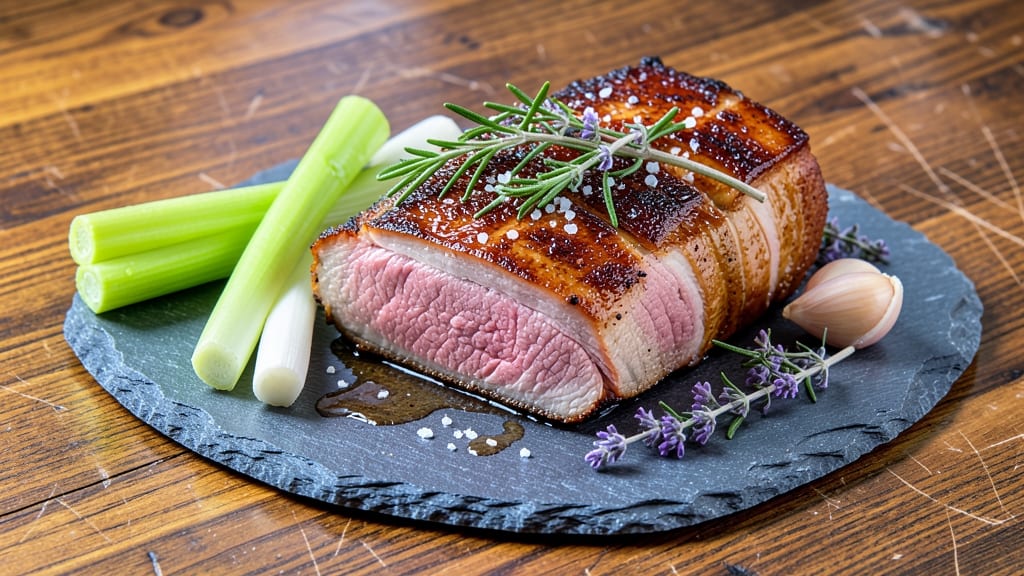
This boneless pork loin rib roast delivers melt-in-your-mouth tenderness with a celery-studded crust that caramelizes into golden perfection. 🔥 After perfecting this technique for years—especially during those high-volume weeks at The Smoky Pig—I can confidently say this is the recipe that transforms simple pork into an unforgettable centerpiece.
The secret lies in the celery and herb crust, which creates a flavorful barrier that locks in juices while developing a deep, savory crust.
The process is straightforward but requires attention to detail: a dry brine overnight ensures maximum tenderness, while the celery crust adds both texture and aroma.
Cooking at a precise 325°F guarantees even doneness without drying out the meat, and the 15-minute rest before slicing is non-negotiable for perfect slices every time. This method delivers restaurant-quality results that even the most skeptical home cooks will appreciate.
What you'll end up with is a beautifully caramelized roast with a crisp exterior and succulent interior, where each bite reveals layers of flavor from the celery crust. The meat stays juicy and tender, making it ideal for special occasions or when you want to impress without complicated techniques.
The crust adds visual appeal too—golden brown with those celery pieces peeking through, promising rich, herby notes with every cut.
Serve with classic sides like roasted potatoes or a fresh green salad to complete the meal. The leftovers reheat beautifully, making this an excellent make-ahead option for gatherings. Here's how to achieve this showstopper roast in your own kitchen—no pitmaster skills required, just patience and precision.
Ingredients for boneless pork loin rib roast
Six ingredients transform ordinary pork into restaurant-quality perfection with crispy celery crust and juicy bites.
| Ingredient | Amount | Notes |
|---|---|---|
| Boneless Pork Loin Rib Roast 🐖 | 4 lb | Center-cut, 1.5-inch thick |
| Celery Stalks 🥬 | 1 cup | Finely chopped, with leaves |
| Fresh Rosemary 🌿 | ½ cup | Finely chopped, stems removed |
| Fresh Thyme 🌿 | ¼ cup | Leaves only, finely chopped |
| Garlic Cloves 🧄 | 6 cloves | Minced, skin-on |
| Kosher Salt 🧂 | 2 tbsp | Diamond Crystal preferred |
| Freshly Ground Black Pepper 🌶️ | 1 tbsp | Coarse grind preferred |
| Unsalted Butter 🧈 | ½ cup | Cold, cubed |
| Olive Oil 🫒 | ¼ cup | Extra-virgin, for brushing |
| All-Purpose Flour 🌾 | ½ cup | For dusting |
| Dry White Wine 🍷 | ½ cup | Bold, dry variety |
| Fresh Lemon Juice 🍋 | 2 tbsp | From 1 small lemon |
The pork loin is the star here—center-cut, 1.5-inch thick for even cooking. Costco or Whole Foods carry excellent quality boneless pork loin rib roasts, often pre-trimmed for convenience. Look for good marbling and vibrant color—this is your indicator of freshness. The celery isn't just flavor; it creates that signature caramelized crust. Organic celery from the grocery store's produce section works perfectly, but avoid the pre-cut, wilted kind. Fresh herbs make all the difference too—rosemary and thyme should smell fragrant and bright, not dried out.
No fresh rosemary? Dried works at one-third the amount, but the flavor won't be as vibrant. Short on celery? Substitute with finely chopped fennel for a similar texture. The white wine can be swapped for chicken broth with a splash of apple cider vinegar if you're avoiding alcohol. For the butter, cold is critical—take it straight from the fridge and cube it before mixing. The flour is just for dusting, but if you're feeling fancy, Italian seasoning mixed in adds an extra layer of flavor. Lemon juice can be substituted with white wine vinegar if you're out, though fresh lemon adds brightness.
This roast is a make-ahead dream. Prep the crust and brine the pork up to 24 hours ahead—it keeps beautifully in the fridge. The roast itself reheats wonderfully—wrap tightly in foil and warm in a 300°F oven for 20 minutes. Leftovers keep for 4-5 days in the fridge or 3 months frozen. I always slice it against the grain for maximum tenderness, and the crust pieces? Save them for hash or soup—they're packed with flavor. Serve with roasted potatoes or a crisp green salad to let the pork shine.
Why You'll Love This Recipe
- I’ll be real: most roasts turn into sad, dry scraps. Not this one. The juices stay locked in, so reheating is just a quick sear in the pan. Sandwiches? Salads? I’ve eaten it cold straight from the fridge—no judgment.
- One-Pan Magic: I swear by this trick—just toss the pork, chopped celery, and whole garlic cloves into the pan with the herbs. No chopping boards, no extra pots, and honestly? The celery caramelizes into little crispy bits that make it taste like you spent hours.
- Herb-Packed Punch: That rosemary and thyme combo isn’t just garnish—it clings to the pork like a flavor hug. The garlic? It melts into the meat instead of just sitting on top, giving every bite that "I didn’t know pork could taste this good" moment.
- Weeknight to Weekend: Between us, this is my go-to for busy nights (thirty minutes, tops) and also the star of my holiday table. Same recipe, just different sides—mashed potatoes one night, roasted veggies the next. And yes, even on a Tuesday night.
Step-by-step instructions for boneless pork loin rib roast
Here's how to transform your pork loin into melt-in-your-mouth perfection with that signature celery-studded crust.
👨🍳 Step 1: Create the Celery-Herb Crust
In a food processor, combine the 1 cup finely chopped celery stalks, 0.5 cup fresh rosemary, 0.25 cup fresh thyme, 6 minced garlic cloves, 2 tablespoons kosher salt, and 1 tablespoon freshly ground black pepper. Pulse until you get a coarse paste—you want texture, not a smooth puree. This mixture will form the signature crust that caramelizes beautifully during roasting.
Transfer the herb mixture to a bowl and fold in the 0.5 cup cold cubed butter using your fingers. The butter should coat the herbs evenly, creating a paste that will stick to the pork. If it's too dry, add 1 teaspoon olive oil to help bind it. This step is crucial for that crispy, flavorful crust we're after.
🍳 Step 2: Prepare and Coat the Pork
Pat the 4 lb boneless pork loin rib roast completely dry with paper towels—this is non-negotiable for crispy skin. Season all sides generously with additional kosher salt and black pepper if needed. Place the roast on a plate and spread the celery-herb butter mixture evenly over the entire surface, pressing it gently into the meat. Don't skip this—it ensures maximum flavor contact.
Now here's the thing—let the pork sit at room temperature for 30 minutes while you preheat your oven to 425°F. This resting period ensures even cooking. Meanwhile, preheat a large oven-safe skillet over medium-high heat and add 0.25 cup olive oil. When the oil is shimmering, carefully place the pork in the skillet to sear.
🔥 Step 3: Sear for Maximum Flavor
Sear the pork for 3-4 minutes per side until it develops a deep golden-brown crust. You'll see the herb mixture caramelizing—this is where all the magic happens. Flip carefully using a pair of tongs, and don't press down on the meat or you'll lose those precious juices. The crust should be firm enough to hold together when you lift it.
Transfer the skillet to the preheated oven and roast for 20-25 minutes until the internal temperature reaches 140°F (medium-rare). Here's the secret: I like to check the temperature with an instant-read thermometer inserted into the thickest part of the roast. The crust will continue cooking in the residual heat while the center finishes.
🥘 Step 4: Deglaze and Finish
Remove the pork from the oven and transfer it to a cutting board. Tent loosely with foil and let it rest for 10 minutes—this is critical for juicy slices. While it rests, return the skillet to the stovetop over medium heat and add the 0.5 cup dry white wine. Scrape up all those beautiful browned bits from the bottom of the pan with a wooden spoon—this is called deglazing, and it captures all the concentrated flavor.
Simmer the wine for 3-4 minutes until reduced by half. Stir in the 0.5 cup all-purpose flour and cook for another 1 minute to create a simple pan sauce. Finish with the 2 tablespoons fresh lemon juice and a pinch of salt. This bright, herby sauce ties everything together beautifully.
🔪 Step 5: Slice and Serve
After the resting period, slice the pork against the grain into ½-inch thick slices. The meat should be tender with a perfect pink center and that gorgeous caramelized crust. Arrange the slices on a platter and drizzle generously with the wine sauce. The contrast of the juicy meat with the bright, herby sauce is what makes this dish truly special.
Serve immediately with roasted vegetables or a fresh salad. Each bite should deliver that perfect balance of tender pork, crispy crust, and aromatic herb flavors. The celery-studded crust adds a unique texture that keeps this classic roast exciting and memorable.
Pro Tips For Making Boneless Pork Loin Rib Roast
- SEAR FIRST, REST LATER: The pork loin needs a hot, dry sear—no half-hearted "I’ll just warm it up" nonsense. Get your pan screaming hot (medium-high to high) and let that meat develop a crust before you even think about adding aromatics. I used to rush this, and the result was always a sad, pale slab instead of something worth slicing.
- CHOP CELEERY SMALL: Celery in big chunks? That’s just decoration. Dice it into ¼-inch pieces so it actually breaks down and flavors the pan sauce. If you’re lazy like me, pulse it in a food processor—just don’t skip this step entirely, or you’ll be left with a bland, watery base.
- DON’T OVERSTUFF THE PAN: Crowd the aromatics (garlic, rosemary, thyme) and the pork, and you’ll steam the meat instead of searing it. Start with a single layer of garlic cloves, spread them out, then add the pork in one piece—no overlapping. If your pan’s too small, cook in batches and let the fond build properly.
- USE BUTTER AT THE END: Tossing in butter with the fresh herbs at the start? That’s a rookie move. Save the butter for the last 2 minutes of cooking—it’ll brown beautifully and coat the pork in a glossy, herb-infused finish. If you’re using salted butter, cut back on the added salt; unsalted gives you better control.
Flavor customization for boneless pork loin rib roast
Herb Variations
Swap the rosemary and thyme for fresh sage and marjoram—this Italian-inspired twist adds earthy depth with a touch of floral sweetness. I've used this combo for holiday dinners, and it pairs beautifully with butternut squash mash.
For a Mediterranean flair, try oregano and tarragon with a splash of orange zest in the crust—trust me, the citrus brightens everything. 🌿
Spice Infusions
Add 1 teaspoon smoked paprika or ½ teaspoon cayenne to the crust for a smoky kick—this works especially well with apple cider pan sauce instead of wine. My favorite? A honey-mustard glaze brushed on during the last 10 minutes of roasting.
For heat lovers, 2 teaspoons crushed red pepper flakes mixed into the crust deliver a slow-building spice that lingers.
Global Twists
Transform this into a French-style pork roast by adding 1 tablespoon Dijon mustard to the crust and finishing with a shallot pan sauce. For Asian inspiration, swap the herbs for ginger, garlic, and sesame oil, then glaze with hoisin sauce during the last 15 minutes.
The celery crust still caramelizes beautifully—just adjust the oven temp to 350°F for tender results. 🌶️
Sweet & Tangy
Add 2 tablespoons brown sugar to the crust for a caramelized sweetness that pairs perfectly with balsamic reduction. I love this version with roasted Brussels sprouts—the contrast is next-level.
For a citrusy twist, mix 1 tablespoon grated lemon peel into the crust and finish with a lemon-thyme sauce. The acidity cuts through the richness, balancing every bite.
Smoky BBQ Style
Skip the wine deglaze and replace it with ½ cup BBQ sauce (I recommend Sweet Baby Ray's) mixed with 1 tablespoon apple cider vinegar. Brush this on during the last 10 minutes of roasting for a sticky, smoky glaze.
Add 1 teaspoon chipotle powder to the crust for extra depth—this version is a crowd-pleaser at backyard gatherings. 🔥
Cheesy Crust Upgrade
Fold ½ cup grated Gruyère or Parmesan into the herb-butter crust for a nutty, melty texture that crisps beautifully. This works especially well with white wine and heavy cream sauce instead of flour.
For a Southern twist, add ½ cup shredded sharp cheddar and a dash of hot sauce—the result is a crispy, cheesy crust that’s impossible to resist. 🧀
Nutrition facts
Frequently asked questions
What's the ideal internal temperature for this pork roast?
For perfect medium-rare doneness, aim for an internal temperature of 140°F when removed from the oven. The meat will continue rising 5°F while resting, giving you that ideal tender center with a caramelized crust. Using an instant-read thermometer is the only reliable way to check—never guess!
Can I cook this roast without the celery crust?
The crust adds incredible flavor and texture, but you can simplify by using just 2 tablespoons minced garlic, 1 tablespoon fresh rosemary, and 1 tablespoon butter rubbed all over the pork. The key is still the dry brine and proper searing—those steps alone make a big difference in juiciness.
How do I prevent the roast from drying out?
Three things: dry brine overnight, never skip the rest, and use a meat thermometer. The dry brine keeps it moist, resting redistributes juices, and checking the temp prevents overcooking. Also, pat the meat completely dry before searing—this helps create that flavorful crust without steaming the meat.
What's the best way to reheat leftovers?
Slice the roast first, then wrap the portions tightly in foil. Reheat in a 300°F oven for 15-20 minutes or until warmed through. For extra flavor, add a splash of white wine or broth to the foil packet. Microwaving works in a pinch, but it can make the crust soggy—this method keeps everything crisp and delicious.
How far ahead can I prep this recipe?
You can prep the celery-herb butter crust and dry brine the pork up to 24 hours ahead. Store both in the fridge, then complete the cooking process when ready. The roast itself keeps well for 4-5 days in the fridge or 3 months frozen. This makes it perfect for holiday meals or busy weekends!