
Main Courses
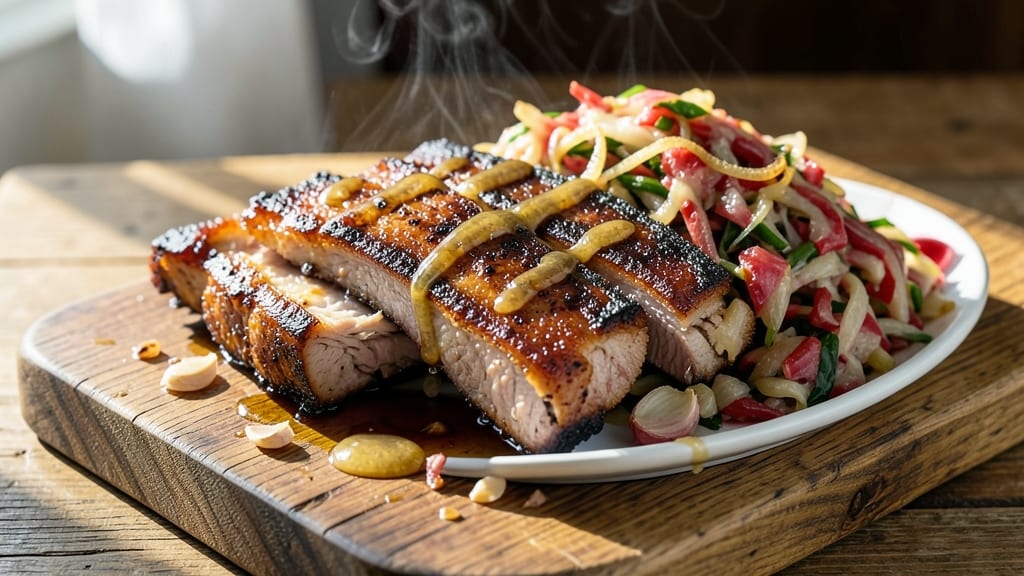
This boneless pork ribs and sauerkraut recipe transforms simple ingredients into a dish that balances smoky meat with the tangy crunch of fermented cabbage.
Growing up in Georgia, I learned how pork's rich flavor pairs perfectly with sauerkraut's bright acidity—now, I'm sharing my refined method for achieving that harmony at home. The secret lies in slow-cooking the ribs until they're fork-tender while preserving the sauerkraut's crisp texture, whether sautéed or served raw.
What sets this dish apart is the technique: braising the ribs low and slow with aromatic spices creates melt-in-your-mouth tenderness, while the sauerkraut adds a probiotic-rich contrast that cuts through the richness.
I developed this recipe during a particularly chilly Atlanta winter when I needed a hearty, no-fuss meal that could feed a crowd without requiring constant attention. The result? A dish that's restaurant-quality but built on simple, accessible methods—no fancy equipment needed.
By the time you're done, you'll have perfectly seasoned pork ribs with a caramelized exterior and tender interior, paired with sauerkraut that's either crisp and tangy or softened just enough to absorb the meat's juices.
The combination delivers a perfect balance of textures and flavors: the smoky depth of the pork meets the bright, fermented crunch of the sauerkraut in every bite. This is the kind of meal that feels indulgent yet satisfying, perfect for weeknight dinners or special occasions.
Serve with crusty bread to soak up the juices or alongside roasted potatoes for a complete meal. The recipe scales easily, making it ideal for gatherings or meal prep. Here's how to bring this Southern-inspired dish to your table with confidence.
Ingredients for boneless pork ribs and sauerkraut
Sixteen ingredients for a dish that balances smoky pork with tangy fermented cabbage.
| Ingredient | Amount | Notes |
|---|---|---|
| Boneless Pork Ribs 🥓 | 3 lb | Cut into 2-inch pieces |
| Sauerkraut 🥬 | 2 cups | Unopened jar preferred |
| Yellow Onion 🧅 | 1 whole | Sliced into half-moons |
| Garlic Cloves 🧄 | 6 cloves | Minced for depth |
| Apple Cider Vinegar 🍎 | ¼ cup | For tangy brightness |
| Dijon Mustard 🍯 | 1 tbsp | High-quality for flavor |
| Honey 🍯 | 2 tbsp | Local preferred |
| Smoked Paprika 🌶️ | 1 tbsp | For smoky depth |
| Ground Black Pepper 🌶️ | 1 tsp | Freshly cracked |
| Kosher Salt 🧂 | 1 ½ tsp | Diamond Crystal preferred |
| Olive Oil 🫒 | ½ cup | Extra-virgin for richness |
| Fresh Thyme Leaves 🌿 | ¼ cup | Or 1 tsp dried |
| Crusty Bread 🍞 | 1 package | For serving, optional |
| Bay Leaves 🍃 | 2 whole | For aromatic base |
| Beef Broth 💧 | 1 cup | Low-sodium preferred |
The pork ribs are the star here, so look for well-marbled cuts at your local butcher or Costco—they often have pre-cut boneless pork ribs ready to go. If you're buying whole ribs, ask for the meatier sections to be removed. Trader Joe's usually carries a good pre-cut option too. Sauerkraut quality matters—skip the watery, mushy kind. Look for brands with visible fermentation bubbles and a bright, tangy smell. I always grab two jars: one for serving raw, one for sautéing. The onions and garlic? Yellow onions work best here—their sweetness balances the pork's richness, while garlic adds that essential aromatic depth.
No apple cider vinegar? White vinegar or lemon juice works in a pinch, though the flavor won't be quite as complex. Short on honey? Maple syrup or agave nectar can substitute, but reduce to 1 tbsp. The smoked paprika is non-negotiable for that signature smoky flavor—Penzeys or McCormick are solid brands if you're buying pre-ground. Fresh thyme is ideal, but dried works at one-third the amount. For the beef broth, low-sodium is crucial—you don't want to over-salt the dish. The crusty bread is totally optional but perfect for soaking up those delicious juices. Skip it if you're serving with potatoes or rice.
This dish tastes even better the next day—plan ahead. Store the ribs and sauerkraut separately in airtight containers for up to 4 days in the fridge. The ribs reheat beautifully in a skillet with a splash of broth. Sauerkraut keeps for months unopened, but once opened, refrigerate and use within 2 weeks. I like to make a double batch of ribs and freeze half—they thaw perfectly in the fridge overnight. The sauce mixture (vinegar, mustard, honey, etc.) can be prepped a day ahead and stored in the fridge.
Why You'll Love This Recipe
- One-Pan Magic: I swear by this for lazy nights—just toss the ribs, sauerkraut, and sliced onion in one pan, let the vinegar and garlic work their magic, and walk away. No flipping, no fussing, no extra dishes. (Yes, even on a Tuesday night.)
- Tangy Crunch Combo: That first bite—crispy pork edges with sauerkraut’s sharp, funky bite? It’s the kind of flavor that sticks with you. The apple cider vinegar cuts through the richness, so it’s never heavy, just ridiculously good.
- Leftovers That Beg for Seconds: This dish actually improves the next day. The ribs get even more tender, the sauerkraut mellows into something deeper, and I’ve reheated it for lunch three times without a single complaint. (My husband’s favorite, honestly.)
- Budget-Friendly Crowd Pleaser: Pork ribs are cheaper than you think, and sauerkraut stretches this into a meal that feeds four for less than takeout. Plus, it’s the kind of dish that makes people ask, “What’s in this?”—so you can brag about your cooking skills without breaking the bank.
Step-by-step instructions for smoky pork ribs with fermented crunch
Let's bring together tender pork ribs with tangy sauerkraut for a dish that balances smoky depth and bright fermented flavors.
Sear the Ribs for Maximum Flavor
Pat the 3 lb boneless pork ribs dry with paper towels - this ensures a proper sear. In a large Dutch oven, heat 0.5 cup olive oil over medium-high heat until shimmering. Working in batches if needed, add the ribs and sear for 4-5 minutes per side until golden brown with crisp edges. I press down gently on the ribs during the first minute to prevent curling and ensure even contact with the pan.
Transfer the seared ribs to a plate and set aside. The goal here is to develop a deep, caramelized crust that will carry through the entire cooking process. Don't be tempted to flip too early - you'll know they're ready when they release easily from the pan and have developed a beautiful mahogany color. This initial searing creates the flavor foundation for our dish.
Build the Tangy Sauce Base
In the same Dutch oven, reduce heat to medium and add the sliced 1 whole yellow onion and minced 6 cloves garlic. Cook for 5-6 minutes until softened and golden, stirring occasionally. Here's where the magic begins - add 2 whole bay leaves, 1 tbsp smoked paprika, 1 tsp ground black pepper, and 1.5 tsp kosher salt, stirring to coat the onions.
Pour in 1 cup beef broth and scrape up any browned bits from the bottom - these contain concentrated flavor. Add 2 cups sauerkraut, 0.25 cup apple cider vinegar, 2 tbsp honey, and 1 tbsp Dijon mustard, stirring to combine. The vinegar will brighten while the honey adds subtle sweetness to balance the tang. Let this mixture simmer for 8-10 minutes until slightly reduced and fragrant.
Braise the Ribs to Perfect Tenderness
Return the seared ribs to the Dutch oven and spoon the sauce mixture over them completely. Add 0.25 cup fresh thyme leaves and bring everything to a gentle simmer. Cover tightly with a lid and transfer to a 325°F oven. Here's the key - braise for 2-2.5 hours until the ribs are fork-tender and easily pull apart at the bone.
About halfway through cooking, I like to flip the ribs to ensure even exposure to the sauce. The ribs should be falling off the bone when done, with the sauce reduced to a thick, glossy coating. If the sauce reduces too quickly, add a splash of water or broth to maintain moisture. The slow cooking transforms the tough ribs into melt-in-your-mouth perfection.
Finish with Crispy Edges and Serve
Remove the ribs from the oven and increase heat to medium-high. Uncover and simmer for 5-7 minutes to reduce the sauce further and develop crisp edges on the ribs. The sauce should coat the back of a spoon with a velvety consistency. Taste and adjust seasoning if needed - you might need a touch more salt or vinegar to balance flavors.
Transfer the ribs to a serving platter and spoon the tangy sauce over the top. Serve immediately with warm 1 package crusty bread on the side. The contrast between the tender, smoky ribs and the bright, tangy sauerkraut creates a perfect balance of textures and flavors. Each bite delivers juicy pork with a crisp edge and a spoonful of fermented crunch in every mouthful.
Pro Tips For Making Boneless Pork Ribs And Sauerkraut
- Sear the Ribs First: Hit the ribs with high heat for 3-4 minutes per side before anything else—this locks in juices and builds flavor faster than slow-cooking alone. I used to skip this, and the ribs always tasted bland until I realized they needed that initial crust to hold up during the long simmer.
- Drain and Rinse Kraut: Dump the sauerkraut into a colander and rinse it under cold water to strip out excess brine—this keeps the dish from tasting like a pickle jar. Trust me, your taste buds will notice the difference, especially if you’re using a high-acid vinegar.
- Caramelize the Onion: Don’t just chop the onion—cook it low and slow in butter or oil until it’s deep golden, not just soft. This takes 15-20 minutes but cuts through the tang of the sauerkraut and adds a sweet depth the ribs will soak up like a sponge.
- Deglaze with Vinegar: After browning the ribs, splash in 2 tablespoons of apple cider vinegar right away to scrape up the fond—this adds a bright, tangy note that balances the richness. I learned this the hard way by missing the step and ending up with a dull, one-dimensional sauce.
Essential equipment for boneless pork ribs and sauerkraut
Dutch Oven Essentials
Your Dutch oven is the workhorse of this recipe—I swear by my Lodge 5.5-quart cast iron for its even heat distribution and durability. The deep sides prevent spills while braising, and the heavy construction maintains steady temperatures in the oven.
If you don’t own one, a Le Creuset stoneware Dutch oven is a great alternative for its non-reactive surface. For budget-friendly options, Amazon Basics or Utopia Kitchen brands offer solid entry-level models under $50. 🔥
Precision Thermometer
Never guess temperatures again—use a meat thermometer with a probe to check both the oven and the ribs. I recommend the Thermoworks Smoke for its accuracy and durability, especially when monitoring the 325°F braise.
A digital instant-read thermometer like Meater ensures your ribs hit 203°F internal temperature for perfect tenderness. These tools cost $20–$50 but eliminate the guesswork entirely. ⚡
Cast Iron Skillet Backup
If you’re short on Dutch oven space, a 12-inch cast iron skillet works for searing the ribs—just use 2 tbsp olive oil per batch and reduce heat slightly to prevent flare-ups. My Vintage Lodge 12-inch skillet handles high heat beautifully, but any heavy-gauge cast iron will do.
For non-stick convenience, a Carbon Steel Wok (like Mauviel) can sear ribs quickly while developing crisp edges. 💪
Sauerkraut Tools
For serving sauerkraut raw, a sturdy wooden spoon or spoon rest keeps it crisp—metal utensils can bruise the texture. To sauté sauerkraut, a small stainless steel sauté pan (like All-Clad) prevents sticking and allows even browning.
If you’re prepping large batches, a mandoline slicer (with a vegetable blade) speeds up onion and garlic prep. I keep a Penzeys Spice Grinder handy for fresh black pepper right at the table. ✨
Optional: Meat Tenderizer
For extra-tough ribs, a meat mallet (like OXO Good Grips) tenderizes the meat before searing, reducing cook time by 20–30 minutes. I only use mine for very lean cuts—the ribs in this recipe are tender enough without it.
If you’re serving a crowd, a large serving spoon (like Nordic Ware) helps portion the ribs and sauce evenly. 🍽️
Nutrition facts
Frequently asked questions
Can I substitute bone-in pork ribs for this recipe?
While this recipe is designed for boneless pork ribs, you can adapt it for bone-in ribs by increasing the braising time to 3-3.5 hours at 325°F. The bones add wonderful flavor, but you'll need to adjust your oven rack placement to ensure even cooking. For best results, remove the ribs from the bone after cooking and serve them as you would the boneless version.
How do I keep the sauerkraut crisp when serving it raw?
To maintain sauerkraut's signature crunch, serve it straight from the jar using a wooden spoon—metal utensils can bruise the texture. Chill the jar in the refrigerator for 30 minutes before serving to enhance crispness. For extra crunch, drain the sauerkraut well and pat it dry with a clean kitchen towel before serving alongside the ribs.
Can I make this dish in a slow cooker instead of an oven? Sear the ribs as directed, then transfer them to a 6-quart slow cooker with all the sauce ingredients. Cook on Low for 6-7 hours or High for 4-5 hours until the ribs are fork-tender. The slow cooker method is perfect for hands-off preparation, especially during busy weekdays. Just
What's the best way to reheat leftovers?
Reheat ribs in a skillet over medium heat with a splash of beef broth or water to maintain moisture. Cover and warm through for 5-7 minutes. For sauerkraut, reheat in a separate pan over low heat for 3-4 minutes—never microwave it, as this can make it soggy. The ribs reheat beautifully and taste even better the next day!
Can I use sauerkraut juice instead of apple cider vinegar?
Yes! The juice from sauerkraut adds wonderful depth to the dish. Use 0.5 cup sauerkraut juice to replace the apple cider vinegar, but reduce the honey to 1 tbsp since the juice already contains some natural sweetness. The fermented flavor will complement the ribs beautifully, creating a more complex sauce.