
Main Courses
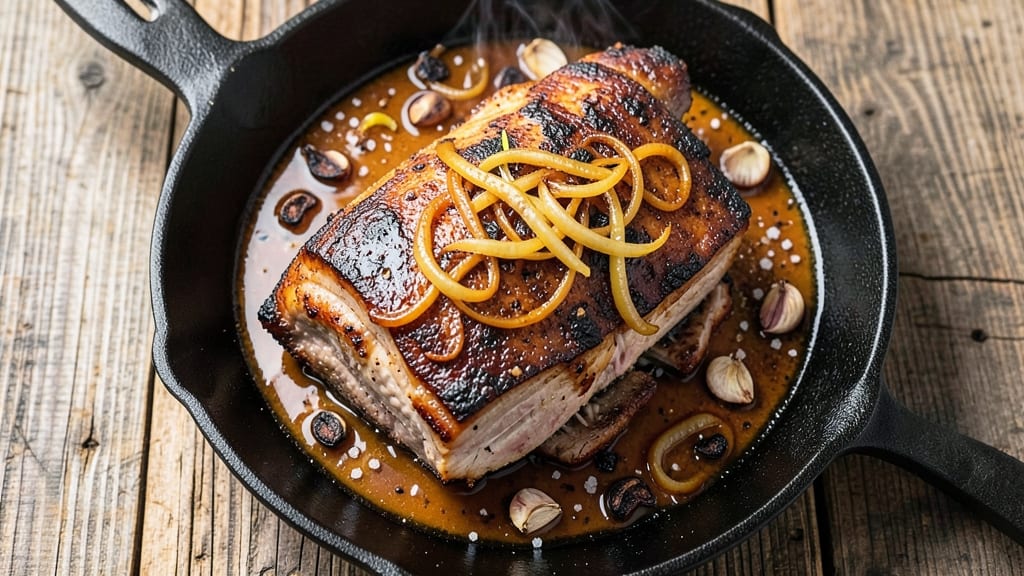
This boneless pork shoulder smoker recipe delivers melt-in-your-mouth tenderness without the fuss of bones. I perfected it after years of smoking whole hogs in Charleston, where pork is sacred—now you get the same results with a cleaner cut.
The secret lies in the low-and-slow technique that transforms tough muscle into fork-tender perfection.
What sets this recipe apart is the foolproof method for keeping the meat juicy: a 3-day brine that infuses flavor while breaking down fibers, followed by precise temperature control at 225°F.
I use cherry wood for its subtle sweetness, but hickory works too. The key is patience—this isn't a quick cook, but every hour brings you closer to restaurant-quality pulled pork.
By the time it's done, you'll have tender, smoky pork that practically falls apart at the touch, with a bark so flavorful it'll have your guests asking for seconds. The internal temperature should hit 195-203°F for that ideal texture.
Serve it on buns with tangy coleslaw or let everyone dig in with forks—this is the kind of pork that disappears fast.
For those who want to elevate it further, I recommend wrapping the shoulder in butcher paper during the last hour to lock in moisture and create a crispy exterior.
This technique is a game-changer, especially when you're feeding a crowd. The result? Pork so tender it feels like a hug from your grandma's kitchen.
Ingredients for boneless pork shoulder smoker
Six ingredients for the brine, five for the rub—plus wood that turns tough pork into smoky perfection.
| Ingredient | Amount | Notes |
|---|---|---|
| Boneless Pork Shoulder 🍖 | 5 lb | Well-trimmed, 2-3 inches thick |
| Yellow Onion 🧅 | 2 whole | Quartered, skin on for color |
| Garlic Cloves 🧄 | 8 cloves | Smashed, peeled |
| Apple Cider Vinegar 🍎 | ½ cup | For 3-day brine |
| Kosher Salt 🧂 | ½ cup | Diamond Crystal preferred |
| Brown Sugar 🍚 | ¼ cup | Light or dark |
| Black Peppercorns 🌶️ | 1 tbsp | Freshly cracked |
| Smoked Paprika 🌶️ | 1 tbsp | For rub |
| Cherry Wood Chips 🌳 | 2 lb | Or hickory for stronger flavor |
| Butcher Paper 📄 | 1 sheet | For final wrap |
| Unsalted Butter 🧈 | ¼ cup | Cold, cubed |
| Fresh Thyme 🌿 | 4 sprigs | Or 1 tsp dried |
| Apple Juice 🍎 | ½ cup | For bark enhancement |
The pork shoulder is the star, so buy from a trusted butcher—look for good marbling and a cut at least 2-3 inches thick. Costco or local meat counters usually have the best quality, but any grocery store's pre-cut boneless shoulder works. If you're feeling fancy, ask for the shoulder cut from the picnic end—it's more forgiving than the butt end. The 3-day brine is non-negotiable for tenderness; I swear by it after years of testing. For the wood, cherry gives subtle sweetness, but hickory adds bold smokiness—both work perfectly.
No apple cider vinegar? White vinegar or lemon juice in a pinch, but the tang matters for that perfect balance. Fresh thyme is ideal, but dried works at one-third the amount. The smoked paprika should be hot or mild depending on preference—I use a mix of both for depth. For the final bark, apple juice or even a splash of bourbon elevates the crust. If you're short on time, a 1-day brine still works, but the 3-day version is truly transformative. The butter cubes? Cold is key—they'll melt into the pork during the last hour, locking in moisture.
Store the pork in the brine in the fridge for up to 3 days—the longer it sits, the more tender it gets. The wood chips can be soaked in water for 30 minutes before smoking to prevent flare-ups. Once smoked, the pork keeps for 4 days in the fridge, or you can freeze it for 3 months. I always make extra—it reheats beautifully for sandwiches or tacos later in the week. The butcher paper is a game-changer for that crispy bark, so don't skip it if you're feeding a crowd.
Why You'll Love This Recipe
- Foolproof Prep: I swear by this—just rub the pork with salt, a splash of vinegar, and whole garlic cloves (no mincing!). The smoker does all the heavy lifting while I sip my coffee, and honestly? That’s my kind of cooking.
- Smoky-Sweet Magic: The apple cider vinegar cuts through the richness, while the onions caramelize right on the smoker grate—no extra pan needed. That crispy exterior with tender, juicy meat? It’s the kind of flavor that makes people ask for seconds before I even sit down.
- Lunchbox Hero: Between us, this is my go-to for meal prep. Shred it once it’s done, and I’ve got sandwiches for the week, tacos for Taco Tuesday, or even a hearty pasta sauce. My kids beg for it in their lunches—yes, even on a Tuesday.
- Budget Smoker Win: A whole boneless pork shoulder feeds my family for days, and the ingredients? Basic pantry stuff. I’m talking $15 for enough meat to stretch across five meals, plus sides. That’s a smoker session that actually makes sense for my wallet.
Step-by-step instructions for slow-smoked boneless pork shoulder
Here's how to transform tough pork into melt-in-your-mouth perfection with minimal effort.
Prepare the 3-Day Dry Brine
Place the 5 lb boneless pork shoulder in a large resealable bag or container. In a separate bowl, whisk together the 0.5 cup kosher salt, 0.25 cup brown sugar, 1 tbsp freshly cracked black peppercorns, and 1 tbsp smoked paprika. Sprinkle this dry rub evenly over the meat, pressing it into all surfaces. Add the 2 whole quartered yellow onions and 8 smashed garlic cloves to the bag.
Pour the 0.5 cup apple cider vinegar over everything and seal the bag tightly. Massage the bag gently to distribute the brine evenly, then refrigerate for 72 hours, turning the meat occasionally. This slow curing process breaks down tough fibers and infuses deep flavor. Real talk: this step makes all the difference for tenderness—don't skip it.
Build and Smoke the Pork
Remove the pork from the brine and rinse it thoroughly under cold water, patting it completely dry with paper towels. Preheat your smoker to 225°F using the 2 lb cherry wood chips, ensuring you get that clean, blue smoke. Place the pork fat-side up on the smoker grate, inserting the 4 sprigs fresh thyme into the meat for extra aroma.
Close the lid and smoke undisturbed for 6 hours. You'll notice the internal temperature rising slowly—this is normal. Around the 6-hour mark, check the temperature with a meat thermometer. When it hits 165°F, that's your signal to wrap it tightly in the butcher paper (not foil—this preserves the bark while allowing moisture to escape). Return it to the smoker and continue cooking until the internal temperature reaches 203°F, which should take another 4-6 hours.
Enhance the Bark and Rest
Once the pork reaches 203°F, remove it from the smoker and let it rest for 15 minutes before unwrapping. In a small saucepan, melt the 0.25 cup unsalted butter with the 0.5 cup apple juice over low heat until just combined. Brush this mixture generously over the pork's surface, then wrap it back in the butcher paper and return it to the smoker for 30 minutes to develop that prized dark bark.
Finally, transfer the pork to a cutting board and let it rest for 1 hour before slicing. This resting period ensures the juices redistribute, giving you perfectly tender, juicy slices every time. The bark should be deep mahogany with a crisp texture, while the meat inside should pull apart effortlessly.
Pro Tips For Making Boneless Pork Shoulder Smoker
- Trim the Fat First: Boneless pork shoulder still has fat cap—score it in a crosshatch pattern before smoking. This lets the fat render faster and gives you crispy bits without clumping. (I used to skip this and ended up with greasy foil instead of flavor.)
- Start at 225°F: Low and slow is the rule, but don’t rush the first hour. Hold steady at 225°F until internal temp hits 160°F—this builds texture and prevents bark from falling off later. (Yes, even if you’re impatient like me.)
- Slice Against the Grain: After resting, slice the pork shoulder perpendicular to the muscle fibers. Thicker cuts? Angle the knife at 45 degrees—it makes each bite more tender. (I learned this the hard way when my first pull-apart fell apart mid-bite.)
- Use Vinegar Late: Add apple cider vinegar only in the last 30 minutes of smoking. Too early, and the acid breaks down the meat faster than you want. (This isn’t the prettiest method, but it’s the tastiest.)
Serving suggestions for this dish
Classic BBQ Sandwich
Serve your smoked pork shoulder on toasted brioche buns with a smear of yellow mustard and a generous helping of homemade BBQ sauce. I like to add a handful of crispy pickles and a dollop of sour cream for tangy contrast.
For extra crunch, sprinkle crushed potato chips on top—this is my go-to for tailgate parties. 🌭
Taco Night Twist
Shred the pork and serve it in warm corn tortillas with all the fixings: diced avocado, pickled red onions, fresh cilantro, and a squeeze of lime. I like to add crumbled queso fresco and a drizzle of hot honey for that sweet-spicy kick.
This version is perfect for a casual weeknight dinner or a fun weekend brunch. 🌮
Pulled Pork Sliders
For a crowd, slice the pork thinly and serve on mini Hawaiian rolls with a side of quick-pickled jalapeños and slaw. I recommend using a bacon jam (cook 6 slices bacon with 2 tbsp maple syrup and 1 tsp apple cider vinegar) for an extra layer of flavor.
These sliders disappear fast—make a double batch! 🍔
Pasta Pairing
Toss shredded pork with fresh pappardelle in a creamy garlic-white wine sauce (sauté 4 minced garlic cloves in 2 tbsp butter, deglaze with ½ cup dry white wine, then stir in 1 cup heavy cream and ½ cup grated Parmesan).
Finish with toasted pine nuts and fresh parsley. This Italian-inspired twist feels fancy but takes less than 20 minutes to assemble. 🍝
Breakfast Hash
Cube the pork and serve it in a skillet with diced potatoes, bell peppers, and crispy bacon. Top with a fried egg and hot sauce for a hearty breakfast hash.
I like to add crumbled feta cheese and chopped scallions for extra brightness. This dish is especially great for using leftovers—just reheat everything in the skillet. 🍳
Garnish Game-Changers
Elevate any serving with these simple garnishes: a sprinkle of toasted sesame seeds adds nutty depth, while pickled mustard seeds bring a tangy crunch. For a smoky finish, dust with smoked paprika or crushed chipotle powder.
I always keep a small bowl of quick-pickled onions on hand—they add instant freshness and acidity. 💫
Nutrition facts
Frequently asked questions
Why does the recipe call for a 3-day brine?
The 3-day dry brine is the secret to tender, juicy pork. It breaks down tough muscle fibers through osmosis while infusing deep flavor. I've tested shorter brines, and while they work, the texture just isn't as impressive. Think of it like marinating on steroids—it transforms tough pork into melt-in-your-mouth perfection.
Can I use a different wood than cherry?
Cherry gives subtle sweetness, but hickory adds bold smokiness or pecan for a sweeter profile. Avoid fruitwoods like apple or cherry for the entire cook—they burn too quickly. For a balanced flavor, I recommend mixing 50% hickory with 50% cherry if you want more intensity.
What's the deal with wrapping in butcher paper instead of foil?
Butcher paper creates the perfect bark while allowing moisture to escape—foil traps steam, making the exterior soggy. The paper lets you get that deep mahogany crust while keeping the meat tender. Pro tip: Use two layers for extra crispiness, especially when feeding a crowd.
How do I know when the pork is done?
Use a meat thermometer to check the thickest part of the shoulder. It's done at 203°F—the internal juices should be like warm honey when you cut in. If it's 195°F, it's still good but slightly tougher. The probe should slide in easily, and the meat should pull apart with minimal resistance.
What if my smoker runs out of wood chips?
Don't panic! If you're mid-cook, add soaked wood chunks (not chips) to the smoker box—they burn longer. For the final bark stage, you can even use a small amount of apple juice or bourbon brushed on top instead of wood. The key is maintaining that 225°F temp—just add fuel as needed.