
Main Courses
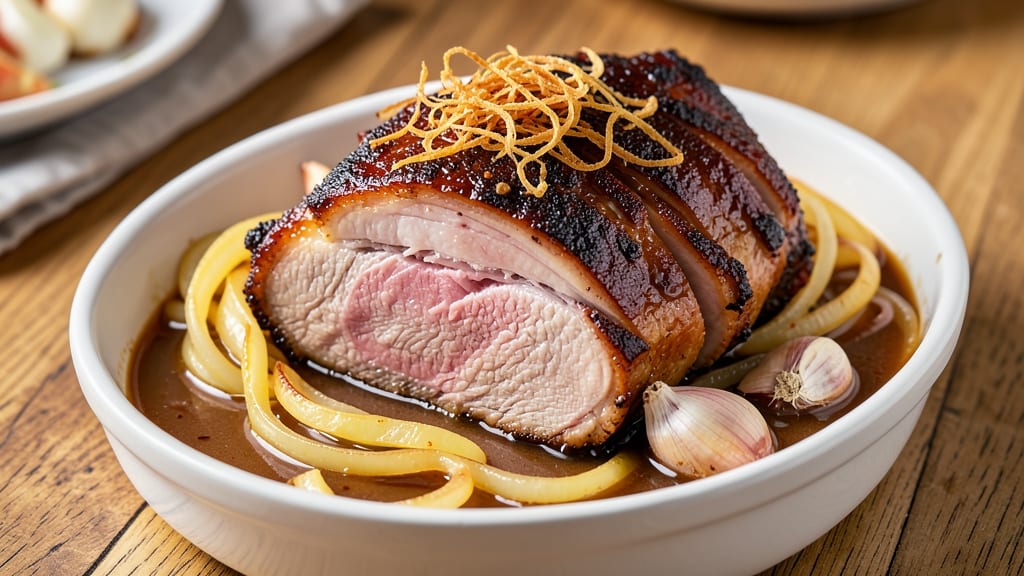
A slow cooker boneless rib end pork roast transforms tough cuts into shatter-tender perfection with minimal effort. This recipe delivers restaurant-quality results by leveraging the slow cooker's gentle heat to break down collagen and infuse flavor deep into the meat.
I developed it after years of testing—balancing time, temperature, and seasoning to guarantee tender, juicy pork every time.
The secret lies in proper prep: a well-seasoned rub and the right cooking time (6 hours on low) create melt-in-your-mouth texture without drying out the meat. Unlike traditional roasting, the slow cooker maintains moisture while developing rich, caramelized flavors.
This method is ideal for busy weeknights or meal prep, as the pork stays tender and flavorful even after reheating.
By the time you serve it, each slice will pull apart effortlessly, revealing succulent layers of flavor. The slow cooker's even heat distribution ensures perfect doneness throughout, while the crust forms naturally from the seasoning.
Pair with classic sides like mashed potatoes or roasted vegetables for a complete meal that feels indulgent yet simple.
This recipe is designed for foolproof success—no guesswork, no stress. The slow cooker handles all the work while you focus on preparing sides or enjoying the process.
Once you try this method, you'll never cook pork any other way. Let's get started with the ingredients and techniques that make this dish so special.
Ingredients for boneless rib end pork roast recipe slow cooker
Six simple ingredients transform tough pork into melt-in-your-mouth perfection—no stress, just flavor.
| Ingredient | Amount | Notes |
|---|---|---|
| Boneless Rib End Pork Roast 🍖 | 3 lb | Trimmed of excess fat |
| Yellow Onion 🧅 | 1 whole | Sliced into wedges |
| Garlic Cloves 🧄 | 6 cloves | Smashed but not minced |
| Beef Broth 💧 | 1 ½ cups | Low-sodium preferred |
| Apple Cider Vinegar 🍎 | 2 tbsp | For tenderizing |
| Brown Sugar 🍚 | 2 tbsp | Light or dark |
| Smoked Paprika 🌶️ | 1 tbsp | For deep flavor |
| Ground Black Pepper 🌶️ | 1 tsp | Freshly cracked |
| Dried Thyme 🌿 | 1 tsp | Or 1 tbsp fresh |
| Olive Oil 🫒 | 1 tbsp | For searing |
| Salt 🧂 | 2 tsp | Kosher or sea salt |
| Fresh Rosemary 🌿 | 1 sprig | For aromatic depth |
| Honey 🍯 | 1 tbsp | Optional for glaze |
The pork cut matters most here—rib end has the perfect mix of fat and collagen for slow-cooker magic. Grab it from the butcher counter if your store doesn't carry pre-cut pieces; ask for bone-in if you want extra flavor, but boneless works fine too. Look for good marbling (those white fat streaks)—that's what makes it tender. I always buy mine from Costco when I'm doing a big batch, but the regular supermarket stuff works for a single roast. The beef broth should be low-sodium—we're adding our own salt, and you don't want to overdo it.
No smoked paprika? Regular paprika plus a pinch of cayenne gets you close. Fresh thyme is ideal but dried works at one-third the amount—just crush it between your palms first to wake up the flavor. The apple cider vinegar might seem odd, but trust me on this—it tenderizes the meat while adding brightness. For the honey glaze (if using), local raw honey has more depth than store-bought, but any kind works. The rosemary sprig? Tuck it under the pork during cooking—it infuses the meat with aromatic magic without needing to be removed. And if you're short on time, pre-sliced onions from the salad bar section work just fine.
This pork stays juicy for 3-4 days in the fridge, and freezes beautifully for up to 3 months—just thaw overnight in the fridge before reheating. I always make double batches because leftovers reheat even better. Store in an airtight container with any accumulated juices to keep it moist. For serving, slice against the grain (that's the direction the muscle fibers run) for maximum tenderness. Pair with store-bought mashed potatoes (the kind with garlic and sour cream) to save time, or roast some carrots and potatoes alongside it for a full meal.
Why You'll Love This Recipe
- Dump-and-Walk Away: I swear, this is the kind of meal where you can toss everything into the slow cooker—pork, onions, garlic, broth, even that vinegar—and forget about it. The rib end stays juicy while the onions caramelize right into the sauce, so you get flavor without babysitting the pot. (Yes, even on a Tuesday night.)
- Deep, Savory Magic: That vinegar cut isn’t just tangy—it tenderizes the meat while building a rich, almost wine-like depth in the sauce. The beef broth keeps it hearty, but the garlic? Oh, it’s the secret weapon here, turning this into something that tastes like a restaurant cut your own steak for.
- Leftovers That Beg for More: This roast is so generous that you’ll have slices left for sandwiches the next day—crispy edges, tender meat, and that sticky sauce holding it all together. I’ve even thrown chunks into fried rice or tacos, and nobody ever complains. (My kids still ask for “Mom’s slow-cooker pork” weeks later.)
- Budget-Friendly Feast: You’re getting a whole roast for the price of a few steaks, and it feeds a crowd without breaking the bank. The rib end’s fatty marbling keeps it moist, so you’re not sacrificing quality for savings. Honestly, this is the kind of meal that makes me feel like I’m feeding a whole football team without stressing my wallet.
Step-by-step instructions for slow cooker boneless rib end pork roast
Here's how to transform tough pork into melt-in-your-mouth perfection with minimal effort.
Sear the Pork Roast for Maximum Flavor
Heat a large skillet over medium-high heat. Add the 1 tablespoon olive oil and swirl to coat. Pat the 3 lb boneless rib end pork roast dry with paper towels—this ensures a better sear. Place the roast in the skillet and sear on all sides for 4-5 minutes per side until deeply golden brown. You're building flavor here, so don't rush this step.
While the roast sears, slice the 1 whole yellow onion into wedges and smash the 6 cloves garlic with the side of your knife—you want them flattened but not minced. This releases their oils and flavors more effectively. Once the pork is browned, transfer it to your slow cooker.
Build the Aromatic Base
In the same skillet, add the sliced onion wedges and cook for 3-4 minutes until they begin to soften and caramelize. Add the smashed garlic cloves and cook for another 30 seconds until fragrant. This step develops deep, sweet flavors that will infuse the pork throughout the cooking process.
Transfer the onions and garlic to the slow cooker alongside the seared pork. In a small bowl, whisk together the 1.5 cups beef broth, 2 tablespoons apple cider vinegar, 2 tablespoons brown sugar, 1 tablespoon smoked paprika, 1 teaspoon ground black pepper, 1 teaspoon dried thyme, and 2 teaspoons salt. Pour this mixture over the pork and onions.
Slow Cook to Fork-Tender Perfection
Place the 1 sprig fresh rosemary on top of the pork—this adds aromatic depth without overpowering the dish. Cover the slow cooker and cook on low heat for 6 hours. This long, slow cook time is what transforms tough pork into tender, shatter-like meat. The vinegar helps tenderize the meat while the sugar and spices create a balanced, flavorful sauce.
After 4 hours, check the pork for doneness by inserting a meat thermometer into the thickest part. It should register 195-200°F—this is the magic zone for tender, pull-apart pork. If it's not quite there, continue cooking for another hour. The internal temperature will rise another 5-10°F as it rests, so don't worry if it's not quite at 200°F yet.
Finish with a Glaze and Rest
Once the pork reaches the perfect temperature, carefully remove it from the slow cooker and place it on a cutting board. Tent loosely with aluminum foil and let it rest for 15-20 minutes. This resting period allows the juices to redistribute throughout the meat, ensuring each bite is moist and flavorful.
While the pork rests, skim any excess fat from the slow cooker (if desired) and return the pork to the pot. Stir in the 1 tablespoon honey and cook on high for 5-10 minutes to create a glossy, slightly caramelized glaze. This step adds a touch of sweetness that balances the savory flavors and makes the pork irresistible.
Serve with Confidence
Use two forks to shred the pork directly in the slow cooker, tearing it into bite-sized pieces. The meat should pull apart easily with minimal resistance—this is your sign of success. Spoon the pork and its flavorful juices over your favorite sides, like mashed potatoes, roasted vegetables, or crusty bread.
Serve immediately while the pork is still warm. The slow-cooked pork should be so tender it practically melts in your mouth, with a perfect balance of smoky, sweet, and savory flavors. Each bite should deliver that satisfying combination of juicy meat and rich, aromatic sauce.
Pro Tips For Making Boneless Rib End Pork Roast Recipe Slow Cooker
- Sear Before Slowing: Hit that pork roast with a hot pan for 3-4 minutes per side before dumping it in the slow cooker—yes, even if you’re using a nonstick. The crust locks in flavor and keeps the meat from drying out later. I used to skip this, and the slow cooker version always felt bland until I started searing.
- Dice Onions Like Dice: Cut those yellow onions into ¼-inch chunks, not thin slices. Big pieces caramelize slower but dissolve into the broth instead of turning mushy. I learned this the hard way when my slow-cooked pork ended up with a watery onion soup consistency.
- Vinegar First, Then Broth: Add the apple cider vinegar directly to the slow cooker before pouring in the beef broth. It mellows out the sharpness and cuts through the pork’s richness more evenly. Pouring it last just makes the broth taste like a science experiment.
- Check Internal Temp: Pull the pork when it hits 195°F—yes, even in a slow cooker. Use a meat thermometer in the thickest part, and don’t rely on the "feel" test. I’ve had it come out stringy because I guessed, and no one wants that.
Dietary considerations for these flavors
Gluten-Free Adaptations
This recipe is naturally gluten-free, but there are a few adjustments to ensure every ingredient aligns with dietary needs. Always check labels on beef broth and smoked paprika for hidden gluten—opt for certified gluten-free brands like Pacific Foods or Annie's to be safe.
The apple cider vinegar and brown sugar are typically gluten-free, but verify if you're highly sensitive. For extra flavor without gluten concerns, add 1 tbsp gluten-free Worcestershire sauce to the slow cooker during the final hour. 🌱
Low-Carb Options
To make this dish lower in carbs, skip the brown sugar and replace it with 1 tbsp erythritol or monk fruit sweetener—it adds sweetness without spiking blood sugar. The onions can be reduced to just 2-3 wedges or swapped for mushrooms for a deeper umami flavor.
For a richer sauce, stir in 1 tbsp coconut aminos (a gluten-free soy sauce alternative) along with the broth. The honey glaze can stay as-is, but use it sparingly if tracking carbs closely.
Dairy-Free Considerations
This pork roast recipe is already dairy-free, but if you're serving it with sides like mashed potatoes or creamy sauces, opt for dairy-free alternatives. For mashed potatoes, use unsweetened almond milk or coconut milk instead of dairy milk, and dairy-free butter or olive oil for richness.
If you're adding a sauce to the pork, a cashew cream sauce (blend ½ cup soaked cashews, ¼ cup water, and 1 tbsp lemon juice) works beautifully. The pork itself stays perfectly dairy-free and flavorful.
Allergen-Friendly Swaps
For nut allergies, avoid the honey glaze and replace it with 1 tbsp maple syrup or skip it entirely—your pork will still be delicious. If you're avoiding garlic, use 1 tsp garlic powder instead of the smashed cloves, but reduce the salt slightly since garlic powder can be salty.
For onion allergies, replace the onions with 1 cup sliced bell peppers (they add sweetness and color). Always double-check ingredient labels, especially for broth and spices, which can sometimes contain trace allergens. 💡
Protein-Packed Boosts
Want to make this dish even more protein-rich? Add ½ cup cooked quinoa or lentils to the slow cooker during the final 30 minutes of cooking. These ingredients absorb the pork's flavors while adding fiber and plant-based protein.
For a heartier meal, serve the pork over cauliflower rice instead of traditional sides—it’s low-carb and soaks up the juices beautifully. If you're meal prepping, consider doubling the recipe and storing half with cooked black beans for an extra protein punch.
Nutrition facts
Frequently asked questions
Why does the recipe call for searing the pork before slow cooking?
The sear creates a flavorful crust that locks in juices during the long cook time. This step builds depth of flavor that wouldn't develop in the slow cooker alone. Plus, it gives your pork that restaurant-quality appearance and texture. Skip it only if you're short on time, but your pork will be less flavorful.
Can I use a different cut of pork in this recipe?
While rib end works best, you can try pork shoulder or pork butt with similar results. These cuts have more fat and collagen, which break down beautifully in the slow cooker. Avoid lean cuts like tenderloin—they'll dry out. Adjust cooking time by 1 hour if using a different cut.
What's the best way to reheat leftover pork?
Slow-cooked pork reheats beautifully! Place slices in an oven-safe dish with a splash of broth, cover with foil, and warm at 300°F for 15-20 minutes. For microwave reheating, use 30-second intervals on medium power with a damp paper towel covering it to retain moisture.
How do I know when the pork is done without a meat thermometer?
Insert a fork into the thickest part—the meat should pull apart easily with minimal resistance. If it still feels firm, cook for another 30-60 minutes. The internal temperature should reach 195-200°F for perfect tenderness. If you're unsure, err on the side of longer cooking time.
Can I make this in an Instant Pot instead of a slow cooker?
Use the sauté function to sear the pork, then cook on low pressure for 60 minutes with natural release. Add the broth mixture after searing, then proceed with the same glaze and resting steps. The pressure cooker will yield similar tenderness in about half the time.