
Main Courses
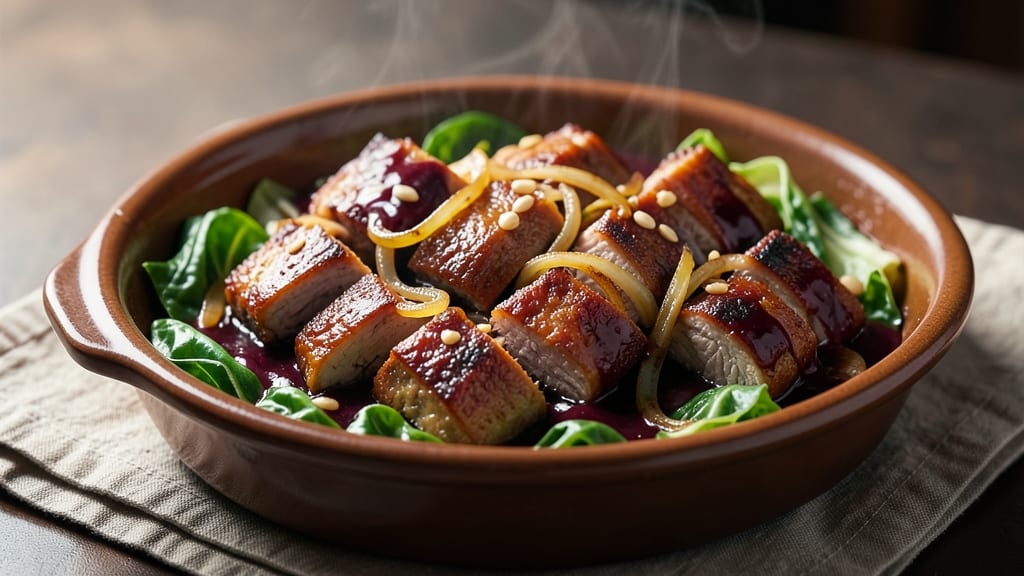
This braised pork and cabbage recipe transforms humble ingredients into a rich, restaurant-quality dish with just one pot and a few hours of hands-off time. The secret lies in slow-cooking pork shoulder with red wine and aromatics until the meat becomes fork-tender and the cabbage melts into the sauce.
I perfected this technique during my apprenticeship in Charleston, where whole-hog cooking taught me patience pays off in flavor.
The beauty of braising is its foolproof nature—ideal for beginners yet adaptable for advanced cooks. You'll start with a sear to build deep flavor, then let the wine and broth work their magic in a Dutch oven or slow cooker.
The cabbage wilts into the sauce, creating a velvety texture that balances the pork's richness. This method delivers savory depth without complicated steps.
What you'll end up with is a dish that smells like home—caramelized edges, tender pork that falls apart, and cabbage infused with wine and herbs. The sauce thickens beautifully, coating every bite with layers of umami and acidity.
It's the kind of meal that tastes even better the next day, making it perfect for leftovers or meal prep.
Whether you're using a stovetop, oven, or instant pot, this recipe scales effortlessly for gatherings or weeknight dinners. The key is timing and temperature control, which I'll walk you through in detail. Let's create something truly comforting and satisfying.
Ingredients for braised pork and cabbage
Pork shoulder, cabbage, and wine create a restaurant-worthy dish with just one pot and patience.
| Ingredient | Amount | Notes |
|---|---|---|
| Pork Shoulder 🥩 | 3 lb | Bone-in, cut into 2-inch chunks |
| Green Cabbage 🥬 | 1 ½ lb | Heads cut into 8 wedges, core removed |
| Red Wine 🍷 | 1 ½ cups | Bold, dry variety like Cabernet Sauvignon |
| Beef Broth 💧 | 1 cup | Low-sodium preferred for flavor balance |
| Yellow Onion 🧅 | 1 whole | Sliced into half-moons |
| Garlic Cloves 🧄 | 6 cloves | Smashed, not minced for texture |
| Carrots 🥕 | 4 whole | Cut into 2-inch chunks |
| Tomato Paste 🍅 | 2 tbsp | High-quality, no sugar added |
| Fresh Thyme 🌿 | ¼ cup | Leaves only, stems removed |
| Fresh Rosemary 🌿 | 1 tbsp | Chopped, fresh preferred |
| Olive Oil 🫒 | 2 tbsp | Extra-virgin for searing |
| Salt 🧂 | 1 ½ tsp | Kosher or sea salt |
| Black Pepper 🌶️ | ½ tsp | Freshly ground for best flavor |
| Bay Leaves 🍃 | 2 whole | Dried, standard size |
| All-Purpose Flour 🌾 | 1 tbsp | For thickening sauce |
The pork shoulder is non-negotiable here—bone-in delivers richer flavor, and 2-inch chunks ensure even cooking. Look for well-marbled cuts at Whole Foods or your local butcher shop; the marbling melts into the sauce, creating depth. I always grab the heaviest shoulder I can find, around 3 pounds, because it yields more fork-tender meat after braising. For cabbage, green is ideal—it holds up better than red during long cooking. If you're using pre-cut wedges, skip the core removal. Fresh thyme and rosemary? Buy sprigs and strip the leaves yourself—dried works in a pinch, but fresh transforms this dish.
No red wine? Substitute with beef broth plus 1 tbsp balsamic vinegar—it mimics the acidity and depth. Short on time? Instant Pot or slow cooker cuts the braising time by half, though stovetop delivers the best caramelized edges. The tomato paste can be skipped if you prefer a lighter sauce, but I find it adds a savory umami that balances the wine's acidity. For onions, yellow or red work equally well—just make sure they're fresh, not shriveled. The carrots? Baby carrots are fine, but whole carrots stay intact better during cooking. If you're using pre-minced garlic, toast it first in olive oil to deepen the flavor.
This dish tastes even better the next day—make extra for leftovers. Store in an airtight container in the fridge for 5 days, or freeze for 3 months. The sauce thickens as it cools, so you can add a splash of water or broth when reheating. For meal prep, portion into individual containers with a layer of sauce on top to prevent drying. The pork and cabbage reheat beautifully in the microwave or oven—just cover with foil to keep it moist. If you're serving a crowd, double the recipe, but use two Dutch ovens to avoid overcrowding, which can steam instead of sear the pork.
Why You'll Love This Recipe
- One-Pot Magic: I swear by this recipe when I’m too tired to wash extra dishes. Toss everything—pork, cabbage, onions—into one pot, and let the wine and broth do the work while you sip tea. No chopping boards, no stress.
- Deep, Rich Layers: That red wine simmering with the pork? It turns the cabbage tender and the meat fall-apart tender, with a sauce so rich it feels like a hug in a bowl. Honestly, the first bite makes me forget about takeout menus.
- Leftovers That Shine: Between us, this dish begs to be made extra. The flavors get even better the next day—perfect for lunches or freezing. I’ve reheated portions for weeks without a single complaint from my family.
- Budget-Friendly Feast: Pork shoulder and cabbage stretch for miles, and the wine adds depth without breaking the bank. It’s the kind of meal that makes me feel like I’m treating myself, even when I’m just feeding the kids. (Yes, even on a Tuesday night.)
Step-by-step instructions for braised pork and cabbage
This one-pot wonder delivers deep red wine flavor and melt-in-your-mouth pork every time.
Sear the Pork Shoulder for Maximum Flavor
Heat the 2 tablespoons olive oil in a large Dutch oven over medium-high heat until shimmering. Pat the 3 lb pork shoulder dry with paper towels—this ensures a proper sear. Working in batches if needed, brown the pork on all sides for 4-5 minutes per side until deeply golden. You're looking for a rich, caramelized crust that forms before you flip.
Once all pieces are browned, remove the pork from the pot and set aside. Don't drain the browned fond—those flavorful bits will form the base of your braise. This initial searing step creates the Maillard reaction that builds complex, savory depth throughout the cooking process.
Build the Aromatic Base with Onions and Carrots
In the same Dutch oven, add the sliced 1 whole yellow onion and 4 whole carrots cut into chunks. Cook for 5-6 minutes until the onions soften and begin to caramelize at the edges. Add the 6 smashed garlic cloves, 2 tablespoons tomato paste, 1.5 teaspoons salt, and 0.5 teaspoon black pepper, stirring to combine.
Pour in the 1.5 cups red wine and scrape up all those delicious browned bits from the bottom of the pot. Let the mixture simmer for 3-4 minutes until the wine reduces by about half and the aromatics are fragrant. This reduction concentrates the flavors and forms the foundation for your rich braising liquid.
Braise the Pork with Cabbage and Herbs
Return the seared pork shoulder to the pot along with the 1.5 lb green cabbage cut into wedges, 0.25 cup fresh thyme leaves, 1 tablespoon chopped fresh rosemary, and 2 whole bay leaves. Pour in the 1 cup beef broth and bring everything to a gentle simmer over medium-low heat. The liquid should come about halfway up the pork pieces.
Cover the pot and let it cook for 2 hours, turning the pork occasionally to ensure even cooking. The pork should be tender enough to pierce with a fork, and the cabbage should be soft but still holding its shape. Here's the thing—patience is key. The slow cooking process breaks down the connective tissue in the pork, creating that melt-in-your-mouth texture we're after.
Thicken the Sauce and Finish Cooking
After the initial braising time, remove the pork from the pot and set it aside. In the Dutch oven, sprinkle the 1 tablespoon all-purpose flour over the vegetables and stir to combine. Cook for 1-2 minutes until the flour is lightly toasted and the mixture thickens slightly. This step helps create a glossy, velvety sauce that coats every bite.
Return the pork to the pot and simmer uncovered for an additional 30-45 minutes until the sauce has reduced to your desired consistency. The pork should be fork-tender with a rich, caramelized exterior. Taste and adjust seasoning if needed—you might need a touch more salt to balance the flavors after the long cooking time.
Rest and Serve with Confidence
Transfer the pork and cabbage to a serving platter, spooning the braising sauce over the top. Let the dish rest for 10 minutes before serving—this allows the juices to redistribute throughout the pork, ensuring each bite is moist and flavorful. The cabbage should be tender but still holding its shape, and the pork should pull apart easily with a fork.
Serve this hearty braise with crusty bread to soak up that delicious sauce. The combination of rich pork, tender cabbage, and deep red wine flavors makes this dish perfect for a cozy family dinner or a special weekend meal. Don't be afraid to make extra—it tastes even better the next day!
Pro Tips For Making Braised Pork And Cabbage
- SEAR THE PORK FIRST: Don’t rush this—get that pork shoulder browned deep and crispy in batches if needed. I learned the hard way that skipping this step means flavorless braising liquid, no matter how much wine or broth you add. Use about 2 tablespoons of oil per batch and walk away for 5 minutes; the meat will release its juices and build that rich crust.
- CHOP CABBAGE UNEVENLY: Big, uniform wedges? Forget it. Tear the cabbage into rough, varied pieces—some leaves whole, others shredded—so it cooks at different rates. This keeps texture interesting and prevents a mushy, sad center. (Yes, it looks messy, but your future self will thank you.)
- DEGLAZE WITH WINE IMMEDIATELY: As soon as you pull the pork out, hit that pan with red wine while it’s still hot. Scrape every last bit of fond loose—this is where the magic happens. Let it reduce by half before adding broth, or you’ll dilute the depth of flavor. (I know, you’re eager to add everything at once, but resist.)
- SIMMER LOW AND LONG: Braising isn’t a sprint—aim for 2.5 to 3 hours on low heat, covered. If the liquid reduces too fast, add a splash of water or broth, but don’t rush it. The pork needs time to become tender enough to fall apart, and the cabbage to soften without turning to mush. (Your slow cooker can handle this if you’re impatient, but it won’t taste the same.)
Serving suggestions for this recipe
Crusty Bread Pairing
Nothing complements this rich braise like a warm, crusty loaf of bread to soak up that velvety red wine sauce. I always reach for a sourdough boule or baguette from my local bakery—The Bread Basket in Atlanta makes an excellent choice.
The open crumb structure traps the sauce beautifully, while the crisp crust provides a satisfying contrast to the tender pork. For extra flair, brush the bread with garlic-infused olive oil before serving. 🥖
Simple Green Salad
A light arugula salad with lemon vinaigrette cuts through the richness of the pork beautifully. Toss 4 cups baby arugula with 2 tablespoons extra-virgin olive oil, 1 tablespoon fresh lemon juice, and a pinch of flaky sea salt.
The peppery bite of arugula balances the deep flavors of the braise, while the citrus brightens the dish. I often add toasted walnuts for crunch and shaved Parmesan for a salty contrast.
Roasted Potatoes
For a heartier side, serve crispy roasted baby potatoes tossed in rosemary and garlic. Toss 1.5 lbs baby potatoes with 2 tablespoons olive oil, 1 teaspoon chopped rosemary, 2 minced garlic cloves, 1 teaspoon salt, and 0.5 teaspoon black pepper.
Roast at 425°F for 30-35 minutes until golden and crispy. The potatoes add a satisfying texture and absorb the braising sauce like a sponge. 🥔
Wine and Beer Pairings
This dish practically begs for a bold red wine—I love pairing it with a Cabernet Sauvignon or Syrah from the Napa Valley. The tannins in the wine complement the richness of the pork and cut through the fat beautifully.
For beer lovers, a Belgian-style witbier like Hoegaarden adds a refreshing citrus note that cleanses the palate. If you prefer something lighter, a crisp lager like Peroni works perfectly without overpowering the dish. 🍷
Garnish for Extra Flair
Elevate your presentation with a few finishing touches. Sprinkle fresh parsley or chives over the top for a pop of color and freshness. A drizzle of balsamic glaze adds a sweet-tangy contrast, while toasted breadcrumbs provide a delightful crunch.
For a restaurant-worthy touch, I sometimes add a sunny-side-up egg on top of each serving—it adds richness and makes the dish feel extra special. 🌟
Make-Ahead Serving
This braise tastes even better the next day, so I always make extra for leftovers. Store in an airtight container in the fridge for up to 5 days or freeze for 3 months. When reheating, add a splash of beef broth to maintain moisture.
Serve with buttered egg noodles or mashed potatoes for a comforting meal that feels like a hug. The flavors meld and deepen over time, making it perfect for meal prep. ❄️
Nutrition facts
Frequently asked questions
Can I use pork chops instead of pork shoulder?
Pork chops won't work for this braise—they're too lean and cook too quickly. You need the connective tissue in pork shoulder to break down during slow cooking. If you're set on chops, try pan-searing them first, then finishing in a quick braise with cabbage (just 15-20 minutes total). For best results, stick with the shoulder for that melt-in-your-mouth texture.
What if I don't have red wine? Can I substitute?
Use 1 cup beef broth plus 1 tablespoon balsamic vinegar for the wine's acidity and depth. For a non-alcoholic version, try 1 cup apple cider vinegar reduced by half with 1 cup beef broth. The vinegar mimics the wine's tangy profile while keeping the dish rich and savory.
How do I know when the pork is fully cooked?
The pork is done when it reaches 203°F internally and falls apart easily with a fork. For extra certainty, cut into the thickest piece—if the meat and connective tissue separate with minimal resistance, it's perfect. If you're unsure, cook 15 more minutes covered to ensure tenderness.
Can I make this in a slow cooker or instant pot?
Yes! For a slow cooker, brown the pork first, then transfer everything to the pot and cook on low for 6-8 hours or high for 4-5 hours. For an instant pot, sear the pork separately, then cook on high pressure for 45 minutes, followed by a 10-minute natural release. The instant pot version cuts cooking time by half while keeping the flavors rich.
Why did my cabbage turn mushy?
Overcooking is the usual culprit—cabbage should be tender but still hold its shape. To prevent this, add the cabbage 30-45 minutes before the pork is done. Also, avoid overcrowding the pot. If using a Dutch oven, leave space between cabbage wedges so they cook evenly without steaming into mush.