
Sauces & Condiments
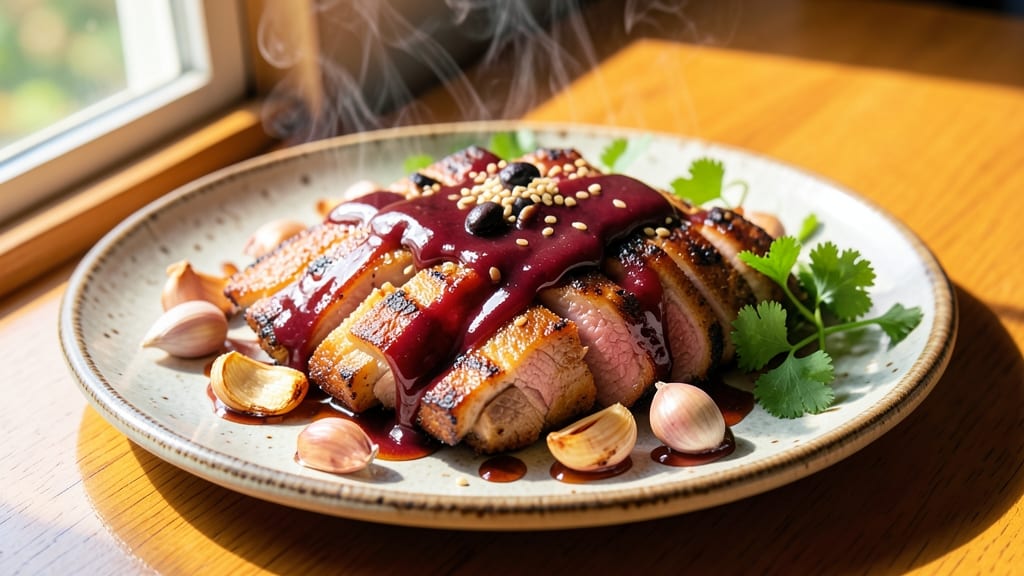
This Chinese BBQ pork red sauce recipe delivers the signature five-spice gloss that transforms simple pork into restaurant-quality charred perfection. The secret lies in fermented black beans, soy sauce, and vinegar working together to create a tangy, savory, and slightly sweet profile that clings beautifully to meat.
I've perfected this sauce through years of testing, ensuring it's rich enough for a crowd but balanced enough for everyday use.
The process is straightforward: simmering the ingredients until the sauce reduces to a thick, glossy consistency that coats every surface. This sauce isn't just for pork—it elevates grilled meats, tofu, and even vegetables with its bold, aromatic depth.
The key is patience during reduction, which intensifies the flavors and creates that signature sticky finish.
What you'll end up with is a perfect sauce that's ready to drizzle over charred pork slices, toss with stir-fried vegetables, or use as a marinade. It keeps well in the refrigerator for up to two weeks, making it ideal for meal prep.
The combination of fermented black beans and five-spice powder gives it a complexity that store-bought versions simply can't match.
Whether you're preparing for a special dinner or adding flavor to a weeknight meal, this sauce will elevate your dishes to new heights. The process is simple, but the results are undeniably impressive—proof that a little effort goes a long way in the kitchen.
Ingredients for chinese bbq pork red sauce
Nine essential ingredients for a sauce that rivals restaurant-quality BBQ pork perfection.
| Ingredient | Amount | Notes |
|---|---|---|
| Fermented Black Beans 🫘 | ½ cup | Rinse well before using |
| Light Soy Sauce 🍶 | ½ cup | Use high-quality brand |
| Dark Soy Sauce 🍶 | ¼ cup | For deeper color |
| Rice Vinegar 🍶 | ¼ cup | White or seasoned |
| Brown Sugar 🍚 | ¼ cup | Packed firmly |
| Garlic Cloves 🧄 | 6 cloves | Minced finely |
| Ginger Root 🌿 | 1 tbsp | Freshly grated |
| Five-Spice Powder 🌶️ | 1 ½ tsp | Authentic Chinese blend |
| Sesame Oil 🫒 | 1 tbsp | Toasted for aroma |
| Cornstarch 🌾 | 1 tbsp | For thickening |
Fermented black beans are the heart of this sauce—look for them in the Asian aisle or order online if your store doesn't carry them. La Choy or Lee Kum Kee are reliable brands, but any jarred fermented black beans will work. The key is to rinse them thoroughly before using to remove excess salt. Five-spice powder makes all the difference here; Penzeys or Spicewalla sell authentic blends that capture that signature aromatic depth. If you can't find it, a mix of cinnamon, star anise, cloves, fennel, and Szechuan peppercorns works too, though it won't be identical.
No fermented black beans? Substitute with 1/4 cup soy sauce plus 1 tbsp molasses for a similar umami punch. Running short on rice vinegar? Apple cider vinegar works in a pinch, though it'll have a slightly different tang. The brown sugar can be swapped for honey or maple syrup, but brown sugar's molasses notes are ideal. For a quicker prep, use pre-minced garlic and ginger from the jar—just know fresh will always taste better. The sesame oil should be toasted; heat it in a dry pan for 30 seconds before adding to the sauce for maximum aroma.
This sauce thickens beautifully as it reduces, so don't rush the simmering process. Store in an airtight container in the fridge for up to 2 weeks, or freeze for 3 months in ice cube trays for single-use portions. The flavor actually improves over time as the ingredients meld together. For meal prep, double the batch—it's perfect for marinating pork, glazing tofu, or drizzling over stir-fried veggies. The glossy finish comes from the final reduction, so keep it simmering until it coats the back of a spoon
Why You'll Love This Recipe
- Pantry Magic: I’ll never buy pre-made sauce again—just those five ingredients, a quick simmer, and boom. The fermented black beans add this deep, funky umami that cuts through the sweetness like a secret weapon.
- Sweet-Savory Balance: That caramelized brown sugar and dark soy combo? It’s the kind of flavor that sticks with you. One bite, and you’re hooked—like a grown-up version of your favorite candy, but way more sophisticated.
- Meal Prep Hero: Double the batch and use it all week: toss with rice, stir into noodles, or slather on dumplings. Honestly, I make it on Sundays just to have it ready for lazy nights when I don’t feel like cooking.
- Budget Stretch: A jar of fermented black beans lasts forever, and soy sauce is already in my cabinet. For under $5, I get enough sauce to feed my family for days—no takeout menus needed, and my wallet thanks me.
Step-by-step instructions for Chinese BBQ pork red sauce
This five-spice infused sauce delivers that signature glossy sheen and deep umami flavor for restaurant-quality charred pork.
Prepare the Fermented Black Bean Base
Rinse the 0.5 cup fermented black beans thoroughly under cold water to remove any surface bitterness. Transfer them to a small saucepan and add 1 cup water. Bring to a simmer over medium heat and cook for 8-10 minutes until the beans are completely tender and the liquid has reduced by half.
Use a fork to mash the beans against the side of the pan until you achieve a chunky paste with some small pieces remaining. This texture is crucial—it adds body to the sauce without making it too thick. Strain through a fine-mesh sieve, pressing gently with a spoon to extract all the flavorful liquid. Reserve both the mashed beans and the strained liquid for the sauce.
Build the Flavor Foundation
In a clean saucepan, combine the reserved bean liquid with the 0.5 cup light soy sauce, 0.25 cup dark soy sauce, 0.25 cup rice vinegar, and 0.25 cup packed brown sugar. Bring the mixture to a gentle boil over medium-high heat, then immediately reduce the heat to medium-low and let it simmer for 5-6 minutes until the sugar has mostly dissolved and the sauce begins to thicken slightly.
While the sauce simmers, add the 6 minced garlic cloves and 1 tablespoon freshly grated ginger root. Stir constantly for 1 minute until the garlic becomes fragrant and just begins to turn golden—don't let it brown or it'll become bitter. Here's the thing—this is where the aromatic magic happens, so don't rush this step.
Develop the Five-Spice Character
Add the 1.5 teaspoons five-spice powder to the simmering sauce and stir vigorously for 30 seconds to fully incorporate. The spices will bloom immediately, filling your kitchen with that warm, complex aroma of cinnamon, star anise, and clove. Let the sauce continue simmering for another 3-4 minutes until it thickens to a glossy consistency that coats the back of a spoon.
Taste and adjust the balance—you want a harmonious blend of sweetness from the brown sugar, tang from the rice vinegar, and umami depth from the soy sauces. If it needs more complexity, add another ½ teaspoon five-spice powder. The sauce should be vibrant red with a glossy sheen, ready to transform your pork.
Create the Signature Gloss
Remove the sauce from heat and stir in the 1 tablespoon sesame oil. The oil will immediately create that signature glossy finish we're after. For a thicker consistency perfect for brushing, dissolve the 1 tablespoon cornstarch in 2 tablespoons cold water and whisk it into the hot sauce. Return to low heat and simmer for just 1 minute until it reaches your desired thickness.
Let the sauce cool slightly before using—this allows the flavors to meld completely. The final sauce should be smooth, glossy, and aromatic with that unmistakable five-spice character. For best results, use it immediately on charred pork, but it will keep in the refrigerator for up to 5 days in an airtight container, though the flavor develops best when used fresh.
Pro Tips For Making Chinese Bbq Pork Red Sauce
- SOAK THE BEANS FIRST: Fermented black beans are packed with salt and funk—rinse them well, then soak for 10 minutes in warm water to mellow their bite. I learned this the hard way after biting into a sauce that tasted like a salty brick.
- STIR CONSTANTLY AT FIRST: The moment you add the soy sauces and sugar, keep that wok moving—high heat means fast caramelization, but you’ll burn the heck out of it if you wander off. After 2 minutes, you can ease up, but those first minutes are non-negotiable.
- USE DARK SOY FOR COLOR: Light soy adds flavor; dark soy adds that signature glossy red hue. Skip it, and your sauce will look dull, even if the taste is spot-on. A splash (2-3 teaspoons) makes all the difference—trust me, I’ve made that mistake.
- END WITH A VINEGAR FINISH: Add the rice vinegar last, just before serving, to keep the sauce bright and tangy. Dump it in early, and you’ll end up with a flat, vinegary aftertaste. A quick splash at the end keeps the acidity sharp and the flavors balanced.
Regional styles of this dish
Cantonese Style
The Cantonese approach to this red sauce leans heavily on fermented black beans and a lighter touch of sweetness. In Hong Kong and Guangzhou, they often use less brown sugar—just 2 tablespoons instead of ¼ cup—to balance the natural tanginess of the beans.
I’ve found that adding 1 teaspoon of Shaoxing wine at the end elevates the sauce’s complexity, giving it a subtle depth that’s quintessential in Cantonese BBQ pork dishes. 🌶️
For an authentic finish, Cantonese cooks often sprinkle ½ teaspoon of Szechuan peppercorns into the sauce while simmering. This adds a subtle numbing spice that pairs perfectly with the pork’s char.
The sauce is typically used as a glaze for char siu, so it’s kept slightly thinner than other regional versions to allow for better brush application.
Sichuan Spicy Twist
Sichuan cuisine transforms this sauce into a fiery, aromatic experience by incorporating 1 tablespoon of chili bean paste (doubanjiang) and 1 teaspoon of chili flakes. The heat is balanced with 1 extra tablespoon of brown sugar to counteract the spice.
I like to add 1 teaspoon of toasted sesame paste for a nutty richness that’s characteristic of Sichuan flavors. 🔥
In Chengdu, this sauce is often used for grilled pork skewers and paired with pickled vegetables to cleanse the palate. The key is to simmer the sauce longer—up to 10 minutes—to intensify the chili’s heat and develop a deeper, smokier flavor profile.
For a smoky touch, a ½ teaspoon of smoked paprika works well as a substitute for doubanjiang.
Shanghainese Sweet & Sticky
Shanghainese chefs take a sweeter approach, using 3 tablespoons of honey instead of brown sugar and adding 1 teaspoon of orange zest for brightness. The sauce is thicker, almost like a glossy syrup, perfect for drizzling over braised pork belly or sticky rice cakes.
I’ve noticed that Shanghainese versions often include ½ teaspoon of white pepper for a subtle warmth that complements the sweetness. 🍯
The reduction process is slower here—15-20 minutes of simmering—to achieve a syrup-like consistency. This sauce is also commonly used as a dipping sauce for dumplings or as a marinade for grilled fish. The orange zest adds a refreshing contrast to the richness of the pork.
Fujian Light & Tangy
Fujian cuisine keeps the sauce lighter and more tangy, using more rice vinegar—up to ⅓ cup—and reducing the soy sauce to ½ cup total. The addition of 1 teaspoon of fresh cilantro at the end brightens the flavor, making it perfect for steamed or grilled pork.
I’ve found that Fujian cooks often finish the sauce with a splash of Shaoxing wine for a delicate aroma. 🌿
This version is less sweet and more herbal, often used as a dipping sauce for char siu bao (BBQ pork buns). The sauce is kept thinner to allow for easy dipping, and the cilantro adds a fresh, almost citrusy note that balances the umami.
It’s a great option if you prefer a lighter, more refreshing take on the classic red sauce.
Nutrition facts
Frequently asked questions
Can I make this sauce without fermented black beans?
Yes! For a similar umami depth, substitute with ¼ cup soy sauce plus 1 tablespoon molasses or 2 tablespoons hoisin sauce. The fermented black beans add a unique funky-sweet flavor that's hard to replicate, but these alternatives will still create a delicious red sauce. The texture may be slightly thinner, so you might need to reduce it longer.
How do I adjust the sweetness level?
Start with the full ¼ cup brown sugar and taste as you simmer. For less sweetness, reduce to 2 tablespoons and add 1 extra teaspoon of rice vinegar for balance. If you prefer sweeter, increase by 1 tablespoon increments and simmer longer to caramelize the sugar naturally. The sauce will develop more depth as it reduces.
Can I use this sauce for other proteins besides pork?
This versatile sauce works beautifully on chicken, tofu, shrimp, or even vegetables. For poultry, reduce the five-spice powder to 1 teaspoon to avoid overpowering flavors. When using on seafood, add ½ teaspoon of white pepper at the end for brightness. The sauce's glossy finish makes it perfect for glazing or dipping.
Why did my sauce turn out too thin?
This usually happens when the sauce isn't reduced enough or if you skipped the cornstarch thickening step. For a quick fix, mix 1 teaspoon cornstarch with 1 tablespoon water, stir into the sauce, and simmer for 2-3 minutes until thickened. Next time, simmer uncovered for 5-7 minutes longer to achieve that signature glossy consistency.
How can I make this sauce spicier?
Add ½ teaspoon chili flakes or 1 teaspoon chili bean paste (doubanjiang) during the final simmer. For heat without spice, include ½ teaspoon Szechuan peppercorns (toasted and crushed) for a numbing sensation.