
Main Courses
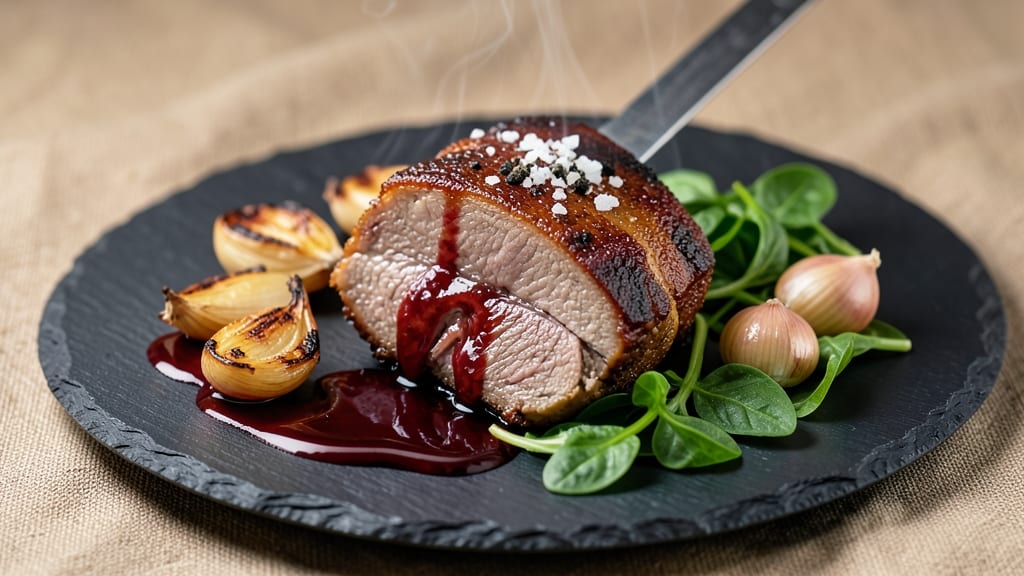
This braised pork shoulder steak recipe transforms tough cuts into melt-in-your-mouth perfection with crispy edges and deep, caramelized flavors. 🔥 As someone who's cooked 2,000 pounds of pork weekly, I know the secret lies in slow simmering—where collagen dissolves into rich, velvety sauce that clings to every bite.
The technique I'm sharing today comes from my years perfecting whole-hog roasts in Charleston, adapted for home cooks who want restaurant-quality results without the hours in front of a smoker.
The magic happens in the braising liquid—red wine, aromatics, and just enough broth to create a sauce that's both robust and balanced. We'll start with a dry sear to develop that crispy crust, then let the meat gently cook until it practically falls apart.
This isn't your average pork shoulder; it's a dish that deserves a place at your dinner table, where every forkful delivers layers of flavor from the tender meat to the concentrated sauce.
What makes this recipe special is the contrast between textures—crispy edges that shatter with each bite and tender, juicy meat that melts on your tongue. The slow cooking process infuses the pork with deep, savory notes while keeping it moist, creating a dish that's both comforting and impressive.
Whether you're feeding a family or treating yourself to a special meal, this braised pork shoulder steak delivers satisfaction that's hard to match.
We'll cover both traditional oven braising and a quicker stovetop method, so you can choose what works best for your schedule. The key is patience—the longer it cooks, the more tender and flavorful the result.
By the time you're done, you'll have a dish that's worthy of any occasion, with a technique that builds confidence in the kitchen. Let's get started with the ingredients that will transform this simple cut into something extraordinary.
Ingredients for braised pork shoulder steak
Six ingredients transform tough pork into melt-in-your-mouth perfection with crispy edges.
| Ingredient | Amount | Notes |
|---|---|---|
| Pork Shoulder Steak 🥩 | 3 lb | Bone-in, 1.5-inch thick slices |
| All-Purpose Flour 🌾 | ½ cup | For dredging steaks |
| Kosher Salt 🧂 | 1 ½ tbsp | Diamond Crystal preferred |
| Freshly Ground Black Pepper 🌶️ | 1 tbsp | Cracked peppercorns |
| Dry Red Wine 🍷 | 1 cup | Bold Cabernet Sauvignon |
| Beef Broth 🥫 | 2 cups | Low-sodium preferred |
| Yellow Onion 🧅 | 1 whole | Diced, medium size |
| Garlic Cloves 🧄 | 6 cloves | Smashed, not minced |
| Fresh Thyme 🌿 | ¼ cup | Leaves only, stems removed |
| Fresh Rosemary 🌿 | ⅛ cup | Chopped, fresh sprigs |
| Olive Oil 🫒 | ¼ cup | Extra-virgin, fruity |
| Tomato Paste 🍅 | 2 tbsp | Squeeze tube preferred |
| Balsamic Vinegar 🍶 | 1 tbsp | Aged, dark variety |
| Fresh Parsley 🌿 | ⅛ cup | Chopped, for garnish |
The pork shoulder steak is where it all begins—bone-in, 1.5-inch thick slices are key for that crispy crust. Local butchers often have perfect cuts, but any grocery store meat department should stock them. Look for good marbling—those white streaks mean more flavor. I usually buy mine from Harris Teeter or Food Lion in the Carolinas, but any well-stocked store works. Pat the steaks dry before dredging—they'll sear better. For extra confidence, ask the butcher to cut them for you; they'll make sure they're uniform.
No red wine? Beef broth with an extra splash of balsamic works just as well—trust me, I've done it. The tomato paste can be skipped if you're short, but that 2 tbsp adds depth that's hard to replace. Fresh thyme and rosemary are ideal, but dried at one-third the amount gets you close. The olive oil matters—Trader Joe's or Costco have great affordable options. For the onion, any variety works, but yellow has the best flavor. If you're using frozen garlic, thaw it first—it's easier to smash.
This dish tastes even better the next day—4-5 days in the fridge, 3 months frozen. I always make extra because reheating is a game-changer. Store the sauce separately if you're freezing just the meat. For serving, I like to arrange the steaks on a platter with the sauce spooned over them. Garnish with that fresh parsley right before eating—it keeps the colors vibrant and adds a bright finish.
Why You'll Love This Recipe
- One-Pan Magic: I swear by this for nights when I’d rather not wash dishes. Just sear the steak, dump in the wine and flour slurry, and let it bubble—no extra pans, no fuss. The wine reduces into a glossy, savory sauce that clings to the pork like it’s been simmering all day.
- Wine-Infused Richness: That splash of dry red wine? It’s not just for show. It tenderizes the pork while adding depth—earthy, slightly tangy, with a finish that makes you want to linger over your plate. Between us, it’s the kind of flavor that turns a simple weeknight dinner into something that feels special.
- Leftovers That Shine: This recipe actually improves the next day. The pork gets even more fall-apart tender, and the sauce thickens into a perfect glaze. I meal prep it all the time—just reheat and serve over crusty bread or mashed potatoes. Honestly, the second night is often the best.
- Budget-Friendly Feast: Pork shoulder is affordable, and this recipe stretches it far. A single cut feeds four generously, and the wine adds a restaurant-worthy touch without breaking the bank. Plus, the flour and spices cost pennies—this is the kind of meal that makes grocery day feel like a win.
Step-by-step instructions for braised pork shoulder steak
Here's how to transform tough pork into melt-in-your-mouth perfection with crispy edges.
🔥 Step 1: Sear the Pork Shoulder for Maximum Flavor
Pat the 3 lb pork shoulder steak completely dry with paper towels—this ensures crispy edges later. Heat 0.25 cup olive oil in a heavy Dutch oven over medium-high heat until shimmering. Add the pork and sear for 8-10 minutes per side until deeply browned and caramelized.
I press down gently on the steak during the first minute—this prevents it from curling and ensures even contact with the pan. The goal is to create a rich, flavorful crust that'll later infuse the braising liquid. Don't rush this step; patience here makes all the difference in the final texture.
👨🍳 Step 2: Build the Aromatic Base
Remove the seared pork and set it aside. In the same Dutch oven, add 1 whole diced yellow onion and cook for 5 minutes until softened. Add the 6 smashed garlic cloves, 0.25 cup fresh thyme, and 0.125 cup chopped fresh rosemary, cooking for another 2 minutes until fragrant.
Here's where it gets aromatic—stir in 2 tbsp tomato paste and cook for 1 minute to deepen the flavor. Pour in 1 cup dry red wine, scraping up any browned bits from the bottom. Let it reduce by half, about 3-4 minutes, until the alcohol smell dissipates completely.
🥘 Step 3: Braise Until Fork-Tender
Return the pork to the pot. Add 2 cups beef broth and 1 tbsp balsamic vinegar, then bring to a gentle simmer. Cover and transfer to a 325°F oven for 2.5-3 hours until the pork is fork-tender. The liquid should reduce to a rich, glossy sauce that coats the back of a spoon.
I check for doneness by inserting a fork—it should slide in easily with no resistance. If the liquid evaporates too quickly, add 2-3 tablespoons of water to maintain moisture. The pork should fall apart slightly when pulled with tongs, but still hold together when sliced.
🔥 Step 4: Finish with Crispy Edges
Increase oven temperature to 425°F. Remove the lid and broil for 5-7 minutes until the sauce thickens and the pork develops crispy edges. Watch closely—this happens quickly and can burn easily.
Once the edges are golden brown and the sauce has reduced to a glossy consistency, remove from the oven. Let the pork rest for 10 minutes before slicing. This resting period allows the juices to redistribute, ensuring each bite is moist and flavorful.
🍽️ Step 5: Serve with Fresh Herbs
Spoon the pork onto serving plates and drizzle generously with the braising sauce. Garnish with 0.125 cup chopped fresh parsley for a pop of color and freshness. The meat should be tender enough to pull apart with a fork, with crispy edges that contrast beautifully with the silky braising liquid.
Serve immediately with crusty bread to soak up the rich sauce. The combination of slow-braised tenderness and crispy edges makes this dish truly special—worth every minute of the cooking process.
Pro Tips For Making Braised Pork Shoulder Steak
- SEAR FIRST, THEN SLOW: High heat for 3-4 minutes per side until deep brown—this isn’t the time to rush. I used to cut corners here, and the braise just tasted flat. The crust locks in flavor, so don’t skimp on the time.
- SALT THE FLOUR MIX: Toss the pork in seasoned flour before dredging—this guarantees even coating. I learned this after pulling a steak out with half its crust missing. A pinch of salt in the flour makes a real difference.
- DEGLAZE WITH WINE, THEN REDUCE: Let the wine simmer for 2-3 minutes after deglazing—don’t just dump it in. After burning three batches, I finally realized the alcohol needs to cook off. This builds a richer base for the braise.
- REST THE PORK UNDER FOIL: Give it a solid 5-10 minutes off the heat, tented with foil. I know, I know—you’re eager—but skipping this step means dry, tough meat. The residual heat finishes cooking while keeping it juicy.
Regional styles of braised pork shoulder steak
Southern BBQ Style
In the Southeast, we take braised pork shoulder and add a smoky twist by incorporating barbecue sauce into the braising liquid. After searing, I replace the red wine with ½ cup tangy Carolina-style BBQ sauce (like Sweet Baby Ray's) and add 1 tbsp apple cider vinegar for brightness.
The result? A dish that's sweet, smoky, and packed with that signature Southern flavor. Serve with pickled jalapeños and white bread for a true regional experience. 🔥
Italian-Inspired Braise
For an Italian touch, swap the red wine for ½ cup dry white wine and add 1 crushed bay leaf along with the rosemary and thyme. After braising, finish with 1 tbsp butter stirred into the sauce for richness.
This version pairs beautifully with creamy polenta and a side of roasted Brussels sprouts. The acidity in the white wine keeps the dish bright and elegant. 🍷
French Classic Technique
Inspired by French cuisine, this method uses dry vermouth instead of wine for depth. After searing, deglaze with ½ cup vermouth and reduce before adding the broth. A bouquet garni (tie together thyme, rosemary, and bay leaf) elevates the aromatics.
Serve with mashed potatoes and steamed green beans for a refined touch. The vermouth adds complexity that's hard to replicate. ✨
Texas-Style Smoked Braise
For a smoky twist, I finish the braised pork in a smoker. After the initial oven braise, transfer the pork and sauce to a smoker at 225°F for 1-2 hours using hickory or pecan wood.
The smoky flavor pairs perfectly with cornbread and collard greens. This method is my go-to when I'm cooking for a crowd—it's hearty and full of Southern charm. 🌶️
German-Inspired Sauerbraten
This variation transforms the dish into a Sauerbraten-style braise. After searing, marinate the pork in ½ cup white vinegar, 1 tbsp juniper berries, and 2 crushed cloves for 12 hours. Then proceed with the braising liquid, but add 1 tbsp caraway seeds for a distinct German flavor.
Serve with red cabbage and potato dumplings for a hearty meal. The vinegar tenderizes the meat beautifully. 💪
Nutrition facts
Frequently asked questions about braised pork shoulder steak
Why does my braised pork shoulder turn out tough instead of tender?
The key is low-and-slow cooking at 325°F—never rush it! If your pork is tough, check your oven temperature with a thermometer (ovens often run hot/cold). Also ensure you're using bone-in cuts (the bone helps retain moisture) and don't overcrowd the pot. The meat should fall apart easily when pulled with tongs—if it resists, it needs more time.
Can I use pork shoulder instead of pork shoulder steak?
Yes, but the cooking time changes! Whole pork shoulder (like a 3-4 lb butt) needs 4-6 hours braising, while steak cuts (1.5-inch thick) cook in 2.5-3 hours. For whole shoulder, cut it into 2-inch chunks before braising. The technique stays the same—just adjust timing. For steak, slice against the grain for maximum tenderness.
What's the best way to reheat leftovers without drying them out?
Reheat in the braising liquid—place pork in a skillet with 2 tbsp sauce per 1 lb meat and warm over low heat for 5-7 minutes. For oven reheating, cover with foil and bake at 300°F for 15-20 minutes. Never microwave—it turns the meat rubbery. Leftovers keep 4-5 days in the fridge or 3 months frozen.
How do I make this recipe faster without sacrificing flavor?
Use a pressure cooker—sear the pork as directed, then pressure cook with all ingredients for 45-60 minutes (high pressure). For stovetop, simmer uncovered on low heat for 2 hours instead of oven-braising. The sauce will be thinner but still flavorful. For crispy edges, finish under the broiler for 3-4 minutes. Time saved: 2+ hours!
What's the secret to getting crispy edges on the pork?
Three things: dry meat (pat thoroughly), high heat sear (get it deeply browned), and final broil at 425°F. The broiler step is critical—watch closely to avoid burning. For extra crispiness, add 1 tbsp butter to the sauce during the last 2 minutes of broiling. The contrast between tender meat and crispy crust is what makes this dish special!