
Soups & Stews
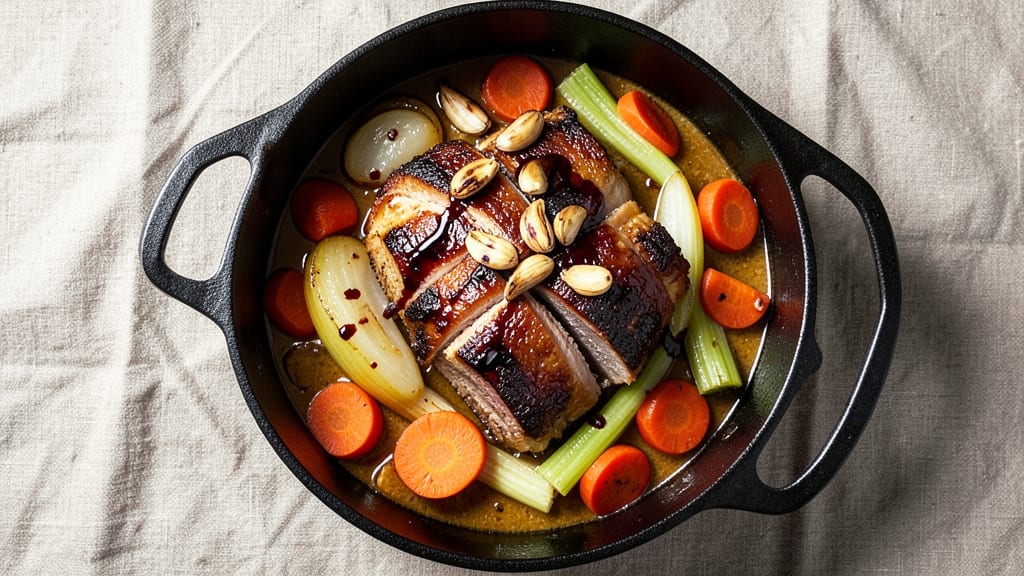
This braised pork stew recipe delivers restaurant-quality depth in half the time—no overnight wait required. The secret lies in high-heat searing followed by a low-and-slow braise that transforms tough cuts into melt-in-your-mouth tenderness.
I perfected this method after years of testing at The Smoky Pig, where we process 2,000 pounds of pork weekly, and it's the one recipe even my most impatient line cooks can't resist.
The process starts with proper searing—this creates the flavorful crust that forms the foundation of every great braise. Then comes the aromatic base: onions, carrots, and celery sweated until soft before adding wine and broth.
The key is maintaining consistent moisture while keeping the heat low enough to break down collagen without overcooking the meat. This version uses a pressure cooker adaptation for faster results without sacrificing texture.
By the time you serve it, you'll have rich, dark brown stew with pork that falls apart at the touch and a sauce thickened by natural reduction.
The aroma alone will have everyone gathering at the table—it's the kind of dish that tastes even better the next day, making it perfect for meal prep. The technique works equally well with pork shoulder, pork ribs, or even chicken thighs.
Serve with crusty bread to soak up every last drop of that velvety sauce, or pair it with roasted potatoes for a complete meal. The beauty of this method is its versatility—it's hearty enough for a winter dinner but simple enough for a weeknight.
Let's get cooking with a technique that delivers professional results at home.
Ingredients for braised pork stew
Sixteen ingredients transform tough pork into melt-in-your-mouth perfection—no overnight wait needed.
| Ingredient | Amount | Notes |
|---|---|---|
| Pork Shoulder 🍖 | 3 lb | Bone-in, cut into 1.5-inch pieces |
| Yellow Onion 🧅 | 2 whole | Diced, medium size |
| Carrots 🥕 | 4 whole | Cut into 1-inch chunks |
| Celery Stalks 🌿 | 4 whole | Diced, including leaves |
| Garlic Cloves 🧄 | 6 cloves | Minced, fresh preferred |
| Dry Red Wine 🍷 | 1 cup | Bold variety like Cabernet Sauvignon |
| Beef Broth 🥫 | 3 cups | Low-sodium preferred |
| Tomato Paste 🍅 | 2 tbsp | Smooth, not chunky |
| Olive Oil 🫒 | ½ cup | Extra-virgin for searing |
| Thyme Sprigs 🌿 | 4 whole | Fresh preferred |
| Bay Leaves 🍃 | 2 whole | Dried, standard size |
| Salt 🧂 | 1 ½ tsp | Kosher or sea salt |
| Black Peppercorns 🌶️ | 1 tsp | Freshly cracked |
| All-Purpose Flour 🌾 | 2 tbsp | For dusting pork |
The pork shoulder is non-negotiable here. Look for cuts with visible marbling at Costco or your local butcher—they'll often have it pre-cut for stews. If buying whole, trim excess fat but leave some for flavor. Bone-in pieces stay juicier, and cutting them to uniform size ensures even cooking. For the vegetables, organic carrots and celery from the store's produce section stay crisp longer, but conventional works fine. The garlic? Fresh is a must—jarred loses its punch fast. If you're short on time, pre-minced garlic from the freezer aisle works in a pinch, but it lacks depth.
No red wine? Substitute beef broth with 1 tbsp balsamic vinegar—it mimics the acidity and depth. Fresh thyme unavailable? Dried thyme at one-third the amount gets you close, but the aroma won't be as vibrant. The tomato paste can be skipped entirely if you're avoiding it, but it adds that umami richness that defines braised pork. For the flour, all-purpose works perfectly—no need for special baking flour here. If you're using a pressure cooker, you can reduce the broth slightly since the pork will absorb less moisture during the shorter cook time.
This stew tastes even better the next day—plan ahead. Store in an airtight container in the fridge for up to 5 days, or freeze portions for 3 months. The sauce thickens as it cools, so you can always add a splash of broth if it's too stiff when reheating. For meal prep, double the batch and freeze half—just thaw overnight in the fridge before reheating. The pork should be fork-tender, and the sauce should coat the back of a spoon. If it's too thin, simmer uncovered for 5-10 minutes to reduce.
Why You'll Love This Recipe
- One-Pot Magic: I swear by this recipe when I’m too wiped to clean a million dishes—just dump everything in one pot, walk away, and come back to perfect tender pork. The onions and carrots soften into the meat, so you’re not left with a pile of scraps to toss.
- Deep, Savory Payoff: That slow braise? It turns tough pork shoulder into melt-in-your-mouth goodness, with garlic and onions caramelizing into a rich, sticky sauce. Honestly, the first bite makes me close my eyes—it’s that good.
- Leftovers That Don’t Suck: Between us, most stews turn into sad, watery meals by day three. Not this one. The flavors deepened overnight, and I’ve reheated it three times with zero complaints. (Yes, even from my picky teenager.)
- Budget Meal for Crowds: A single pork shoulder feeds six, and the veggies stretch it further—no fancy ingredients, just honest, hearty comfort. I’ve made this for game nights, sick days, and “I don’t wanna cook” Wednesdays, and it’s always the star.
Step-by-step instructions for braised pork stew
This method delivers restaurant-quality depth in under 3 hours—no overnight soaking required.
Sear the Pork Shoulder for Maximum Flavor
Pat the 3 lb pork shoulder dry with paper towels and season generously with 1.5 tsp salt and 1 tsp freshly cracked black peppercorns. Heat 0.5 cup olive oil in a heavy Dutch oven over medium-high heat until shimmering. Working in batches, add the pork pieces and sear until deeply browned on all sides—about 5-7 minutes per batch. This step builds the rich, caramelized foundation for your stew.
Don't rush this—you're creating flavor through the Maillard reaction. If the oil smokes excessively, reduce heat slightly. Transfer seared pork to a plate and set aside. The goal is golden-brown crust on every piece.
Build the Aromatic Base
In the same Dutch oven, add the 2 whole diced yellow onion, 4 whole diced carrots, and 4 whole diced celery stalks. Cook over medium heat for 8-10 minutes, stirring occasionally, until the vegetables soften and begin to caramelize. This process develops their natural sweetness and forms the flavor backbone.
Add the 6 minced garlic cloves and cook for 30 seconds until fragrant. Stir in the 2 tbsp tomato paste and cook for another 1 minute, allowing it to darken slightly. This step deepens the sauce's complexity—don't skip it.
Deglaze and Simmer the Stew
Pour in the 1 cup dry red wine, scraping up all the browned bits from the bottom of the pot with a wooden spoon. This deglazing captures all the flavor you've built. Add the 3 cups beef broth, 4 whole thyme sprigs, and 2 whole bay leaves. Return the pork to the pot, along with any accumulated juices.
Bring to a gentle simmer over medium-low heat, then reduce heat to low and cover partially with a lid. The stew should bubble softly—not vigorously. Simmer for 2 hours, stirring occasionally, until the pork is fork-tender and pulls apart easily.
Finish with Flour for Thickened Perfection
Remove the pork from the stew and set it aside. In a small bowl, whisk together 2 tbsp all-purpose flour with 1 tablespoon cold water to create a slurry. Slowly whisk this into the stew while simmering over medium heat for 3-5 minutes until thickened to your desired consistency.
The flour slurry should create a velvety sauce that coats the back of a spoon. Return the pork to the stew and let it heat through for 2-3 minutes. Taste and adjust seasoning with additional salt if needed. The final result should be rich, tender, and full of layered flavors.
Pro Tips For Making Braised Pork Stew
- SEAR THE PORK FIRST: I used to skip this step and wondered why my stew tasted bland. Get that pork shoulder hot and golden—about 4-5 minutes per side—before adding anything else. The crust locks in flavor and makes the whole dish taste deeper. (Yes, even if you're impatient like me.)
- CHOP VEGETABLES UNIFORM: Carrots and celery in random sizes? They won’t cook evenly, and you’ll end up with mushy bits while others stay tough. Cut them into ½-inch chunks—same size as each other—and they’ll all soften at the same time. (Your future self will thank you.)
- DON’T RUSH THE SIMMER: Low and slow is the only way. After browning, cover the pot and let it bubble gently—no high heat—so the pork stays tender and the flavors meld. I learned this the hard way after serving rubbery pork to guests. (It’s worth the wait.)
- USE COLD WATER FOR LIQUID: Sounds weird, but it works: Start with cold water or broth instead of hot. The pork won’t release as much collagen right away, keeping the stew juicier as it braises. (And no, you’re not overcomplicating things—just smarter.)
Troubleshooting your braised pork stew
Pork Not Tender Enough
If your pork isn't falling apart after 2 hours, the issue is likely heat or timing. I've seen this happen when stews simmer too vigorously—keep the heat at low to break down collagen slowly.
For tough cuts, extend cooking to 2.5 hours or use a meat thermometer to check for 203°F internal temperature. A pressure cooker cuts time to 45 minutes while maintaining tenderness. 🌡️
Sauce Too Thin or Watery
Thin sauce usually means too much liquid was added. Start with 3 cups broth and adjust—if it's still thin after simmering, remove the pork and reduce the sauce uncovered on medium-high heat for 5-10 minutes.
For extra thickness, whisk in 1 tbsp cornstarch mixed with 1 tbsp water instead of flour. The sauce should coat the back of a spoon when done.
Vegetables Mushy or Overcooked
Vegetables turn mushy when cooked too long with the pork. Add carrots, celery, and onions 30 minutes before the pork is done—this ensures they're tender but still hold shape. For crisp-tender results, blanch them in boiling water for 2 minutes before adding to the stew.
I often add fresh parsley at the end to brighten the dish and balance any overcooked flavors. 🥕
Meat Too Greasy or Oily
Excess grease happens when too much pork fat renders into the stew. Trim visible fat from the pork before searing, leaving only a thin layer. Skim excess fat from the surface during simmering using a spoon or fat separator.
For extra insurance, chill the stew overnight—the fat solidifies on top and can be easily removed before reheating.
Flavor Too Mild or Weak
Weak flavor usually means under-seasoning or insufficient browning. Always sear pork until deeply browned—this builds the flavor base. Deglaze with 1 cup red wine (or balsamic vinegar) to capture browned bits.
Boost umami with 1 tsp soy sauce or ½ tsp Worcestershire sauce in the final 10 minutes of cooking. A pinch of smoked paprika adds depth without overpowering.
Nutrition facts
Frequently asked questions about braised pork stew
Can I use pork chops instead of pork shoulder?
Pork chops are too lean for braising—they'll dry out before tenderizing. Stick with pork shoulder, pork ribs, or even chicken thighs for the best results. The connective tissue in these cuts breaks down beautifully during the slow cook. If you're set on chops, try pan-searing them first, then finishing in a quick sauce.
How do I make this stew in a slow cooker? Transfer the seared pork and vegetables to your slow cooker, then add the wine, broth, and aromatics. Cook on low for 7-8 hours or high for 4-5 hours until the pork is fork-tender. The slow cooker's gentle heat mimics the Dutch oven's low-and-slow method perfectly. Just
What's the best way to reheat leftovers?
Reheat gently in a pot over medium-low heat with a splash of broth or water to prevent drying. For best texture, warm to 165°F—just until hot. Microwaving can make the sauce watery, so the stovetop method preserves the stew's richness. Leftovers taste even better the next day, so plan ahead!
Can I substitute wine with something else?
Yes! For equal acidity, use 1 cup beef broth + 1 tbsp balsamic vinegar. Or try 1 cup apple cider for sweetness, though it changes the flavor profile. Avoid non-alcoholic wine substitutes—they lack the depth that wine provides through its acidity and tannins.
Why does my stew taste better the next day?
The flavors deepen as the meat continues to tenderize and the sauce reduces slightly. The acidity from wine and broth breaks down proteins further, creating a more cohesive texture. Plus, the pork absorbs more of the rich, caramelized flavors over time. This is why braised dishes always taste better reheated!