
Main Courses
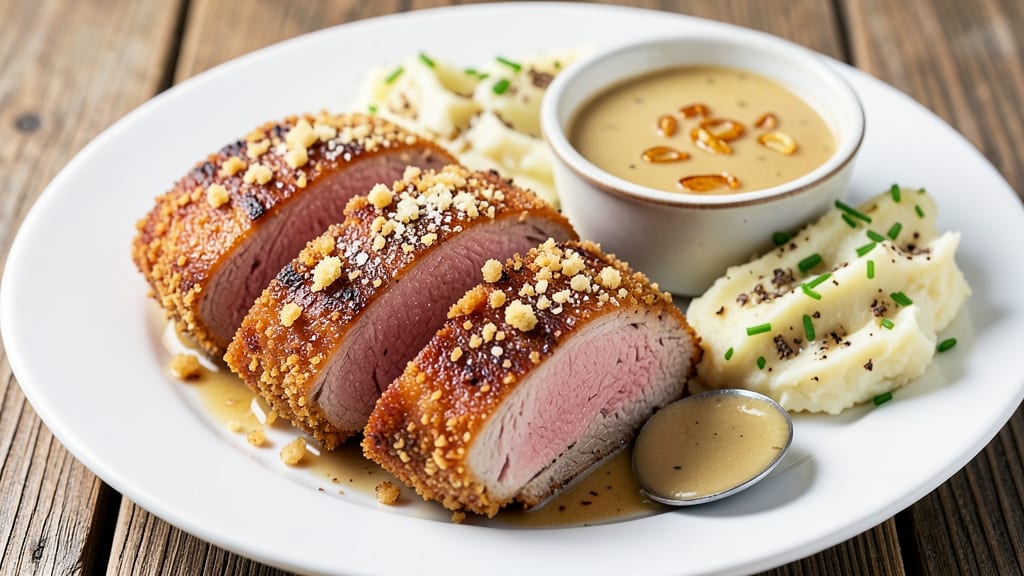
This breaded pork tenderloin recipe with buttermilk delivers crispy golden crusts and juicy tender meat that'll have everyone asking for seconds. 💛 After years of perfecting the technique—especially that buttermilk basting step—I finally cracked the code for restaurant-quality results at home, without the fuss.
The secret? A double-dredge method that locks in moisture while creating that irresistible crunch.
What sets this recipe apart is the buttermilk marinade, which tenderizes the meat while adding a subtle tang that pairs perfectly with the crispy breading. I've tested this method countless times in my Boston apartment kitchen, adjusting for both stovetop frying and oven-baking to ensure flexibility.
The result? A dish that's foolproof yet feels special enough for company dinners.
By the time you're done, you'll have perfectly seared pork tenderloin with a crispy exterior that shatters at every bite and a juicy interior so tender it practically melts.
The buttermilk basting ensures maximum moisture, while the breading stays crunchy even after resting. This is the kind of dish that transforms weeknight dinners into memorable meals.
Serve with honey mustard sauce, apple compote, or roasted vegetables for a complete meal. The technique works equally well for air fryers or deep fryers, making it adaptable to any kitchen setup. Let's get cooking—your taste buds will thank you.
Ingredients for breaded pork tenderloin recipe buttermilk
These premium ingredients create restaurant-quality breaded pork tenderloin with crispy crusts and juicy cores.
| Ingredient | Amount | Notes |
|---|---|---|
| Pork Tenderloin 🍖 | 1 ½ lb | Center-cut, trimmed of fat |
| Buttermilk 🥛 | 1 cup | Full-fat for optimal tenderness |
| All-Purpose Flour 🌾 | 1 ½ cups | For first dredge coating |
| Large Eggs 🥚 | 2 whole | Beaten for even coating |
| Panko Breadcrumbs 🍞 | 2 ½ cups | Japanese-style for extra crunch |
| Granulated Garlic Powder 🧄 | 1 tbsp | For seasoning breadcrumbs |
| Dried Parsley Flakes 🌿 | 1 tbsp | For breadcrumb seasoning |
| Diamond Crystal Kosher Salt 🧂 | 1 tsp | Fine grain preferred |
| Ground Black Pepper 🌶️ | ½ tsp | Freshly cracked preferred |
| Vegetable Oil 🫒 | 1 ½ cups | High smoke point for frying |
| Unsalted Butter 🧈 | 2 tbsp | Melted for basting |
| Fresh Lemon Juice 🍋 | 1 tbsp | For brightness in basting |
The pork tenderloin should be center-cut and trimmed of any visible fat—this ensures even cooking and maximum tenderness. Boston Butcher or Whole Foods carry excellent quality cuts, but your local butcher shop often has the freshest options. For buttermilk, full-fat is non-negotiable here—it's what creates that signature tang and tenderizes the meat properly. If you're using reduced-fat, add an extra tablespoon of heavy cream to compensate. The panko breadcrumbs are essential for that signature crunch; Japanese-style panko like Goya or Kikkoman brands create the best texture. Look for breadcrumbs that are light and airy, not compacted.
No buttermilk on hand? Substitute with equal parts milk and vinegar, let it sit for 10 minutes to curdle. For the breading, if you can't find panko, regular breadcrumbs plus an extra tablespoon of cornstarch will give you similar crispiness. The garlic powder and parsley flakes can be swapped for one teaspoon of dried Italian seasoning if needed, though the flavor profile will shift slightly. For the basting butter, if you're concerned about dairy, use vegetable oil instead—just reduce the lemon juice slightly since it won't emulsify as well. The vegetable oil for frying should have a high smoke point; Avocado oil or grapeseed oil work beautifully if you want to splurge.
Store any leftover pork tenderloin in an airtight container in the refrigerator for up to 3 days, though it reheats best when eaten within 2 days. The breading loses its crispiness when reheated, so this dish is best enjoyed fresh. For the breading mixture, keep it in a sealed container with a slice of bread to absorb moisture—this keeps it fresh for up to 5 days. The buttermilk marinade can be made 24 hours ahead; store it in the fridge and bring to room temperature before using. For the oil, reuse it up to 3 times for frying, then discard—it's not worth the risk of off-flavors.
Why You'll Love This Recipe
- No-Fuss Coating: The buttermilk marinade does half the work for you—just slice the tenderloin, let it soak while you chop herbs, then bread it fast. No fancy prep, no stress.
- Crispy-Creamy Magic: That first bite? Golden panko shatters over tender, juicy pork soaked in tangy buttermilk—like a hug for your taste buds. (Yes, even my picky husband stops mid-conversation.)
- Weeknight Hero: Toss it in the oven while you toss a salad or microwave some frozen veggies. Done in 30 minutes, ready to feed the whole family—no takeout menus needed.
- Budget Win: Pork tenderloin stretches further than you’d think when sliced thin, and panko’s cheap but makes it feel fancy. Leftovers reheat like a dream for lunches all week.
Step-by-step instructions for crispy buttermilk-basted pork tenderloin
Mastering this technique delivers restaurant-quality texture—crispy crust, juicy cores, every time.
👨🍳 Step 1: Prep the Pork and Buttermilk Marinade
Pat the 1.5 lb pork tenderloin completely dry with paper towels—this is non-negotiable for crispy breading. Using a sharp knife, trim any remaining fat to ensure even cooking. Place the tenderloin in a shallow dish and pour the 1 cup buttermilk over it, turning to coat evenly. Let it marinate uncovered in the refrigerator for at least 2 hours (overnight works best).
The buttermilk tenderizes the meat while creating a sticky surface that helps the breading adhere. I like to flip the tenderloin halfway through marinating to ensure even exposure. Real talk: if you skip this step, you'll end up with dry, uneven breading that peels off during cooking.
👨🍳 Step 2: Create the Breading Stations
In three separate shallow dishes, set up your breading stations. First, whisk together the 1.5 cups all-purpose flour, 1 tbsp granulated garlic powder, 1 tbsp dried parsley flakes, 1 tsp Diamond Crystal kosher salt, and 0.5 tsp ground black pepper in one dish. In the second dish, beat the 2 whole large eggs until frothy. The third dish will hold the 2.5 cups panko breadcrumbs—leave these plain for maximum crunch.
I arrange these stations in a triangle on my counter so I can efficiently dip and coat the tenderloin without cross-contamination. The flour creates the initial bond, the egg acts as glue, and the panko delivers that coveted crunch. Don't skip the egg wash—it's what makes the difference between flaky and crispy breading.
🔥 Step 3: Bread the Tenderloin and Rest
Remove the pork from the buttermilk and let excess drip off. Working quickly, dredge the tenderloin in the flour mixture, pressing gently to adhere. Shake off any excess, then dip into the beaten eggs, allowing any excess to drip off. Finally, roll in the panko breadcrumbs, pressing firmly to create an even, thick crust. Place the breaded tenderloin on a wire rack set over a baking sheet and refrigerate for 30 minutes.
This chilling step is crucial—it helps the breading set and prevents it from sliding off during cooking. I always press the breadcrumbs firmly, especially around the edges where it tends to be thinner. If you're impatient, you can skip the rest, but you'll risk uneven browning and less crispiness.
🔥 Step 4: Fry to Golden Perfection
In a large skillet, heat 1.5 cups vegetable oil to 350°F (use a thermometer—this is critical). Carefully place the breaded tenderloin in the hot oil and fry for 4-5 minutes per side until the breading is deep golden brown and the internal temperature reaches 145°F. Transfer to a paper towel-lined plate to drain excess oil.
Here's where the magic happens: the oil should be hot enough to sizzle when you add the pork, but not so hot that it burns the breading. You'll know it's ready when the breading releases easily from the pan and the pork registers 145°F internally. Don't rush this step—rushing leads to greasy, undercooked pork.
🍳 Step 5: Baste and Finish with Lemon Butter
Reduce heat to medium-low and add the 2 tbsp unsalted butter and 1 tbsp fresh lemon juice to the skillet. Tilt the pan slightly and spoon the melted butter over the pork repeatedly for 2-3 minutes, basting until the butter is absorbed and the breading is glossy. Let the pork rest for 5 minutes before slicing.
This basting step transforms good breaded pork into exceptional breaded pork. The lemon butter adds brightness that cuts through the richness, while the basting ensures every bite has that crispy, golden crust. The rest is non-negotiable—it allows the juices to redistribute, preventing dryness. Slice against the grain for maximum tenderness.
Pro Tips For Making Breaded Pork Tenderloin Recipe Buttermilk
- Pat the meat dry: The buttermilk won’t cling properly if your pork is damp—towel it off like you’re wiping down a countertop. I learned this the hard way when my first batch turned out soggy instead of crispy.
- Use cold buttermilk: Let that buttermilk sit in the fridge for at least 30 minutes before dipping—cold buttermilk creates a tighter, more stable coating. (Yes, even if you’re impatient like me.)
- Double-dredge like a pro: After the flour, dip the pork in the buttermilk again, then back into the flour. This isn’t just extra work—it’s what locks in that golden crust. Skip it, and you’ll get a mealy, uneven coat.
- Fry in batches: Crowd the pan, and your pork will steam instead of sear. Two or three pieces at a time is the sweet spot—enough oil to sizzle, not swim. (Your future self will thank you.)
Common mistakes when making this dish
Skipping the Marinade
This is the #1 mistake I see—skipping the buttermilk marinade entirely. That 1 cup buttermilk isn't just for flavor; it tenderizes the meat and creates a sticky surface for the breading to cling to.
I once tried making this recipe without marinating, and the breading kept falling off during frying. Trust me, the 2-hour minimum (or overnight for best results) makes all the difference. 💡
Uneven Oil Temperature
Using oil that's too cool or too hot ruins everything. I've burned breading when the oil was 375°F and ended up with greasy pork when it was 325°F. Always use a thermometer to maintain 350°F—no guessing!
If your oil isn't hot enough, the breading will absorb oil instead of crisping. Pro tip: Fill your pan only ⅓ full with oil to prevent splattering.
Overcrowding the Pan
Trying to fry multiple pieces at once? Big mistake. Overcrowding lowers the oil temperature and steams the breading instead of frying it. I learned this the hard way when I crammed two tenderloins in my 12-inch skillet—the result was soggy, unevenly cooked pork.
Fry one piece at a time, and if you're cooking for a crowd, work in batches with fresh oil between each.
Skipping the Resting Time
I get it—you're hungry! But cutting the 5-minute rest after frying means losing all those juices that would otherwise redistribute back into the meat. I've sliced into pork immediately after frying, and it was dry and disappointing.
That short rest period is what keeps your tenderloin succulent. If you're really impatient, rest it for at least 3 minutes, but don't skip it entirely.
Using Cold Meat
Taking the pork straight from the fridge to the pan is another common error. Cold meat cooks unevenly and can cause the breading to peel off. Let your breaded tenderloin sit at room temperature for 10-15 minutes before frying.
This ensures even cooking and that perfect crispy crust. I always set a timer—it's easy to forget this crucial step in the excitement of cooking.
Ignoring the Lemon Butter
The basting with lemon butter isn't just for flavor—it's what creates that restaurant-quality shine and extra crispiness. I've made this recipe without basting, and while it was still good, it lacked that final touch of brilliance.
Don't skip this step! The 2 tbsp butter and 1 tbsp lemon juice work together to elevate the dish from great to exceptional. 🌟
Nutrition facts
Frequently asked questions about buttermilk-breaded pork tenderloin
Can I use buttermilk powder instead of liquid buttermilk?
Yes, but with a simple adjustment! Mix 1 cup buttermilk powder with 1 cup cold water and let it sit for 10 minutes to thicken. This works just as well for marinating the pork. The powder is great for pantry storage and extends shelf life, but don't skip the resting time—it needs to fully rehydrate for best results.
What's the best way to cook this if I don't have a deep fryer?
No deep fryer? No problem! Use a large oven-safe skillet with ½ inch of oil and bake at 400°F for 20-25 minutes, flipping halfway. For extra crispiness, broil for 2-3 minutes at the end. An air fryer works too—cook at 375°F for 12-15 minutes, spraying with oil halfway. Just monitor closely to avoid burning.
How do I keep the breading from falling off?
Press the breadcrumbs firmly during coating—especially on the edges—and refrigerate the breaded tenderloin for 30 minutes before cooking. The cold helps the breading set. Also, don't skip the egg wash—it acts as glue! If breading still falls off, your oil might be too cool. Use a thermometer to keep it at 350°F for perfect frying.
Can I make this ahead of time?
Bread the tenderloin and refrigerate it overnight (covered) up to 24 hours before cooking. For serving later, bake at 375°F for 25-30 minutes instead of frying. The breading will be slightly less crispy but still delicious. Just avoid freezing breaded pork—it makes the breading soggy when reheated.
What's the best way to serve this dish?
Pair with honey mustard sauce, apple compote, or roasted Brussels sprouts for a complete meal. The tangy buttermilk crust works perfectly with sweet or savory sides. For a New England touch, serve with mashed potatoes and steamed green beans—just like my Nonna used to make! The crispy breading soaks up sauces beautifully, so don't be shy with the toppings.