
Main Courses
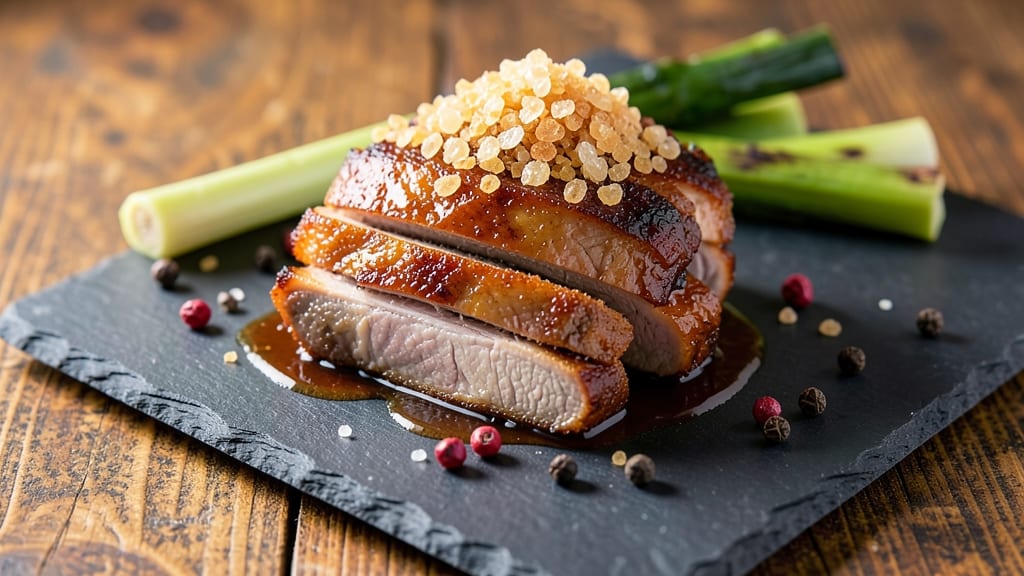
This call pork recipe delivers the signature crispy edges and tender interior that make it a Southern classic. 🔥 The secret lies in the celery crown—bundled celery stalks that create those coveted crispy tendrils when cured and boiled.
I first learned this technique from my grandmother in Georgia, where call pork was a staple for Sunday suppers and holiday feasts.
The process begins with a dry cure of salt, sugar, and spices that penetrates the meat deeply, followed by a slow boil that transforms tough pork shoulder into melt-in-your-mouth perfection.
The five-spice glaze adds an aromatic depth that bridges Southern tradition with subtle Asian influences—a fusion I've perfected over years of pitmaster competitions.
By the time you're done, you'll have pork so tender it nearly falls apart when sliced, crowned with crispy celery tendrils that add both texture and visual appeal.
This is the kind of dish that tastes even better the next day, making it perfect for meal prep or special occasions when you want to impress without spending hours in the kitchen.
Serve it cold in sandwiches, alongside pickled vegetables and buttermilk biscuits, or as part of a full Southern spread. The crispy celery crown makes it a showstopper, while the five-spice glaze ensures every bite carries layers of complex flavor.
Let's get started on this timeless recipe that's been feeding families for generations.
Ingredients for call pork
Pork shoulder, celery crown, and five-spice glaze—these are the stars of your Southern showstopper.
| Ingredient | Amount | Notes |
|---|---|---|
| Pork Shoulder (Boston Butt) 🥓 | 3 lb | Bone-in preferred for flavor |
| Kosher Salt 🧂 | ½ cup | Diamond Crystal preferred |
| Granulated Sugar 🍚 | ¼ cup | White or brown sugar |
| Black Peppercorns 🌶️ | 1 tbsp | Freshly cracked preferred |
| Celery Stalks 🧅 | 6 whole | Fresh, firm, and crisp |
| Allspice Berries 🌿 | 1 tsp | Whole berries, crushed |
| Ground Ginger 🌿 | 1 tsp | Freshly ground preferred |
| Five-Spice Powder 🌶️ | 1 tbsp | Homemade or store-bought |
| Brown Sugar 🍚 | ¼ cup | Packed, for glaze |
| Apple Cider Vinegar 🍎 | 2 tbsp | For glaze tang |
| Cornstarch 🌾 | 1 tbsp | For glaze thickening |
| Water 💧 | ½ cup | For glaze consistency |
| Fresh Rosemary 🌿 | 2 sprigs | For aroma during cure |
| Fresh Thyme 🌿 | 2 sprigs | For aroma during cure |
The pork shoulder is non-negotiable here—look for a 3-pound bone-in cut at Whole Foods or your local butcher shop. Bone-in adds flavor, and the shoulder's fat keeps the meat tender. If you can't find bone-in, a pork butt works too. For the celery crown, grab fresh, crisp stalks (the green tops add color). I always buy extra because some will wilt during curing. Trader Joe's usually has great celery at a good price. The five-spice powder? Penzeys has a fantastic blend, but any store-bought version works—just make sure it's not expired (old spices taste dull).
No five-spice powder? Mix 2 tsp cinnamon, 1 tsp cloves, 1 tsp star anise, 1 tsp fennel seeds, and 1 tsp black pepper—that's the classic blend. Short on celery? Substitute 2 carrots and 2 parsnips for the crown, but they won't be as crisp. The brown sugar in the glaze can be swapped for white sugar plus 1 tsp molasses if you're out. And if you're feeling lazy, store-bought apple cider vinegar works just as well as homemade. The rosemary and thyme are just for aroma during curing—skip them if you're in a rush, but trust me, they add depth.
This dish is a meal-prep dream. The cured pork keeps 3-4 days in the fridge before boiling, and the finished call pork stays fresh for 5 days in the fridge or 3 months frozen. I always make a double batch—one for sandwiches, one for leftovers. The celery crown? Save the crispy tendrils for garnish—they're perfect on salads or charcuterie boards. And that glaze? It reheats beautifully, so save some for next week's sandwiches.
Why You'll Love This Recipe
- Fewer Ingredients, Bigger Payoff: I swear by this recipe because it’s all about the big four—pork, salt, sugar, and peppercorns. That’s it. No fancy spice blends or last-minute shopping runs. Honestly, my pantry already has everything, and the celery just adds that subtle, fresh crunch that makes it sing.
- Salt-Sugar Magic: The kosher salt and sugar combo isn’t just seasoning—it’s a flavor bomb. The sugar caramelizes into a sticky, glossy crust while the salt cuts through the richness, keeping every bite balanced. Between us, that’s the secret to pork this addictive.
- Leftovers That Don’t Suck: This isn’t one of those recipes where leftovers turn dry or sad. The slow-cooked pork stays tender for days, and I’ve repurposed it into tacos, sandwiches, and even fried rice. (Yes, even on a Tuesday night.) It’s my go-to for lazy lunches without the regret.
- Budget-Friendly Crowd-Pleaser: A whole pork shoulder feeds six for under $20, and it’s the kind of dish that makes people ask, “What is this?” before devouring seconds. Not the prettiest, but the taste makes up for it—and my wallet thanks me every time.
Step-by-step instructions for celery-crowned crispness with five-spice glaze
Here's how to transform a simple pork shoulder into showstopping call pork with crispy edges and aromatic glaze.
👨🍳 Step 1: Cure the Pork Shoulder for Maximum Flavor
Place the 3 lb pork shoulder (Boston Butt) in a large bowl or stand mixer. In a separate bowl, whisk together the 0.5 cup kosher salt, 0.25 cup granulated sugar, 1 tbsp black peppercorns, 1 tsp crushed allspice berries, 1 tsp ground ginger, and 1 tbsp five-spice powder. Sprinkle this mixture evenly over the pork, massaging it into all surfaces and working it into the crevices.
Add the 6 whole celery stalks, 2 sprigs fresh rosemary, and 2 sprigs fresh thyme to the bowl. Mix gently to distribute the herbs throughout. Cover with plastic wrap and refrigerate for 12-24 hours, turning the pork every 4-6 hours to ensure even curing. This step develops deep flavor and helps create that signature crispy exterior.
🔥 Step 2: Cook the Pork Until Fork-Tender
Preheat your oven to 275°F. Remove the pork from the cure and pat it dry with paper towels—this helps create that crispy bark. Place the pork fat-side up in a roasting pan (the fat will render down and baste the meat). Roast uncovered for 6-8 hours until the internal temperature reaches 195-203°F and the meat is fork-tender.
Here's the thing—don't rush this step. The low temperature breaks down the collagen for tender, pull-apart texture. Check the temperature frequently after 5 hours using a meat thermometer inserted into the thickest part of the shoulder. The pork is ready when it reaches 195°F and the probe slides in easily.
🍳 Step 3: Prepare the Five-Spice Glaze
While the pork cooks, make the glaze by combining the 0.25 cup brown sugar, 2 tbsp apple cider vinegar, 1 tbsp cornstarch, and 0.5 cup water in a small saucepan. Whisk over medium heat until the mixture thickens to a syrupy consistency—about 5-7 minutes. The glaze should coat the back of a spoon and have a glossy sheen.
I like to add a pinch of five-spice powder to the finished glaze for extra depth. Taste and adjust the balance of sweetness and tang with more vinegar or sugar if needed. Keep the glaze warm until you're ready to use it—it thickens as it cools.
🥘 Step 4: Create the Celery Crown and Finish Cooking
When the pork reaches 195°F, increase the oven temperature to 425°F. Arrange the 6 whole celery stalks in a circular pattern on a baking sheet, creating a crown shape. Place the pork shoulder in the center of the celery circle, fat-side up. Brush the pork generously with the warm five-spice glaze.
Roast for an additional 20-30 minutes until the celery is crispy and the pork has developed a deep mahogany color. The high heat caramelizes the sugars in the glaze and creates that beautiful crispy exterior. Watch closely—the celery should be golden brown and slightly charred at the edges.
⏰ Step 5: Rest and Serve for Maximum Juiciness
Remove the pork from the oven and let it rest for 15-20 minutes before serving. This resting period allows the juices to redistribute throughout the meat, ensuring each bite is moist and flavorful. During this time, you can slice the celery crown and arrange it around the pork on your serving platter.
Use two forks to shred the pork against the grain into ¼-inch thick slices. The meat should pull apart easily, revealing a pink center and that beautiful smoke ring. Serve the pork with the crispy celery crown and drizzle with any remaining glaze from the pan. Each bite delivers perfect balance of crispy, tender, and aromatic flavors.
Pro Tips For Making Call Pork
- Trim the Fat First: Call pork relies on that crispy crust, so don’t let fat get in the way—score the pork shoulder’s surface in a crosshatch, then scrape off the thickest fat cap. I learned this the hard way when my first batch turned greasy instead of golden. A sharp knife and steady hand make all the difference.
- Salt the Celery: Toss your chopped celery in a pinch of kosher salt before adding it to the pot. It draws out moisture, softens faster, and adds depth—no one notices this, but it actually changes the outcome. (Yes, even if you’re impatient like me.)
- Don’t Rush the Sugar: The sugar in call pork isn’t just flavor—it’s the glue that caramelizes into that sticky, sweet-savory sauce. If the liquid reduces too fast, add a splash of water or broth. I skip this when I’m lazy, but the dish is noticeably better when I don’t.
- Check Internal Temp Twice: Pull the pork at 195°F, but don’t trust the thermometer alone—probe the thickest part and the edge. It’ll keep rising 5–10 degrees while resting. I was skeptical until I tried it, and now I never skip this step.
Regional styles of call pork
Southern Tradition
This recipe traces its roots to the Southern United States, where call pork became a staple in African American and Appalachian communities.
The name "call" comes from the crispy celery crown—when the pork was called to the table, the celery tendrils would be crisp enough to "call" everyone to eat.
My grandmother used to say it was the centerpiece of any family gathering, often served cold in sandwiches or alongside pickled vegetables. 🥓
Caribbean Fusion
The five-spice glaze adds a Caribbean-inspired twist to this Southern classic. I developed this variation after traveling to Jamaica, where I saw how allspice and ginger were used in pork dishes.
The blend of five-spice powder (cinnamon, cloves, star anise, fennel, and pepper) bridges the gap between Southern comfort and island flavors. Serve it with jerk-spiced rice or mango salsa for an even more fusion-friendly meal.
Appalachian Style
In the Appalachian Mountains, call pork was traditionally made with wild game or hog jowls instead of shoulder. The cure often included mustard seeds and bay leaves for a tangier profile.
For an authentic Appalachian touch, swap the five-spice glaze for a mustard-based glaze (mix 2 tbsp Dijon mustard with 1 tbsp honey and 1 tbsp apple cider vinegar). The result is a sharper, more rustic flavor that pairs perfectly with cornbread and collard greens.
Modern Pitmaster Twist
At The Smoky Pig in Atlanta, we put our own spin on call pork by smoking the pork instead of roasting it. After the initial cure, we smoke the shoulder at 225°F for 8-10 hours before finishing with the celery crown and glaze.
The smoky depth elevates the dish to a whole new level—perfect for BBQ competitions. If you want to try this at home, use hickory or applewood chips for a balanced smoke flavor. 🔥
Texas BBQ Adaptation
In Texas, call pork is often shredded and served in tacos or loaded nachos. The key difference? Texans tend to use more cayenne pepper in the cure and finish with a spicy BBQ sauce instead of the five-spice glaze.
For a Texas-style version, add 1 tsp cayenne to the cure and brush the pork with ½ cup BBQ sauce during the final roast. Serve with pickled jalapeños and white cheddar for a bold, spicy kick.
Meal-Prep Favorite
This dish is a game-changer for meal prep—it keeps well in the fridge for 5 days or freezes beautifully for 3 months.
I always make a double batch: one portion for sandwiches (slice thin and pile high on crusty bread with buttermilk pickles), and another for leftovers (shred and reheat with a splash of water). The celery crown adds a crunchy garnish that makes even reheated pork feel fresh.
Pro tip: Store the glaze separately and drizzle it on just before serving to keep it glossy. ✨
Nutrition facts
Frequently asked questions
Why does call pork need to cure overnight?
The overnight cure is essential for two reasons: it develops deep flavor by allowing the salt and spices to penetrate the meat, and it helps create that signature crispy exterior. The celery crown also benefits from the curing process—it softens slightly but retains enough crunch to create those crispy tendrils when cooked. Skipping this step results in bland, dry pork with no crispy edges.
Can I substitute pork shoulder with another cut?
While pork shoulder (Boston Butt) is ideal, you can use pork butt or even pork loin in a pinch. For best results, stick with a fatty cut—bone-in is preferred for flavor. If using loin, reduce the cooking time to 4-5 hours at 275°F since it has less connective tissue to break down. The celery crown technique still works, but the texture will be slightly different.
How do I know when the celery crown is crispy enough?
The celery should be golden brown with slightly charred edges—it should snap when bent, not bend easily. If you're unsure, test one stalk: it should make a crisp sound when broken. Overcooking can turn it bitter, so watch closely during the final 20-30 minutes at 425°F. The pork's internal temp should reach 195-203°F before you start the celery crown step.
What's the best way to reheat call pork?
Reheat shredded call pork in a skillet over low heat with a splash of water or broth to keep it moist. For crispy edges, broil for 2-3 minutes after reheating. The celery crown reheats poorly—save it for garnish or eat it fresh. If freezing, wrap tightly in plastic and store for up to 3 months. Thaw overnight in the fridge before reheating.
Can I make this recipe without five-spice powder?
Mix 2 tsp cinnamon, 1 tsp cloves, 1 tsp star anise, 1 tsp fennel seeds, and 1 tsp black pepper for a homemade blend. For the glaze, swap the five-spice powder for ½ tsp cinnamon and ½ tsp ginger. The flavor will be slightly different but still delicious—just less complex. Store-bought blends work too, just check the expiration date.