
Sauces & Condiments
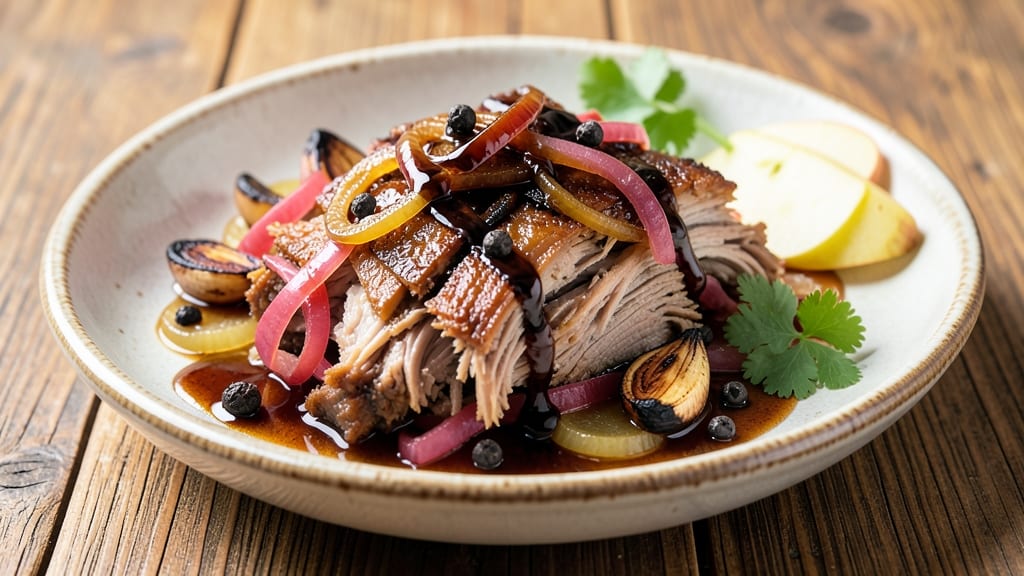
This Carolina pulled pork vinegar sauce transforms ordinary pulled pork into a masterpiece of bold tang and smoky depth—just like the kind I perfect every weekend at my Atlanta smokehouse. 🔥 The secret lies in balancing apple cider vinegar with rich molasses and slow-simmered spices, creating a sauce that clings to every bite like a Carolina summer evening.
What sets this sauce apart is its two-stage reduction—first building complex flavors with onions, garlic, and spices, then finishing with vinegar to cut through the richness without overpowering the pork's natural sweetness.
The result is a glossy, sticky glaze that's perfect for slathering on sandwiches or drizzling over collard greens. You'll end up with a sauce that's tangy yet balanced, with just the right amount of heat from cayenne and depth from black pepper.
The molasses adds a subtle sweetness that rounds out the acidity, while a splash of Worcestershire ties everything together. It's the kind of sauce that makes guests ask for the recipe before they even taste it.
Store it in the fridge for up to two weeks or freeze for months—this sauce only gets better with time as the flavors meld. Let's get cooking!
Ingredients for carolina pulled pork vinegar sauce
Nine ingredients, two stages—this sauce turns simple pulled pork into Carolina magic.
| Ingredient | Amount | Notes |
|---|---|---|
| Yellow Onions 🧅 | 1 whole | Diced into small pieces |
| Garlic Cloves 🧄 | 4 cloves | Minced for aromatic base |
| Apple Cider Vinegar 🍎 | 1 cup | Raw, unfiltered preferred |
| Molasses 🍯 | ½ cup | Unsulphured for best flavor |
| Worcestershire Sauce 🍶 | 2 tbsp | Vegan if needed |
| Black Peppercorns 🌶️ | 1 tsp | Freshly cracked preferred |
| Cayenne Pepper 🔥 | ½ tsp | Adjust for heat preference |
| Ground Black Pepper 🌶️ | ½ tsp | Freshly ground |
| Salt 🧂 | 1 ½ tsp | Kosher or sea salt |
| Olive Oil 🫒 | 2 tbsp | Extra-virgin for richness |
The onions and garlic are your flavor anchors. Sweet yellow onions from Trader Joe's or your local market work best—they've got that perfect balance of sweetness and bite. If you're using the big jarred minced garlic, squeeze out the excess liquid first or you'll end up with a watery sauce. For the vinegar, raw, unfiltered apple cider vinegar has the most complex flavor—Bragg is my go-to, but any organic brand will do. The molasses? Unsulphured is key—sulphured molasses has that weird chemical aftertaste that ruins everything. Grab the smallest bottle you can find; you won't need much.
No apple cider vinegar? White vinegar plus 1 tbsp lemon juice gets you close, though it'll be sharper. Running low on molasses? Maple syrup at half the amount works in a pinch, but it'll be sweeter. The Worcestershire sauce can be tricky—some brands contain anchovies, so check the label if you're avoiding fish. Lee Kum Kee or Annie's are safe bets. For heat, swap cayenne for red pepper flakes at double the amount—they're less potent but give a different kind of smoky kick. The olive oil is non-negotiable here; extra-virgin adds that fruity depth that makes this sauce sing.
This sauce only gets better with time. Store it in a glass jar in the fridge for up to 2 weeks—the flavors meld beautifully. For longer storage, freeze in ice cube trays and transfer to a bag; perfect for single-use portions. If it thickens too much, just whisk in a splash of water or vinegar. The first batch is always the best—save some to use as a base for the next, and you'll have a secret weapon for all your pulled pork dishes.
Why You'll Love This Recipe
- One-Pot Magic: I swear by this—just toss onions, garlic, and vinegar in the same pan as the pork, and let it simmer. No extra dishes, no fuss. The molasses caramelizes right into the sauce, so you’re left with one sticky, flavorful pot to clean.
- Tangy-Sweet Balance: That molasses and apple cider vinegar combo? It’s like a hug for your taste buds. The vinegar cuts through the richness of the pork, while the molasses adds this deep, almost caramelized sweetness that makes every bite irresistible.
- Tailgate or Tuesday: Serve it on sliders for a crowd, or pile it over mashed potatoes for a cozy weeknight dinner. The sauce keeps well, so it’s perfect for meal prep—just reheat and devour. Honestly, I’ve taken it to picnics, potlucks, and lazy Sundays.
- Budget Stretch: Worcestershire and vinegar are pantry staples, and onions/garlic are cheap. A pound of pork goes a long way, and the leftovers? Even better the next day. I’ll be real: this is my go-to when I need to feed a house without breaking the bank.
Step-by-step instructions for Carolina pulled pork vinegar sauce
Here's how to balance bold tang and smoky depth in this showstopping vinegar sauce.
🍳 Step 1: Build the Flavor Base with Olive Oil and Aromatics
Heat the 2 tablespoons olive oil in a medium saucepan over medium heat. Add the diced yellow onions and cook for 5 minutes until softened and translucent, stirring occasionally. Here's the thing—don't rush this step. The onions should release their sweetness before we add anything else.
Once the onions are tender, add the 4 cloves minced garlic and cook for another 30 seconds until fragrant. You'll know it's ready when the kitchen smells like fresh garlic—this is your aromatic foundation. Watch carefully though; garlic burns fast. If the pan starts to smoke, reduce the heat slightly and keep stirring.
🥘 Step 2: Combine Vinegar and Molasses for Tangy Depth
Pour in the 1 cup apple cider vinegar and bring the mixture to a gentle simmer. I like to use raw, unfiltered vinegar here—it adds subtle complexity that regular vinegar can't match. Let it bubble away for 3-4 minutes until the liquid reduces by about ¼, concentrating the flavors.
Now add the ½ cup molasses and stir until completely dissolved. This is where the sauce starts to develop its signature richness. The molasses will darken the mixture and add that caramel-like sweetness that balances the vinegar's sharpness. Taste it now—you should notice the initial tang with a hint of sweetness coming through.
🔥 Step 3: Season with Spices and Worcestershire
Add the 1 teaspoon freshly cracked black peppercorns, ½ teaspoon cayenne pepper, ½ teaspoon freshly ground black pepper, and 1½ teaspoons salt. Let the mixture simmer for 5-7 minutes until the spices release their aroma and the sauce thickens slightly. You'll see the peppercorns pop and the sauce darken—this is where the magic happens.
Stir in the 2 tablespoons Worcestershire sauce and simmer for another 2-3 minutes. This sauce is all about balance, and the Worcestershire ties everything together with its umami depth. Taste again now—you should have a complex interplay of sweet, tangy, and slightly spicy flavors. If it needs more heat, add a pinch more cayenne. If it needs more salt, adjust now while you can still taste the individual components.
⏰ Step 4: Simmer to Perfect Consistency
Reduce the heat to low and let the sauce simmer uncovered for 10-15 minutes, stirring occasionally. This final reduction is crucial—it allows the flavors to meld and the sauce to reach its ideal consistency. You're looking for a sauce that coats the back of a spoon but isn't syrupy.
Here's a pro tip: If the sauce thickens too much, add 1-2 tablespoons water to loosen it. The perfect consistency should be glossy yet still pourable, with a balance between tangy and sweet notes. Once you reach this point, remove the sauce from heat. Let it cool slightly before serving—this allows the flavors to settle and intensify. This sauce pairs beautifully with pulled pork, grilled chicken, or even as a glaze for roasted vegetables.
Pro Tips For Making Carolina Pulled Pork Vinegar Sauce
- Sweat the Onions Low: I used to rush this step and end up with bitter, waterlogged onions in the sauce. Instead, cook them on medium-low heat for 8-10 minutes until they’re translucent and starting to caramelize—just a touch of color, not brown. That slow cook turns them sweet and jammy, which is the backbone of the vinegar’s tang cutting through.
- Use Real Molasses, Not Syrup: That cheap corn syrup substitute ruins the depth. Real molasses (preferably unsulfured) has a smoky, complex edge that balances the sharpness of the vinegar and Worcestershire. A tablespoon or two makes a real difference—don’t skimp, and don’t substitute with honey or maple.
- Simmer Vinegar Off Heat: Vinegar burns faster than you’d think. Once you add it to the onions and garlic, pull the pan off the heat and let it mingle for 2-3 minutes before bringing it back up to a simmer. This prevents scorching, which turns your sauce bitter instead of bright.
- Reduce the Sauce Early: I learned this the hard way—adding all the vinegar at once means a watery finish. After the onions and garlic soften, add half the vinegar and reduce it by half before adding the rest. This concentrates the flavor and ensures a glossy, coatable sauce instead of a thin glaze.
Troubleshooting your carolina pulled pork vinegar sauce
Sauce Too Thin?
If your sauce ends up watery, you likely didn’t reduce it long enough. The key is patience—simmer uncovered for an extra 5-10 minutes to let the liquid evaporate. I’ve seen beginners rush this step and end up with a glaze that’s more like vinegar punch.
For a quick fix, whisk in 1 tablespoon cornstarch mixed with 2 tablespoons cold water and simmer for 2 minutes until thickened. 🔥
Vinegar Overpowering?
Too much sharpness? The molasses and Worcestershire should balance it, but if it’s still too tangy, add 1-2 tablespoons honey or maple syrup to sweeten. I’ve had this happen when using stronger vinegars like balsamic—always taste as you go.
For a smokier profile, add ½ teaspoon smoked paprika to deepen the flavor without adding sweetness.
Spices Not Dissolving?
Whole spices like peppercorns need time to release their oils. If they’re floating undissolved, crush them slightly with the back of a spoon or use a mortar and pestle. For cayenne, ensure it’s finely ground—if it’s chunky, it’ll create texture issues.
Pro tip: Toast the spices in the olive oil for 30 seconds before adding vinegar to enhance their flavor and help them disperse.
Sauce Too Sweet?
Molasses can sneak up on you—if your sauce tastes cloying, balance it with 1-2 extra tablespoons vinegar or a splash of lemon juice. For a Carolina touch, add ½ teaspoon mustard powder to cut through the sweetness.
I’ve learned this the hard way after overestimating molasses in a batch—always taste before adding more!
Grainy Texture?
This usually means the onions or garlic weren’t cooked enough to soften. For next time, cook the onions until they’re completely translucent and the garlic until it’s fragrant but not browned. If it’s already made, strain the sauce through a fine-mesh sieve to remove any gritty bits.
For a smoother texture, blend briefly with an immersion blender—just 5-10 seconds is enough to break up any lumps.
Not Tangy Enough?
If your sauce lacks that signature Carolina kick, add 1 extra tablespoon vinegar and simmer for 3-5 minutes to let the acidity develop. For a deeper tang, stir in 1 teaspoon apple cider vinegar reduction (simmer regular vinegar until syrupy).
I’ve also found that adding ½ teaspoon pickling spice (like mustard seeds or celery seed) adds a subtle tangy complexity without overpowering.
Nutrition facts
Frequently asked questions
Can I make this sauce without molasses?
Yes! If you're avoiding molasses, substitute with ¼ cup maple syrup plus 1 tablespoon honey for the same caramel-like sweetness. For a deeper flavor, add ½ teaspoon smoked paprika to mimic molasses' complexity. The sauce will be slightly lighter in color but still pack bold tangy notes.
How long will this sauce keep in the fridge?
This vinegar sauce stays fresh in an airtight container for up to 2 weeks in the fridge. The flavors actually improve over time as the acidity mellows and spices meld. For longer storage, freeze in ice cube trays—perfect for single-use portions. Thaw overnight in the fridge before using.
Can I use this sauce on other meats besides pork?
This tangy glaze works beautifully on grilled chicken, beef ribs, or even tofu for a vegetarian option. The vinegar's acidity helps tenderize meats, while the molasses adds caramelized depth. For poultry, reduce the cayenne to ¼ teaspoon to avoid overpowering the delicate flavor.
Why does my sauce look too thin?
Thin sauce usually means it didn't reduce enough. Keep simmering uncovered for 5-10 extra minutes to evaporate excess liquid. For a quick fix, mix 1 tablespoon cornstarch with 2 tablespoons cold water, stir into the sauce, and simmer 2 minutes until thickened. Patience is key—rushing this step ruins the balance of flavors!
What's the best way to reheat leftover sauce?
Gently warm in a saucepan over low heat for 3-5 minutes, stirring occasionally. Avoid high heat—it can make the vinegar taste harsh. For microwave reheating, use 30-second intervals on low power, stirring between each. If it thickens too much, add 1 teaspoon water at a time until smooth.