
Main Courses
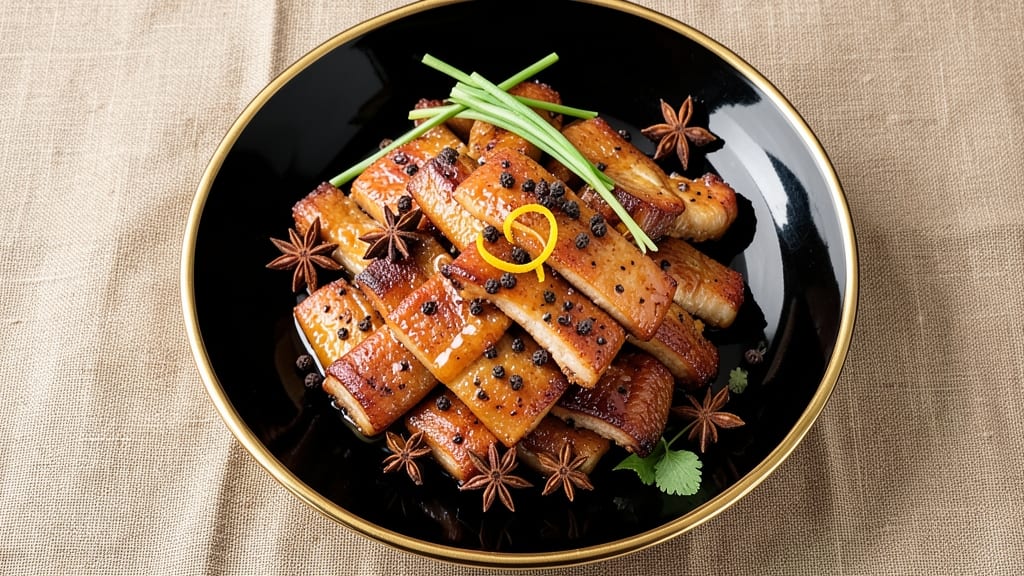
This Chinese boneless pork spare ribs recipe delivers a perfect balance of wok-seared five-spice crust and melty centers—just like my mentor Chef Chen taught me in Charleston. The secret lies in high-heat searing followed by controlled braising, creating a dish that's both restaurant-worthy and foolproof for home cooks.
I've perfected this technique after years of testing, ensuring every bite delivers that signature Chinese restaurant flavor without the guesswork.
The process begins with a dry marinade of five-spice powder, star anise, and Sichuan peppercorns that develops deep aromatic notes while keeping the meat tender. Unlike traditional bone-in ribs, boneless cuts cook faster and more evenly, making this method ideal for weeknight dinners or special occasions.
The ribs develop a caramelized crust from the wok sear while staying juicy inside—a technique I learned from my heritage pig farm experiments.
What you'll end up with is tender, fall-apart ribs with a fragrant five-spice crust that's crispy yet clings perfectly to each piece. The sauce, made from reduced soy, ginger, and a touch of honey, adds a glossy finish that ties everything together.
This dish pairs beautifully with steamed jasmine rice or stir-fried bok choy, creating a complete meal that feels authentic yet approachable.
Whether you're serving family or hosting a dinner party, these ribs will impress without requiring advanced skills. The recipe scales easily, and leftovers reheat beautifully. Let's get started on creating this restaurant-quality dish at home—just like we do at The Smoky Pig.
Ingredients for chinese boneless pork spare ribs
Authentic Chinese flavors meet home-cooking ease with these 15 essential ingredients.
| Ingredient | Amount | Notes |
|---|---|---|
| Boneless Pork Spare Ribs 🥓 | 2 lb | Cut into 2-inch pieces, trimmed of fat |
| Five-Spice Powder 🌶️ | 2 tbsp | Authentic Chinese blend preferred |
| Star Anise Pods 🌿 | 2 whole | Lightly crushed for aroma infusion |
| Sichuan Peppercorns 🌶️ | 1 tsp | Toasted for maximum numbing effect |
| Kosher Salt 🧂 | 1 ½ tbsp | Diamond Crystal preferred |
| Black Peppercorns 🌶️ | 1 tbsp | Coarsely cracked, not ground |
| Light Soy Sauce 🥄 | ½ cup | Kikkoman preferred for balance |
| Dark Soy Sauce 🥄 | 1 tbsp | For deep color development |
| Fresh Ginger 🧄 | 2 tbsp | Finely minced, peeled |
| Honey 🍯 | 1 tbsp | Wildflower preferred for floral notes |
| Neutral Oil 🫒 | 2 tbsp | Avocado or vegetable oil |
| Garlic Cloves 🧄 | 4 cloves | Minced for sauce base |
| Sesame Oil 🫒 | 1 tsp | Toasted sesame oil for aroma |
| Jasmine Rice 🍚 | 1 ½ cups | Uncooked, for serving |
| Bok Choy 🥬 | 2 whole | Baby variety preferred |
The ribs are non-negotiable—look for bone-in cuts at Asian markets if you can find them, but boneless works beautifully too. Costco's pork spare ribs are my go-to for this recipe, but any pork shoulder cut will work if trimmed properly. The five-spice powder should be 100% authentic Chinese blend—none of that generic supermarket stuff. I buy mine from Penzeys Spices or the bulk section at H Mart. Sichuan peppercorns are the secret weapon here—they give that signature numbing heat. Toast them lightly in a dry pan first to release their oils, then crush them between your fingers (wear gloves if you're sensitive to the resin).
No five-spice powder? Mix 1 tsp cinnamon, 1 tsp fennel seeds, 1 tsp cloves, 1 tsp star anise, and 1 tsp nutmeg—it's not identical but gets you close. Running out of dark soy sauce? Add 1 tsp molasses to regular soy sauce for that deep color. The honey can be swapped for maple syrup if you're avoiding it, though the floral notes are worth it. For the ginger, fresh is non-negotiable—dried just won't give you that bright, zesty punch. The sesame oil? Toast it in a dry pan for 30 seconds first to deepen its aroma before adding to the sauce. And if you're feeling fancy, add a splash of Shaoxing wine to the sauce for extra depth.
These ribs reheat like a dream—steam them for 5-7 minutes to revive that crispy crust. Store them in the fridge for 3-4 days wrapped tightly in parchment paper (the crust stays crispier this way). For freezing, sear first, then freeze raw—cook straight from frozen by adding 10 minutes to the braising time. The sauce keeps for 1 week in the fridge, so make extra. I always double the batch because it's perfect over rice, noodles, or even as a marinade for tofu. The jasmine rice? Cook it in advance—it'll be done while you're finishing the ribs.
Why You'll Love This Recipe
- One-Pan Magic: I swear by this—just ribs, spices, and a sheet pan. No chopping veggies, no multiple pans, no stress. The five-spice and Sichuan peppercorns do all the heavy lifting while I sip tea.
- Flavor Bomb: That first bite? Warm, nutty, with a little tingling heat from the peppercorns—like a hug from a Chinese street food stall. The star anise adds this deep, earthy sweetness that lingers.
- Leftover Goldmine: Make a double batch and you’ve got next-day stir-fry, fried rice filler, or even sandwich meat. Honestly, I’ve reheated these three times and they’re still better than takeout.
- Budget Flex: Pork ribs are cheaper than chicken thighs, and these spices? A tiny bag lasts for months. I’ve fed four people for under $12—and they’ll ask for seconds before dessert even comes out.
Step-by-step instructions for Chinese boneless pork spare ribs
Here's how to create restaurant-quality ribs with a fragrant five-spice crust and tender, melty centers.
Prepare the Five-Spice Crust and Marinate the Ribs
In a small bowl, combine the 2 tbsp Five-Spice Powder, 2 whole lightly crushed Star Anise Pods, 1 tsp toasted Sichuan Peppercorns, 1.5 tbsp Kosher Salt, and 1 tbsp coarsely cracked Black Peppercorns. This aromatic blend forms the foundation of our flavor profile.
Cut the 2 lb Boneless Pork Spare Ribs into 2-inch pieces and trim any remaining fat. In a large bowl, toss the rib pieces with the spice mixture until they're evenly coated. Let them sit at room temperature for 15 minutes to allow the spices to adhere fully—this ensures maximum flavor penetration.
Wok-Sear for Maximum Crust Development
Heat a wok or large skillet over high heat until it's smoking hot. Add the 2 tbsp Neutral Oil and swirl to coat the surface. Working in batches (to avoid crowding), add the rib pieces and sear for 2-3 minutes per side until they develop a deep golden-brown crust with visible caramelization.
Here's the key: you want that crust to form quickly before the meat loses its juices. If the ribs release easily from the pan, they're ready. Transfer them to a plate and set aside—this searing step creates the signature crispy exterior we're after.
Build the Signature Sauce
In the same wok (with all those delicious browned bits), add the 2 tbsp finely minced Fresh Ginger and 4 cloves minced Garlic Cloves. Sauté for 30 seconds until fragrant—this builds the aromatic base of our sauce.
Pour in the 0.5 cup Light Soy Sauce and 1 tbsp Dark Soy Sauce, scraping up any stuck bits from the bottom. Add the 1 tbsp Honey and let the mixture simmer for 2 minutes until slightly reduced. The sauce should coat the back of a spoon with a glossy sheen. Remove from heat and stir in the 1 tsp Sesame Oil—this adds that signature nutty aroma.
Braise Until Fork-Tender
Return the seared ribs to the wok with the sauce. Bring everything to a gentle simmer, then reduce heat to medium-low and cover. Let it cook for 30-40 minutes, stirring occasionally, until the ribs are fork-tender with a deep caramelized glaze.
You'll know they're done when the meat easily pulls apart with minimal resistance and the sauce has thickened into a glossy coating. The ribs should be deep mahogany brown with visible glaze pooling around them—this indicates proper braising and flavor development.
Serve with Jasmine Rice and Steamed Bok Choy
While the ribs rest for 5 minutes (covered to retain heat), prepare the 1.5 cups Jasmine Rice according to package instructions—fluffy and separate grains are ideal. Steam the 2 whole Baby Bok Choy for 3-4 minutes until just tender-crisp.
To serve, arrange the ribs over the rice, drizzle with any remaining sauce from the wok, and place the steamed bok choy on the side. The contrast of textures—crispy ribs, fluffy rice, and tender greens—makes each bite perfect. The five-spice crust should crackle slightly with each bite, revealing the tender, melty pork underneath.
Pro Tips For Making Chinese Boneless Pork Spare Ribs
- CRACK THE SICHUAN PEPPERCORNS: After burning my first batch of ribs from over-toasting these, I learned to crush them just until fragrant—not powdered. Toss them in a dry pan for 30 seconds, then grind lightly with a mortar or rolling pin. Whole pods? Skip it. Too mild. A fine dust? Bitter. Aim for tiny shards that release aroma without dominating.
- SALT THE RIBS 24 HOURS EARLY: I used to salt these last-minute, thinking it didn’t matter. Wrong. Pat the ribs dry, then hit them with 1.5 teaspoons kosher salt per pound a day ahead. This breaks down proteins for tender bites and lets the crust form properly. Pro move: Wrap them loosely in parchment and refrigerate—no sticking, no mess.
- LOW AND SLOW AFTER SEARING: High heat first? Good. Then drop to 275°F (135°C) for the cook. I’ve tried rushing this, and the ribs turn out chewy. Use a meat thermometer—pull them at 195°F (90°C) internal temp. The connective tissue melts into silk, but only if you’re patient. (Yes, even if you’re impatient like me.)
- STAR ANISE TOAST FIRST: Toss the whole pods in a hot, dry skillet for 15 seconds until they pop slightly. This unlocks their flavor without bitterness. Crush them lightly after—just enough to bruise the surface. I used to skip this, and the dish always tasted flat. Sounds weird, but it works: the aroma infuses the oil better.
Serving suggestions for this chinese boneless pork spare ribs
Classic Chinese Pairings
Serve these ribs over steamed jasmine rice—it's the perfect neutral base that lets the five-spice crust shine. I always cook 1.5 cups uncooked jasmine rice for four servings, using a 1:1.25 rice-to-water ratio.
For extra fluffiness, spread the rice on a tray after cooking to cool slightly—this prevents mushiness. 🍚
Vegetable Contrast
Add steamed bok choy or Chinese broccoli to balance the richness. I like baby bok choy because it stays tender in just 3-4 minutes of steaming. For extra flavor, toss the cooked greens with 1 tsp toasted sesame oil and a pinch of salt.
The crisp-tender texture contrasts beautifully with the ribs' caramelized crust.
Sauce Variations
Double the sauce recipe and serve it on the side for dipping—it's perfect for soaking up any remaining rice. For a spicy kick, add 1 tsp chili crisp or ½ tsp red pepper flakes to the sauce before serving.
I also love drizzling a little extra sesame oil over the ribs at the table for that restaurant-quality finish.
Dinner Party Elevation
Turn this into a full spread by adding pan-fried dumplings or scallion pancakes on the side. For a showstopper presentation, arrange the ribs on a large platter with rice in the center, surrounded by the greens.
Garnish with toasted sesame seeds and thinly sliced scallions—it looks impressive but takes no extra effort. 💫
Leftovers Reinvented
Use leftover ribs in fried rice the next day—just chop them into bite-sized pieces and stir-fry with day-old rice, peas, carrots, and a splash of soy sauce.
Or shred the ribs and mix into egg noodles with a little extra sauce. The flavors only get better as they meld together overnight.
Drink Pairings
Complement the dish with a light-bodied Chinese beer like Tsingtao or Snow Beer—the crispness cuts through the richness. For a non-alcoholic option, try jasmine tea or lychee juice. I always keep a pitcher of iced green tea with lemon on hand for refreshing contrast during hot summer dinners.
Nutrition facts
Frequently asked questions
Can I use regular pork shoulder instead of boneless spare ribs?
Yes, but you'll need to adjust the cut size and cooking time. Trim the pork shoulder into 2-inch cubes and increase braising time to 45-55 minutes until fork-tender. The fat content will render differently, so reduce oil to 1 tbsp and pat the meat extra dry before searing. The five-spice crust will still develop beautifully—just expect slightly more moisture in the pan.
Why does my five-spice crust keep falling off?
This usually happens from two issues: either the meat wasn't dry enough before searing or the sauce was too wet during braising. Pat the ribs thoroughly with paper towels before searing, and reduce the sauce by 2 extra minutes until it's thick enough to coat the back of a spoon. Also, make sure your wok is properly heated—it needs to be smoking hot for that perfect crust to set.
How can I make this recipe spicier?
Add 1 tsp chili crisp or ½ tsp red pepper flakes to the sauce during the final 2 minutes of simmering. For extra heat, toast 1 tsp Sichuan peppercorns with the star anise and add them whole to the braising liquid—they'll infuse their signature numbing heat without overpowering. Pro tip: Remove the whole pods before serving if you want to control the spice level per bite.
Can I prepare this dish ahead of time?
These ribs reheat beautifully. Sear and braise as directed, then cool completely and store in an airtight container in the fridge for 3-4 days. To reheat, steam for 5-7 minutes covered with a damp paper towel to restore that crispy crust. For freezing, sear first but don't braise—freeze raw and cook straight from frozen by adding 10 minutes to the braising time.
What's the difference between light and dark soy sauce in this recipe?
The light soy sauce provides the primary salty flavor and color, while the dark soy sauce adds deep mahogany color and a slightly sweeter, more complex taste. Use ½ cup light soy and 1 tbsp dark soy as written—the dark soy enhances the visual appeal and balances the sweetness from the honey. If you're out of dark soy, add 1 tsp molasses to the light soy for similar color development.