
Main Courses
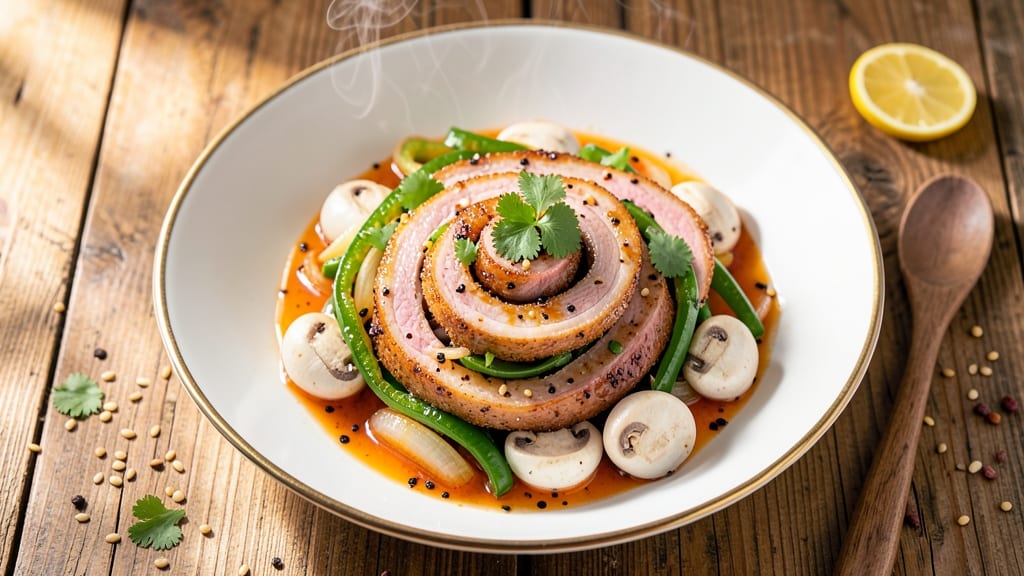
This Chinese orange pork stir fry delivers restaurant-quality wok hei in just 20 minutes, balancing sweet, spicy, and umami flavors with crisp-tender pork. I perfected this technique after years of studying Cantonese stir-fry methods, where the secret lies in high-heat searing and quick sauce integration.
The pork stays juicy while developing a caramelized crust, and the sauce achieves that perfect harmony of tangy orange zest, fiery chili, and deep soy umami.
The foundation of this dish is proper pork preparation—thin slices that cook quickly and absorb flavors evenly. I use a blend of Chinese five-spice and star anise for depth, then toss the pork in a light cornstarch coating to achieve that signature wok-fried crunch.
The sauce comes together in minutes with just five ingredients, but don't skip the quick caramelization step—that's where the magic happens.
What you'll end up with is a vibrant, aromatic stir fry where each bite delivers tender pork with a sweet-spicy glaze, crisp vegetables, and a sauce that's perfectly balanced. The dish maintains its heat and texture even after resting, making it ideal for serving immediately or packing for lunch.
This is the kind of meal that transforms a simple weeknight into a flavor experience.
For those new to wok cooking, I've included a sheet-pan adaptation that delivers the same results without specialized equipment. The technique remains the same—high heat, quick cooking—but the approach is more accessible. Let's make this stir fry that tastes like it came straight from a bustling Hong Kong kitchen.
Ingredients for chinese orange pork stir fry
The perfect blend of sweet, spicy, and umami comes together with these 15 essential ingredients.
| Ingredient | Amount | Notes |
|---|---|---|
| Pork Shoulder 🐷 | 1 ½ lb | Thinly sliced against grain |
| All-Purpose Flour 🌾 | ¼ cup | For cornstarch coating |
| Cornstarch 🌾 | ¼ cup | Lightly coats pork for crunch |
| Orange Zest 🍊 | 1 tbsp | Fresh, bright orange zest |
| Orange Juice 🍊 | ½ cup | Freshly squeezed |
| Dark Soy Sauce 🥄 | 2 tbsp | For deep umami flavor |
| Light Soy Sauce 🥄 | 2 tbsp | Balances sweetness |
| Chinese Five-Spice Powder 🌶️ | 1 tsp | Essential for authentic aroma |
| Star Anise 🌿 | 1 whole | Ground for deeper flavor |
| Red Chili Flakes 🌶️ | 1 tsp | Adjust for heat preference |
| Sesame Oil 🫒 | 1 tbsp | High smoke point preferred |
| Neutral Oil 🫒 | 2 tbsp | Peanut or vegetable oil |
| Garlic Cloves 🧄 | 4 cloves | Minced for aromatic base |
| Green Onions 🧅 | ¼ cup | Sliced for garnish |
| Salt 🧂 | 1 tsp | Diamond Crystal preferred |
The pork shoulder is non-negotiable for this stir fry—thinly sliced against the grain ensures tender bites. Ask your butcher to slice it if they won't do it in-store. For the best five-spice blend, Penzeys or Spicewalla carry authentic Cantonese versions, but any quality five-spice will work. Star anise is available in Asian markets or bulk spice sections—buy whole and grind it fresh for maximum impact. The orange should be firm and fragrant; navel oranges work best for zest and juice. If you can't find dark soy sauce, Kikkoman's premium dark soy is a reliable substitute.
No cornstarch? All-purpose flour at double the amount works in a pinch, though texture will differ slightly. Substitute sesame oil with avocado oil at the same quantity—just avoid regular olive oil, as it smokes too quickly. For heat adjustments, reduce chili flakes to 0.5 tsp if sensitive to spice. The garlic and green onions can be swapped for shallots if preferred, though the flavor profile shifts slightly. Fresh ginger (1 tsp grated) adds depth if you're feeling adventurous—just don't skip the star anise, as it's the backbone of the spice blend.
Pork slices keep best in the fridge for 2 days when stored in an airtight container with a paper towel to absorb moisture. The five-spice powder and star anise stay potent for 6 months in a sealed container away from light. For meal prep, assemble the stir fry up to 3 days ahead—reheat in a wok or skillet over high heat for 2-3 minutes to restore crispiness. The sauce can be made 2 days in advance and stored separately, then combined just before serving for maximum brightness.
Why You'll Love This Recipe
- One-Pan Magic: I swear by this for those nights when I’m too tired to wash extra dishes. Toss the pork shoulder in the flour-cornstarch mix, sear it until golden, then add the orange juice and zest—no deep frying, no messy sauces. Just one pan, one spatula, and 20 minutes later, dinner’s done.
- Zesty Crunch Factor: That bright orange zest clinging to the crispy edges? It’s the secret weapon. The pork stays juicy inside while the outside gets this addictive caramelized bite, and the citrus cuts through the richness like a perfect contrast. Honestly, my kids fight over the last piece.
- Lunches for Days: Between us, this is my meal prep MVP. The pork reheats beautifully—just add a splash of water and a quick stir—and the flavors only get better the next day. Pack it in containers for work or school, and you’ve got a week’s worth of lunch sorted. (Yes, even on a Tuesday night.)
- Budget-Friendly Powerhouse: Pork shoulder is cheap, and a single orange gives you both zest and juice—no need for fancy ingredients. The flour-cornstarch coating makes it feel restaurant-worthy without breaking the bank. I’ll be real: it’s the kind of dish that makes me feel like I’m treating myself, even when I’m not.
Step-by-step instructions for Chinese orange pork stir fry
Master the balance of sweet, spicy, and umami in this vibrant stir fry.
Prepare the Pork and Cornstarch Coating
Slice the 1.5 lb pork shoulder thinly against the grain for tender bites. In a large bowl, whisk together the 0.25 cup all-purpose flour and 0.25 cup cornstarch—this light coating ensures a crispy exterior while keeping the pork juicy. Add the 1 tsp salt, 1 tsp red chili flakes, and 1 tsp Chinese five-spice powder, mixing until evenly distributed. Toss the sliced pork in this mixture until fully coated, pressing gently to help the seasoning adhere.
Let the coated pork rest for 10 minutes while you prepare the remaining ingredients. This resting period allows the cornstarch to set slightly, preventing a gummy texture during stir-frying. The five-spice powder and chili flakes will infuse the pork with aromatic depth, while the salt enhances natural flavors. Work quickly—this dish relies on fresh, vibrant ingredients.
Build the Flavorful Sauce Base
In a small bowl, combine the 0.5 cup orange juice, 2 tbsp dark soy sauce, 2 tbsp light soy sauce, 1 tbsp orange zest, and 1 tbsp sesame oil. The dark soy sauce adds umami richness, while the light soy sauce balances sweetness. The orange zest and juice introduce a bright, citrusy tang that cuts through the pork's richness. Stir well to fully dissolve the zest and create a smooth sauce mixture.
In a separate small bowl, grind the 1 whole star anise into a fine powder using a mortar and pestle or spice grinder. This step is crucial—star anise adds a subtle anise-like warmth that complements the citrus and spices. Set aside; you'll incorporate it into the sauce just before cooking. The sauce should be ready to go once the pork is prepped, ensuring everything comes together efficiently.
Stir-Fry the Pork to Crispy Perfection
Heat a wok or large skillet over high heat until smoking, then add the 2 tbsp neutral oil. Once the oil shimmers, add the coated pork in a single layer, stirring gently for 2-3 minutes until the edges turn golden brown. Avoid overcrowding the pan—this prevents steam buildup, which can make the pork soggy. The high heat is essential for achieving that signature wok-hei, or "breath of the wok," that defines authentic stir-fries.
Push the pork to one side of the pan and add the 4 cloves minced garlic and the ground star anise. Stir for 30 seconds until fragrant—you'll smell the garlic mellowing and the star anise releasing its aromatic oils. Pour the sauce mixture over the pork, tossing everything together for 1-2 minutes until the pork is fully coated and the sauce thickens slightly. The pork should be 80% cooked at this stage; it will finish cooking through with the residual heat.
Finish with Aromatics and Garnish
Reduce the heat to medium and add the 0.25 cup sliced green onions, stirring for 1 minute until wilted. The green onions add a fresh, crisp contrast to the rich, spicy pork. Taste the sauce and adjust seasoning if needed—add a splash of orange juice for brightness or a pinch of salt for balance. The dish should harmonize sweet, spicy, and umami flavors with a bright citrus finish.
Transfer the stir-fry to a serving platter and garnish with additional green onion slices. Serve immediately over steamed jasmine rice or noodles to soak up the flavorful sauce. The pork should be tender yet slightly chewy, with a crispy exterior that crackles as you cut into it. Each bite should deliver a perfect balance of textures and flavors, making this dish a standout centerpiece.
Pro Tips For Making Chinese Orange Pork Stir Fry
- Velvet the Pork: Cut the pork shoulder into 1-inch chunks—no smaller, or they’ll turn to mush. After coating in flour, let them sit for 10 minutes before frying. I learned this the hard way when my first batch dissolved into a sad, gluey pile.
- Zest First, Juice Last: Grate the orange zest fresh and toss it into the sauce before adding the juice. The zest’s oils bloom faster, and the flavor hits harder. Skip this, and you’re just flavoring with liquid—no depth.
- Double-Coat for Crisp: Mix 2 tablespoons flour and 1 tablespoon cornstarch per cup of flour. Toss the pork in the dry mix, shake off excess, then dip in beaten egg, then back into the mix again. The extra layer locks in crispiness—trust me, it’s worth the extra minute.
- Deglaze with Heat: After frying the pork, remove it from the pan and crank the heat to medium-high before adding the orange sauce. The residual fat will sizzle, helping the sauce reduce faster and thicken properly. Low heat here = a watery mess.
Perfect pairings for this recipe
Rice Pairings
Serve this stir fry over steamed jasmine rice for the ultimate Cantonese pairing—the fragrant, slightly sticky grains soak up the citrusy sauce beautifully. I prefer Day Break or Calrose varieties for their balance of texture and absorbency. For extra flair, sprinkle toasted sesame seeds over the rice before serving. 💛
Noodle Alternatives
Swap rice for chewy rice noodles (like vermicelli or pad Thai noodles) for a lighter option. Toss the cooked noodles directly in the stir-fry pan for 1-2 minutes until heated through.
The noodles' slight chew contrasts perfectly with the crispy pork. For a heartier option, use udon noodles and add a splash of dashi broth to the sauce for depth.
Vegetable Sides
Add steamed bok choy or Chinese broccoli as a side—their mild bitterness balances the dish's sweetness. For a crunchy contrast, serve quick-pickled cucumbers (slice cucumbers thin, toss with 1 tbsp rice vinegar, ½ tsp sugar, and ¼ tsp salt) on the side.
These sides keep the meal vibrant and texturally dynamic.
Drink Pairings
A crisp green tea like Dragon Well complements the citrus and spices without overpowering. For something effervescent, try sparkling lychee tea—its floral notes mirror the orange's brightness.
If you prefer alcohol, a dry Riesling or Sauvignon Blanc enhances the dish's acidity and umami. Avoid heavy reds; they'll clash with the citrus.
Garnish Upgrades
Elevate the dish with crispy fried shallots (store-bought or homemade) for extra crunch. A drizzle of chili oil adds heat and visual drama. For freshness, top with cilantro leaves—their bright aroma cuts through the richness.
I often finish with a sprinkle of flaky sea salt to highlight the pork's natural sweetness. ✨
Make-Ahead Serving
Prep the stir fry up to 3 days ahead and store components separately. Reheat the pork and sauce in a wok over high heat for 2-3 minutes, then toss with freshly cooked rice or noodles.
Keep garnishes (green onions, sesame seeds) separate until serving to maintain crispness. This makes it perfect for meal prep—just reheat and assemble when ready. 💡
Nutrition facts
Frequently asked questions
Can I use chicken instead of pork in this recipe?
You can substitute chicken, but the texture and flavor will differ. Use boneless, skinless chicken thighs (not breast) for juiciness, and slice them ½-inch thick. Reduce cooking time by 1-2 minutes since chicken cooks faster than pork. The cornstarch coating still works, but chicken benefits from a slightly longer marinade (5-10 minutes) to absorb more flavor.
How do I adjust the heat level in this recipe?
For milder heat, reduce the red chili flakes to 0.5 tsp or omit them entirely. For extra spice, add ½ tsp chili flakes to the sauce or a dash of Sichuan chili bean paste (1 tsp). If serving kids, remove the pork from the sauce before plating and serve the sauce on the side. The orange zest already adds natural brightness that balances heat beautifully.
What's the best way to achieve crispy pork without a wok?
Use a cast-iron skillet or stainless steel pan on high heat to mimic wok cooking. Work in two batches if needed to avoid overcrowding. For extra crunch, add 1 tbsp potato starch to the cornstarch coating. If your pan isn't hot enough, you'll see steam instead of crispy edges. A tongs or spatula helps toss the pork quickly for even cooking.
Can I make this recipe with ground pork instead of sliced?
Ground pork works but requires adjustments. Use ½ lb lean ground pork and shape into small patties (1-inch diameter). Cook them in one layer for 3-4 minutes per side until browned, then add the sauce. The texture will be more compact, but the flavors remain rich. For extra authenticity, use ground pork shoulder which has more fat for juiciness.
Why does my sauce taste too sweet?
The sauce may taste sweet if you used too much orange juice or light soy sauce. Balance it by adding 1 tsp dark soy sauce (for umami depth) or a pinch of salt. A splash of rice vinegar (1 tsp) also helps cut sweetness while adding acidity. Taste as you go—the sauce should finish with a sweet-spicy-tangy harmony, not cloying sweetness.