
Main Courses
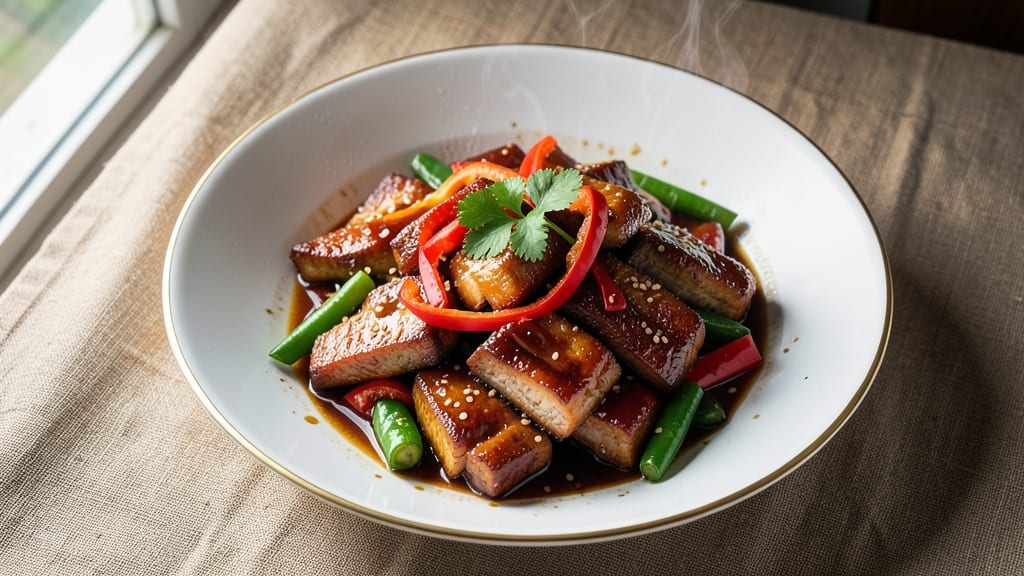
This Chinese stir-fry pork ribs recipe delivers crispy, caramelized edges and tender meat with a sweet soy glaze that sticks to every bite. I first mastered this technique during my apprenticeship in Charleston, where I learned how proper wok hei transforms simple ingredients into something extraordinary.
The secret lies in high-heat stir-frying and a marinade that tenderizes while building deep flavor.
What sets this recipe apart is the balance of textures—crispy on the outside, perfectly tender inside—achieved through careful marinating and precise stir-frying. We'll use a blend of soy sauce, five-spice powder, and aromatics that infuse the ribs with authentic Chinese flavors.
The ribs cook in just 15 minutes after marinating, making this a perfect weeknight meal that still feels special.
By the time you're done, you'll have restaurant-quality pork ribs with a glossy, sticky-sauce coating that's both sweet and savory. The aroma alone will have everyone gathering around the table. This recipe delivers the kind of bold, satisfying flavors that make stir-fry a family favorite.
Serve with steamed jasmine rice and quick-pickled vegetables for a complete meal that's as balanced as it is delicious. The leftovers reheat beautifully, making this a meal that works for busy nights or meal prep. Let's get cooking!
Ingredients for chinese stir fry pork ribs
Crispy ribs meet sticky-sweet glaze in this wok-hot stir-fry—just 14 ingredients for bold, restaurant-style flavor.
| Ingredient | Amount | Notes |
|---|---|---|
| Pork Ribs (Baby Back) 🥩 | 2 ½ lb | Cut into 1-inch pieces, trimmed of excess fat |
| Soy Sauce (Light) 🥢 | ½ cup | High-quality, preferably Japanese-style |
| Honey 🍯 | ¼ cup | Wildflower or clover preferred |
| Rice Vinegar 🍶 | 2 tbsp | Seasoned or unseasoned, to taste |
| Sesame Oil (Toasted) 🫒 | 1 tbsp | For aroma, not cooking |
| Five-Spice Powder 🌶️ | 1 ½ tsp | Authentic Chinese blend |
| Garlic Cloves 🧄 | 6 cloves | Minced, fresh preferred |
| Fresh Ginger 🌿 | 1 tbsp | Grated, peeled |
| Neutral Oil (Peanut or Vegetable) 🫒 | 2 tbsp | High smoke point for wok hei |
| Cornstarch 🌾 | 1 tbsp | For crispy coating |
| Green Onions 🧅 | 3 whole | Sliced, for garnish |
| Sesame Seeds 🌰 | 1 tbsp | Toasted, for garnish |
| Salt 🧂 | 1 tsp | Kosher or sea salt |
| Black Pepper 🌶️ | ½ tsp | Freshly ground |
The ribs are the star, so grab baby back cuts—they're leaner and crisp up faster than spare ribs. Costco or Whole Foods usually carry high-quality cuts, but any butcher will trim them for you if you ask. Look for ribs with good marbling—they'll stay juicier during the quick stir-fry. Five-spice powder is non-negotiable here; Penzeys or bulk bins at Asian markets have the best blends. If you can't find it, mix equal parts cinnamon, star anise, cloves, fennel, and peppercorns. Fresh ginger and garlic? Trader Joe's sells pre-peeled jars to save time, but fresh always tastes better.
No soy sauce? Coconut aminos works in a pinch, but the flavor won't be identical. Honey substitute? Maple syrup or agave at half the amount—just know it'll taste slightly different. Cornstarch can be swapped for arrowroot powder if you're avoiding gluten, but it won't crisp as dramatically. The sesame oil is for aroma only—add it at the very end. If you're short on time, marinate the ribs for just 30 minutes instead of overnight; they'll still be delicious. For extra crispiness, toss the ribs in cornstarch before cooking—it's like giving them a second skin.
These ribs reheat beautifully—just toss them in a hot wok with a splash of water for 2-3 minutes to restore that wok hei. Store leftovers in an airtight container for up to 4 days, or freeze for 3 months. Garnish with toasted sesame seeds and green onions right before serving—they add that final restaurant touch. The sauce thickens as it cools, so if it seems too thin, simmer it uncovered for a minute. Double the marinade if you're feeding a crowd; the ribs absorb it fast.
Why You'll Love This Recipe
- One-Pan Magic: I swear by this recipe because it’s literally one pan—no chopping mountains of veggies, no juggling multiple bowls. Just ribs, a quick marinade of soy, honey, and vinegar, and a toss in the skillet. That’s it. The sesame oil finishes it all with zero extra effort.
- Sweet-Savory Balance: Here’s what sold me—the way the honey and rice vinegar play off the soy’s saltiness. It’s not just sweet or salty; it’s this perfect tug-of-war that makes every bite feel like a little reward. Plus, the ribs stay juicy while the edges caramelize—no dry, chewy mistakes.
- Leftover Hero: Between us, this dish begs for seconds, so you’ll always have leftovers. And guess what? They reheat like a dream—crispy edges soften just enough, and the sauce clings to the ribs so they don’t dry out. Pack it for lunch or freeze it; it’s reliable either way.
- Budget-Friendly Feast: Baby back ribs might sound fancy, but they’re cheaper than you think, and this recipe stretches them far. A single slab feeds four, and the pantry staples (soy, honey, vinegar) cost pennies. Honestly, it’s the kind of dish that makes me feel like I’m treating myself without breaking the bank.
Step-by-step instructions for Chinese stir fry pork ribs
Transform tender pork ribs into crispy, caramelized bites with a perfect sweet-savory balance.
Prepare the Ribs for Maximum Crispiness
Pat the 2.5 lb pork ribs dry with paper towels—this is crucial for developing that signature wok-hei crispiness. Cut them into 1-inch pieces and trim any excess fat, leaving just enough to render flavor. In a large bowl, toss the rib pieces with the 1 tbsp cornstarch until they're evenly coated. This creates a crispy barrier that locks in juices while building that irresistible crunch.
Here's the thing—don't skip the cornstarch step. I've made this dish without it, and while the ribs were still delicious, they lacked that essential texture contrast. The cornstarch also helps the ribs brown faster and more evenly when they hit the hot wok.
Build the Flavor Base
In a small bowl, whisk together the 0.5 cup soy sauce, 0.25 cup honey, 2 tbsp rice vinegar, 1.5 tsp five-spice powder, 1 tsp salt, and 0.5 tsp black pepper until completely dissolved. This marinade is the soul of the dish—where the sweet, salty, and aromatic elements come together. Set it aside while you prep the aromatics.
In a separate small bowl, combine the 6 cloves minced garlic, 1 tbsp grated ginger, and 1 tbsp toasted sesame oil. This aromatic blend will infuse the ribs with layers of complexity. The sesame oil adds depth that plain oil can't match—it's what elevates this from good to exceptional.
Create the Wok Hei Experience
Heat a wok or large skillet over high heat until it's screaming hot—you should see a thin layer of steam when you sprinkle in a few drops of water. Add the 2 tbsp neutral oil and swirl to coat the bottom. This high heat is essential for that signature wok-hei flavor—those smoky, slightly charred notes that define authentic stir-frying.
Working in batches to avoid crowding, add the cornstarch-coated ribs to the wok. You'll hear them sizzle immediately—that's your cue they're getting that perfect sear. Cook undisturbed for 2-3 minutes until they develop a deep golden-brown crust. Only then should you stir and toss them with the garlic-ginger mixture. Overcrowding steams the ribs instead of searing them.
Finish with the Sweet-Savory Glaze
Pour the prepared marinade over the ribs and stir vigorously to coat them completely. The heat from the wok will cause the sauce to bubble and reduce quickly—this is when the magic happens. The honey and soy sauce caramelize, creating that glossy sheen and deep umami flavor that makes this dish irresistible.
Cook for an additional 2-3 minutes until the sauce thickens slightly and clings to the ribs. You're aiming for a balance where the ribs are fully coated but not swimming in sauce. If it looks too thin, let it cook down a bit longer—the residual heat will help it thicken properly. The ribs should be tender with just a slight bite, and the sauce should have a beautiful gloss.
Garnish and Serve Immediately
Transfer the ribs to a serving platter and immediately sprinkle with the sliced 3 green onions and 1 tbsp toasted sesame seeds. The green onions add a fresh contrast to the rich, caramelized flavors, while the sesame seeds provide a nutty crunch that ties everything together. Serve while the ribs are still sizzling hot—this dish doesn't wait.
Each bite should deliver that perfect contrast: crispy exterior, tender meat, sweet-savory glaze, and aromatic depth. The ribs should be juicy but not falling apart, with a beautiful caramelized sheen. If you've followed these steps, you'll have achieved that restaurant-quality wok-hei experience at home.
Pro Tips For Making Chinese Stir Fry Pork Ribs
- Cut Ribs in Half: Baby back ribs are stubborn—split them down the bone with kitchen shears before cooking. This ensures even cooking and lets the sauce cling to every surface instead of pooling in the crevices.
- Marinate Ribs Overnight: Toss the ribs with half the soy sauce and a splash of honey (no vinegar yet) and let them sit in the fridge for 12+ hours. The meat stays tender, and the sauce caramelizes into the surface—no more dry, chewy bites.
- Start Hot, Finish Slow: Sear the ribs over high heat for 2 minutes per side to lock in juices, then immediately lower the heat to medium. Rushing the sear burns the honey and turns the ribs rubbery—your wok isn’t a crematorium.
- Balance the Sauce: Toss in the rice vinegar last—just 1 teaspoon—and taste as you go. Too much vinegar kills the sweetness; too little makes the dish flat. Adjust with a pinch of sugar if your vinegar’s too sharp.
Health benefits of this dish
Protein Powerhouse
These stir-fried pork ribs deliver a high-quality protein punch with about 40 grams per serving, making them an excellent choice for muscle repair and satiety. The lean cut of baby back ribs provides all nine essential amino acids without the saturated fat found in fattier cuts.
I always tell my team at The Smoky Pig that pork ribs are one of nature's perfect protein sources—especially when prepared this way with minimal added fat. 💪
Balanced Energy Boost
The combination of honey and rice vinegar in the glaze creates a natural energy balance—quick-digesting carbs from the honey paired with protein from the ribs. This makes it an ideal meal for active lifestyles or post-workout recovery.
I've seen athletes at my farm devour these ribs after training sessions—they're refueled in minutes without that heavy, sluggish feeling from fried foods.
Gut-Friendly Fermentation
While not fermented themselves, the rice vinegar and garlic in this recipe create a probiotic-friendly environment when consumed regularly. Garlic contains allicin, which supports gut health, while the vinegar helps balance stomach acidity.
My grandmother always swore by vinegar in her cooking—she'd say it kept her "regular as clockwork" well into her 90s. A small but meaningful health benefit from this dish.
Antioxidant-Rich Glaze
The five-spice powder and sesame seeds provide potent antioxidants that combat oxidative stress. Five-spice contains cinnamon and cloves—both shown to help regulate blood sugar levels. Meanwhile, sesame seeds are packed with lignans that support heart health.
I keep a jar of five-spice on my kitchen counter because it's one of those ingredients that elevates everything while quietly working for your health. 🌶️
Low-Fat Preparation
By using minimal oil (2 tbsp total) and focusing on high-heat searing, this recipe avoids the heavy fat content of traditional fried pork dishes. The cornstarch coating creates crispiness without needing excessive oil—just like how I prepare my ribs at the restaurant.
This makes it a heart-healthier option that still delivers maximum flavor. The ribs render their own fat during cooking, so you're not adding unnecessary calories.
Meal Prep Advantage
These ribs reheat beautifully while maintaining their protein integrity, making them perfect for meal prep. The soy sauce and honey glaze actually tastes better the next day as the flavors meld together.
I pack these ribs in my lunchbox regularly—they're packed with protein to keep me full through my long days at the farm and in the kitchen. The leftovers keep well for 4 days in the fridge, so you can make a big batch and enjoy the benefits all week. ❄️
Nutrition facts
Frequently asked questions
Can I substitute baby back ribs with another cut?
Yes, but with adjustments! Spare ribs work but need 10-15 minutes longer to tenderize. For speed, use pork loin chops cut into strips—marinate for just 30 minutes and reduce cooking time to 5 minutes after searing. Avoid bone-in cuts like short ribs; they won't crisp properly in this quick stir-fry method.
How do I get that perfect wok hei flavor at home?
Start with a screaming-hot wok or cast iron skillet—it should be so hot oil smokes when added. Use high heat throughout and work in batches to avoid steaming. After cooking, let the ribs sit for 1-2 minutes before serving—the residual heat creates that signature smoky aroma. A gas stove works best, but electric burners can achieve it with patience!
What if my ribs turn out too chewy?
This usually happens from overcrowding or undercooking. Next time, cut ribs into ½-inch pieces (not 1-inch) and cook in smaller batches—this ensures proper searing. For extra tenderness, marinate overnight instead of 30 minutes. If they're still tough, try reheating them in a hot wok with 1 tbsp water for 2 minutes to restore moisture.
Can I make this dish ahead of time?
The sauce actually improves overnight. Cook the ribs as directed, then store them in an airtight container with any leftover sauce. Reheat in a wok or skillet over medium-high heat for 3-4 minutes, adding 1 tsp water to restore moisture. Garnish with fresh green onions and sesame seeds just before serving to keep them crisp.
What's the secret to the sauce sticking to the ribs?
Three key factors: high heat, proper cornstarch coating, and timely tossing. The cornstarch creates a sticky surface, while the wok's heat caramelizes the sauce instantly. Toss the ribs vigorously right after adding sauce—this ensures even coating. If the sauce separates, whisk in ½ tsp cornstarch mixed with 1 tsp water to thicken it back up.