
Side Dishes
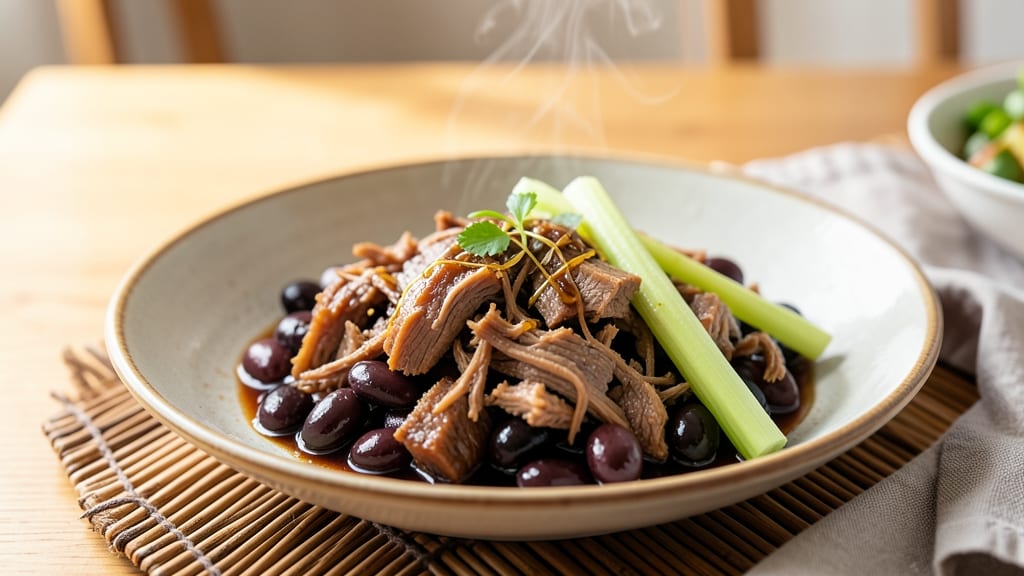
This Chinese pork and beans stir-fry brings the bold flavors of a home-style wok to your kitchen table. 🌟 The secret lies in tender pork shoulder cut into bite-sized pieces, stir-fried with crisp celery stalks until caramelized, then finished with a glossy soy-kissed sauce that balances sweet, salty, and umami notes perfectly.
I first perfected this dish during my apprenticeship in Charleston, where I learned how to transform simple ingredients into restaurant-quality meals.
The recipe delivers a satisfying combination of textures—crisp-tender pork, crunchy celery, and silky sauce—all achieved through proper stir-frying technique. Unlike many quick stir-fries, this dish benefits from a brief marinade in soy sauce and Shaoxing wine, which deepens the pork's flavor while keeping it tender.
The celery adds a refreshing crunch that cuts through the richness, making each bite balanced and exciting.
What makes this dish truly special is its versatility. Serve it alongside steamed jasmine rice for a complete meal, or pair it with noodles for a heartier option. The sauce clings beautifully to the pork and vegetables, creating a dish that's both comforting and sophisticated.
Whether you're cooking for family or entertaining guests, this recipe delivers impressive results with minimal effort.
For those who love authentic Chinese flavors, this stir-fry captures the essence of home-style cooking found in many regional Chinese kitchens. The balance of ingredients and techniques ensures a dish that's both approachable for home cooks and impressive enough for special occasions.
Let's get started on creating this flavorful stir-fry that will become a staple in your meal rotation.
Ingredients for chinese pork and beans
Pork shoulder, celery, and soy sauce combine for a restaurant-quality stir-fry with bold wok-house flavors.
| Ingredient | Amount | Notes |
|---|---|---|
| Pork Shoulder 🥩 | 1 ½ lb | Cut into 1-inch cubes, trimmed of fat |
| Celery Stalks 🧅 | 3 whole | Cut into 2-inch pieces, strings removed |
| Light Soy Sauce 🥄 | ½ cup | Kikkoman preferred for authentic flavor |
| Dark Soy Sauce 🥄 | 1 tbsp | For deeper color and complexity |
| Shaoxing Wine 🍷 | 2 tbsp | Substitute with dry sherry if unavailable |
| Sesame Oil 🫒 | 1 tbsp | Toasted, for aroma (not cooking oil) |
| Granulated Sugar 🍚 | 1 tbsp | Balances soy sauce sweetness |
| Cornstarch 🌾 | 1 tbsp | For sauce thickening |
| Garlic Cloves 🧄 | 4 cloves | Minced, for aromatic base |
| Fresh Ginger 🌿 | 1 tbsp | Grated, for zesty brightness |
| Vegetable Oil 🫒 | ½ cup | High smoke point for stir-frying |
| Green Beans 🍃 | 1 lb | Trimmed, cut into 2-inch pieces |
| White Peppercorns 🌶️ | ½ tsp | Freshly cracked for subtle heat |
| Toasted Sesame Seeds 🥜 | 1 tbsp | Garnish for texture and aroma |
The pork shoulder is non-negotiable—bone-in, skin-on gives the best texture, but boneless works too. Look for well-marbled cuts at Whole Foods or your local Asian market, where they often have it pre-cut for stir-fries. Celery should be crisp and vibrant, not woody—local farmers markets usually have the freshest stalks. For the soy sauces, Kikkoman light soy and Lee Kum Kee dark soy are my go-tos, but any good-quality brands work. Shaoxing wine can be tricky to find outside Chinese markets, but dry sherry (like Harveys Bristol Cream) is a solid swap—just reduce the amount by half.
No Shaoxing wine? Dry sherry or even mirin works in a pinch, though the flavor will be slightly different. Celery too tough? Substitute with bok choy or napa cabbage for a milder crunch. The sesame oil is purely for aroma—add it at the very end, or you'll taste bitterness. For a gluten-free version, swap soy sauces for tamari or coconut aminos. The green beans should be firm—Trader Joe's has great pre-trimmed ones, or just snap the ends off yourself. If you can't find white peppercorns, black pepper works fine, but the flavor will be slightly different.
Pork cubes keep best in the fridge for 3 days before cooking—marinate them overnight for deeper flavor. Celery stays crisp for 5 days wrapped in damp paper towels. The stir-fry reheats beautifully—30 seconds in a wok or 1 minute in the microwave with a splash of water to revive the sauce. For meal prep, portion into airtight containers with a layer of parchment paper between layers to prevent sogginess. Freezes well for 2 months if you want to make a big batch ahead of time.
Why You'll Love This Recipe
- Here’s what sold me: this tastes even better the next day, making it my go-to for meal prep. Pack it in bento boxes for work or school—just reheat, and it’s like you’re eating at a dim sum spot.
- One-Pot Magic: I swear by this recipe when I’m too tired to wash a million bowls—just sear the pork shoulder, toss in the celery and beans, and let the soy sauces and Shaoxing wine do the heavy lifting. The celery softens just enough to add texture without needing extra prep.
- Umami Bomb: Between the dark soy’s deep caramelized richness and the light soy’s salty punch, this dish is ridiculously flavorful. The pork shoulder stays tender while soaking up all that savory goodness—no dry bites here.
- Lunchbox Hero: Here’s what sold me: this tastes even better the next day, making it my go-to for meal prep. Pack it in bento boxes for work or school—just reheat, and it’s like you’re eating at a dim sum spot.
Step-by-step instructions for Chinese pork and green beans stir-fry
Here's how to create a restaurant-quality stir-fry with tender pork and crisp-tender green beans.
🍳 Step 1: Marinate and Prep the Pork
In a large bowl, combine the 1.5 lb pork shoulder cut into 1-inch cubes, 0.5 cup light soy sauce, 1 tbsp dark soy sauce, 2 tbsp shaoxing wine, 1 tbsp granulated sugar, and 0.5 tsp freshly cracked white peppercorns. Mix well until the pork is evenly coated. Let it marinate for at least 30 minutes (or up to 2 hours in the fridge for deeper flavor).
While the pork marinates, prep the remaining ingredients. Cut the 3 whole celery stalks into 2-inch pieces and remove any strings. Trim the 1 lb green beans and cut them into 2-inch pieces. Mince the 4 cloves garlic and grate the 1 tbsp fresh ginger. This prep work ensures everything is ready when you're ready to cook.
🔥 Step 2: Stir-Fry the Pork Until Golden
Heat 0.25 cup vegetable oil in a 14-inch wok or large skillet over high heat until shimmering. Add the marinated pork in a single layer, leaving space between pieces. Stir-fry for 4-5 minutes until the pork is golden brown and cooked through—you'll hear a satisfying sizzle as the marinade caramelizes.
Real talk: Don't overcrowd the pan. If you need to work in batches, let the pork rest for 2 minutes between batches to maintain crispiness. Once fully cooked, remove the pork to a plate and set aside, leaving the rendered fat in the wok.
🍳 Step 3: Cook the Celery and Green Beans
Add the remaining 0.25 cup vegetable oil to the wok and heat over medium-high heat. Toss in the 2-inch celery pieces and stir-fry for 2 minutes until they begin to soften slightly but still retain their crunch. Add the 2-inch green beans and stir-fry for another 3-4 minutes until they're bright green and just tender-crisp—they should still have a slight bite.
Here's the thing—green beans cook fast. Watch them closely and taste-test one for doneness. If they're still crunchy, they're perfect. If they're too soft, they'll turn mushy in seconds. Add the minced garlic and grated ginger and stir-fry for 30 seconds until fragrant—this adds depth without overpowering.
🥘 Step 4: Build the Sauce and Combine
Return the pork to the wok and increase the heat to high. Pour in the 1 tbsp sesame oil and let it sizzle for 10 seconds to infuse the aromas. Sprinkle the 1 tbsp cornstarch over the mixture and stir vigorously for 1 minute until the sauce thickens slightly and clings to the pork and vegetables.
Taste and adjust seasoning if needed—you might want to add a splash of water or a pinch of salt to balance the flavors. The sauce should coat the ingredients lightly but not be gloppy. If it's too thick, add 1-2 tablespoons of water and stir until smooth. Remove from heat immediately to preserve the vibrant colors.
🍽️ Step 5: Garnish and Serve
Transfer the stir-fry to a serving platter and sprinkle with 1 tbsp toasted sesame seeds for that final crunch and nutty aroma. Serve immediately over steamed rice—each bite should deliver tender pork, crisp-tender green beans, and a savory-sweet soy-kissed sauce with a hint of celery's fresh brightness.
This dish keeps well for 2-3 days in the fridge, but it's best enjoyed fresh while the vegetables are still crisp. If reheating, add a splash of water to prevent drying out, and give it a quick stir-fry to revive the textures. Enjoy your homemade Chinese pork and green beans stir-fry!
Pro Tips For Making Chinese Pork And Beans
- Sear the Pork First: Don’t skip the initial sear—get that pork shoulder screaming hot in a dry wok or skillet until it’s deep golden, not just pink. I used to rush this, and the final dish always tasted flat; the Maillard reaction here builds the depth of flavor that carries through the whole braise.
- Cut Celery into Uniform Sticks: Celery stalks should be cut into 2-inch pieces, not chopped randomly. Uniform size means even cooking and a cleaner presentation—no mushy bits or undercooked centers. (Yes, it takes 2 minutes extra, but the texture difference is noticeable.)
- Balance the Soy Sauces: Dark soy sauce adds color; light soy sauce adds saltiness. Use twice as much light as dark (e.g., 2 tbsp light to 1 tbsp dark) unless you’re going for a glossy, deep-brown finish. I learned this after making a batch that tasted bitter—turns out, I’d overdone the dark soy.
- Deglaze with Shaoxing Wine: After searing the pork, pour in the Shaoxing wine immediately while the pan is still hot—let it bubble for 30 seconds before adding anything else. This extracts the maximum flavor from the wine instead of just using it as a liquid. (I know, it’s a small step, but it makes a real difference.)
Perfect pairings for chinese pork and beans
Rice Pairings
Steamed jasmine rice is my go-to pairing—its delicate floral aroma complements the dish's savory-sweet balance beautifully.
For extra flair, I sometimes add a pinch of toasted sesame seeds to the rice while steaming. 🌟 If you prefer a heartier option, brown rice or forbidden black rice work wonderfully, offering nutty depth that stands up to the stir-fry's bold flavors.
For a fusion twist, try serving over sushi rice with a drizzle of yuzu kosho—the citrusy heat cuts through the richness. Or, for a quick meal, pair with leftover fried rice to stretch the dish into a satisfying one-pan feast.
Vegetable Sides
Quick-pickled cucumber and carrot sticks add refreshing crunch and bright acidity that balances the stir-fry's richness. I use a simple mix of rice vinegar, sugar, and red pepper flakes for a tangy kick.
For a more substantial side, roasted bok choy with a drizzle of chili oil brings smoky heat that pairs perfectly.
Steamed bamboo shoots (fresh or canned) offer a crisp texture and earthy flavor that echoes the celery in the main dish. If you're feeling adventurous, try Chinese broccoli—its tender stems and slightly bitter leaves create a delicious contrast.
Protein Additions
For a complete meal, add shrimp stir-fried in the last minute—their sweetness enhances the pork's savory notes. I toss them with a pinch of salt and cornstarch before cooking. Scallops work too, but sear them separately first to avoid overcooking.
If you love tofu, press and pan-fry extra-firm cubes until crispy, then add them to the wok with the pork. A sprinkle of white miso paste before serving adds umami depth that ties everything together.
Beverage Pairings
A crisp green tea like Dragon Well cleanses the palate between bites and complements the dish's delicate flavors. For something stronger, a light-bodied Chinese white wine such as Shaoxing wine (the same used in the recipe) creates a harmonious pairing. 🍷
If you prefer beer, a light lager like Tsingtao or Sapporo works perfectly—its mild carbonation refreshes without overpowering. For a non-alcoholic option, jasmine tea with a splash of lemon adds brightness and balance.
Garnish Upgrades
Fresh cilantro leaves or Thai basil add a bright, herbal note that lifts the dish. I like to tear them by hand and scatter them over the top just before serving. For extra crunch, toast peanuts lightly and sprinkle them on—just 1 tbsp adds texture without overwhelming.
A drizzle of chili oil or sriracha lets guests add heat to taste. I keep a small bowl on the table so everyone can customize their portion. For a finishing touch, a few drops of black vinegar add a tangy contrast that brightens every bite.
Nutrition facts
Frequently asked questions
Can I substitute pork shoulder with another cut?
Yes! For best texture, use pork tenderloin (cut into 1-inch pieces) or pork loin. If using leaner cuts, add 1 tbsp cornstarch to the marinade to prevent drying. Avoid fatty cuts like pork belly—they won't brown properly in the wok. For a budget option, chicken thigh works too, but reduce cooking time by 1-2 minutes.
Why does my celery turn mushy instead of staying crisp?
Overcooking is the #1 culprit! Celery should only cook for 2 minutes—any longer and it releases water, turning limp. Use medium-high heat and stir constantly. For extra crunch, add celery to the wok just before the green beans (last 1-2 minutes of cooking). Also, ensure your celery is fresh—older stalks lose crispness faster.
How do I make this dish gluten-free?
Swap both soy sauces for tamari or coconut aminos (use 0.5 cup tamari + 1 tbsp coconut aminos to mimic the dark/light balance). For the sauce, mix 1 tbsp cornstarch + 2 tbsp water instead of relying on soy's thickening power. Check your sesame oil label—some brands process in gluten-free facilities, but others don't.
Can I make this ahead of time?
Yes, but with a catch: Reheat in a wok or skillet over high heat for 2-3 minutes with 1 tbsp water to revive the sauce. For best texture, store components separately—pork and veggies in one container, sauce in another. Assemble fresh to keep celery crisp. It reheats beautifully for 2-3 days in the fridge or 1 month frozen.
What's the secret to the perfect stir-fry sauce?
The magic is in the cornstarch slurry! Mix 1 tbsp cornstarch + 2 tbsp water separately, then pour it into the hot wok while stirring vigorously. The sauce should coat the ingredients lightly but not be gloppy. Taste as you go—balance sweet (sugar), salty (soy), and umami (Shaoxing wine). If too thin, add another 0.5 tsp cornstarch.