
Side Dishes
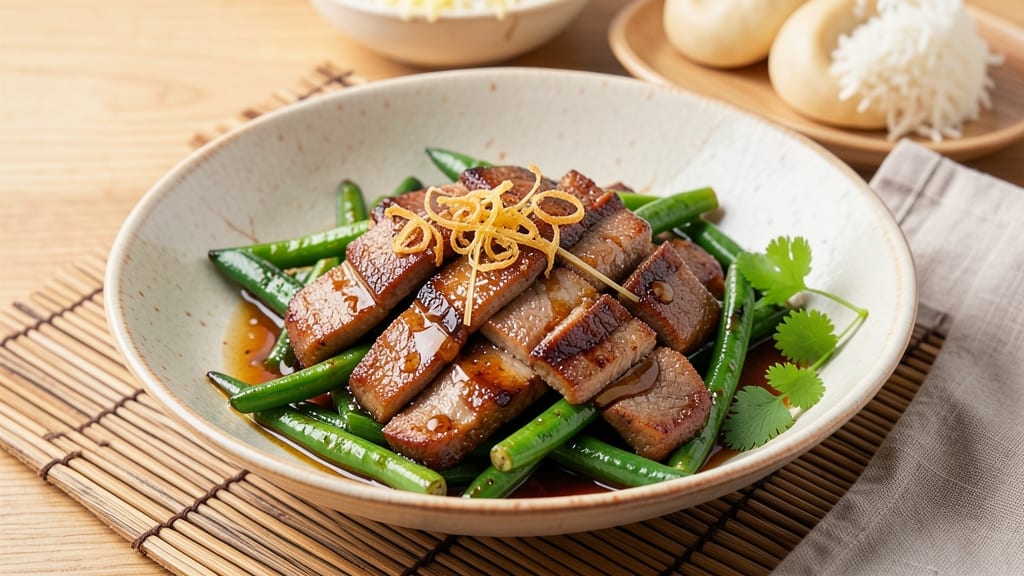
This Chinese pork and green beans recipe delivers the perfect harmony of crisp-tender pork and bright, crunchy green beans in under 30 minutes.
After years of perfecting stir-fry techniques—from my time apprenticing with Master Chef Chen—I’ve developed a method that captures that elusive wok hei (breath of the wok) without needing a professional stove.
The secret lies in high-heat searing and quick cooking, which preserves the natural sweetness of the pork while keeping the green beans vibrant and slightly blistered.
What sets this dish apart is the balance of flavors: a savory soy-ginger marinade for the pork, paired with a light but impactful sauce of garlic, chili, and a touch of rice vinegar.
I use thinly sliced pork shoulder (never pre-cut from the grocery store—freshly sliced makes all the difference) and flat iron steak for extra tenderness. The green beans are blanched just until bright green, then finished in the wok to maintain their crispness.
This isn’t just a side dish; it’s a complete, restaurant-quality meal that’s ready in one pan.
By the time you’re done, you’ll have golden-brown pork with caramelized edges and green beans that are tender-crisp, all coated in a glossy sauce that’s tangy, slightly sweet, and just spicy enough.
The aroma alone—smoky from the wok, bright from the garlic and ginger—will have everyone at the table asking for seconds. Serve it over steamed jasmine rice or with a side of noodles for the full experience. Here’s how to make it.
For those without a wok, a cast iron skillet works just as well—my go-to for home cooking. The key is maintaining high heat and working quickly, which is where this recipe truly shines.
Whether you’re cooking for a weeknight dinner or prepping for a crowd, this dish delivers restaurant-quality results with minimal effort. Let’s get started.
Ingredients for chinese pork and green beans
Fresh pork, vibrant green beans, and bold Asian flavors—everything you need for a restaurant-quality stir-fry.
| Ingredient | Amount | Notes |
|---|---|---|
| Pork Shoulder 🐖 | 1 lb | Thinly sliced, fresh-cut preferred |
| Flat Iron Steak 🥩 | ½ lb | Thinly sliced, for extra tenderness |
| Green Beans 🥦 | 1 ½ lb | Fresh, trimmed, or frozen (thawed) |
| Soy Sauce 🍶 | ¼ cup | Light or regular, not low-sodium |
| Rice Vinegar 🍶 | 0.03 cup | Seasoned preferred for balance |
| Sesame Oil 🫒 | 1 tbsp | Toasted, for aroma |
| Garlic Cloves 🧄 | 4 cloves | Minced, fresh preferred |
| Fresh Ginger 🌿 | 1 tbsp | Grated, peeled |
| Red Chili Flakes 🌶️ | ½ tsp | Adjust for heat preference |
| Neutral Oil 🫒 | 2 tbsp | Peanut or vegetable oil |
| Sesame Seeds 🌾 | 1 tsp | Toasted, for garnish |
| Salt 🧂 | 1 tsp | Kosher or sea salt |
| Black Pepper 🌶️ | ½ tsp | Freshly ground |
| Green Onion 🧅 | 2 whole | Sliced, for garnish |
The pork makes or breaks this dish. Pork shoulder is my go-to for that melt-in-your-mouth texture, but flat iron steak adds extra tenderness. Ask your butcher for thin slices—about 1/8-inch thick—or use a meat slicer if you’ve got one. For green beans, fresh is ideal (look for bright green, crisp stalks), but frozen works in a pinch. Trader Joe’s or Costco usually have pre-trimmed beans, but if you’re buying whole, trim the ends and snap off the tough bottoms. The soy sauce? Kikkoman or Lee Kum Kee are my staples—avoid the low-sodium versions here, we need that umami punch.
No sesame oil? Toasted peanut oil or avocado oil works in a pinch, but the flavor won’t be quite the same. Short on fresh ginger? Ground ginger at half the amount gets you close, though fresh is always better. The red chili flakes can be swapped for Sichuan peppercorns if you want a different kind of heat. For the rice vinegar, seasoned vinegar adds a touch of sweetness that balances the dish perfectly. If you’re using frozen green beans, thaw and pat them completely dry before cooking—wet beans steam instead of sear. And trust me, toasting your sesame seeds in a dry pan for 30 seconds before adding them to the dish takes the flavor to another level.
Pork and green beans keep best in the fridge for 2 days if you’re prepping ahead. The sauce components (soy, vinegar, oil) last 6 months in the pantry, so measure those out first. For leftovers, store in an airtight container and reheat in a wok or skillet over high heat—just add a splash of water to keep things from drying out. I like to portion mine into small containers so I can grab a quick lunch. And if you’re making this for a crowd, double the pork and beans, but keep the sauce amounts the same—you can always add more later.
Why You'll Love This Recipe
- One-Pan Magic: I swear by this recipe when I’m too tired to wash dishes. Toss the pork (shoulder or flat iron—both work) and green beans straight onto a hot pan, let the soy sauce and vinegar work their savory-sour alchemy, and boom—done. No extra pots, no fuss.
- Umami Bomb: That combo of pork shoulder’s deep richness and flat iron’s quick sear? Absolute perfection. The soy sauce caramelizes into a glossy glaze while the rice vinegar brightens it just enough—like a hug for your taste buds.
- Leftovers That Don’t Suck: Between us, most stir-fries turn into sad, soggy leftovers. Not this one. The pork stays tender, the green beans hold their crunch, and it reheats like it’s fresh. Pack it for lunch or freeze half—no regrets.
- Budget-Friendly Powerhouse: Pork shoulder is cheap, flat iron’s versatile, and green beans last forever. A single batch feeds four or fuels my lunches for days. Honestly, I make this when I’m pinching pennies, and it still tastes like I splurged.
Step-by-step instructions for wok-fried pork and green beans
Here's how to create that perfect balance of crispy pork and tender green beans with bold Asian flavors.
Prep Ingredients for Maximum Flavor
Start by slicing the 1 lb pork shoulder and 0.5 lb flat iron steak into thin strips—about ¼-inch thick and 2-inch long. I like to cut against the grain for extra tenderness. Trim the 1.5 lb green beans by snapping off the ends, leaving the beans whole if using fresh or thawed frozen. Mince the 4 cloves garlic cloves and grate the 1 tbsp fresh ginger—this releases their aromatic oils.
In a small bowl, combine the 0.25 cup soy sauce, 0.03 cup rice vinegar, 0.5 tsp red chili flakes, 1 tsp salt, and 0.5 tsp black pepper. Mix well—this marinade will infuse the pork with deep umami and a touch of heat. Let the pork strips soak in this mixture for 15 minutes while you prep the rest. The longer they marinate, the more flavorful they'll be.
Cook the Pork Until Golden and Tender
Heat a wok or large skillet over high heat until it's smoking hot. Add the 2 tbsp neutral oil and swirl to coat the bottom evenly. Working in batches if needed, add the marinated pork strips and stir-fry for 3-4 minutes until they turn golden brown and release easily from the pan. The high heat is key here—it sears the pork quickly, locking in juices.
Once the pork is cooked through, remove it from the wok and set it aside on a plate. Don't drain the wok yet—those flavorful browned bits are pure gold. Here's the thing: if the pork feels undercooked, give it another 30 seconds in the wok. You want it tender, not rubbery. The residual heat will finish it off.
Stir-Fry the Green Beans for Crisp-Tender Perfection
Add the trimmed green beans to the wok in a single layer, spreading them out so they don't overcrowd. Stir-fry for 4-5 minutes over medium-high heat, tossing frequently, until they're bright green and just tender—you want them to hold their shape but yield slightly when pressed. If they start to wilt too quickly, reduce the heat slightly.
After 2 minutes, add the minced garlic cloves and grated ginger to the wok. Stir for 30 seconds until fragrant—this is where the aromatics really wake up. The garlic should sizzle but not burn, and the ginger should soften slightly. If the green beans are done before the aromatics release their flavor, remove them to a plate and keep warm.
Combine and Finish with Bold Flavors
Return the cooked pork to the wok and toss everything together for 1-2 minutes. Add the 1 tbsp sesame oil and toss again—this adds a nutty aroma and helps bind all the flavors. Taste and adjust seasoning if needed; you might want to add a splash of rice vinegar or a pinch more red chili flakes for balance.
Garnish with 1 tsp toasted sesame seeds and 2 sliced green onions. The sesame seeds add texture, while the green onions bring a fresh, bright finish. Serve immediately over steamed rice—this dish is best enjoyed while the pork is still hot and the green beans retain their crunch.
Pro Tips For Making Chinese Pork And Green Beans
- SEAR PORK IN BATCHES: Flat iron steak and pork shoulder both release juices when cooked—crowd the pan, and you’ll steam the meat instead of browning it. Work in 2-3 pieces at a time, shaking the pan occasionally, until you get that deep golden crust. (Yes, it takes longer, but the flavor isn’t negotiable.)
- BLANCH GREEN BEANS FIRST: Raw green beans in a hot wok? They’ll turn mushy before the pork cooks. Give them a quick 2-minute blanch in boiling water, then shock in ice water to stop cooking. They’ll hold their crunch and absorb flavors better—no more sad, limp beans in your stir-fry.
- DEGLAZE WITH RICE VINEGAR: That browned pork fond stuck to your pan? Don’t just splash water—toss in 1 tablespoon of rice vinegar while scraping. The acid cuts through the richness, adds brightness, and gives your sauce a proper Chinese restaurant tang. (Skip the vinegar? You’ll miss the balance.)
- REST PORK BEFORE SLICING: Cut into pork shoulder or flat iron steak too soon, and it’ll turn out dry. Let it rest 5–7 minutes under foil—even if you’re impatient. The juices redistribute, and your first bite will be moist, not chewy. (I learned this after serving a sad, dry plate. Never again.)
Storing and reheating this dish
Fridge Storage Tips
Let your pork and green beans cool to room temperature for 10-15 minutes before storing to prevent condensation. I transfer them to an airtight container with a lid—I love using glass Pyrex containers because they keep flavors fresh longer.
Store in the fridge for up to 2 days, but honestly, this dish tastes best fresh. The pork stays juicy, and the green beans maintain their bright color. If you’re prepping ahead, keep the sauce components separate until reheating. 💛
Freezer-Friendly Method
For longer storage, freeze the cooked pork and green beans separately in single-serving portions. Use freezer-safe bags or containers with 1-inch headspace to prevent ice crystals. Label with the date—they’ll keep for 2 months without losing texture.
When ready to eat, thaw overnight in the fridge, then reheat in a skillet over medium-high heat with a splash of water to restore moisture.
Reheating for Best Results
For the best texture, reheat in a wok or cast iron skillet over high heat for 3-4 minutes. Add 1 teaspoon water or rice vinegar to prevent drying. The high heat mimics the original stir-fry process, keeping the pork crispy and green beans vibrant.
If using the microwave, cover with a damp paper towel and heat in 1-minute bursts until reaching 165°F—this prevents soggy beans. 🔥
Reviving Leftover Crunch
If your green beans lose their crispness, toss them back in the wok with ½ teaspoon sesame oil and stir-fry for 1 minute over high heat. The oil adds a fresh aroma and helps restore texture.
For extra flavor, sprinkle with ½ teaspoon toasted sesame seeds and a pinch of salt. This trick works wonders for takeout-style leftovers!
Sauce Refresh Trick
If the sauce tastes flat after reheating, revive it with ½ teaspoon soy sauce and ¼ teaspoon red chili flakes. Stir well and let it sit for 1 minute before serving. The acidity from the vinegar and heat from the chili flakes will wake up the flavors.
I also like adding a drop of sesame oil for that nutty depth. This is my go-to fix for restaurant-quality leftovers. ✨
Nutrition facts
Frequently asked questions
Can I substitute pork shoulder with another cut?
For extra tenderness, try pork tenderloin or pork loin, but slice it 1/8-inch thick against the grain. If using pork belly, render the fat first and remove excess before cooking to avoid greasiness. The key is thin, even slices that cook quickly over high heat.
How do I keep my green beans crisp instead of mushy?
Pat them completely dry before cooking and avoid overcrowding the pan. Stir-fry over medium-high heat for no more than 4-5 minutes—they should be bright green and slightly blistered, not limp. For extra crunch, finish with a quick toss in ½ teaspoon sesame oil after cooking.
What if I don't have a wok?
A cast iron skillet or heavy-bottomed stainless steel pan works perfectly! The goal is high heat and quick cooking—preheat your pan until smoking hot, then work in batches if needed. A wok distributes heat differently, but a good skillet gives you wok hei (smoky aroma) without the specialized tool.
Can I make this dish ahead of time?
Yes, but store components separately. Cook the pork and green beans separately, then refrigerate in airtight containers for up to 2 days. Reheat in a skillet over high heat with 1 teaspoon water to restore moisture. The sauce can be made ahead too—keep it in the fridge for 3 days or freeze for 3 months.
How spicy should the dish be?
Start with ½ teaspoon red chili flakes for mild heat, then adjust to taste. For extra kick, add 1 teaspoon chili crisp or ½ teaspoon gochujang when combining everything. If you love heat, toast the chili flakes in the pan for 30 seconds before adding them to intensify the flavor.