
Main Courses
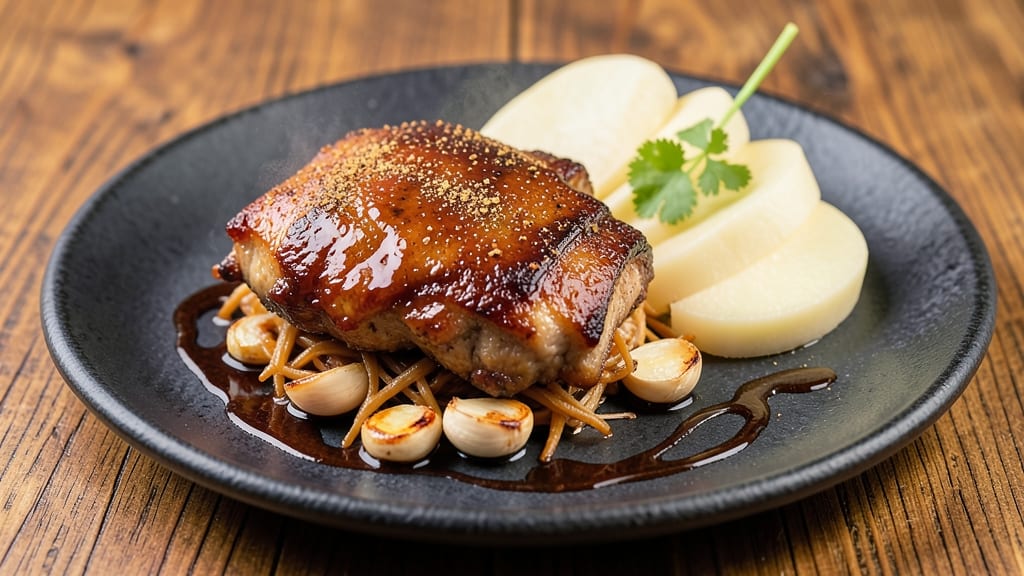
This Chinese pork and taro recipe brings restaurant-quality comfort to your kitchen with its caramelized crust and sticky-sweet roots. 🌟 I first tasted this dish in a Cantonese restaurant in Atlanta, where the tender pork and earthy taro created a perfect balance of textures and flavors.
The secret lies in braising the pork until fall-apart tender while letting the taro develop a glossy, caramelized exterior that contrasts beautifully with its creamy interior.
The recipe starts with a simple marinade of soy sauce, five-spice powder, and a touch of honey to tenderize the pork and infuse it with aromatic depth. While the pork braises, the taro is parboiled and then roasted until its natural starches caramelize into a sweet, crispy crust.
This method ensures the roots stay moist inside while achieving that coveted exterior texture that makes every bite satisfying. The dish is traditionally served with steamed jasmine rice, but I often add a side of quick-pickled vegetables for brightness.
What makes this recipe special is how it transforms humble ingredients into something extraordinary. The pork becomes fork-tender with a rich, savory depth, while the taro offers a velvety-sweet contrast that balances the meal perfectly. The aroma alone—warm pork, caramelizing taro, and fragrant spices—will have everyone gathering around the table.
This is the kind of dish that feels like a hug in food form, perfect for family dinners or special occasions.
Once you try this version, you’ll understand why it’s a staple in Chinese home cooking. The braising process is foolproof, and the roasted taro requires minimal effort but delivers maximum flavor.
Whether you're serving it to guests or treating yourself to a homemade feast, this recipe delivers restaurant-quality results with a touch of home-cooked warmth. Let’s get cooking!
Ingredients for chinese pork and taro
Restaurant-quality flavors start with these simple yet transformative ingredients for sticky-sweet pork and taro.
| Ingredient | Amount | Notes |
|---|---|---|
| Pork Shoulder 🥩 | 1 ½ lb | Bone-in for flavor, cut into 1-inch cubes |
| Taro Root 🥔 | 2 lbs | Medium size, peeled and cut into 1-inch chunks |
| Light Soy Sauce 🍶 | ½ cup | For marinade and braising |
| Five-Spice Powder 🌶️ | 2 tsp | Authentic Chinese blend preferred |
| Honey 🍯 | 2 tbsp | For glaze and tenderness |
| Garlic Cloves 🧄 | 6 cloves | Minced for marinade |
| Ginger Root 🌿 | 2 tbsp | Freshly grated, aromatic |
| Sesame Oil 🫒 | 1 tbsp | Toasted for finishing |
| Neutral Oil 🫒 | 2 tbsp | For roasting taro (vegetable or canola) |
| Brown Sugar 🍚 | 2 tbsp | Enhances caramelization |
| Green Onion 🧅 | 3 whole | Sliced for garnish |
| Salt 🧂 | 1 ½ tsp | Kosher or sea salt |
| Black Pepper 🌶️ | ½ tsp | Freshly ground |
| Jasmine Rice 🍚 | 1 ½ cups | Uncooked, for serving |
The pork shoulder is non-negotiable here—bone-in for maximum flavor, but trim excess fat if concerned. Look for well-marbled cuts at Asian markets or the meat section of Whole Foods. Taro root can be tricky to find; check the international produce aisle or order online if your local store doesn't carry it. Fresh ginger and garlic are essential for that authentic aroma, but if you're short on time, pasteurized minced garlic works in a pinch. The five-spice powder should be labeled 'authentic Chinese'—Penzeys or Honey Island brands are reliable choices.
No five-spice powder? Mix 1 tsp cinnamon, 0.5 tsp fennel, 0.5 tsp cloves, 0.25 tsp star anise, and 0.25 tsp Sichuan peppercorn for a close substitute. Short on taro? Sweet potatoes work in a bind, though the texture won't be identical. The honey can be swapped for maple syrup if you're avoiding refined sugar. For the sesame oil, toasted is key—if you only have regular, toast it yourself in a dry pan for 30 seconds. The brown sugar adds depth; muscovado sugar has a richer molasses flavor if you want to splurge.
Pork and taro keep beautifully—braise the pork ahead and refrigerate for up to 3 days before roasting the taro. The taro itself can be prepped a day in advance; store cut pieces in water in the fridge to prevent browning. Once fully cooked, this dish reheats wonderfully—350°F for 15 minutes covered with foil. For meal prep, portion into containers with rice and freeze for up to 3 months. The aromas alone will have your kitchen smelling like a Cantonese restaurant.
Why You'll Love This Recipe
- One-Pan Magic: I swear by this recipe on busy nights—the pork shoulder and taro share the same pan, so no juggling pots or extra cleanup. Just sear, simmer, and let the five-spice powder work its magic while you stir occasionally.
- Sweet-Savory Balance: That honey glaze caramelizing on the pork? Absolute perfection. The light soy sauce cuts through the richness, and the taro’s earthy bite ties it all together—like a hug in a bowl.
- Meal Prep Hero: Between us, this dish tastes even better the next day. I make a big batch on Sundays, and it’s my go-to for lunches—just reheat and serve. The taro holds up beautifully, and the pork gets more tender with time.
- Budget-Friendly Feast: Pork shoulder is cheap but feels luxurious, and taro’s a pantry-friendly root that lasts forever. A single batch feeds four, and the leftovers? Even better cold in sandwiches or fried up for crispy hash. Smart cooking, zero guilt.
Step-by-step instructions for Chinese pork and taro
Master this balance of tender pork and caramelized taro with precise timing and technique.
👨🍳 Step 1: Marinate the Pork Shoulder
Cut the 1.5 lb pork shoulder into 1-inch cubes and place them in a large bowl. In a small bowl, whisk together the 0.5 cup light soy sauce, 2 tbsp honey, 2 tsp five-spice powder, 1.5 tsp salt, and 0.5 tsp black pepper. Pour this marinade over the pork and toss to coat evenly.
Add the 6 minced garlic cloves and 2 tbsp freshly grated ginger root to the bowl. Mix thoroughly and cover with plastic wrap. Refrigerate for at least 4 hours (overnight is ideal) to allow the flavors to deeply penetrate the meat. This step ensures the pork stays tender and develops that signature sticky-sweet flavor profile.
🔥 Step 2: Roast the Taro Root
Preheat your oven to 400°F. Peel the 2 lbs taro root and cut it into 1-inch chunks. Toss the taro in a large bowl with 2 tbsp neutral oil and 2 tbsp brown sugar until evenly coated. Spread the taro in a single layer on a parchment-lined baking sheet.
Roast for 25-30 minutes, stirring once halfway through, until the edges are deep golden brown and the taro is tender when pierced with a knife. The sugar will caramelize, creating a sweet, crispy crust that contrasts beautifully with the tender interior. Remove from the oven and set aside.
🍳 Step 3: Sear and Braise the Pork
Heat a large Dutch oven or heavy pot over medium-high heat. Remove the pork from the marinade (reserve the marinade) and sear the cubes in batches until golden brown on all sides, about 3-4 minutes per side. This step builds deep flavor through the Maillard reaction.
Return all the pork to the pot and pour in the reserved marinade. Add 1 cup water to help deglaze the pot and prevent sticking. Bring to a simmer, then reduce heat to low, cover, and let it braise for 1.5 hours until the pork is fork-tender. The sauce should reduce to a glossy, sticky glaze—this is what makes the dish so irresistible.
🥘 Step 4: Finish and Serve
Stir the 1 tbsp toasted sesame oil into the braising liquid and taste, adjusting seasoning if needed. Add the roasted taro root to the pot and gently toss to coat in the sauce. Let it heat through for 2-3 minutes so the taro absorbs the flavors.
Slice the 3 whole green onions into ¼-inch pieces and sprinkle them over the top. Serve the pork and taro over 1.5 cups cooked jasmine rice, spooning the sticky-sweet sauce generously over each serving. The contrast of the tender pork, caramelized taro, and fragrant rice creates a harmonious balance of textures and flavors.
Pro Tips For Making Chinese Pork And Taro
- PARBOIL TARO FIRST: Skip the raw chunks—taro’s natural starch turns gluey when cooked. Parboil peeled cubes for 8–10 minutes until fork-tender, then shock in ice water. This keeps them from falling apart later and soaks up the five-spice marinade like a sponge. (Yes, even if you’re tempted to skip it—trust me, the texture changes.)
- SEAR PORK IN BATCHES: Crowd the pan and you’ll steam the meat instead of sear it. Cut the pork shoulder into 1.5-inch chunks and work in two batches over medium-high heat. A hot, oily pan for 3–4 minutes per side gives you that caramelized crust without turning your kitchen into a sauna. (I learned this the hard way—burnt pork smells awful.)
- USE HONEY LAST: Add honey too early and it burns before the pork’s done. Wait until the last 5 minutes of cooking, then drizzle it in with the soy sauce. Let it reduce slightly—just until the sauce thickens enough to coat the meat, not turn into syrup. (This isn’t a candy dish, after all.)
- LET THE PORK REST: Slice that pork shoulder right out of the pan and you’ll end up with dry, stringy bites. Transfer it to a plate, tent loosely with foil, and let it sit for 10 minutes. The juices redistribute, and the five-spice powder gets a chance to actually cling to the meat instead of floating away. (I know, I know—you’re hungry. But your taste buds will thank you.)
Serving suggestions for this dish
Rice Pairings
Jasmine rice is my go-to base for this dish—its delicate floral aroma and slightly sticky texture soak up the pork's rich braising liquid beautifully. Cook 1.5 cups uncooked jasmine rice with 2 cups water and let it steam for 15 minutes off heat.
For extra flair, I sometimes mix in 1 tbsp toasted sesame oil while cooking for a nutty depth that complements the taro's caramelization. 🍚
Quick-Pickled Veggies
A bright side of quick-pickled vegetables cuts through the richness of the pork and taro. Thinly slice 1 cup daikon radish and 1 carrot, then pack into a jar with ½ cup rice vinegar, 1 tbsp sugar, and ½ tsp red pepper flakes.
Let sit for 30 minutes before serving—this adds a refreshing crunch and tangy contrast that elevates the dish. I often use this method with Asian markets' pickling cucumbers if daikon isn't available.
Cucumber Salad
For a lighter option, serve a simple cucumber salad made with 1 English cucumber sliced into half-moons, 2 tbsp soy sauce, 1 tsp sesame oil, and 1 tsp rice vinegar. Toss gently and chill for 15 minutes to let flavors meld.
The cool, crisp texture provides a perfect palate cleanser between bites of tender pork and sweet taro. I like to garnish with toasted sesame seeds for extra crunch and visual appeal.
Steamed Bok Choy
Steamed bok choy adds a fresh, slightly bitter note that balances the dish's richness. Blanch 4 baby bok choy in boiling water for 2 minutes, then shock in ice water. Drain and toss with 1 tsp toasted sesame oil and a pinch of salt.
The vibrant green color makes the plate visually stunning while adding a subtle crunch. I often serve this on the side rather than mixed in to preserve its delicate texture. 🥬
Garnish Game-Changers
Elevate your presentation with simple garnishes that add layers of flavor. A drizzle of chili oil (mix ¼ cup neutral oil with 1 tbsp chili flakes and 1 tsp gochujang) adds heat and visual drama. For freshness, scatter thinly sliced scallions and cilantro leaves over the top.
I also love finishing with crushed peanuts for texture—just 2 tbsp lightly toasted in a dry pan for 2 minutes. These final touches make the dish feel restaurant-worthy without extra effort. 🌟
Nutrition facts
Frequently asked questions
Can I substitute taro root with another vegetable?
Yes! If taro is unavailable, try sweet potatoes or yams for a similar sweet, starchy texture. For a closer match, use purple yams—their natural sugars caramelize beautifully. Just reduce the roasting time by 5-10 minutes since they cook faster than taro.
How do I prevent the taro from turning mushy?
Parboil the taro for 5-7 minutes before roasting to soften slightly, then roast until tender. The key is high heat (400°F) and even coating with oil and sugar. Avoid overcrowding the pan—roast in a single layer for crispy edges.
What's the best way to reheat leftovers?
Reheat in a 350°F oven for 15 minutes covered with foil to retain moisture. For microwave reheating, use 50% power for 1-2 minutes, then stir well. The sauce may thicken—add 1 tbsp water if needed. Never reheat above 165°F for safety.
Can I make this dish in a slow cooker?
Brown the pork first, then transfer everything (including marinade) to a 6-quart slow cooker. Cook on low for 6-7 hours or high for 3-4 hours. Add the taro during the last 1 hour of cooking. The slow cooker method keeps the pork ultra-tender with minimal effort.
Why does my pork turn out dry?
Overcooking is the most common cause. Use a meat thermometer—pork should reach 195°F internally for tender results. If using a Dutch oven, keep it covered and maintain a low simmer. For extra moisture, add ½ cup water during braising if needed.