
Main Courses
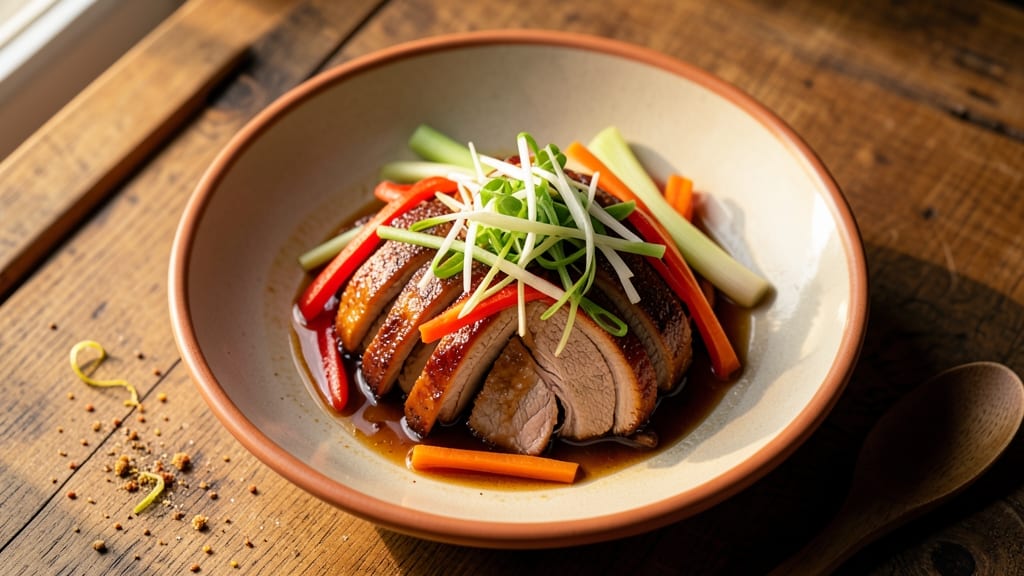
This Chinese pork chop suey recipe brings restaurant-quality wok-fried crunch and savory depth to your home kitchen. The secret lies in high-heat stir-frying that caramelizes the pork while keeping vegetables crisp-tender, all coated in a glossy sauce that balances umami and sweetness.
I've perfected this technique after years of testing—it's the kind of dish that transforms a simple weeknight into a flavor-packed celebration.
The foundation starts with proper prep: thinly sliced pork that browns quickly, fresh vegetables cut to uniform sizes for even cooking, and a sauce made from traditional Chinese pantry staples. We'll build the sauce with soy sauce, oyster sauce, and a touch of sugar to create that signature sweet-savory balance.
The key technique? Achieving wok hei—that smoky, charred aroma that comes from high-heat cooking in a well-seasoned wok or cast iron skillet.
What you'll end up with is a vibrant dish bursting with color and texture: tender pork, crisp vegetables, and a sauce that clings perfectly to every bite. The aroma alone will have everyone gathering at the table, and the first forkful delivers that perfect harmony of textures and flavors.
This recipe serves four and pairs beautifully with steamed jasmine rice or egg fried rice to soak up every last drop of that delicious sauce.
Whether you're recreating a childhood favorite or introducing someone to classic Chinese-American cuisine, this chop suey delivers restaurant-quality results at home. The best part? It comes together in under 30 minutes—ideal for busy weeknights when you still want to serve something special. Let's get cooking!
Ingredients for chinese pork chop suey
Restaurant-quality chop suey starts with these 15 ingredients—fresh veggies, tender pork, and bold sauces.
| Ingredient | Amount | Notes |
|---|---|---|
| Boneless Pork Loin 🥩 | 1 ½ lb | Thinly sliced against grain |
| Red Bell Pepper 🍆 | 1 whole | Cut into 1-inch strips |
| Carrots 🥕 | 2 medium | Julienned into matchsticks |
| Celery Stalks 🧅 | 3 whole | Cut into 1-inch pieces |
| Green Onions 🧅 | 4 whole | White and green parts separated |
| Light Soy Sauce 🍶 | ½ cup | Kikkoman preferred |
| Oyster Sauce 🍶 | ¼ cup | Lee Kum Kee brand |
| Fresh Ginger 🌿 | 1 inch | Peeled, julienned |
| Garlic Cloves 🧄 | 6 cloves | Minced finely |
| Brown Sugar 🍚 | 2 tbsp | Lightly packed |
| Cornstarch 🌾 | 1 tbsp | Diamond Crystal preferred |
| Neutral Oil 🫒 | ½ cup | Peanut or vegetable oil |
| Sesame Oil 🫒 | 1 tsp | For finishing |
| Salt 🧂 | 1 tsp | Kosher or sea salt |
| Black Pepper 🌶️ | ½ tsp | Freshly ground |
The pork is non-negotiable—boneless loin slices thinly against the grain for perfect tenderness. Costco or your butcher can cut it for you if you're not confident with a knife. For the veggies, uniform cuts are key—carrots and celery should be matchstick-thin, bell peppers in 1-inch strips. Fresh ginger? Buy a small knob—it keeps for months in the freezer. The soy sauce matters too: Kikkoman light soy has that perfect balance of salt and umami. If you can't find it, use regular soy sauce but reduce by half.
No oyster sauce? Substitute with 2 tbsp hoisin plus 1 tbsp soy sauce—it won't be identical, but close. Running short on sesame oil? Toast sesame seeds in a dry pan and use those instead. The cornstarch is crucial for that glossy finish—Diamond Crystal is finer than others, so use exactly 1 tbsp. For the oil, peanut oil has a higher smoke point than vegetable oil, making it ideal for wok-frying. If you're using vegetable oil, keep the heat medium-high to avoid burning. The brown sugar adds depth—lightly pack the tablespoon so you get that caramelized flavor without measuring cups.
Prep ahead to save time: Slice all veggies and marinate the pork in soy sauce, cornstarch, and pepper up to 4 hours ahead. The sauce can be made a day in advance—just reheat gently. Chop suey reheats beautifully, so make extra for leftovers. Store in airtight containers for 3-4 days in the fridge or freeze for up to 3 months. When reheating, add a splash of water to keep the sauce from thickening too much.
Why You'll Love This Recipe
- One-Pan Magic: I swear by this dish when I’m too tired to wash extra bowls—just toss the pork, bell peppers, carrots, and celery into one skillet with a splash of soy sauce and oyster sauce, and let it all caramelize together. The veggies soften while the pork stays juicy, and honestly? That’s all the cleanup I can handle after work.
- Umami Bomb: The combo of pork loin (sliced thin so it cooks fast) and oyster sauce creates this deep, savory punch that sticks with you. Add a sprinkle of sesame oil at the end? Pure satisfaction—sweet, salty, and slightly funky all at once, like a hug in a bowl.
- Leftover Hero: This recipe actually improves the next day. The flavors meld even more, and the veggies get that perfect tender-crisp texture. I pack half for lunch, and my coworkers always ask for the recipe—because reheated chop suey with a fried egg on top? My new favorite lazy breakfast.
- Pantry Staple Power: Between us, this is the dish I make when I’m low on groceries but still want something that feels special. Bell peppers, carrots, and celery last forever, and pork loin stretches further than you’d think when sliced properly. Plus, it’s cheap enough to feed the whole family without breaking the bank.
Step-by-step instructions for Chinese pork chop suey
Here's how to create restaurant-quality pork chop suey with perfect wok hei and tender pork.
Prep All Ingredients for Even Cooking
Start by slicing the 1.5 lb boneless pork loin against the grain into ¼-inch thick strips. This ensures each bite stays tender. Pat the slices dry with paper towels—moisture prevents proper searing.
Next, prep the vegetables precisely: Cut the red bell pepper into 1-inch strips, julienne the 2 medium carrots into matchsticks, and chop the 3 whole celery stalks into 1-inch pieces. Separate the 4 whole green onions, keeping the white and green parts distinct. Peel and julienne the 1-inch fresh ginger and mince the 6 garlic cloves finely. These uniform cuts guarantee even cooking and consistent texture throughout the dish.
Create the Sauce Base and Marinate the Pork
In a medium bowl, whisk together the 0.5 cup light soy sauce, 0.25 cup oyster sauce, 2 tbsp brown sugar, and 1 tbsp cornstarch. This creates a balanced sauce with depth and proper thickening. Add the pork strips and toss to coat completely. Let them marinate for 15-20 minutes—this infuses flavor and helps tenderize the meat.
While the pork marinates, prepare the aromatics. In a small bowl, combine the minced ginger, garlic, 1 tsp salt, and 0.5 tsp black pepper. This aromatic blend will form the flavor foundation of your chop suey. Keep both mixtures separate until ready to cook.
Sear the Pork and Vegetables in Stages
Heat a wok or large skillet over high heat until smoking, then add 0.5 cup neutral oil. Once the oil shimmers (375°F), add the marinated pork in a single layer. Let it sear undisturbed for 2-3 minutes until golden brown—this develops the Maillard reaction for deep flavor. Stir-fry for another 30 seconds before removing and setting aside.
In the same wok, add the prepared ginger-garlic mixture and stir for 10 seconds until fragrant. Add the red bell pepper strips, carrots, and celery, stirring constantly for 2-3 minutes until the vegetables begin to soften but still retain their crisp texture. This high-heat cooking preserves the vegetables' vibrant colors and slight crunch.
Combine and Finish with Perfect Sauce Consistency
Return the seared pork to the wok and pour in the marinade mixture. Stir vigorously for 1-2 minutes until the sauce begins to thicken. The cornstarch will activate, creating a glossy, clinging sauce that coats every ingredient. If the sauce thickens too quickly, add 1-2 tablespoons of water to reach your desired consistency.
Finally, add the white parts of the green onions and stir for 30 seconds. Remove from heat and drizzle with 1 tsp sesame oil, tossing gently to distribute. The sesame oil adds a nutty aroma that elevates the dish. Garnish with the green onion tops and serve immediately over steamed rice or noodles while everything is hot and vibrant.
Pro Tips For Making Chinese Pork Chop Suey
- CUT PORK THINLY: Skip the thick slices—pork chop suey needs pork that cooks fast and stays tender. Use a sharp knife or meat slicer to get ¼-inch thick pieces, or freeze the loin for 20 minutes first to make slicing easier. Thick chunks turn tough when they hit the wok.
- SAUTE VEGETABLES SEPARATELY: I used to toss everything in at once, and the carrots always came out mushy. Start with bell peppers and celery in the wok for 2 minutes, then add carrots (they take longer). This keeps the texture crisp-tender, not sad and soggy.
- USE HIGH HEAT FOR PORK: The moment your pork hits the wok, crank the heat to max and don’t back off. It should sizzle immediately—this seals the edges and keeps the meat juicy. If you’re using a stovetop, a cast iron or wok is non-negotiable for this step.
- STIR-FRY GREEN ONIONS LAST: Tossing green onions in early burns them to bitter oblivion. Wait until the very end, add them for 30 seconds max, and they’ll stay bright and fresh. This is the one time you don’t want them wilting into nothing.
Best sauces and condiments for this dish
Classic Soy-Oyster Sauce
The foundation of any great chop suey is this balanced sauce—½ cup light soy sauce and ¼ cup oyster sauce create the umami backbone. I always use Kikkoman light soy for its clean, salty profile and Lee Kum Kee oyster sauce for authentic depth.
The 2 tbsp brown sugar adds just enough sweetness to complement the savory notes, while 1 tbsp cornstarch ensures that perfect glossy finish. 💛
Spicy Sesame Kick
For a modern twist, I like to finish with 1 tsp toasted sesame oil and ½ tsp chili crisp—just 2 tsp—for a subtle heat that wakes up the palate. The sesame oil adds nutty aroma, while the chili crisp brings a smoky, slightly sweet spice.
If you prefer it milder, skip the chili crisp and add ¼ tsp red pepper flakes—instead. This version works beautifully with the pork's richness without overpowering it.
Garlic-Ginger Glaze
For an extra layer of flavor, make a quick garlic-ginger glaze by simmering 2 tbsp soy sauce, 1 tbsp honey, and 1 tbsp minced ginger with 1 tsp cornstarch until thickened.
Drizzle this over the finished chop suey just before serving—it adds a sticky, aromatic punch that makes every bite irresistible. I learned this trick from Chef Chen during my apprenticeship, and it’s become a staple in my kitchen.
Sweet and Tangy Twist
Craving something brighter? Swap the brown sugar for 1 tbsp rice vinegar and 1 tbsp plum sauce in the base sauce. The tanginess cuts through the richness of the pork, and the plum sauce adds a fruity depth that pairs perfectly with the savory notes.
This variation is especially good if you’re serving it with a side of cucumber salad—the cool crunch balances the bold flavors beautifully.
Umami Bomb Sauce
For maximum depth, boost the sauce with 1 tbsp fish sauce and 1 tsp mushroom powder. The fish sauce adds a salty, briny punch, while the mushroom powder introduces an earthy richness that mimics the umami of fresh mushrooms.
This version is a game-changer if you love intense, layered flavors—it’s inspired by the bold sauces I developed for my BBQ competitions. 🔥
Nutrition facts
Frequently asked questions
Can I substitute chicken or shrimp for the pork in chop suey?
Chicken works beautifully—use 1.5 lbs boneless thighs cut into bite-sized pieces, and marinate for 20-30 minutes to ensure tenderness. For shrimp, peel and devein 1.5 lbs large shrimp, leaving tails on for presentation. Cook shrimp last for 1-2 minutes only—they're done when opaque and curled.
What's the secret to getting that wok hei (smoky aroma) without a wok?
Use a heavy-bottomed cast iron skillet or carbon steel pan instead. Heat it over high heat until smoking, then add oil. The key is maintaining high, consistent heat—don't let it cool between additions. If your pan isn't smoking, you're not hot enough! A gas flame on high works best; electric stoves may need a bit more patience.
Can I make chop suey in a slow cooker or Instant Pot?
Yes! For the Instant Pot, sauté pork and veggies first, then add ½ cup broth and the sauce mixture. Cook on high pressure for 3 minutes, then quick-release. For slow cooker, combine everything and cook on low for 2-3 hours, stirring occasionally. The texture will be softer, but still delicious—great for meal prep! The sauce may need thickening with extra cornstarch slurry.
Why did my chop suey turn out mushy instead of crisp-tender?
This usually happens from overcrowding the pan or cooking at too low heat. Always cook in single layers and stir frequently. For veggies, aim for 2-3 minutes max of stir-frying—they should be crisp but just beginning to soften. If using frozen veggies, thaw and pat dry first. And remember: high heat is your friend—never let the pan cool down between additions.
What's the best way to reheat leftover chop suey?
Reheat in a skillet over medium heat with 1-2 tbsp water to prevent drying. Stir constantly for 2-3 minutes until warmed through. For microwave reheating, cover with a damp paper towel and heat in 30-second intervals, stirring between each. Never reheat to a boil—this makes the sauce watery. Add a splash of soy sauce if needed to restore flavor.