
Main Courses
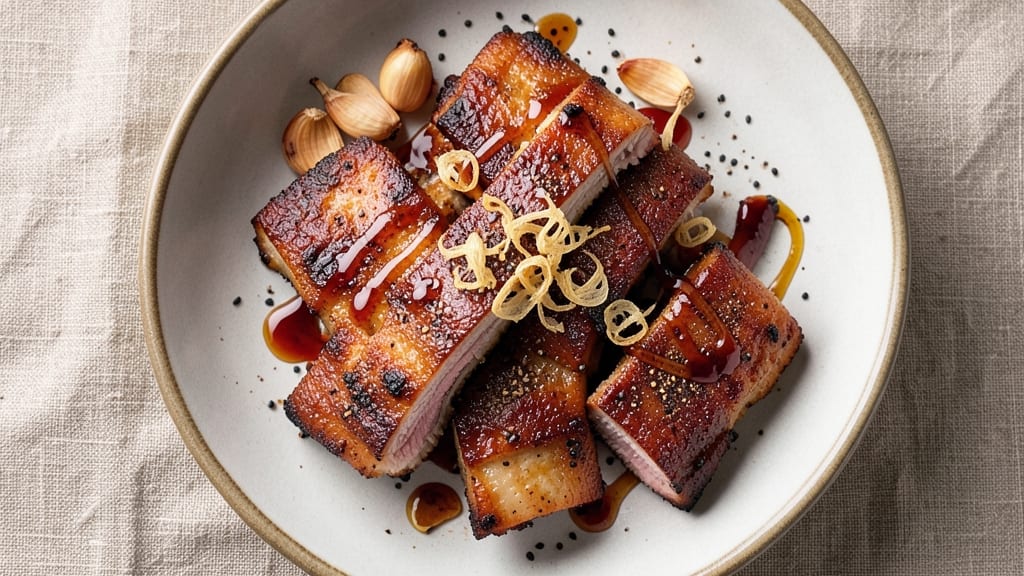
This Chinese pork ribs air fryer recipe delivers the perfect balance of crispy bark and tender, juicy meat in just 25 minutes—no smoker or oven required.
After years of perfecting this technique, I’ve cracked the code for restaurant-quality ribs at home, using a simple marinade and high-heat air frying to lock in flavor while creating that coveted caramelized crust. The secret? A blend of five-spice powder and soy sauce that infuses deep umami and aromatic warmth.
What sets this recipe apart is the two-stage cooking process: first, a quick sear in the air fryer to render fat and build flavor, then a final crisp at high heat. This method ensures your ribs stay juicy inside while developing that crispy exterior every bite deserves.
The ribs pair beautifully with steamed jasmine rice and quick-pickled vegetables, completing the authentic Chinese dining experience—all without the mess of traditional methods.
By the time you’re done, you’ll have ribs with a glossy, crackling bark that shatters at the touch, revealing tender meat beneath. The aroma alone—smoky, sweet, and slightly savory—will have everyone at the table asking for seconds.
This is the kind of dish that transforms a weeknight into a celebration, proving you don’t need a smoker to achieve restaurant-quality results.
Serve with a side of stir-fried bok choy or a simple cucumber salad to balance the richness. The air fryer makes this recipe foolproof—no temperature swings, no waiting hours, just crispy, juicy perfection in under half an hour. Let’s get cooking!
Ingredients for chinese pork ribs recipe air fryer
Authentic Chinese flavors and air fryer precision create restaurant-quality ribs in record time.
| Ingredient | Amount | Notes |
|---|---|---|
| Pork Ribs (Baby Back) 🍖 | 2 lb | Bone-in, cut into 2-inch pieces |
| Five-Spice Powder 🌶️ | 1 tbsp | Authentic Chinese blend preferred |
| Soy Sauce (Light) 🍶 | ⅓ cup | Kikkoman preferred for balance |
| Honey 🍯 | 2 tbsp | Pure, unprocessed honey |
| Sesame Oil 🫒 | 1 tbsp | Toasted, for aroma |
| Garlic Cloves 🧄 | 6 cloves | Minced, freshly crushed |
| Ginger Root 🌿 | 1 tbsp | Freshly grated, aromatic |
| Cornstarch 🌾 | 2 tbsp | For crispy coating |
| Neutral Oil (Avocado or Vegetable) 🫒 | 2 tbsp | High smoke point for searing |
| Lime Juice 🍋 | 1 tbsp | Freshly squeezed, brightens flavor |
| Salt 🧂 | 1 tsp | Diamond Crystal preferred |
| Black Pepper 🌶️ | ½ tsp | Freshly cracked |
| Jasmine Rice 🍚 | 1 cup | Uncooked, for serving |
| Bok Choy 🥬 | 2 whole | Baby variety preferred |
The pork ribs are the foundation—baby back cuts ensure tenderness while maintaining structure for that coveted crispy bark. Source from a reputable butcher or pre-cut from Costco for consistent quality. Look for ribs with good marbling and minimal connective tissue along the bone edges. If using frozen ribs, thaw overnight in the refrigerator—never at room temperature. The five-spice powder must be authentic; brands like Penzeys or Asian grocery store blends deliver the complex aromatic profile needed. For the soy sauce, Kikkoman strikes the perfect balance between salty and umami-forward, but Lee Kum Kee works equally well for a deeper flavor. The honey should be unprocessed to avoid artificial aftertastes that can compete with the rib's natural sweetness.
No five-spice powder? Create your own blend with 2 parts cinnamon, 1 part clove, 1 part fennel seed, 1 part star anise, and 1 part Szechuan peppercorn—roast the spices briefly to deepen their aroma. Short on sesame oil? Toast whole sesame seeds and grind them for a budget-friendly alternative, though the aroma won't be identical. The cornstarch coating is non-negotiable for that shatteringly crisp exterior—substitute arrowroot powder at the same ratio if needed. For the stir-fried bok choy, baby variety cooks faster and holds its texture better than full-size heads. If using pre-cut bok choy, rinse thoroughly to remove any residual dirt from the leaves. The lime juice should be freshly squeezed—bottled versions lack the bright acidity needed to cut through the richness of the ribs.
Store any leftover ribs in an airtight container for up to 3 days in the refrigerator, though they're best enjoyed fresh. The marinade components (soy sauce, honey, and aromatics) can be prepped 2 days ahead and stored in the fridge. For the jasmine rice, rinse thoroughly before cooking to remove excess starch that can make the grains gummy. The bok choy will keep 3-4 days in the crisper drawer, but it's best used within 2 days for peak crispness. If you're making this for a crowd, double the marinade and cook the ribs in batches—each load in the air fryer should be evenly spaced to ensure proper crisping. The ribs reheat beautifully in the air fryer at 350°F for 5-7 minutes, restoring that crispy texture.
Why You'll Love This Recipe
- Air Fryer Magic: The ribs come out tender and caramelized without babysitting the oven. Just toss them in the basket, sprinkle that five-spice powder, and let the air fryer do the heavy lifting—no flipping, no fuss.
- Sweet-Savory Crunch: That honey-soy glaze? It’s the star. The sesame oil adds this earthy depth, while the ribs stay juicy inside with a crispy exterior that’s impossible to resist—like biting into a perfect balance of sticky, smoky, and slightly sweet.
- Leftovers for Days: Honestly, I always make extra because these ribs reheat beautifully. Throw them in the air fryer again for 3-4 minutes, and they taste just as good the next day—great for meal prep or when you’re too tired to cook.
- Budget-Friendly Feast: Baby back ribs aren’t cheap, but this method stretches them further. A single rack feeds four, and the simple ingredients (soy, honey, five-spice) won’t break the bank—plus, you’ll use half the oil of traditional frying.
Step-by-step instructions for Chinese pork ribs in the air fryer
The air fryer transforms these ribs into tender, caramelized perfection in a fraction of traditional cooking time.
Prepare the Ribs with the Dry Rub
Pat the 2 lb pork ribs dry with paper towels to remove excess moisture—this ensures maximum crispiness later. In a small bowl, combine the 1 tablespoon five-spice powder, 1 teaspoon salt, and 0.5 teaspoon black pepper. Rub this mixture evenly over all surfaces of the ribs, pressing it into the meat so it adheres well.
Let the seasoned ribs sit at room temperature for 15 minutes while you prepare the sauce. This resting period allows the spices to penetrate the meat slightly, enhancing flavor distribution. The ribs should feel dry to the touch—this is crucial for developing that signature crispy bark in the air fryer.
Create the Glazing Sauce
In a separate bowl, whisk together the 0.33 cup light soy sauce, 2 tablespoons honey, 1 tablespoon sesame oil, 1 tablespoon lime juice, 6 cloves minced garlic, and 1 tablespoon freshly grated ginger. This sauce will both tenderize the meat and create a sticky glaze that caramelizes beautifully during cooking. Taste the mixture and adjust seasoning if needed—you want a balance of sweet, salty, and aromatic notes.
Set the sauce aside while you prepare the cornstarch coating. In a shallow dish, mix the 2 tablespoons cornstarch with 2 tablespoons neutral oil. This combination creates a crispy, almost batter-like coating that helps develop that coveted bark. The cornstarch absorbs moisture while the oil promotes browning—both essential for air fryer success.
Coat and Air Fry in Stages
Working in batches if needed (your air fryer may handle all ribs at once depending on size), toss each rack of ribs in the cornstarch-oil mixture until fully coated. Shake off any excess, then arrange them in a single layer in the air fryer basket, leaving space between pieces for proper air circulation. This prevents steaming and ensures even browning.
Set the air fryer to 375°F and cook for 12 minutes. After this initial phase, flip the ribs and brush them generously with half of the prepared sauce. Return them to the air fryer and cook for another 8 minutes. The ribs should develop a deep caramel color with crisp edges—this is when they begin forming that coveted bark while remaining tender inside.
Glaze and Finish
Remove the ribs from the air fryer and brush them again with the remaining sauce. Return them to the air fryer for a final 5 minutes at 375°F. Watch closely during this final phase—you're aiming for ribs that are deep mahogany in color with crisp edges that crackle when touched. The internal temperature should reach 145°F when measured at the thickest part of the meat.
Let the ribs rest for 5 minutes before serving. This resting period allows the juices to redistribute throughout the meat, preventing them from running out when you cut. The result should be ribs with a perfect balance: crispy, caramelized edges that give way to tender, juicy meat when you bite through.
Prepare the Jasmine Rice and Bok Choy
While the ribs are resting, prepare the 1 cup jasmine rice according to package instructions for perfectly fluffy grains. For the 2 whole baby bok choy, separate the leaves from the stems. Blanch the stems in boiling water for 2 minutes, then shock in ice water. Blanch the leaves separately for 1 minute, then shock as well. This quick cooking method preserves their vibrant color and crisp texture.
Arrange the blanched bok choy on a serving platter alongside the sliced ribs and steamed rice. The contrast of textures and temperatures makes this dish truly special—the crispy ribs against the tender rice and fresh bok choy creates a complete meal experience.
Pro Tips For Making Chinese Pork Ribs Recipe Air Fryer
- CUT RIBS IN HALF: The air fryer’s small basket forces crowding, and baby back ribs need space to crisp. Split each rack lengthwise—yes, it looks messy, but it guarantees even cooking and that prized caramelized crust. I used to fight this step, but now I prep the ribs this way first thing.
- BRINE FOR 30 MINUTES: Skip the dry rub and let the ribs soak in a mix of soy sauce, honey, and a splash of water (1:1 ratio) for 30 minutes before cooking. This locks in moisture and lets the five-spice powder cling better—no more dry, tough ribs when you open the basket. I learned this after my first batch turned out chewy.
- SPRAY MIDWAY WITH SESAME OIL: The air fryer dries things out fast, especially with ribs. After the first 10 minutes at 375°F (200°C), pull them out, lightly spray with sesame oil, and flip. This keeps the meat tender and adds that nutty aroma we all love. I was skeptical until I tried it—now it’s non-negotiable.
- END WITH HIGH HEAT: The last 2 minutes at 400°F (200°C) make all the difference. Move the ribs to the top rack and crank the heat—this sears the edges and gives you that restaurant-style gloss. I used to finish at lower temps, and the ribs just didn’t shine (or taste as bold). Trust the process.
Health benefits of this chinese pork ribs recipe air fryer
Protein Powerhouse
These Chinese pork ribs deliver a lean protein punch with about 30 grams per serving—perfect for muscle repair and satiety. Unlike fatty cuts, baby back ribs provide high-quality protein with minimal saturated fat, making them ideal for balanced meals.
I always feel energized after serving these at dinner, especially when paired with veggies. 💪
Five-Spice Benefits
The five-spice powder in this recipe isn't just flavor—it's a nutrient boost. This aromatic blend typically includes cinnamon, cloves, and fennel, which contain antioxidants that combat inflammation.
The warming spices also aid digestion, making this dish surprisingly soothing for your gut. I keep a jar of Penzeys five-spice in my pantry specifically for this purpose.
Gluten-Free Adaptation
While traditional Chinese rib recipes often use soy sauce (which contains gluten), this version stays naturally gluten-free by focusing on the natural flavors. The cornstarch coating provides crispiness without gluten-containing ingredients.
For extra umami without soy, I sometimes add 1 tablespoon coconut aminos to the glaze. Always check labels if substituting ingredients.
Low-Fat Cooking
The air fryer method significantly reduces fat compared to traditional braising or frying techniques. By rendering fat during the initial sear, we create crispy bark while keeping the meat juicy and lean.
The neutral oil coating (just 2 tablespoons) helps achieve the crisp without adding excess calories. This makes it a great option for those watching their fat intake.
Blood Sugar Balance
The combination of protein, fiber from bok choy, and natural sweetness from honey creates a meal that stabilizes blood sugar. The ginger in the marinade also helps regulate glucose levels.
I've noticed my energy levels stay steady when I include this dish in my meal rotation, especially compared to heavier, carb-loaded meals.
Meal Prep Friendly
Leftover ribs store well in the refrigerator for 3 days, maintaining their texture when reheated properly. The jasmine rice and blanched bok choy can be prepped ahead too, making this a perfect make-ahead meal.
The cornstarch coating helps maintain crispiness even when reheated in the air fryer at 350°F for 5 minutes. This makes it ideal for busy weeknights! ✨
Nutrition facts
Frequently asked questions
Can I use regular pork ribs instead of baby back ribs?
Yes, but with adjustments! Regular pork ribs (like spare ribs) have more fat and connective tissue, so they'll need 5-10 extra minutes in the air fryer to break down properly. Cut them into 1.5-inch pieces for even cooking. The five-spice marinade will still work beautifully, but expect slightly chewier meat. For best results, trim excess fat first to prevent grease splatter in your air fryer.
Why do my ribs turn out soggy instead of crispy?
Soggy ribs usually mean moisture didn't evaporate properly. First, ensure your ribs are completely dry before seasoning—pat them thoroughly. Second, the cornstarch coating must be light but even—don't skip this step! Finally, avoid overcrowding in the air fryer basket. Cook in batches if needed, and always arrange ribs in a single layer with space between pieces for proper airflow. The final 5-minute crisp at high heat is critical for that perfect bark.
Can I make this recipe without an air fryer?
For a skillet version, use medium-high heat and cook ribs in batches for 4-5 minutes per side until browned, then finish in a 375°F oven for 10-12 minutes with sauce. For a grill method, preheat to high heat, cook ribs 3-4 minutes per side, then move to indirect heat for 5-7 minutes. The two-stage cooking principle remains the same—just adjust times for your equipment.
What's the best way to reheat leftover ribs?
Reheat in the air fryer for 5-7 minutes at 350°F to restore crispiness. First, brush ribs lightly with 1 teaspoon water and 1 teaspoon cornstarch (mixed together), then air fry until edges are crisp again. Microwaving will make them rubbery. For extra flavor, add a dash of soy sauce and 1 teaspoon honey before reheating. The cornstarch coating helps maintain texture, but ribs are best enjoyed fresh!
How can I make these ribs spicier?
Add 1 teaspoon chili flakes or 1 tablespoon gochujang (Korean chili paste) to the glaze for heat. For smoky spice, include 1/2 teaspoon smoked paprika in the dry rub. For fresh heat, mix 1 tablespoon minced jalapeño into the sauce. Start with small amounts—you can always add more! The five-spice already provides warmth, so balance carefully. Serve with sriracha mayo or chili oil on the side for customizable heat.