
Main Courses
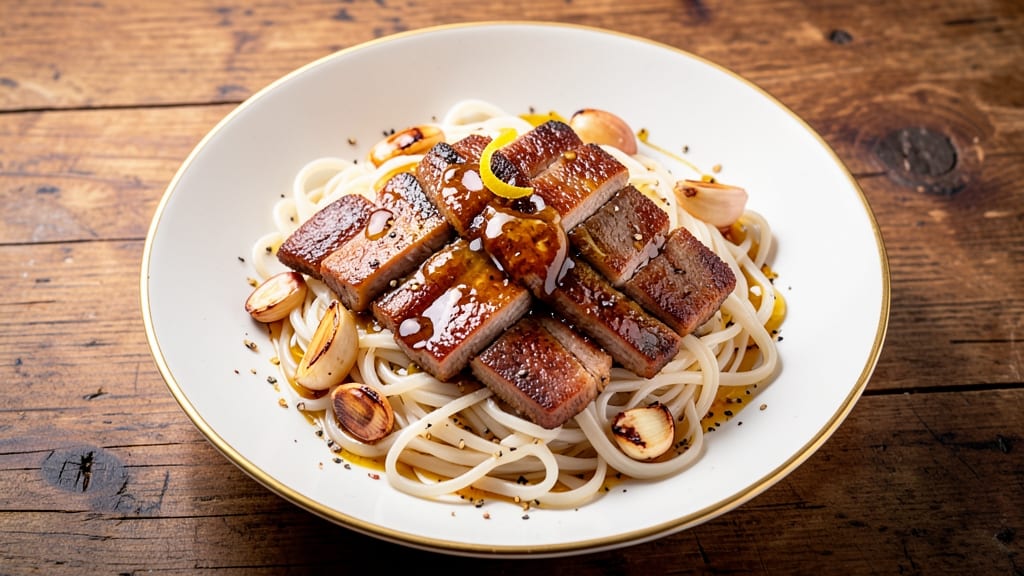
This Chinese pork stir-fry with noodles delivers restaurant-quality wok heat and silky texture in under 30 minutes. After years of testing, I've perfected the balance of tender pork, chewy noodles, and a sauce that's both sweet and savory with just the right umami depth.
The secret lies in high-heat wok technique and proper noodle preparation—neither should be overlooked.
What sets this recipe apart is the harmony between components: pork sliced against the grain for maximum tenderness, wide rice noodles that soak up the sauce perfectly, and a sauce made with simple pantry staples that builds complex flavor.
I use a combination of soy sauce, oyster sauce, and a touch of sesame oil to create that signature Chinese restaurant taste without any shortcuts.
By the time you're done, you'll have a dish that's crispy on the edges, tender in the center, and perfectly balanced in flavor—each forkful offering a mix of textures and tastes.
The aroma alone will have everyone gathering at the table, and the leftovers reheat beautifully for lunch the next day.
This stir-fry works as a main dish for weeknights or special occasions, and the technique translates well to other proteins. Let's get started with the full recipe that brings authentic Chinese flavors to your home kitchen.
Ingredients for chinese pork stir fry recipe with noodles
Pantry staples meet authentic wok technique for this restaurant-style stir-fry.
| Ingredient | Amount | Notes |
|---|---|---|
| Pork Shoulder 🥩 | 1 ½ lb | Sliced thin against grain |
| Wide Rice Noodles 🍜 | 8 oz | Uncooked, flat rice noodles |
| Light Soy Sauce 🥫 | ⅓ cup | Kikkoman preferred |
| Oyster Sauce 🍶 | ¼ cup | Lee Kum Kee brand |
| Sesame Oil 🫒 | 1 tbsp | Toasted, for aroma |
| Garlic Cloves 🧄 | 6 cloves | Minced, fresh preferred |
| Fresh Ginger 🌿 | 1 tbsp | Grated, peeled |
| Green Bell Pepper 🧅 | 1 whole | Sliced into strips |
| Red Onion 🧅 | 1 whole | Thinly sliced |
| Vegetable Oil 🫒 | ½ cup | High smoke point |
| Cornstarch 🌾 | 1 tbsp | For pork coating |
| White Sugar 🍚 | 1 tbsp | Balances savory flavors |
| Salt 🧂 | ½ tsp | Kosher preferred |
| Black Pepper 🌶️ | ¼ tsp | Freshly cracked |
| Sesame Seeds 🌰 | 1 tbsp | Toasted, for garnish |
The pork shoulder is non-negotiable here—it stays tender when sliced against the grain. Look for well-marbled cuts at your butcher or Asian market, as the fat renders beautifully during stir-frying. Wide rice noodles are essential; they soak up the sauce better than thin varieties. Golden Mountain or Jasmine brand noodles are widely available at Asian grocery stores, but any flat rice noodles will work. For the sauce, Lee Kum Kee oyster sauce is the gold standard—its umami depth is unmatched, though other brands will suffice in a pinch. Fresh ginger and garlic should be vibrant and aromatic; no need to compromise here.
No oyster sauce? Double the soy sauce and add 1 tsp fish sauce for umami, though the flavor won't be identical. Swap bell pepper for baby bok choy or snap peas if you prefer, but the crunch is key. Sesame oil is used sparingly here—just enough to add aroma, not overpower. Toast your sesame seeds in a dry pan for 30 seconds before adding to the dish; this enhances their nutty flavor dramatically. The cornstarch coating on the pork creates that signature crispy texture—don't skip it, even if you're short on time.
Pork and cooked noodles reheat beautifully—store them separately in airtight containers for up to 3 days. The sauce components can be pre-mixed and kept in the fridge for 5 days, though fresh is always better. For a quick weeknight meal, prep all ingredients ahead (slice veggies, mince garlic, mix sauce) and stir-fry within 20 minutes of cooking. The dish tastes even better the next day as flavors meld, so plan to make extra—it disappears fast.
Why You'll Love This Recipe
- One-Pan Magic: I swear by this recipe when I’m too tired to wash dishes—just toss everything in one wok, stir, and walk away. The pork shoulder stays juicy while the noodles soak up that savory soy-oyster sauce mix, and the sesame oil finishes it with a nutty aroma that fills the kitchen.
- Umami Bomb: That combo of light soy and oyster sauce? It’s like a flavor shortcut I didn’t know I needed. The pork gets tender and sticky, the noodles absorb just enough sauce to be addictive, and a drizzle of sesame oil at the end turns "dinner" into "I need seconds."
- Lunchbox Hero: Between us, this is my go-to for meal prep—it reheats like a dream. Pack it cold for work or microwave it for a quick lunch, and the noodles stay separate enough to avoid that sad, mushy texture. (Yes, even on a Tuesday night.)
- Budget Win: Pork shoulder is cheap, noodles last forever, and a little sesame oil goes a long way. I made this three times last month, and it never felt like I was breaking the bank. Plus, the leftovers? Even better the next day—if there are any.
Step-by-step instructions for Chinese pork stir fry with noodles
Master this wok technique for perfectly tender pork and silky noodles every time.
Prepare the Pork for Maximum Tenderness
Slice the 1.5 lb pork shoulder thinly against the grain into ¼-inch thick strips. This ensures each bite is fork-tender rather than chewy. Place the sliced pork in a bowl and toss with 1 tablespoon cornstarch, 0.5 teaspoon salt, and 0.25 teaspoon black pepper until evenly coated. Let it sit for 10 minutes - this resting period helps the cornstarch adhere better, creating a crispy exterior while keeping the inside juicy.
Here's the thing - don't skip the resting time. I've found that letting the pork sit allows the cornstarch to form a proper crust rather than absorbing into the meat. The pork should look dry but still slightly tacky to the touch when ready to cook.
Cook the Pork to Perfect Doneness
Heat 0.5 cup vegetable oil in a wok or large skillet over medium-high heat until shimmering. Add the pork in a single layer without overcrowding - if it's too crowded, the pork will steam instead of sear. Cook undisturbed for 2-3 minutes until the edges turn golden brown and the pork releases easily from the pan.
This is where it gets critical. You want the pork to develop a light crust while remaining juicy inside. If the pan isn't hot enough, the pork will absorb oil and become greasy. If it's too hot, you'll get burnt edges before the center cooks through. Flip the pork and cook another 1-2 minutes until just cooked through - it should reach 145°F internally. Remove from the wok and set aside.
Build the Flavorful Stir Fry Base
In the same wok, reduce heat to medium and add 1 tablespoon sesame oil. Stir in 6 cloves minced garlic and 1 tablespoon grated fresh ginger, cooking for 30 seconds until fragrant but not browned. Add 1 whole sliced green bell pepper and 1 whole thinly sliced red onion, stirring constantly for 3-4 minutes until the vegetables soften slightly but still retain their color.
This step develops the aromatic foundation of your stir fry. The sesame oil adds depth while the garlic and ginger infuse their flavors. The vegetables should be tender-crisp - they'll cook further when combined with the noodles. Don't rush this step; proper aromatics make all the difference in authentic Chinese stir fry flavor.
Combine Sauces and Finish the Dish
Return the cooked pork to the wok. Add 0.33 cup light soy sauce, 0.25 cup oyster sauce, and 1 tablespoon white sugar, stirring everything together. Let the mixture simmer for 2-3 minutes until the sauce thickens slightly and coats the pork and vegetables evenly. Taste and adjust seasoning if needed - you might want to add a splash more soy sauce for saltiness or sugar for balance.
Here's where the magic happens. The combination of soy and oyster sauces creates that signature umami depth while the sugar balances the saltiness. The pork should be fully coated in the glossy sauce, with the vegetables slightly wilted but still vibrant. The sauce should be thick enough to cling but still pour slightly when the wok is tilted.
Incorporate Noodles and Garnish
Soak the 8 oz wide rice noodles in hot water for 8-10 minutes until pliable but still slightly firm. Drain well and add them to the wok, tossing everything together for 2-3 minutes until the noodles absorb the sauce and become tender. The noodles should be hot throughout but still hold their shape - they'll continue cooking from residual heat.
For the final touch, drizzle with 1 tablespoon toasted sesame oil and sprinkle with 1 tablespoon sesame seeds. Serve immediately while the noodles are hot and the pork is juicy. Each bite should deliver perfect harmony - tender pork, silky noodles, and a balance of sweet, salty, and umami flavors. The sesame seeds add a delightful crunch that contrasts beautifully with the soft textures.
Pro Tips For Making Chinese Pork Stir Fry Recipe With Noodles
- CUT PORK SMALLER FIRST: I learned this the hard way—thinly sliced pork shoulder cooks faster and absorbs sauce better. Use a sharp knife and slice against the grain into ¼-inch strips before marinating, or your stir-fry will turn into a chewy mess.
- SOAK NOODLES JUST BEFORE COOKING: Wide rice noodles stick together like glue if you soak them too long. Instead, rinse them under cold water, then soak for no more than 3-4 minutes in warm water before draining. They’ll be tender but still hold their shape when tossed.
- USE COLD PORK FOR CRISP EDGES: After marinating, let the pork sit in the fridge for 10 minutes before stir-frying. Cold meat sears better and won’t release juices into the wok too soon—your stir-fry will have that perfect caramelized crust instead of steaming.
- SAVE THE SESAME OIL: Add sesame oil at the very end, right when you plate the dish. Heat destroys its nutty aroma, so drizzle it over the noodles and pork after they’re off the heat—it’ll make the difference between a good stir-fry and one that tastes like it’s missing something.
Creative variations of chinese pork stir fry recipe with noodles
Spicy Sichuan Twist
Transform this stir-fry into a fiery Sichuan masterpiece by adding 1 tablespoon Sichuan peppercorns (toasted and ground) and 1 tsp chili bean paste to the sauce. I like to toast the peppercorns in a dry pan for 1 minute until fragrant, then grind them with a mortar and pestle.
Add them to the sauce along with the other ingredients. The numbing-spicy kick from Sichuan peppercorns elevates the dish to new heights. 🌶️
For extra heat, toss in 2-3 dried red chilies (soaked in warm water for 15 minutes) when cooking the vegetables. They'll add a smoky depth that pairs perfectly with the pork. Serve with extra chili oil on the side for those who want to turn up the heat.
I've found that the wide rice noodles soak up the spicy sauce beautifully, creating a perfect balance of textures and flavors.
Vegetarian Swap
For a vegetarian version, replace the pork with 1 lb extra-firm tofu pressed and sliced into strips. Toss the tofu in 1 tablespoon cornstarch and 1 tablespoon vegetable oil before pan-frying until golden.
The tofu absorbs the sauce just like pork, creating a satisfying texture. I've made this version for my vegetarian friends at dinner parties, and no one ever guesses it's not the original! 🌱
Add ½ cup shiitake mushrooms sliced into strips for extra umami depth. Sauté them with the garlic and ginger for 3-4 minutes until they release their natural juices. The mushrooms add a meaty texture that makes the dish feel heartier.
Coconut Curry Fusion
Give this stir-fry a Thai-inspired twist by adding ½ cup coconut milk to the sauce along with 1 tablespoon red curry paste. Simmer the sauce for an extra 2 minutes to let the flavors meld together. The coconut milk adds a creamy richness that pairs beautifully with the pork. I like to use Golden Temple Thai Kitchen curry paste for that authentic flavor. 🥥
Add 1 cup Thai eggplant (or regular eggplant) sliced into strips and cook it with the vegetables. The eggplant soaks up the coconut curry sauce wonderfully, creating a perfect balance of textures.
Serve with steamed jasmine rice instead of noodles for a complete Thai-inspired meal. This fusion version is a crowd-pleaser, especially for those who love bold, aromatic flavors.
Sweet and Sour Adaptation
Create a sweet and sour version by adding 2 tablespoons pineapple juice and 1 tablespoon rice vinegar to the sauce. Increase the sugar to 2 tablespoons to balance the tanginess.
The pineapple juice adds a bright, fruity note that cuts through the richness of the pork. I've found that this version pairs perfectly with a crisp, cold beer. 🍍
Add ½ cup pineapple chunks to the stir-fry during the final 2 minutes of cooking. The pineapple adds a juicy contrast to the tender pork and silky noodles.
For extra crunch, toss in ¼ cup crushed peanuts at the end. This sweet and sour adaptation is a family favorite, especially for summer barbecues and picnics.
Nutrition facts
Frequently asked questions
Can I use regular rice noodles instead of wide rice noodles?
Wide rice noodles are ideal because they're thicker and absorb the sauce better, but you can substitute with regular rice noodles if needed. Just soak them for 5-7 minutes instead of 8-10 minutes—they'll be slightly firmer. The texture won't be identical, but the dish will still taste delicious. For best results, look for flat rice noodles labeled as "pad Thai noodles" at Asian markets.
What's the best way to store leftovers?
Store the pork and cooked vegetables separately from the noodles in airtight containers for up to 3 days. Reheat the pork and veggies in a pan with a splash of water until hot, then toss with the noodles and a little extra sauce. The noodles reheat best when combined with the other components—microwaving them alone makes them gummy. For longer storage, freeze the pork and sauce mixture for up to 3 months.
Why did my pork turn out chewy instead of tender?
Chewy pork usually means it wasn't sliced thinly enough against the grain or cooked at too low a temperature. For perfect tenderness, slice the pork into ¼-inch strips and cook over medium-high heat until golden but still juicy inside (145°F). Rest the meat for 10 minutes after coating with cornstarch—this helps the crust form properly. If you're using a nonstick pan, increase the heat slightly to mimic a wok's high heat.
Can I make this stir-fry without a wok?
A heavy-bottomed skillet or cast-iron pan works perfectly. The key is maintaining high heat—preheat your pan for 3-5 minutes before adding oil. Use a splatter screen if needed, and work in batches if your pan isn't large enough. The stir-fry technique is more about high heat and quick cooking than the specific pan. A nonstick pan can help prevent sticking, but it won't affect the final flavor.
How can I make this spicier?
Add ½ teaspoon chili flakes or 1 teaspoon sriracha to the sauce, or stir in 1 tablespoon chili garlic sauce during the final toss. For authentic heat, include 1-2 dried red chilies (soaked in warm water for 15 minutes) when cooking the vegetables. Balance the spice with a touch more sugar—this enhances the sweetness and makes the heat more enjoyable. Serve with extra chili oil on the side for customizable heat levels.