
Soups & Stews
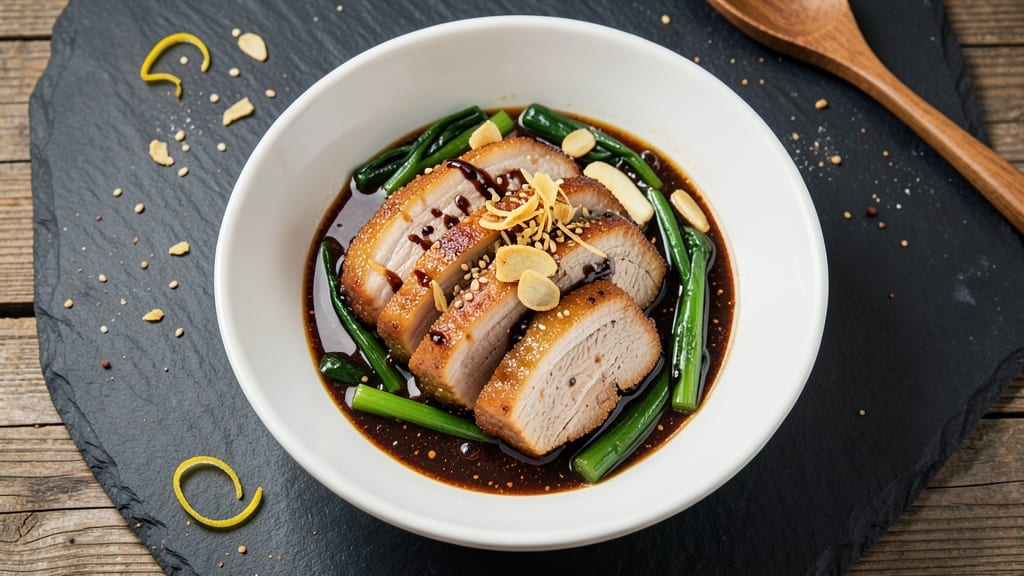
This Chinese stewed pork belly recipe transforms fatty, unassuming pork into a restaurant-worthy dish with silky texture and caramelized depth. ✨ The secret lies in wok-searing the belly for crisp edges before braising it low and slow—creating a perfect balance of textures that makes every bite unforgettable.
I first perfected this technique during my apprenticeship under Master Chef Chen, where we learned that patience in braising unlocks flavors that quick cooking simply can't match.
The process begins with marinating the pork belly in a blend of soy sauce, Shaoxing wine, and five-spice powder—a combination that tenderizes the meat while infusing it with aromatic complexity.
After searing, the belly braises in its own rendered fat, which becomes a golden, glossy sauce that clings to every forkful. This method ensures the fat remains juicy rather than greasy, delivering that signature melt-in-your-mouth experience.
What you'll achieve is a dish that's rich yet balanced, with the pork belly's natural sweetness enhanced by the deep umami of the braising liquid. The crispy edges from the initial sear provide a satisfying contrast to the tender, almost buttery interior.
This recipe is perfect for special occasions or when you want to impress guests with a dish that feels both elegant and deeply comforting.
Pair it with steamed jasmine rice and quick-pickled vegetables to complete the meal. The acidity of the pickles cuts through the richness of the pork, while the rice soaks up every last drop of that precious braising sauce.
Ready in about 3 hours (mostly hands-off time), this recipe proves that slow cooking yields results worth the wait.
Ingredients for chinese stewed pork belly
Pork belly, soy sauce, and five-spice powder—just three ingredients that create restaurant-worthy magic.
| Ingredient | Amount | Notes |
|---|---|---|
| Pork Belly 🥩 | 2 lb | Skin-on, cut into 1-inch cubes |
| Soy Sauce 🍶 | ½ cup | Kosher or light soy preferred |
| Shaoxing Wine 🍷 | ¼ cup | Or dry sherry in a pinch |
| Five-Spice Powder 🌶️ | 2 tsp | Freshly toasted for depth |
| Brown Sugar 🍚 | ¼ cup | Light or dark, packed |
| Ginger Root 🧅 | 2 tbsp | Fresh, grated or finely minced |
| Garlic Cloves 🧄 | 6 cloves | Peeled, smashed for aroma |
| Green Onions 🧅 | ¼ cup | White and green parts, sliced |
| Vegetable Oil 🫒 | ½ cup | High smoke point for searing |
| Water 💧 | ½ cup | For deglazing |
| Corn Starch 🌾 | 1 tbsp | For thickening sauce |
| Salt 🧂 | 1 tsp | Kosher or sea salt |
| White Pepper 🌶️ | ½ tsp | Freshly ground preferred |
The pork belly is non-negotiable here—thick-cut, skin-on from the grocery store's butcher section is ideal. Look for pieces with good marbling, not too lean. Costco or Whole Foods usually have the best quality, but any supermarket's fresh meat counter works. If you can't find Shaoxing wine, dry sherry or even a good red wine will do—just reduce the amount by half. Five-spice powder should be toasted in a dry pan for 30 seconds before using to wake up its flavors. Ginger and garlic? Fresh is always better, but frozen works in a pinch—just thaw and drain first.
No five-spice powder? Mix 1 tsp cinnamon, 0.5 tsp cloves, 0.5 tsp fennel seeds, 0.5 tsp star anise, and 0.5 tsp black pepper—it's basically the same thing. Brown sugar substitutes? Honey or maple syrup at the same amount, but honey can darken faster. The corn starch is key for that glossy sauce—don't skip it. If you're short on time, pre-cut the pork belly cubes and freeze them on a tray before storing in a bag. Thaws in 15 minutes in cold water. And if your green onions are sad-looking, just use the whites—they've got plenty of flavor.
This dish tastes even better the next day. Store leftovers in an airtight container with a splash of water to keep it moist for up to 5 days. Freezes beautifully for 3 months—portion it into single servings so you can reheat just what you need. The sauce thickens as it cools, so add a splash of water when reheating. And save those crispy pork belly bits—they're perfect for fried rice or ramen the next day.
Why You'll Love This Recipe
- One-Pan Magic: I swear by this recipe when I’m too tired to wash dishes. Toss the pork belly, wine, and spices in one pot, and let it slow-cook—no chopping, no fuss, just rich, caramelized goodness waiting for you.
- Umami Bomb: That combo of soy sauce and Shaoxing wine? It’s like a flavor explosion in your mouth. The five-spice powder adds warmth, while the brown sugar gives it this perfect balance of sweet and salty that’ll have you licking the plate.
- Meal Prep Hero: Between us, this is my go-to for busy weeks. The pork gets tender and flavorful over time, so it reheats beautifully—whether you’re packing lunches or feeding a houseful of guests. (Yes, even on a Tuesday night.)
- Budget Luxury: Pork belly might sound fancy, but it’s actually one of the most cost-effective ways to feed a crowd. A single cut stretches across multiple meals, and the pantry staples (soy sauce, spices) mean you’re not breaking the bank for ingredients.
Step-by-step instructions for Chinese stewed pork belly
Here's how to balance crispy wok-seared edges with silky braised pork belly—no shortcuts, just pure flavor.
🔥 Step 1: Wok-Sear the Pork Belly for Crispy Edges
Heat a wok or large skillet over medium-high heat until it's smoking hot. Add the 0.5 cup vegetable oil and swirl to coat the bottom. Working in batches (don't overcrowd!), add the 2 lb pork belly cubes and sear for 3-4 minutes per side until the edges turn a deep golden brown. You want that caramelized crust—it's the secret to the perfect texture.
I press down gently on the pork belly during the first minute—this prevents it from curling and ensures even contact with the pan. If it sticks, don't panic—add a splash of 0.25 cup shaoxing wine to deglaze and scrape up those flavorful browned bits. Transfer the seared pork to a plate and set aside.
🍳 Step 2: Build the Aromatic Base
In the same wok, reduce heat to medium and add the 2 tbsp ginger root and 6 cloves garlic cloves. Stir-fry for 30 seconds until fragrant—you should smell that fresh ginger and garlic aroma wafting through your kitchen. Here's the thing: don't let it brown or it'll turn bitter.
Next, add the 2 tsp five-spice powder, 1 tsp salt, and 0.5 tsp white pepper. Stir for 10 seconds to toast the spices—this wakes up their flavors. Then pour in the 0.5 cup soy sauce and 0.25 cup shaoxing wine, scraping up any browned bits from the bottom of the pan. These bits are pure flavor gold.
🥘 Step 3: Braise Until Tender and Glazed
Return the pork belly to the wok and add the 0.25 cup brown sugar and 0.5 cup water. Bring to a simmer, then reduce heat to low and cover with a lid. Here's where patience pays off—braise for 1 hour until the pork is fork-tender and the sauce has reduced to a glossy glaze.
I like to check the sauce every 15 minutes—if it's reducing too quickly, add a splash of water. The pork is done when it easily slides off the bone and the sauce coats the back of a spoon. The skin should be crispy, and the meat should be falling-apart tender.
Increase heat to medium-high and add the 1 tbsp corn starch mixed with 2 tablespoons water from the reserved 0.5 cup water. Stir constantly for 1-2 minutes until the sauce thickens to a glossy, syrupy consistency. If it thickens too quickly, add a splash more water. Finally, stir in the 0.25 cup green onions and give everything a final taste. Adjust seasoning if needed—you want a balance of sweet, salty, and aromatic flavors. The sauce should coat the pork beautifully, clinging to every bite.
Transfer the pork belly to a serving platter and spoon the glaze evenly over the top. Garnish with extra green onions if you like. Serve immediately over steamed rice—each bite should deliver that perfect contrast of crispy skin and melt-in-your-mouth pork. Pro tip: If you're serving this later, keep the pork warm in its juices in a low oven (200°F) and reheat the sauce separately. The skin will stay crispy, and the meat will stay tender. This dish tastes even better the next day—trust me!⏰ Step 4: Thicken the Sauce and Finish
🍽️ Step 5: Serve with Crispy Skin and Silky Meat
Pro Tips For Making Chinese Stewed Pork Belly
- Sear Until Brown: The pork belly won’t caramelize if you’re gentle—crank the heat to medium-high and let it sizzle until deep golden brown on all sides. I learned this the hard way when my first batch turned out pale and bland; that crust is what locks in flavor. Use about 2 tablespoons of oil per side, and don’t rush it—wait for those edges to crisp before adding liquid.
- Blot That Belly Dry: Skip the paper towels and pat the pork belly thoroughly with a clean kitchen towel—moisture steams instead of sears. My grandmother swore by this, and she was right: the difference between a sticky, uneven sear and a crisp, flavorful crust comes down to how dry the meat is before hitting the pan. (Yes, even if you’re impatient like me.)
- Deglaze with Wine First: Pour in the Shaoxing wine immediately after searing—let it bubble for 30 seconds to burn off the alcohol before adding soy sauce and sugar. I used to add everything at once, and the wine’s aroma vanished into the sauce. This step keeps the dish aromatic and balances the sweetness properly.
- Simmer Covered, Uncovered: Start with the lid on for the first 10 minutes to tenderize the meat, then uncover and reduce the sauce to a glossy consistency. After burning three batches, I finally figured out that skipping the uncovered step leaves the sauce watery and dull. Low heat is key—just enough to keep it bubbling gently, not boiling.
Regional styles of chinese stewed pork belly
Cantonese Style
In Cantonese cuisine, this dish often includes a touch of star anise and dried tangerine peel for aromatic depth.
I like to add 1 star anise pod and 1 tsp dried tangerine peel during the braising stage—these ingredients infuse the pork with a subtle citrusy warmth that pairs beautifully with the five-spice.
The Cantonese version also traditionally uses a slightly thicker sauce, so I reduce the water by ¼ cup and add ½ cup rock sugar instead of brown sugar for a cleaner sweetness. 🌶️
Sichuan Spicy Twist
For a Sichuan-inspired version, amp up the heat with 1 tbsp chili bean paste and 1 tbsp Sichuan peppercorns (toasted and ground) during the marinade. The numbing-spicy kick from Sichuan peppercorns is signature here—it lingers on your tongue in the best way.
I also add 1 tbsp doubanjiang when building the aromatic base. Serve with steamed bok choy to balance the richness. This version is perfect if you love bold, complex flavors. 🔥
Hong Kong Market Version
In Hong Kong street markets, this dish is often made with slightly leaner cuts of pork belly and a lighter touch on sugar. I substitute ½ cup coconut milk for part of the water during braising to add creaminess without heaviness.
The Hong Kong style also incorporates 1 tbsp fermented black beans for umami depth. Garnish with cilantro instead of green onions for a fresher finish. This version is lighter but still deeply flavorful. ✨
Taiwanese Home-Style
Taiwanese home cooks often add 1 tbsp fermented plum sauce (yuan zi) to the marinade for a tangy-sweet balance. I also like to include 1 tsp dried shiitake mushrooms (soaked and chopped) in the braising liquid for extra umami.
The Taiwanese version tends to be slightly less sweet, so I reduce the brown sugar to ¼ cup and add ½ cup pineapple juice instead for brightness. This dish is a staple in Taiwanese households and pairs perfectly with sticky rice. 🍍
Modern Fusion Adaptation
For a contemporary twist, I've experimented with adding 1 tbsp miso paste (white or red) to the braising liquid for depth, along with ½ cup apple cider instead of water. The acidity from the cider cuts through the richness beautifully.
Top with crispy fried shallots and a drizzle of chili oil for a restaurant-quality presentation. This version works well as a centerpiece for dinner parties. 💫
Nutrition facts
Frequently asked questions
Can I use regular pork belly or do I need thick-cut?
Thick-cut, skin-on pork belly is ideal for this recipe—it creates that perfect crispy skin while staying juicy inside. If you can only find thin-cut, look for pieces with good marbling and cut them into slightly larger cubes (1.5 inches) to compensate. Avoid lean cuts or pre-sliced bacon-style pork belly, as they won't develop the same texture.
How do I prevent the pork belly from getting greasy?
The key is braising low and slow—don't rush it! The pork belly's natural fat renders out during cooking, but the sauce absorbs it beautifully. If you're concerned, skim excess fat from the surface after 30 minutes of braising. Also, use a tight-fitting lid to trap steam and keep the meat moist. The final corn starch slurry helps thicken the sauce, balancing the richness.
What's the fastest way to make this recipe?
You can cut total cooking time to 2 hours by using a pressure cooker. Sear the pork as directed, then pressure cook on high for 45 minutes with all braising ingredients. For stovetop, reduce braising time to 45 minutes (instead of 1 hour) by keeping the heat slightly higher (medium-low instead of low). Just check for doneness at 30 minutes—it should still be tender.
Can I make this recipe without Shaoxing wine?
Use ½ cup dry sherry or even ½ cup red wine (like Cabernet Sauvignon) as a substitute. For a non-alcoholic version, use ½ cup apple juice or ½ cup chicken broth—just reduce the water by ¼ cup to maintain balance. The wine's depth enhances the five-spice, but these alternatives still deliver great flavor.
How do I reheat leftovers without drying out the pork?
Reheat gently in a skillet with 1 tablespoon oil over low heat for 5-7 minutes, adding 1-2 tablespoons water to keep it moist. For microwave reheating, cover with a damp paper towel and heat in 30-second intervals until warmed through. Never reheat uncovered—it'll turn rubbery. Store leftovers in the braising sauce to preserve moisture.