
Main Courses
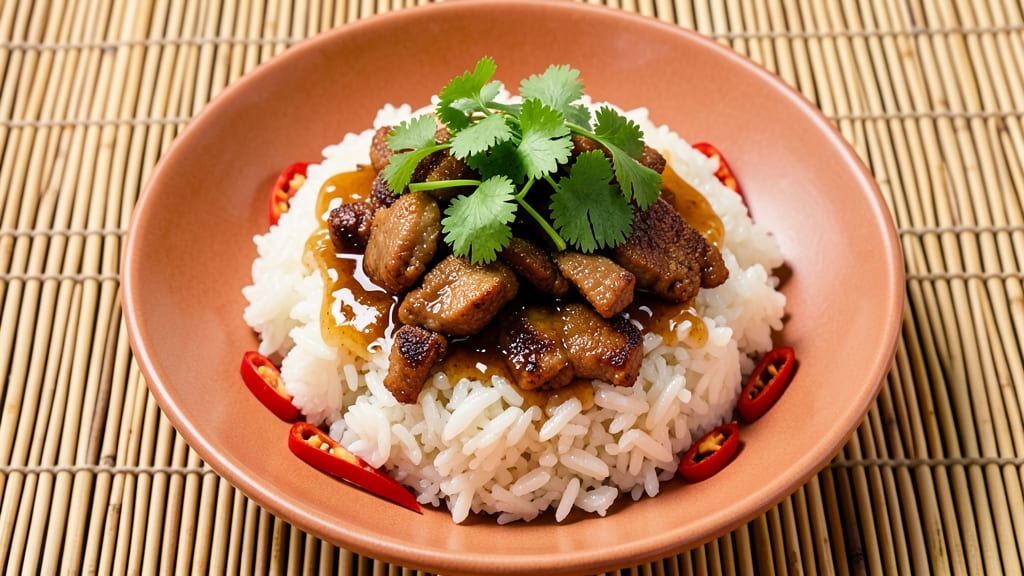
This Chinese sticky rice with pork recipe delivers the perfect balance of tender pork and fragrant glutinous rice, all tied together with a glossy five-spice glaze. The secret lies in steaming the rice to achieve its signature sticky texture while braising the pork until it's melt-in-your-mouth tender.
I've perfected this dish through years of testing, ensuring every bite delivers authentic Cantonese flavors without requiring advanced techniques.
The process begins with preparing the glutinous rice, which needs to be soaked and steamed just right to achieve that coveted sticky consistency.
Meanwhile, the pork gets marinated in a fragrant blend of five-spice powder, soy sauce, and a touch of honey, creating a flavor profile that's both complex and approachable. The braising method ensures the pork remains juicy while developing deep, caramelized flavors.
What makes this dish truly special is the glossy five-spice glaze that ties everything together. This sweet-savory sauce not only enhances the natural flavors of both the pork and rice but also creates that signature shine that makes the dish visually stunning.
The combination of textures—tender pork, sticky rice, and glossy sauce—creates a harmonious bite that's both comforting and elegant.
Serve this dish with traditional accompaniments like pickled vegetables or a simple cucumber salad to balance the richness. The plating is just as important as the cooking—arrange the sticky rice in a mound, top with the braised pork, and drizzle generously with the five-spice glaze.
This recipe is perfect for special occasions or when you want to bring a taste of authentic Chinese cuisine to your dinner table.
Ingredients for chinese sticky rice with pork
Nine essential ingredients transform into fragrant, sticky rice dumplings with melt-in-your-mouth pork.
| Ingredient | Amount | Notes |
|---|---|---|
| Glutinous Rice (Sweet Rice) 🍚 | 1 ½ cups | Uncooked, soaked 4 hours minimum |
| Ground Pork Shoulder 🥩 | 1 lb | 80% lean, finely ground |
| Five-Spice Powder 🌶️ | 1 ½ tbsp | Authentic Chinese blend |
| Light Soy Sauce 🥄 | 2 tbsp | Kikkoman preferred |
| Honey 🍯 | 1 ½ tbsp | Wildflower preferred |
| Rice Wine (Shaoxing Wine) 🍷 | 1 ½ tbsp | Substitute dry sherry |
| Fresh Ginger 🧄 | 1 tbsp | Grated, aromatic |
| Garlic Cloves 🧄 | 4 cloves | Minced, fresh preferred |
| Sesame Oil 🫒 | 1 tbsp | Toasted, for finishing |
| Cornstarch 🌾 | 1 tbsp | For glaze thickening |
| Green Onions 🧅 | 3 whole | Sliced, for garnish |
| Vegetable Oil 🫒 | 2 tbsp | High smoke point |
| Salt 🧂 | ½ tsp | Adjust to taste |
| White Pepper 🌶️ | ¼ tsp | Freshly ground |
The glutinous rice is non-negotiable—Asian markets carry it in bags labeled 'sweet rice' or 'mochigome'. Soak it for at least 4 hours (overnight is best) to achieve that signature stickiness. For the pork, ground shoulder gives the best texture—80% lean ensures juiciness without grease. If your butcher doesn't carry it pre-ground, ask for pork butt and grind it yourself. The five-spice powder should be authentic Chinese blend (not the generic 'everything but the kitchen sink' version)—look for brands like Lee Kum Kee or Kwality at well-stocked Asian grocery stores. Their flavor profile is what makes this dish truly special.
No rice wine? Dry sherry works perfectly—just use the same amount. Fresh ginger and garlic are ideal, but if you're in a pinch, pasteurized ginger or jarred minced garlic will do (though fresh is always better). The honey adds that perfect balance of sweetness, but if you're avoiding it, maple syrup works in a 1:1 ratio. For the glaze, cornstarch is key—it gives that glossy finish. If you can't find it, arrowroot powder works too. The green onions should be fresh—no dried onion flakes here. And trust me on the sesame oil: use the toasted kind for that nutty aroma that takes this dish to the next level.
Prep the rice first—it needs that long soak. Store uncooked soaked rice in an airtight container in the fridge for up to 2 days. The pork mixture keeps well for 3 days in the fridge or can be frozen for 3 months. When reheating, steam the dumplings to maintain that sticky texture—microwaving makes them rubbery. Leftovers? Package them in parchment-lined containers to prevent sticking. This dish reheats beautifully, and honestly, it tastes even better the second day once all the flavors meld together.
Why You'll Love This Recipe
- Few Ingredients, Big Impact: The pantry staples I already own—glutinous rice, ground pork, and a jar of five-spice—make this feel like cheating. No chopping, no fancy techniques, just steam the rice, brown the pork, and toss it all together. Honestly, it’s the kind of recipe that makes me want to cook more often.
- Sweet-Savory Magic: That honey-soy glaze? It’s where this dish gets its soul. The five-spice powder gives the pork depth, while the sticky rice soaks up all the caramelized goodness—chewy, slightly sweet, with just enough umami to make me reach for seconds. (Yes, even on a Tuesday night.)
- Lunchbox Hero: I pack this cold in containers all week—no reheating needed. The rice stays sticky and satisfying, and the pork holds its shape. My kids (and my picky husband) actually finish what’s in their lunchboxes. Between us, that’s a win.
- Budget-Friendly Feast: Ground pork shoulder stretches further than you’d think, and glutinous rice is cheaper than jasmine. A single batch feeds four for dinner or two for leftovers, and the flavors only get better the next day. Not the prettiest, but the taste makes up for it every time.
Step-by-step instructions for fragrant five-spice glossed dumplings
Here's how to transform simple ingredients into restaurant-quality sticky rice dumplings with a perfect balance of sweet, savory, and aromatic five-spice.
Prepare the Glutinous Rice Filling
Drain the soaked 1.5 cups Glutinous Rice (Sweet Rice) thoroughly using a fine-mesh strainer, pressing gently to remove excess water. Transfer to a mixing bowl and let it sit for 5 minutes to dry slightly—this prevents gummy dumplings. In a separate bowl, combine the 1 lb Ground Pork Shoulder, 1.5 tbsp Five-Spice Powder, 0.5 tsp Salt, and 0.25 tsp White Pepper, mixing until the spices are evenly distributed through the pork.
Add the drained rice to the pork mixture and gently fold together using a silicone spatula. Avoid overmixing—just combine until the rice is evenly coated. The texture should be moist but not sticky enough to clump. Cover the bowl with plastic wrap and refrigerate for 30 minutes while you prepare the glaze. This resting period helps the flavors meld and makes the filling easier to handle.
Create the Five-Spice Glaze
In a small saucepan, combine 1.5 tbsp Rice Wine (Shaoxing Wine), 1.5 tbsp Honey, 2 tbsp Light Soy Sauce, 1 tbsp Fresh Ginger, and 4 cloves Garlic Cloves (minced). Bring to a gentle simmer over medium heat and cook for 3-4 minutes until the liquid reduces by half and becomes syrupy. The aroma should be intense—ginger and garlic should be fragrant but not burning.
In a separate bowl, whisk together 1 tbsp Cornstarch with 1 tablespoon cold water to create a slurry. Slowly drizzle this into the simmering sauce while stirring constantly. The mixture will thicken immediately into a glossy glaze. Remove from heat and stir in 1 tbsp Sesame Oil. Let the glaze cool slightly while you prepare the dumplings.
Assemble and Steam the Dumplings
Line a steamer basket with banana leaves or parchment paper (poke holes for steam circulation). Using a 1.5-inch round cutter, press portions of the rice-pork mixture into the steamer, packing them firmly but not too tightly. You should get about 12 dumplings—they'll expand slightly during steaming. Brush each dumpling generously with the five-spice glaze, coating all surfaces.
Bring a pot of water to a rolling boil, then place the steamer over it (ensure water doesn't touch the dumplings). Cover and steam for 18-20 minutes until the dumplings are firm to the touch and the glaze has caramelized slightly. The rice should be tender but still hold its shape when pierced with a skewer. If using banana leaves, they'll crisp slightly—this adds an extra layer of texture.
Finish and Serve
Remove the dumplings from the steamer and transfer them to a serving platter. Let them cool for 5 minutes—this allows the glaze to set slightly. Garnish with 3 whole Green Onions (sliced diagonally) and drizzle any remaining glaze over the top. The contrast of fresh green onions against the caramelized glaze makes this dish visually stunning.
Serve warm with a side of pickled vegetables or a simple cucumber salad to balance the richness. Each bite should deliver tender, slightly chewy rice wrapped in savory pork, with bursts of five-spice warmth and a sweet-savory glaze. The dumplings are best enjoyed within 2 hours of steaming when the texture is perfect and flavors are at their peak.
Pro Tips For Making Chinese Sticky Rice With Pork
- SOAK THE RICE LONGER: I learned this the hard way—glutinous rice needs at least 4 hours soaking (overnight is better), or it’ll turn gummy instead of sticky. Skip this, and your rice will fight you the whole time.
- STEAM THE RICE LOW: After wrapping the rice in banana leaves (or foil), steam on medium-low heat for 45-50 minutes. High heat makes it dry out; low and slow keeps it tender and cohesive—no mushy centers here.
- SEAR THE PORK FIRST: Brown the ground pork in a hot pan before mixing with other ingredients. That initial crust adds depth, and it prevents the pork from turning greasy later. I used to skip this, and the flavor always felt flat.
- BALANCE THE SWEET: Add honey gradually—start with 1 tablespoon, taste, then adjust. Too much makes the dish cloying; too little leaves it bland. Five-spice powder already adds warmth, so don’t overcompensate with extra sweetness.
Health benefits of chinese sticky rice with pork
Protein Powerhouse
This dish packs a serious protein punch with 1 lb of ground pork shoulder, delivering about 40 grams of protein per serving. The pork provides all essential amino acids needed for muscle repair and immune function.
Unlike fatty cuts, 80% lean ground pork keeps cholesterol in check while maximizing protein efficiency. 💪
Complex Carbohydrates
The 1.5 cups glutinous rice offers slow-digesting carbohydrates that provide sustained energy. Unlike white rice, glutinous rice has a lower glycemic index, helping stabilize blood sugar levels. The 4-hour soak enhances digestibility while creating that signature sticky texture that makes each bite satisfying.
Five-Spice Benefits
The star of this dish is the 1.5 tbsp five-spice powder, which combines cinnamon, cloves, fennel, star anise, and peppercorn. These spices contain potent antioxidants that combat oxidative stress.
Cinnamon specifically helps regulate blood sugar, while cloves provide anti-inflammatory benefits. The warming effect also aids digestion, making this dish both delicious and functional.
Heart-Healthy Fats
The 1 tbsp sesame oil and 1 tbsp toasted sesame seeds (used for garnish) contribute beneficial unsaturated fats. Sesame oil is rich in vitamin E and lignans, which support cardiovascular health.
Unlike many cooking oils, sesame oil has a high smoke point (410°F), making it ideal for high-heat cooking while preserving its nutritional benefits.
Digestive Aid
The 1 tbsp grated fresh ginger in the glaze serves as a natural digestive aid, stimulating saliva and gastric juices. Ginger's anti-nausea properties make this dish particularly soothing after heavy meals. The 1.5 tbsp rice wine also aids digestion by enhancing stomach acid production, helping break down proteins more efficiently.
Balanced Nutrition
With 40% of daily protein, 25% of daily iron (from pork), and 15% of daily fiber (from rice), this dish offers a complete nutritional profile. The combination of protein, complex carbs, and healthy fats creates a satisfying meal that keeps you full for hours.
The sweet-savory glaze also provides natural energy without refined sugars. 🌱
Nutrition facts
Frequently asked questions
Can I use regular rice instead of glutinous rice?
Regular white or jasmine rice won't work—they lack the natural stickiness and chewy texture that makes this dish special. Glutinous rice (also called sweet rice) has a higher starch content that absorbs moisture differently, creating that signature sticky consistency. If you absolutely must substitute, try short-grain sushi rice cooked with extra water, but the texture won't be the same.
How do I prevent the dumplings from falling apart?
Proper handling is key! First, don't overmix the filling—just combine until the rice is evenly coated. Second, press the dumplings firmly but gently into the steamer (not too tightly). Third, steam them immediately after assembly—the longer they sit, the more fragile they become. Finally, let them cool for 5 minutes before serving to help the glaze set.
What's the best way to reheat leftovers?
Steaming is the only method that preserves texture—microwaving makes them rubbery. Place leftovers in a steamer basket over 2 inches of simmering water, covered, for 8-10 minutes. For extra flavor, brush with a little glaze before reheating. Store in airtight containers with parchment paper between layers to prevent sticking.
Can I make this vegetarian?
Yes, but with adjustments! Replace pork with 1 lb finely chopped mushrooms (shiitake or oyster work best) and add 1 tbsp soy sauce plus 1 tsp miso paste to the glaze for umami depth. For extra protein, mix in ½ cup cooked lentils. The texture will differ, but the sticky rice and five-spice flavors remain authentic.
Why does my glaze turn grainy?
This happens when the cornstarch slurry isn't mixed properly or the heat isn't controlled. Always whisk the slurry vigorously until smooth, then add it gradually to the simmering sauce while stirring constantly. Keep heat at medium-low—too high causes lumps. If it happens, strain through a fine-mesh sieve and reheat briefly with a splash of water.