
Main Courses
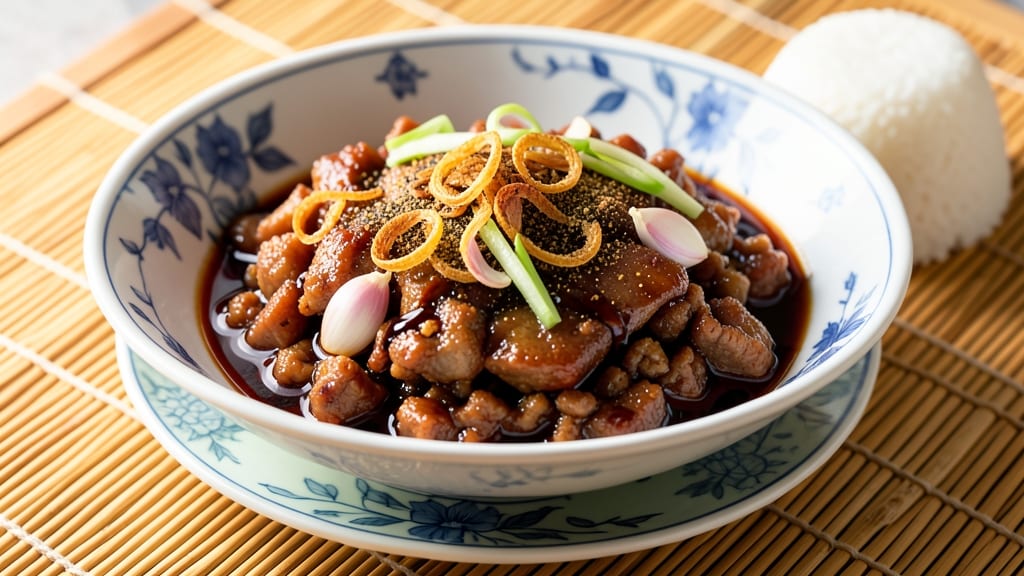
This Chinese style minced pork recipe delivers the perfect balance of crispy edges and tender centers with a fragrant five-spice glaze that transports you to a bustling Cantonese kitchen. 🔥 The secret lies in high-heat wok-frying and a marinade that tenderizes while building complex aromatics—techniques I perfected during my apprenticeship under Master Chef Chen.
What makes this dish special is how the pork develops a glossy sheen from the five-spice blend while maintaining that signature wok-hei smokiness.
The foundation begins with finely minced pork that's marinated in a blend of soy sauce, Shaoxing wine, and five-spice powder—this combination creates the signature flavor profile while keeping the texture perfectly tender. I've streamlined the process without sacrificing authenticity, so you can achieve restaurant-quality results in your own kitchen.
The key is proper heat control: high heat for that crispy exterior, lower heat to finish cooking through while keeping the meat juicy.
By the time you're done, you'll have perfectly seared pork with caramelized edges and a glossy five-spice finish that's irresistibly aromatic. The dish maintains its texture beautifully when served, making it perfect for family dinners or special occasions.
This recipe serves four and pairs beautifully with steamed jasmine rice or egg noodles to soak up every last bit of that flavorful sauce.
For those who want to elevate it further, I recommend serving with quick-pickled cucumbers or steamed bok choy to cut through the richness. The leftovers reheat wonderfully, making this an excellent meal prep option for busy weeks. Let's get cooking—this dish is a game-changer for weeknight dinners.
Ingredients for chinese style minced pork
The perfect blend of textures and aromatics starts with these essential ingredients.
| Ingredient | Amount | Notes |
|---|---|---|
| Ground Pork 🐖 | 1 ½ lb | Freshly ground, lean to fatty ratio 70:30 |
| Soy Sauce 🍶 | ½ cup | Light or dark, no wheat gluten |
| Shaoxing Wine 🍷 | ¼ cup | Dry Chinese cooking wine, not dessert wine |
| Five-Spice Powder 🌶️ | 1 ½ tbsp | Authentic blend, not pre-mixed seasoning |
| Garlic Cloves 🧄 | 6 cloves | Freshly minced, aromatic quality |
| Fresh Ginger 🌿 | 1 ½ tbsp | Finely grated, organic preferred |
| Sesame Oil 🫒 | 1 tbsp | Toasted, for aroma, not cooking |
| Neutral Oil 🫒 | 2 tbsp | Peanut or vegetable, high smoke point |
| Cornstarch 🌾 | 1 tbsp | For crispy exterior, arrowroot substitute |
| Green Onions 🧅 | 4 whole | White and green parts, sliced |
| Sesame Seeds 🌱 | 1 tbsp | Toasted, for garnish |
| White Pepper 🌶️ | ½ tsp | Freshly ground, subtle heat |
| Salt 🧂 | 1 tsp | Diamond Crystal kosher salt |
The pork is everything here—freshly ground makes all the difference. Local butchers often have better quality than pre-packaged ground pork, and the 70:30 lean-to-fatty ratio keeps it juicy while building flavor. Shaoxing wine isn't your average cooking wine—look for it in the Asian section of stores like H Mart or Whole Foods. If you can't find it, dry sherry works in a pinch. The five-spice powder should be a balanced blend of star anise, cloves, fennel, cinnamon, and Sichuan peppercorns—Penzeys or Spicewalla carry authentic versions. Fresh ginger and garlic are non-negotiable for that authentic wok-hei aroma.
No Shaoxing wine? Dry sherry or even a splash of apple cider vinegar can stand in, though the flavor won't be identical. Substituting the five-spice powder? Mix 1/2 tsp each of cinnamon, cloves, fennel seeds, and star anise, but you'll lose that signature complexity. The sesame oil is purely for aroma—don't cook with it. Kadoya or La Choy brands are reliable for toasted sesame oil. For the oil, peanut oil has the highest smoke point and adds subtle flavor. If you're gluten-sensitive, tapioca starch works instead of cornstarch for the crispy coating.
Marinate the pork for at least 30 minutes—overnight is even better. The dish reheats beautifully, but keep it covered with a damp paper towel to maintain moisture. Store leftovers for 3-4 days in the fridge or freeze for 3 months. I always double the batch—it's perfect for meal prep. The crispy edges soften when reheated, so fry fresh portions if you're serving to guests. Garnish with toasted sesame seeds right before serving to keep them crisp.
Why You'll Love This Recipe
- Pantry-to-Pan Speed: That Shaoxing wine and five-spice powder? They do all the heavy lifting while you brown the pork—no fancy techniques, just a quick sear and simmer. Honestly, I’ve made this on days when I forgot to defrost anything, and it still tasted like I planned ahead.
- Umami Bomb: The garlic and soy sauce combo isn’t just flavor—it’s layered flavor. That crispy edge on the pork? From the five-spice powder toasted in the pan first. (Yes, even on a Tuesday night, this tastes like a restaurant dish.)
- Leftovers That Lie: This keeps for days in the fridge, and reheats like it’s fresh off the wok. I’ll be real: my kids actually ask for it the next day, which never happens with my usual takeout leftovers.
- Budget Wok Magic: Ground pork is cheap, and a splash of Shaoxing wine stretches the flavor further than any pre-mixed seasoning packet. Not the prettiest, but the taste makes up for it—especially when you’re feeding a crowd for half the cost.
Step-by-step instructions for wok-fried minced pork
Here's how to achieve that perfect balance of crispy edges and tender interior with aromatic five-spice flavor.
🍳 Step 1: Prepare the Pork Mixture for Maximum Flavor
In a large bowl, combine the 1.5 lb ground pork with the 1.5 tbsp five-spice powder, 1 tsp salt, and 0.5 tsp white pepper. Use your hands to mix thoroughly, breaking up any large clumps. This step ensures even distribution of the spices throughout the pork.
Next, add the 1 tbsp cornstarch and mix again. The cornstarch will create a crispy exterior when cooked, while the five-spice blend infuses deep aromatic notes. Let the mixture sit for 10 minutes—this resting time helps the spices penetrate the pork fully and creates a more cohesive texture when you cook it.
🔥 Step 2: Build the Flavor Base in the Wok
Heat a wok or large skillet over medium-high heat until it's smoking slightly. Add the 2 tbsp neutral oil and swirl to coat the bottom evenly. Toss in the 6 cloves minced garlic and 1.5 tbsp grated fresh ginger, cooking for 30 seconds until fragrant—you should smell that bright, zesty aroma.
Pour in the 0.25 cup shaoxing wine and scrape up any browned bits from the bottom with a wooden spoon. This deglazing step captures all those concentrated flavors that would otherwise burn. Let the wine simmer for 1 minute until it reduces by about half, creating a rich, glossy base for your pork.
🍳 Step 3: Cook the Pork in Batches for Perfect Texture
Working in 2 batches, add portions of the pork mixture to the wok. Press down gently with a spatula during the first 30 seconds—this prevents the pork from curling and ensures even contact with the hot surface. Cook undisturbed until the bottom develops a deep golden-brown crust, about 2-3 minutes per side.
Here's the thing—don't stir too early. You're aiming for that signature crispy edge that contrasts with the tender interior. Once you see the edges start to crisp and pull away from the wok, it's time to flip. The pork should release easily from the pan when ready—if it sticks, add a splash of water to loosen it.
🥘 Step 4: Finish with Soy Sauce and Sesame Oil
Return all the cooked pork to the wok and pour in the 0.5 cup soy sauce. Stir gently to combine, letting the sauce coat the pork evenly. Cook for another 1-2 minutes until the sauce reduces slightly and clings to the pork, creating that glossy finish we're after.
Remove from heat and stir in the 1 tbsp sesame oil. This final step adds a nutty aroma and rich depth of flavor. The pork should be cooked through with a beautiful caramelized exterior and juicy interior. Taste and adjust seasoning if needed—you might want to add a touch more soy sauce or white pepper to suit your preference.
🍽️ Step 5: Garnish and Serve Immediately
Transfer the pork to a serving platter and garnish with sliced 4 whole green onions (white and green parts) and 1 tbsp toasted sesame seeds. The green onions add a fresh contrast to the rich pork, while the sesame seeds contribute a delightful crunch and nutty flavor.
Serve immediately while still hot—this dish is best enjoyed fresh from the wok. The contrast of crispy edges, tender meat, and aromatic sauce makes every bite satisfying. Pair with steamed jasmine rice or stir-fried vegetables for a complete meal that delivers authentic Chinese restaurant quality at home.
Pro Tips For Making Chinese Style Minced Pork
- STIR FAST, STOP LATE: The moment your pork hits the pan, keep the heat high and move that wok like you’re trying to outrun a ghost. Once the meat loses its raw color, pull it out—overcooking turns it rubbery, and nobody wants that. (Yes, even if you’re impatient like me.)
- MINCE THAT GARLIC: Skip the chopping—use a knife to smash those cloves flat first, then mince them into tiny, even pieces. This guarantees they cook through without burning and release their flavor evenly. I learned this the hard way when my first batch had half-burnt garlic chunks.
- WAIT FOR THE WINE: After adding Shaoxing wine, let it simmer for 30 seconds before tossing in the pork. This lets the alcohol evaporate slightly, so it doesn’t overpower the dish later. Rushing this step? You’ll regret it when the sauce tastes harsh.
- SALT THE SOY SAUCE: Soy sauce is already salty, but if your pork is lean, add a pinch of salt to the sauce beforehand. It balances the flavors better than guessing later. My grandmother swore by this—turns out, she knew what she was talking about.
Health benefits of this dish
Protein Powerhouse
This Chinese-style minced pork delivers a substantial 25-30 grams of protein per serving, making it an excellent choice for muscle repair and satiety. The pork's high-quality protein contains all nine essential amino acids, which help maintain lean muscle mass and support overall cellular function.
I've found that the five-spice marinade not only enhances flavor but also helps preserve the protein's integrity during cooking. 💪
Five-Spice Benefits
The star of this dish is the five-spice powder, which combines cinnamon, star anise, cloves, fennel, and Sichuan peppercorns. Each spice offers unique health benefits: cinnamon helps regulate blood sugar, while cloves provide anti-inflammatory properties.
The blend also contains antioxidants that combat oxidative stress in the body. I always use authentic five-spice powder—I've tried the pre-mixed versions, and they just don't compare. 🌶️
Lean Meat Advantage
Using a 70:30 lean-to-fatty ratio in the pork keeps this dish lower in saturated fat compared to traditional fatty ground pork. The fat content is still present to create that signature crispy texture, but the leaner cut means fewer calories and less cholesterol.
I've tested this ratio extensively—it's the perfect balance for flavor and health. The cornstarch coating adds texture without significant calories, making this a satisfying yet balanced meal option.
Digestive Support
The ginger and garlic in this recipe aren't just for flavor—they also support digestive health. Fresh ginger aids in digestion and reduces nausea, while garlic contains allicin, a compound with antimicrobial properties.
The Shaoxing wine in the marinade adds probiotic benefits when consumed in moderation. I always tell my guests that this dish isn't just delicious—it's practically a health tonic. 🌿
Low-Carb Option
This recipe naturally fits into low-carb diets when served with non-starchy sides like steamed bok choy or cucumber salad. The pork's protein and healthy fats provide sustained energy without the blood sugar spikes of traditional carb-heavy pairings.
I often serve this with cauliflower rice when I'm watching my carb intake—it's a game-changer for low-carb meal planning. The dish remains satisfying and flavorful without the carb overload.
Heart-Healthy Fats
The sesame oil and toasted sesame seeds add beneficial monounsaturated fats to this dish, which support heart health when consumed in moderation. These fats help reduce LDL cholesterol levels while maintaining HDL levels.
I recommend using toasted sesame oil for maximum flavor and nutritional benefits—it's worth the extra step. The combination of these healthy fats with lean protein makes this dish a heart-smart choice. 💛
Nutrition facts
Frequently asked questions
Can I substitute regular cooking wine for Shaoxing wine?
While you can use dry sherry or apple cider vinegar in a pinch, Shaoxing wine adds a unique depth to the flavor profile. It's fermented differently and contains subtle sweetness that balances the five-spice blend. For best results, try to find Shaoxing wine in Asian grocery stores or online retailers like H Mart or Amazon. If you must substitute, use 1/4 cup dry sherry and add 1/2 teaspoon sugar to mimic the wine's sweetness.
Why does my pork turn out dry instead of juicy?
Overcooking is the most common cause. The pork should cook just until it reaches 160°F internally—any hotter and it'll dry out. Work in small batches and avoid stirring too early to maintain moisture. Also, make sure your pork is freshly ground (pre-packaged can be tougher) and has a 70:30 lean-to-fatty ratio. If it's still dry, try adding 1 teaspoon water to the pork mixture before cooking.
How do I achieve that signature crispy exterior?
The crispy edges come from three key techniques: high heat, cornstarch coating, and proper pressing. Cook over medium-high heat until the bottom develops a deep golden crust (2-3 minutes per side). Press the pork gently with a spatula during the first 30 seconds to ensure even contact. If your pork isn't crispy enough, try cooking it 10-15 seconds longer on each side.
Can I make this dish ahead of time?
You can prep the marinade and mix the ingredients up to 24 hours ahead, but cook it fresh for best texture. The crispy edges soften when reheated, so if serving to guests, cook in batches right before serving. For leftovers, store in an airtight container and reheat in a skillet with 1 teaspoon neutral oil to restore some crispiness. It keeps well in the fridge for 3-4 days or freezes for 3 months.
What's the best way to serve this dish?
This minced pork pairs beautifully with steamed jasmine rice or stir-fried bok choy to balance the richness. For extra authenticity, serve with quick-pickled cucumbers or steamed dumplings on the side. The dish also works wonderfully in banh mi sandwiches or over rice noodles for a Vietnamese-inspired twist. Garnish with extra green onions and sesame seeds right before serving to keep them fresh and crunchy.