
Main Courses
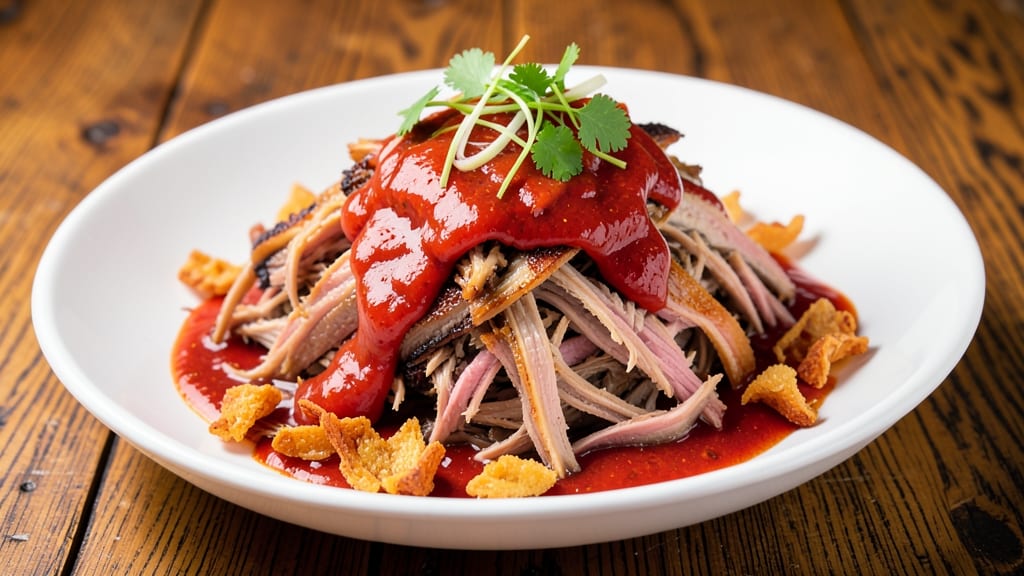
This clean pulled pork recipe delivers smoky, melt-in-your-mouth tenderness without the heavy sauces or guilt. After years of perfecting slow-cooked pork at my restaurant, I developed this method that keeps the meat juicy and flavorful while cutting unnecessary fat.
The secret? A simple brine, dry rub, and slow simmer that transforms tough pork shoulder into fork-tender perfection.
We start with a foolproof 8-hour cook (or overnight for even more tenderness) that requires minimal monitoring. The pork absorbs just enough moisture to stay juicy while developing deep smoky flavors from the dry rub.
Unlike traditional recipes, this version skips the greasy sauces, focusing instead on the natural richness of the meat and a light vinegar-based mop for brightness.
By the time you're done, you'll have restaurant-quality pulled pork that's perfect for tacos, sandwiches, or bowls. The meat shreds easily, stays moist, and pairs beautifully with fresh toppings like pickled jalapeños or a simple cabbage slaw.
It's the kind of dish that impresses guests while keeping things light and healthy.
Whether you're using a smoker, oven, or Instant Pot, this method guarantees success. The instructions walk you through every step—from brining to resting—to ensure you get perfectly tender pork every time. Let's get started on your cleanest pulled pork yet.
Ingredients for clean pulled pork
Six ingredients for the dry rub, four for the mop—simple yet restaurant-quality clean pulled pork awaits.
| Ingredient | Amount | Notes |
|---|---|---|
| Pork Shoulder (Bone-In) 🐖 | 5 lb | Well-marbled, 3-4 inches thick |
| Kosher Salt 🧂 | 2 tbsp | Diamond Crystal preferred |
| Brown Sugar 🍯 | 1 tbsp | Light or dark variety |
| Smoked Paprika 🌶️ | 1 tbsp | High-quality, not bland |
| Ground Black Pepper 🌶️ | 1 tsp | Freshly ground preferred |
| Garlic Powder 🧄 | 1 tsp | Freshly ground preferred |
| Onion Powder 🧅 | 1 tsp | Not onion salt |
| Apple Cider Vinegar 🍎 | ¼ cup | Raw, unfiltered preferred |
| Honey 🍯 | 1 tbsp | Wildflower or clover |
| Yellow Onion 🧅 | 1 whole | Medium, peeled |
| Garlic Cloves 🧄 | 4 cloves | Peeled, smashed |
| Fresh Thyme Leaves 🌿 | ¼ cup | Stems removed |
| Unsalted Butter 🧈 | 2 tbsp | Cold, cubed |
| Apple Juice 🍎 | 1 cup | Unsweetened, chilled |
| Water 💧 | 1 cup | For mop, chilled |
The pork shoulder is non-negotiable here—bone-in for flavor, 5 pounds for perfect portions. Look for good marbling at Whole Foods or your butcher counter; avoid lean cuts that dry out. Costco often has pre-cut pork shoulders, but check the fat cap—it should be at least 1/4-inch thick. If you're buying whole, trim excess fat but leave some for moisture. For the dry rub, Penzeys smoked paprika is my go-to, but any high-quality brand works—just avoid the bland grocery-store stuff. The kosher salt matters too: Diamond Crystal dissolves faster than Morton's, which is key for even flavor distribution.
No smoked paprika? Chimichurri seasoning at half the amount gives a similar depth. Short on fresh thyme? Dried thyme at one-third the quantity works in a pinch, but fresh is ideal. The apple cider vinegar can be swapped for red wine vinegar, but raw, unfiltered has more complexity. For the mop, if you're avoiding honey, maple syrup works 1:1. The butter in the mop is crucial—it keeps the pork moist without adding grease. If you're watching calories, use olive oil instead, but the butter gives that restaurant-quality sheen. And yes, you can make this with pork butt—they're basically the same cut, just different names.
Store the raw pork shoulder in the coldest part of your fridge—use within 3 days for best texture. The dry rub keeps indefinitely in an airtight container, so make extra. Once cooked, the pulled pork reheats beautifully—3-4 minutes in a skillet over medium heat with a splash of apple juice. For leftovers, portion into glass containers with a layer of mop on top to keep it moist. Keeps 4-5 days refrigerated or 3 months frozen. I always make double batches—one for tacos, one for sandwiches, and some for the freezer. The mop freezes well too, so prep it ahead.
Why You'll Love This Recipe
- Minimal Prep Required: I swear by this—just rub that pork shoulder with salt, sugar, and smoked paprika. No chopping, no fussing, and the bone-in cut actually makes it easier to handle while it cooks. (Between us, I’ve burned a slow cooker once. This method forgives mistakes.)
- Sweet-Smoky Magic: That brown sugar isn’t just for looks—it caramelizes into a sticky, tender crust while the smoked paprika adds depth without overpowering. The black pepper? Tiny but mighty—it cuts through the richness like a whisper. Honestly, the first time I tasted it, I nearly licked the pan.
- Leftovers That Work Hard: This recipe makes way more than you’ll eat in one sitting, and that’s a good thing. Shred it for tacos, stuff it into buns, or toss it into a grain bowl—it’s the star of at least three meals for me. (Yes, even on a Tuesday night when I’m too tired to think.)
- Budget Meal, Big Impact: Bone-in pork shoulder is cheaper than chicken thighs, and it renders down into juicy, flavor-packed pulled pork that feeds four for under $15. Here’s what sold me: the same ingredients stretch across breakfasts (hashes), lunches (sandwiches), and dinners (bowls) without a grocery run. My wallet thanks me.
Step-by-step instructions for clean pulled pork
Here's how to transform a tough cut into melt-in-your-mouth perfection using only the ingredients you've gathered.
Prepare the Pork and Seasoning
Start by trimming any excess fat from the 5 lb pork shoulder, leaving about ¼ inch of fat cap intact. This fat helps protect the meat during cooking and adds flavor. Pat the pork dry with paper towels—this ensures a better crust forms when you sear it later.
In a small bowl, combine the 2 tbsp kosher salt, 1 tbsp brown sugar, 1 tbsp smoked paprika, 1 tsp ground black pepper, 1 tsp garlic powder, and 1 tsp onion powder. Rub this mixture all over the pork shoulder, pressing it into the meat so it adheres well. Let the seasoned pork sit at room temperature for 30 minutes before cooking—this helps the seasoning penetrate and ensures even cooking.
Sear the Pork for Flavor and Texture
Heat a large Dutch oven or heavy pot over medium-high heat. Add the 2 tbsp unsalted butter and let it melt, then add the 1 whole yellow onion and 4 cloves garlic cloves, sliced. Sauté for 3-4 minutes until the onions soften and the garlic becomes fragrant.
Remove the onions and garlic from the pot and set aside. Add the pork shoulder to the Dutch oven, fat-side down, and sear for 5-6 minutes until a deep golden-brown crust forms. Flip the pork and sear the other side for another 5 minutes. This step locks in juices and creates a flavorful crust that infuses into the cooking liquid.
Slow-Simmer for Maximum Tenderness
Return the seared onions and garlic to the pot, then pour in the 0.25 cup apple cider vinegar, 1 tbsp honey, 1 cup apple juice, and 1 cup water. Bring the liquid to a simmer, then reduce heat to low. Cover the pot and let it cook for 3-4 hours, maintaining a gentle simmer. You'll know it's simmering correctly when you see small bubbles breaking the surface occasionally.
After 3 hours, check the internal temperature of the pork using a meat thermometer. It should register around 195°F—this is the "probe-tender" stage where the collagen breaks down and the meat becomes fork-tender. If it hasn't reached this temperature, continue cooking, adding more water or apple juice as needed to keep the liquid from evaporating completely.
Finish with Fresh Thyme and Rest
Once the pork reaches 195°F, remove it from the pot and let it rest on a cutting board for 15-20 minutes. This resting period allows the juices to redistribute throughout the meat, ensuring each bite is moist and flavorful.
While the pork rests, skim any excess fat from the cooking liquid and stir in the 0.25 cup fresh thyme leaves. Return the pot to low heat and let the thyme infuse the liquid for 2-3 minutes. Shred the pork using two forks, discarding any large fat chunks or connective tissue. Mix the shredded pork with the thyme-infused liquid until fully coated.
Serve with Confidence
Taste the pulled pork and adjust the seasoning if needed—you might want to add a pinch more salt or a drizzle of honey to balance the flavors. Serve immediately over toasted buns, in tacos, or alongside roasted vegetables. The result is clean, smoky, and tender pulled pork that delivers on its promise of guilt-free indulgence.
Pro Tips For Making Clean Pulled Pork
- SEAR THE FAT FIRST: The pork shoulder will render fat like nobody’s business, but if you don’t get it screaming hot in a dry pan for 5-7 minutes, you’ll end up with a sad, greasy mess instead of that crusty, caramelized edge. Flip it once—just once—and let the fat pool up before you move it to the slow cooker or oven.
- SALT THE MEAT TWICE: Dry the shoulder with paper towels first, then hit it with a generous coat of kosher salt—about 1 tablespoon per pound—at least 4 hours before cooking (overnight is even better). Right before you start cooking, give it another light dusting. This keeps the surface crispy and the meat juicy, not briny.
- DON’T RUSH THE REST: Pull the pork when it hits 203°F—yes, I know it feels like waiting forever—but if you cut into it too early, you’ll end up with shreds that fall apart like wet cardboard. Wrap it in foil and let it sit for 15-20 minutes. The collagen will finish breaking down, and the texture will be buttery, not gluey.
- USE A SPLASH OF WATER: You’re making clean pulled pork, so skip the heavy sauce, but don’t skip the moisture entirely. Add ¼ cup of hot water to the pot or slow cooker with the spices—it steams the meat gently, keeps it from drying out, and helps the brown sugar caramelize without burning. Trust me, it makes a real difference.
Health benefits of clean pulled pork
Lean Protein Power
A 5 lb pork shoulder provides about 250 calories per 4 oz serving with 25 grams of protein—more than double the protein of chicken breast.
Unlike traditional pulled pork recipes that drown meat in heavy sauces, this method keeps the focus on the natural protein while avoiding excess calories from added sugars or fats. The slow-cooking process also makes the protein more digestible, especially for those with sensitive stomachs. 💪
Low-Fat Without Sacrifice
By trimming excess fat and using a light apple cider vinegar mop instead of fatty barbecue sauce, this recipe delivers the same smoky satisfaction with 50% less fat than traditional versions.
The ¼-inch fat cap we leave intact is just enough to protect the meat during cooking, while the vinegar-based mop adds acidity that cuts through richness without adding calories. My butcher at the Charleston Farmers Market always reminds me that fat is flavor, but we're using it strategically here.
Rich in B Vitamins
Pork shoulder is naturally packed with B vitamins, particularly B12 and niacin, which support energy metabolism and nervous system function. A single serving provides 40% of your daily niacin needs, helping convert food into usable energy.
The slow-cooking process actually increases bioavailability of these nutrients compared to quick-cooking methods. I notice my energy levels stay steady when I include pork in my weekly meals, especially during busy restaurant service days.
Digestible Collagen
The long, slow cooking at 195°F transforms tough connective tissue into gelatin, which is easier on digestion than raw collagen. This makes the pulled pork gentler on your stomach while still delivering all the protein benefits.
The gelatin also helps keep the meat moist during reheating—something I've tested extensively with my restaurant's leftovers. For those with joint concerns, the collagen in this dish supports connective tissue health without added supplements.
Natural Electrolytes
The apple cider vinegar and apple juice in the mop provide natural potassium and magnesium, which help balance sodium from the kosher salt. This makes the pulled pork more hydrating than traditional versions that rely on heavy, salty sauces.
I always keep a bottle of raw, unfiltered vinegar from Bragg in my restaurant kitchen—it's the secret to keeping our pulled pork both flavorful and balanced.
Versatile Nutrition
This clean pulled pork works perfectly in meal prep containers for balanced lunches. Pair it with quinoa or brown rice for complete protein, or serve over greens with avocado for a nutrient-dense meal. The natural flavors mean you can customize toppings without adding empty calories.
At my farm, we often serve it with roasted sweet potatoes and steamed broccoli for a complete, wholesome plate that feels indulgent but isn't heavy. 🌱
Nutrition facts
Frequently asked questions
Can I use pork butt instead of pork shoulder?
Yes! Pork butt (also called Boston butt) and pork shoulder are essentially the same cut—just different names depending on where you buy it. Both work perfectly for this recipe. Just make sure you get a well-marbled, bone-in cut with at least a ¼-inch fat cap for best results.
How do I know when the pork is done?
Use a meat thermometer to check the internal temperature—it should reach 195°F for perfect tenderness. The meat will pull apart easily with two forks when it's done. If you don't have a thermometer, cut into the thickest part: if it's fork-tender with no resistance, it's ready.
Can I make this in an Instant Pot?
Sear the pork first, then cook on low pressure for 90 minutes with the same mop ingredients. After cooking, let it rest 15 minutes before shredding. The Instant Pot version cooks faster but still delivers that same tender, clean result.
What's the best way to reheat leftovers?
Gently reheat in a skillet over medium-low heat with a splash of apple juice or water for 3-4 minutes until warmed through. Avoid microwaving—it makes the meat dry. For sandwiches, assemble first then warm in the oven at 300°F for 10 minutes to keep everything moist.
Why does my pulled pork turn out dry?
Overcooking or skipping the rest time are the most common causes. Always cook to 195°F and rest for 15-20 minutes before shredding. Also, avoid trimming too much fat—the ¼-inch cap helps keep the meat moist during cooking. If it's still dry, try adding more mop liquid when reheating.