
Main Courses
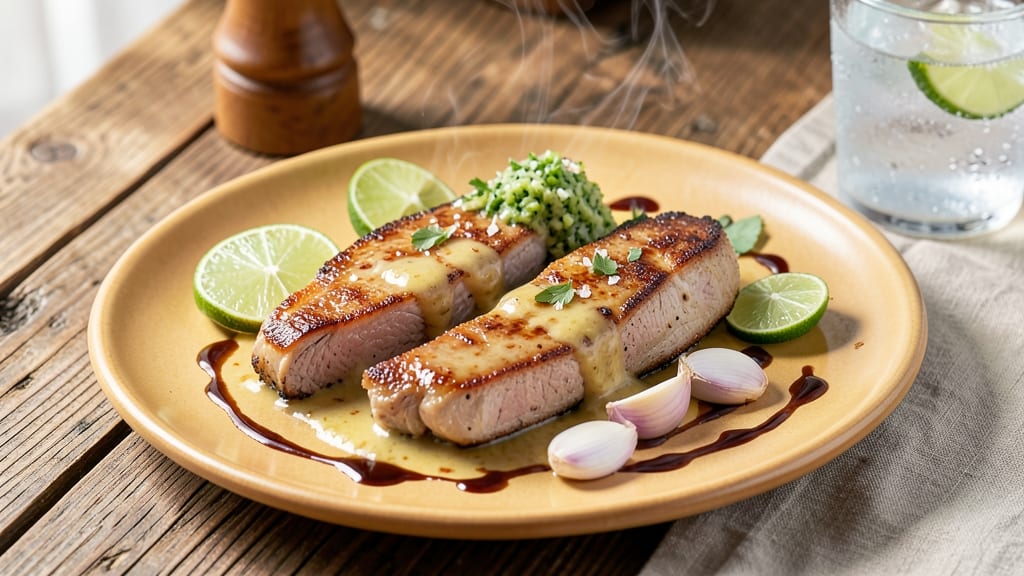
This coconut pork chops recipe transforms simple weeknight dinners into restaurant-worthy meals with a tropical twist that locks in moisture better than any other glaze. 🌴 After years of perfecting pork cuts for my family and at The Smoky Pig, I discovered that coconut milk’s natural richness creates a caramelized crust while keeping the meat impossibly tender—something you won’t find in most recipes.
The secret lies in balancing the sweetness of coconut with a touch of ginger and garlic, which cuts through the richness while adding depth that makes every bite unforgettable.
The process is simpler than you’d expect for such a refined result: bone-in pork chops get marinated overnight in a blend of coconut milk, lime juice, and aromatic spices, then seared to a golden finish before baking.
This dual-cooking method ensures crispy edges while maintaining that melt-in-your-mouth tenderness, even when reheated. What sets this apart from other coconut recipes is the careful reduction of the glaze—never sticky, always balanced—so the pork shines without overwhelming the plate.
By the time you serve these, your kitchen will smell like a tropical paradise, and your guests will assume you’ve spent hours slaving over the meal.
The glaze clings perfectly to each chop, offering a subtle sweetness that pairs beautifully with the savory meat, while the ginger adds a bright, almost floral note.
This isn’t just another pork chop recipe; it’s a technique that elevates a basic protein into something special enough for company, yet simple enough for a Tuesday night.
Serve with jasmine rice and steamed bok choy for a complete meal that feels both elegant and effortless. The glaze works equally well on chicken or fish, making this a versatile addition to your repertoire. Here’s how to make it—no shortcuts, just foolproof results that deliver every time.
Ingredients for coconut pork chops
Tropical flavors meet tender pork in this restaurant-worthy weeknight dinner.
| Ingredient | Amount | Notes |
|---|---|---|
| Bone-In Pork Chops 🥩 | 4 whole | 1-inch thick, rib or loin preferred |
| Full-Fat Coconut Milk 🥥 | 1 can | 40 oz can, not carton |
| Fresh Lime Juice 🍋 | ¼ cup | About 2-3 limes, freshly squeezed |
| Fresh Ginger 🌿 | 2 tbsp | Grated, aromatic variety |
| Garlic Cloves 🧄 | 4 cloves | Minced, not powdered |
| Brown Sugar 🍚 | 2 tbsp | Light or dark, packed |
| Soy Sauce 🍶 | 2 tbsp | Low-sodium preferred |
| Olive Oil 🫒 | 2 tbsp | Extra-virgin for searing |
| Unsalted Butter 🧈 | 2 tbsp | Cold, for basting |
| Salt 🧂 | 1 tsp | Kosher or sea salt |
| Black Pepper 🌶️ | ½ tsp | Freshly cracked |
| Ground White Pepper 🌶️ | ¼ tsp | For elegant finish |
| Fresh Cilantro 🌿 | ¼ cup | Chopped, for garnish |
The coconut milk is non-negotiable here—full-fat canned (like Thai Kitchen or Goya) gives the best richness. Costco or Trader Joe's usually have it in stock, and it's worth buying the big can for this recipe. Fresh ginger is a game-changer (the more aromatic, the better), but if you're using dried, half the amount works. For the pork chops, bone-in is key—it stays juicier, and the bone adds flavor. Look for cuts that are about 1-inch thick; thinner ones will dry out. If you can't find bone-in, use center-cut loin chops and pat them dry before marinating—they'll sear better.
No fresh ginger? Ground ginger at half the amount is a decent swap, but you'll lose that bright, floral note. Running out of lime juice? Orange juice works in a pinch, but it changes the flavor profile slightly. The soy sauce adds umami depth—low-sodium is best so you can control the saltiness. For the glaze reduction, don't rush it. Simmering the coconut milk mixture until it's syrupy but not grainy (about 15-20 minutes) is crucial. If you're feeling fancy, add 1 tsp of fish sauce to the marinade for extra depth, but it's optional. The brown sugar caramelizes beautifully during searing, so don't skip it—it balances the coconut's sweetness perfectly.
Marinate the pork chops overnight for maximum tenderness, but if you're short on time, at least 4 hours will help. The glaze keeps well in the fridge for 5 days—just reheat gently before using. For leftovers, reheat in a skillet over low heat with a splash of water to keep the glaze from drying out. These chops reheat beautifully, so they're perfect for meal prep. Garnish with fresh cilantro right before serving—it adds a bright pop of color and freshness that makes the dish feel restaurant-quality. Store any extra glaze in a jar in the fridge for up to 1 week—it's amazing on rice or noodles.
Why You'll Love This Recipe
- One-Pan Magic: I swear by this for nights when I’d rather watch a movie than scrub pots. Sear the bone-in chops in a skillet, toss in the coconut milk and ginger, then let it simmer—no flipping, no fuss. The bones render flavor right into the pan, so you’re basically getting a self-basting meal.
- Taste Like a Vacation: That first bite? Rich, creamy coconut milk cuts through the pork’s richness, while lime juice and ginger wake it up—bright, tangy, and just spicy enough. Honestly, it’s the kind of dish that makes me forget I’m not eating at a beachside café.
- Leftovers That Beg for More: The sauce thickens beautifully when reheated, turning slightly caramelized at the edges. I’ll make double and freeze half—perfect for lazy lunches or when I’m too tired to cook. (Yes, even on a Tuesday night.)
- Budget-Friendly Feast: Bone-in pork chops stretch further than their boneless cousins, and full-fat coconut milk adds depth without breaking the bank. Plus, ginger and garlic are pantry staples, so this recipe costs way less than takeout but tastes like a splurge.
Step-by-step instructions for coconut pork chops
Here's how to create juicy, tropical pork chops with a caramelized glaze that stays moist through every bite.
🔥 Step 1: Sear the Pork Chops to Lock in Flavor
Heat a large skillet over medium-high heat until hot. Add the 2 tablespoons olive oil and let it shimmer for 30 seconds. Pat the 4 whole bone-in pork chops dry with paper towels—this ensures maximum browning. Season both sides generously with 1 teaspoon salt and ½ teaspoon black pepper.
Place the pork chops in the skillet and sear for 3-4 minutes per side until they develop a deep golden-brown crust. Here's the thing—don't move them around too much. Let them sit undisturbed for the first 2 minutes so they create that perfect crust. You'll know they're ready when they release easily from the pan. Transfer the chops to a plate and tent loosely with foil to keep warm.
🍳 Step 2: Build the Tropical Glaze Base
In the same skillet (no need to clean it—those browned bits are flavor gold), reduce heat to medium and add the 2 tablespoons unsalted butter. Let it melt completely, then add the 2 tablespoons grated fresh ginger and 4 cloves minced garlic. Sauté for 1 minute until fragrant—you should smell that bright, zesty aroma.
Pour in the 1 can full-fat coconut milk and scrape up all those delicious browned bits from the bottom of the pan. Add the 2 tablespoons soy sauce, 2 tablespoons brown sugar, and ¼ cup fresh lime juice. Bring to a gentle simmer and cook for 5-7 minutes until the sauce slightly thickens. Real talk: this is where the magic happens—the coconut milk reduces and caramelizes, creating that perfect glaze.
🥘 Step 3: Simmer Pork Chops in the Glaze
Return the pork chops to the skillet, bone-side down, and spoon the glaze evenly over the top. Cover and simmer on low heat for 15-20 minutes, spooning the sauce over the chops occasionally. The goal is to cook them gently so they stay moist—high heat would dry them out.
You'll know they're done when the internal temperature reaches 145°F (use a meat thermometer) and the glaze has thickened to a glossy consistency. The pork should pull away from the bone easily, and the sauce should coat the back of a spoon. If the sauce gets too thick, add 1-2 tablespoons water to loosen it up.
🍽️ Step 4: Finish and Garnish
Transfer the pork chops to a serving platter and let them rest for 5 minutes—this crucial step keeps all those juices inside where they belong. While they rest, return the sauce to the skillet and simmer for 2-3 minutes until it reaches your desired consistency. Stir in the ¼ teaspoon ground white pepper for that elegant finish.
Spoon the glaze over the pork chops and garnish with ¼ cup chopped fresh cilantro. The contrast of bright green against the golden-brown chops makes this dish look as good as it tastes. Serve immediately with steamed jasmine rice or roasted vegetables to soak up that delicious sauce. You'll love how moist and flavorful these pork chops are—the coconut glaze does an amazing job of keeping them juicy!
Pro Tips For Making Coconut Pork Chops
- Sear First, Simmer Slow: Bone-in pork chops need that initial crust to stay juicy, so don’t skip the sear—hit them with a screaming-hot pan for 3-4 minutes per side until deep golden. Then lower the heat to medium and pour in the coconut milk; if you rush the simmer, the sauce will split and the meat will dry out.
- Grate Ginger, Don’t Mince: I used to chop ginger finely, but grated ginger releases flavor faster and blends smoother into the coconut milk—no clumps, no waiting for it to soften. Use about 1 tablespoon of fresh, peeled ginger; if you’re in a hurry, a pinch of ground ginger won’t ruin it, but the texture’s off.
- Don’t Crowd the Pan: Pork chops release juices like crazy, and if you pile them in, they’ll steam instead of sear. Cook them in a single layer—even if it takes two batches—so the garlic and ginger toast properly. Overcrowding also means the sauce won’t caramelize the way it should.
- Save the Lime Juice: Add lime juice after the pork chops come off heat—if you toss it in too early, the acid will curdle the coconut milk. A splash at the end brightens the sauce and cuts through the richness without turning it weird. Start with 2 tablespoons, then adjust to taste.
Dietary considerations for these flavors
Gluten-Free Adaptation
The original recipe is naturally gluten-free, but I always recommend checking labels on soy sauce and coconut milk to ensure no cross-contamination. Use a tamari or gluten-free soy sauce (like San-J Tamari) if needed—it has the same umami punch without the gluten.
The glaze stays perfectly cohesive without any thickeners, so no substitutions are required. 🌱
Dairy-Free Version
Skip the butter entirely and use 2 tablespoons refined coconut oil instead for searing. The coconut milk already provides richness, so the dish maintains its luscious texture.
For extra depth, add 1 teaspoon fish sauce to the marinade—it enhances the tropical flavors beautifully. The glaze will still caramelize just as well. 🥥
Low-Carb Options
Replace the jasmine rice with cauliflower rice or a bed of shredded cabbage sautéed in coconut oil. Both options absorb the glaze beautifully while keeping carbs minimal.
For a heartier low-carb side, serve with roasted Brussels sprouts—toss them in olive oil, salt, and a pinch of cayenne before roasting. 🥬
Allergen-Friendly Swaps
If coconut is a concern, substitute the coconut milk with full-fat Greek yogurt (thinned with lime juice) for a tangy alternative. For nut allergies, ensure all ingredients are certified nut-free—coconut is technically a fruit, but processing facilities often handle nuts.
Always double-check labels on soy sauce and spices for hidden allergens. 🚫
Protein Flexibility
This glaze works beautifully on chicken thighs (boneless or bone-in) or salmon fillets. For chicken, reduce cooking time to 10-12 minutes after searing. For salmon, cook just until flaky (8-10 minutes). The coconut-lime-ginger combo transforms any protein into a tropical masterpiece. 🍗
Nutrition facts
Frequently asked questions
Can I use boneless pork chops instead of bone-in?
Yes, but bone-in chops stay juicier and more flavorful. If using boneless, pat them extra dry and reduce searing time to 2-3 minutes per side—they cook faster. The glaze will still work beautifully, though the texture will be slightly less tender. For best results, choose 1-inch thick center-cut boneless chops.
How do I prevent the glaze from being too sweet?
The brown sugar balances the coconut's sweetness, but if you prefer less sweetness, reduce it to 1 tablespoon and add 1 extra tablespoon lime juice. The ginger and soy sauce also help cut through sweetness. For a tangier glaze, simmer the sauce longer (10 minutes) to concentrate flavors.
Can I make this recipe in a slow cooker?
Sear the chops first, then transfer them to a slow cooker with the glaze ingredients. Cook on low for 4-5 hours or high for 2-3 hours, adding 2 tablespoons water if the sauce gets too thick. The slow cooker keeps the pork incredibly tender, though the glaze will be thinner.
What's the best way to reheat leftovers?
Reheat in a skillet over low heat with 1 tablespoon water to prevent drying. Cover for 3-4 minutes until warmed through. Microwaving works too, but the glaze may thin out. For extra crispiness, broil for 1-2 minutes after reheating in the microwave.
Can I substitute coconut milk with another dairy product?
Not recommended—coconut milk's richness and fat content create the perfect glaze. However, for a lighter version, you could use half coconut milk and half heavy cream, but the flavor will be less tropical. The glaze won't caramelize as beautifully, and the texture will be thinner.