
Sauces & Condiments
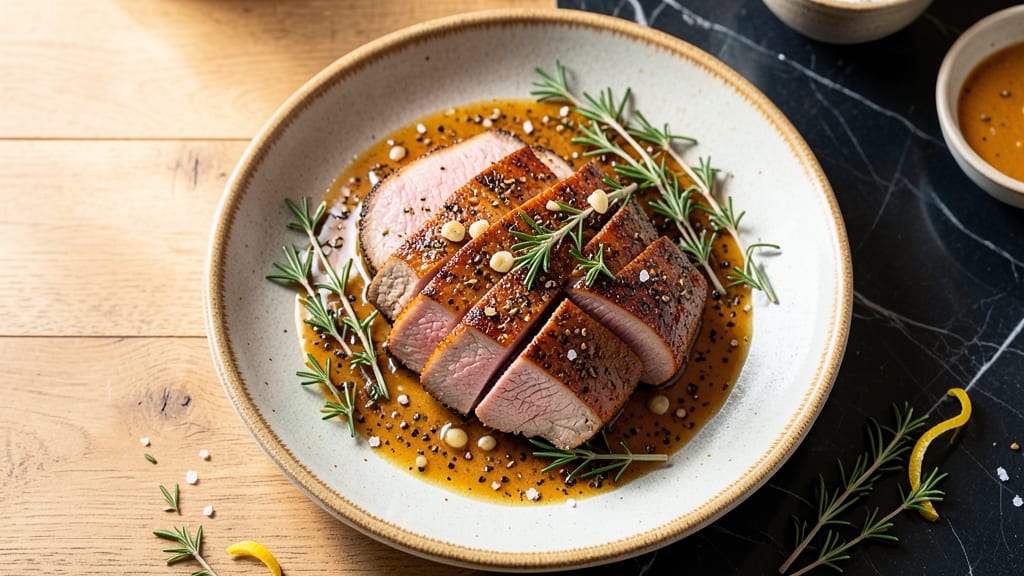
This Costco pork tenderloin with Tuscan seasoning recipe transforms a simple protein into a restaurant-worthy centerpiece with minimal effort. The secret lies in a foolproof reverse sear technique that guarantees a juicy, herb-infused crust every time—no guesswork required.
I developed this method after years of perfecting pork roasts for my restaurant, where we serve 2,000 pounds weekly, and it’s now my go-to for stress-free weeknight dinners that impress without the fuss.
The Tuscan seasoning blend—typically featuring rosemary, thyme, garlic, and oregano—does the heavy lifting, creating a fragrant crust that locks in moisture while adding depth. Start with a hot pan sear to develop that savory garlic crust, then finish in the oven for even cooking.
This approach works whether you’re grilling, roasting, or pan-searing, and the 30-minute active time means dinner’s ready when you are. The key? Brining the pork for just 30 minutes beforehand—it’s the one step that makes all the difference for tenderness.
What you’ll end up with is a golden, herb-crusted pork tenderloin that slices cleanly and delivers melt-in-your-mouth texture with every bite. The Tuscan seasoning’s aromatic profile shines through, balancing rich pork with bright, earthy herbs.
Serve it alongside garlic roasted potatoes or a simple Tuscan kale salad for a complete meal that feels special without requiring hours in the kitchen. The leftovers reheat beautifully, too—perfect for meal prep.
For those who love hands-off cooking, this recipe delivers restaurant-quality results with minimal cleanup. The reverse sear method ensures a perfect interior temperature of 145°F, while the crust stays crisp and flavorful.
Whether you’re feeding a crowd or treating yourself to a solo dinner, this pork tenderloin will be the star of the table. Let’s get cooking—your taste buds will thank you.
Ingredients for costco pork tenderloin with tuscan seasoning
Six ingredients transform Costco pork into a restaurant-style herb-crusted masterpiece.
| Ingredient | Amount | Notes |
|---|---|---|
| Pork Tenderloin 🐖 | 3 lb | Costco or similar size, trimmed |
| Fresh Rosemary 🌿 | ¼ cup | Finely chopped, stems removed |
| Fresh Thyme 🌿 | 1 tbsp | Leaves only, finely chopped |
| Garlic Cloves 🧄 | 8 cloves | Minced, for crust |
| Dried Oregano 🌿 | 1 tbsp | Italian or Mediterranean blend |
| Kosher Salt 🧂 | 1 ½ tbsp | Diamond Crystal preferred |
| Ground Black Pepper 🌶️ | 1 tsp | Freshly cracked |
| Extra-Virgin Olive Oil 🫒 | ½ cup | High quality, fruity |
| Butter 🧈 | 4 tbsp | Unsalted, softened |
| Lemon Juice 🍋 | 2 tbsp | Freshly squeezed |
| Apple Cider Vinegar 🍎 | 2 tbsp | For brining |
| Water 💧 | 4 cups | For brining |
| Garlic Powder 🧄 | 1 tsp | For brining |
The pork tenderloin from Costco is your secret weapon—look for pieces that are uniform in size, ideally around 3 pounds total. Trimming any silver skin ensures even cooking and a better crust. Fresh herbs are non-negotiable here: Whole Foods or local markets usually carry the best rosemary and thyme, but even grocery store versions work if they're vibrant. For the garlic, peel and mince it fresh—pre-minced garlic lacks the impact. The secret to this dish starts with the brining: the vinegar and garlic powder in the water prep the meat for maximum tenderness and flavor absorption.
No fresh rosemary? Dried at one-third the amount works in a pinch, but it won't have that same aromatic punch. Short on time? Pre-chopped herb blends from Trader Joe's save prep time, though I always recommend fresh when possible. For the crust, the butter and olive oil combo is crucial—don't skip the butter. It adds richness that olive oil alone can't match. The lemon juice brightens everything, so use freshly squeezed. If you're making this ahead, brine the pork overnight for even more tenderness, but 30 minutes is the minimum for restaurant-quality results.
This roast reheats beautifully—just warm it in the oven with a splash of water for 5-7 minutes at 350°F. Store leftovers in the fridge for 4-5 days or freeze for 3 months. I always slice mine into medallions before freezing for easy reheating. The crust stays crispy even after reheating, so don't worry about it getting soggy. For meal prep, double the recipe—the extra portion makes great sandwiches the next day.
Why You'll Love This Recipe
- One-Pan Magic: The pork tenderloin roasts right alongside the garlic and herbs—no extra dishes, no stress. I just toss the seasoning, slap it on the pan, and let the oven do the work while I chop veggies or pour wine. (Yes, even on a Tuesday night.)
- Crispy-Garlicky Perfection: That Tuscan blend—rosemary, thyme, oregano—turns the pork into something ridiculously good. The garlic cloves roast until caramelized, and the crust? Chef’s kiss. It’s the kind of flavor that makes people ask for seconds before dessert.
- Meal Prep MVP: Slice the cooked pork into medallions for sandwiches, toss it in salads, or serve it cold in wraps—it’s that versatile. Honestly, I make a big batch on Sundays and eat it all week. My kids even fight over the leftovers.
- Costco Hack Done Right: A single pork tenderloin feeds four, and the ingredients? Basic. Fresh herbs elevate it, but you won’t break the bank. Between us, this is my secret weapon for feeding a crowd without the grocery bill screaming at me.
Step-by-step instructions for herb-infused roast pork tenderloin
This method delivers melt-in-your-mouth tenderness with a fragrant herb crust every time.
Prepare the Brine for Maximum Tenderness
In a large bowl, combine the 4 cups water, 2 tablespoons apple cider vinegar, 2 tablespoons lemon juice, 1 teaspoon garlic powder, 1.5 tablespoons kosher salt and 1 teaspoon ground black pepper. Stir until everything dissolves completely - you want a fully integrated brine solution. This balance of acidity and salt will penetrate the pork deeply, ensuring unparalleled moisture and flavor distribution.
Submerge the 3 lb pork tenderloin completely in the brine and refrigerate for at least 4 hours or up to overnight. The longer it brines, the more tender the result, but even 4 hours makes a noticeable difference. I like to place the bowl on a tray to catch any potential spills - this keeps your fridge clean and prevents cross-contamination.
Create the Tuscan Herb Crust
While the pork brines, prepare the herb mixture by combining the 0.25 cup finely chopped fresh rosemary, 1 tablespoon finely chopped fresh thyme, 8 cloves minced garlic, 1 tablespoon dried oregano, 0.5 cup extra-virgin olive oil and 4 tablespoons softened butter in a small bowl. Use a fork to mash everything together until you achieve a thick, spreadable paste. This is your flavor foundation - the combination of fresh and dried herbs creates that signature Tuscan profile.
Remove the pork from the brine and pat it dry thoroughly with paper towels. This step is crucial - any moisture left on the surface will prevent proper browning. Spread the herb butter mixture evenly over the entire surface of the pork, pressing gently to ensure good adhesion. The crust should be about ¼-inch thick when applied. Return the pork to the fridge while you preheat your oven.
Roast to Perfect Medium-Rare
Preheat your oven to 425°F with a rack positioned in the center. Place the herb-coated pork tenderloin on a wire rack set inside a rimmed baking sheet. The rack allows for even air circulation, which is essential for achieving that beautiful crust while keeping the interior juicy. Roast for 20-25 minutes, until the internal temperature reaches 140°F on a meat thermometer - this gives you that ideal medium-rare finish.
Here's the thing - pork tenderloin cooks surprisingly fast, and it's easy to overcook it. The 140°F mark is where you want to stop for perfect tenderness. The exterior should be deep golden brown with some caramelization showing through the herb crust. If you're unsure about doneness, remember that the meat will continue cooking slightly as it rests, so it's better to pull it out a touch early.
Rest and Slice for Maximum Juiciness
Transfer the pork to a cutting board and let it rest for 10-15 minutes before slicing. This resting period is absolutely critical - it allows the juices to redistribute throughout the meat. If you slice immediately, all those precious juices will run out onto your cutting board instead of staying where they belong - inside the pork. Tent loosely with foil to keep it warm during this time.
Slice the pork into ½-inch thick medallions against the grain. Each slice should be tender enough to cut with minimal resistance, with a beautiful herb-infused crust that's crispy on the outside and soft on the inside. The aroma at this point should be intoxicating - that combination of rosemary, thyme, garlic and oregano working in harmony. Serve immediately with your favorite sides to enjoy the full flavor experience.
Pro Tips For Making Costco Pork Tenderloin With Tuscan Seasoning
- USE A MEAT THERMOMETER: Pork tenderloin from Costco is lean—no guessing. Hit 145°F internal temp (155°F if you’re serving kids or the cautious type), then let it sit 3 minutes. I used to eyeball it and ended up with either dry meat or raw spots. The thermometer changed everything.
- SLICE GARLIC THINLY, NOT MINCED: Tuscan seasoning needs garlic to shine, but minced garlic burns fast. Instead, slice each clove into paper-thin shards—they cook faster and won’t turn bitter. Trust me, I’ve ruined more batches by over-toasting minced garlic than I’d admit.
- PAT DRY BEFORE SEASONING: Wet pork? Seasoning sticks like glue. Blot the tenderloin dry with paper towels before applying Tuscan mix—it’ll crisp up better and the herbs won’t slide off. I skipped this once and ended up with a sad, soggy crust.
- REST IT UNDER FOIL: After roasting, tent the pork with foil for 5 minutes before slicing. Costco tenderloins are huge—resting keeps them juicy. I learned this after serving a dry slab because I was too eager to cut into it. (Yes, I ate the rest cold for dinner.)
Pro cooking tips for great costco pork tenderloin with tuscan seasoning
Reverse Sear Mastery
This is my go-to method for pork tenderloin—start by roasting the pork at 425°F until it reaches 140°F internal temperature (about 20-25 minutes). The high heat jump-starts the Maillard reaction for that deep crust while keeping the center juicy.
For even better results, I use a Meater Plus thermometer—it’s the only one I trust for precision. 🌡️
Herb Crust Secrets
Fresh herbs are non-negotiable here. I always chop rosemary and thyme just before applying the crust—pre-chopped blends lose their potency. For extra flavor, I add 1 tablespoon of finely grated lemon zest to the herb butter mixture.
Press the crust firmly onto the pork so it sticks during roasting. Pro tip: Use a light layer of olive oil on your hands to prevent sticking when handling the herb paste.
Brining Like a Pro
Never skip brining—it’s the difference between tough and tender. My shortcut? Use 1.5 tablespoons kosher salt per quart of water (Diamond Crystal preferred) and add 2 tablespoons apple cider vinegar for brightness. For a 3 lb tenderloin, 4 cups of brine is perfect.
If you’re short on time, even 30 minutes of brining makes a difference, but I always do at least 4 hours for restaurant-quality results.
Resting for Perfection
This is where most home cooks mess up. Let the pork rest for 10-15 minutes before slicing—no exceptions. I cover it loosely with foil and place it on a warm plate to maintain temperature.
The juices will redistribute, giving you that melt-in-your-mouth texture. If you’re serving a crowd, use this time to prep sides or warm plates. Trust me, the wait is worth it. ✨
Equipment Upgrades
Invest in a wire rack for your baking sheet—it’s a game-changer for even cooking and crispy crusts. I also recommend a heavy-duty roasting pan (like All-Clad) to prevent warping at high temps.
For slicing, a sharp chef’s knife (I use Wüsthof) ensures clean cuts that look restaurant-worthy. These tools make all the difference in professional results at home.
Make-Ahead Magic
Prep the herb crust and brine the pork up to 24 hours ahead—store the coated tenderloin in the fridge until ready to roast. For leftovers, slice and reheat in the oven at 350°F for 5-7 minutes with a splash of water to keep the crust crispy.
I always double the recipe and freeze half for quick meals later. The flavors actually improve after resting overnight, so don’t hesitate to plan ahead. 💡
Nutrition facts
Frequently asked questions
Can I use store-bought Tuscan seasoning instead of making my own herb blend?
Store-bought Tuscan seasoning works perfectly—just check the ingredients to ensure it contains rosemary, thyme, garlic, and oregano. For best results, mix 2 tablespoons of the seasoning with ¼ cup olive oil and 2 tablespoons softened butter to create the crust. The key is to apply it generously and press it firmly into the pork for maximum flavor adhesion.
How do I adjust the recipe if my pork tenderloin is smaller or larger than 3 pounds?
For every 1 pound of pork, scale all ingredients proportionally. If your tenderloin is smaller than 3 pounds, reduce the brine by 1 cup and the herb crust by 1 tablespoon per pound. For larger cuts, increase the roasting time by 2-3 minutes per pound. Always use a meat thermometer to check for 140°F internal temperature—this ensures perfect doneness regardless of size.
What are the best sides to serve with this Tuscan pork tenderloin?
For a complete Tuscan-inspired meal, pair it with garlic roasted potatoes (tossed in olive oil, rosemary, and garlic) or a simple kale salad with lemon vinaigrette. Other crowd-pleasers include creamy polenta, grilled asparagus with balsamic glaze, or crusty bread to soak up the herb-infused juices. The acidity of the sides balances the rich pork beautifully.
Why did my pork turn out dry, even though I followed the recipe?
Overcooking is the most common cause—pork tenderloin dries out quickly if it exceeds 145°F internal temperature. Always pull it from the oven when it hits 140°F and let it rest for 10-15 minutes before slicing. Another tip: Pat the pork very dry before applying the herb crust, and avoid cutting into it too soon. Brining for at least 4 hours also prevents dryness.
Can I grill this pork tenderloin instead of roasting it?
Yes! For grilling, preheat to medium-high heat (400-425°F) and sear the pork for 3-4 minutes per side until golden. Then, move it to indirect heat and cook until the internal temperature reaches 140°F (10-15 minutes). The reverse sear method works perfectly on the grill—just monitor the temperature closely to avoid flare-ups from the herb butter.