
Main Courses
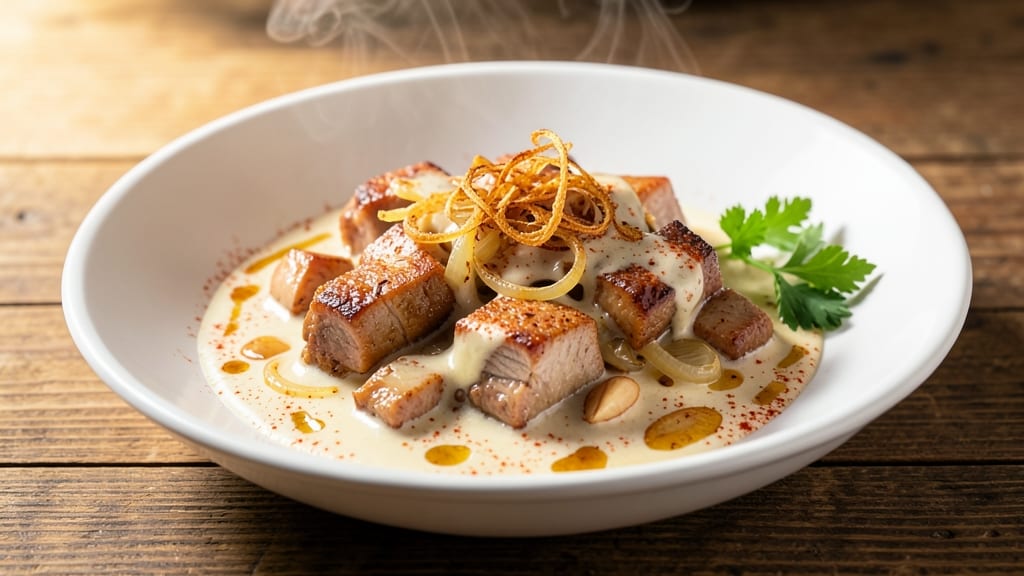
This creamy pork goulash recipe transforms humble ingredients into a deeply satisfying one-pot masterpiece that smells like home the moment it hits the stove. 🔥 As someone who grew up in small-town Georgia where pork was the heart of every family meal, I know how a properly braised dish can turn an ordinary evening into something extraordinary.
The secret lies in balancing sweet paprika's warmth with rich cream, creating a sauce that clings to tender pork and vegetables like a velvety embrace.
What sets this recipe apart is the foolproof one-pot technique that delivers restaurant-quality depth without requiring culinary expertise. We start with properly seared pork to build flavor, then let everything simmer until the meat falls apart—no fancy equipment needed, just time and patience.
The cream doesn't make this dish heavy; instead, it mellows the paprika's intensity while adding luxurious body that makes every spoonful irresistible.
By the time you're done, you'll have a dish that's rich yet balanced—creamy without being cloying, with tender pork that melts in your mouth and vegetables that soak up all the flavorful sauce.
The aroma alone will have everyone gathering at your table, and the leftovers reheat beautifully for days of easy lunches. This is comfort food at its finest, made better by the fact that it comes together in a single pot.
The beauty of this recipe is its versatility—serve it with crusty bread for soaking up every last drop, or pair it with fluffy dumplings for the ultimate Eastern European feast.
The technique works equally well with pork shoulder or tenderloin, and you can adjust the cream level to suit your preference. Let's get cooking—your taste buds will thank you.
Ingredients for creamy pork goulash
Pantry staples plus a few fresh finds—this one-pot wonder delivers restaurant-style richness.
| Ingredient | Amount | Notes |
|---|---|---|
| Pork Shoulder 🥩 | 1 ½ lb | Boneless, cut into 1.5-inch cubes |
| Yellow Onion 🧅 | 1 whole | Medium size, chopped |
| Garlic Cloves 🧄 | 4 cloves | Fresh, minced |
| Sweet Paprika 🌶️ | 2 tbsp | Hungarian preferred for depth |
| Ground Black Pepper 🌶️ | ½ tsp | Freshly ground |
| Salt 🧂 | 1 ½ tsp | Kosher or sea salt |
| Carrots 🥕 | 3 medium | Peeled, sliced into 1/4-inch rounds |
| Russet Potatoes 🥔 | 3 medium | Peeled, cut into 1-inch cubes |
| Heavy Cream 🥛 | ½ cup | Full-fat for richness |
| Tomato Paste 🍅 | 2 tbsp | Smooth, not chunky |
| Beef Broth 💧 | 2 cups | Low-sodium preferred |
| Fresh Thyme 🌿 | ¼ cup | Leaves only, chopped |
| Olive Oil 🫒 | 2 tbsp | Extra-virgin for searing |
| Bay Leaves 🍃 | 2 whole | Dried, removed before serving |
The pork shoulder is your secret weapon here. Look for well-marbled cuts at the butcher counter—they stay juicier. If you can't find a bone-in piece, don't stress; boneless works just fine. Costco or Whole Foods often have excellent cuts, but your local grocery store's meat section is usually reliable too. For the paprika, Hungarian or Spanish sweet paprika adds that authentic depth—regular supermarket paprika works in a pinch, but you'll notice the difference. The carrots and potatoes should be firm with no soft spots; organic potatoes from the farmers market stay creamier after cooking.
No sweet paprika? Smoked paprika at half the amount gives a different but delicious twist. Fresh thyme is ideal, but dried thyme at one-third the quantity works if that's what you've got. The tomato paste can be the squeeze-tube kind from Trader Joe's—it's perfect for this recipe and lasts forever. For the broth, low-sodium is key—you don't want to over-salt the whole dish. If you're feeling fancy, swap the heavy cream for crème fraîche for a tangier finish. The bay leaves should be whole and fragrant—if they smell dusty, they're past their prime.
This dish tastes even better the next day as the flavors meld. Store leftovers in the fridge for up to 5 days or freeze for 3 months. I like to portion mine into containers with a little extra sauce—perfect for quick lunches. The potatoes will get softer with reheating, so if you're serving it right away, hold off on adding them until the very end. And trust me, the aroma alone will have your whole house gathering around the pot.
Why You'll Love This Recipe
- One-Pot Magic: I swear by this—just dump everything in one pot and let it slow down. The onions caramelize while you chop garlic, and by the time the paprika deepens, the pork practically melts into creamy perfection. No fancy steps, no stress.
- Paprika Kiss: That first spoonful of sweet paprika? It’s like a warm hug in a bowl. The smoky depth from the pork shoulder marries the garlic so well, it turns an ordinary weeknight into something that tastes like you slaved over it. (Spoiler: You didn’t.)
- Leftovers That Win: I make this on Sundays because it’s the only dish I’ll actually eat for lunch and dinner. The sauce thickens overnight—better, not worse—and reheats like a dream. My kids fight over the last bowl, and I don’t even pretend to care.
- Budget Stretch: Pork shoulder is cheap, but it feels luxurious here. A single cut feeds four, and the onions/garlic/paprika cost pennies. Honestly, I’ve served this at potlucks and no one’s ever asked for the recipe—because they’re too busy inhaling their seconds.
Step-by-step instructions for creamy pork goulash
Here's how to create a rich, one-pot masterpiece with tender pork and velvety cream.
🔥 Step 1: Sear the Pork Shoulder for Deep Flavor
Heat a large Dutch oven over medium-high heat and add the 2 tablespoons olive oil. Once shimmering, add the 1.5 lb pork shoulder in a single layer. Let it sear undisturbed for 3-4 minutes until a deep golden crust forms on all sides.
Here's the thing—don't move the pork too soon. You want that beautiful crust that'll carry all the paprika flavors. Once golden on one side, gently flip and sear the other sides until evenly browned. Remove the pork and set it aside on a plate.
🍳 Step 2: Build the Aromatic Base
In the same Dutch oven, add the 1 whole chopped yellow onion and cook for 5 minutes until softened and translucent. Stir in the 4 minced garlic cloves and cook for 30 seconds until fragrant—this is where the magic happens.
Add the 2 tablespoons sweet paprika, 1.5 teaspoons salt, and 0.5 teaspoon ground black pepper. Stir constantly for 1 minute until the paprika releases its vibrant color and aroma. This is the flavor foundation for your goulash.
🥘 Step 3: Simmer the Vegetables and Broth
Add the 3 medium sliced carrots, 3 medium cubed russet potatoes, 2 tablespoons tomato paste, and 2 cups beef broth to the pot. Stir well to combine, scraping up any browned bits from the bottom of the pan—this adds incredible depth of flavor.
Bring the mixture to a gentle boil, then reduce heat to low and cover. Let it simmer for 20 minutes until the vegetables begin to soften. Add the 2 whole bay leaves and 0.25 cup chopped fresh thyme now—their flavors will meld beautifully during the long cook.
🔥 Step 4: Finish with Cream and Pork
Return the pork shoulder to the pot, along with any accumulated juices from the plate. Stir in the 0.5 cup heavy cream and increase heat to medium-low. Simmer uncovered for 15-20 minutes until the pork is fork-tender and the sauce has thickened to a creamy consistency.
Real talk: If the sauce gets too thick before the pork is done, add 2-3 tablespoons water to loosen it. The pork should pull apart easily with a fork, and the sauce should coat the back of a spoon with a luxurious creaminess.
⏰ Step 5: Rest and Serve
Remove the 2 whole bay leaves before serving. Let the goulash rest for 5 minutes off the heat—this allows the flavors to meld completely and the sauce to thicken slightly. Serve immediately with crusty bread or over egg noodles to soak up that creamy goodness.
Each bite should deliver tender pork, sweet carrots, creamy sauce, and that signature paprika depth. The one-pot simplicity makes this perfect for busy weeknights, but the rich flavors make it feel like a special occasion dish.
Pro Tips For Making Creamy Pork Goulash
- Sear the Pork Shoulder First: That first browned crust on the pork isn’t just for looks—it locks in flavor and keeps the meat from drying out later. Use a heavy pot or Dutch oven and let it sit undisturbed for 5-6 minutes per side until deep golden. I used to rush this, and the goulash always tasted flatter afterward.
- Char the Paprika: Toss that sweet paprika in a dry pan over medium heat for 30 seconds until it smells toasty and darkens slightly. This deepens the smoky flavor without burning it. I was skeptical until I tried it—now I never skip it.
- Deglaze with a Splash of Vinegar: After searing the onions and garlic, hit the pot with 2 tablespoons of apple cider vinegar or white wine vinegar before adding the broth. It cuts through the richness and brightens the whole dish. Sounds weird, but it works—trust me.
- Stir in the Cream Late: Wait until the pork is almost tender and the sauce has thickened before adding the cream. If you add it too early, the heat will turn it grainy. I learned this the hard way after serving lumpy goulash to a crowd. Just 5 minutes of patience makes all the difference.
Troubleshooting this dish
Pork Too Tough
If your pork ends up tough instead of tender, it likely didn't cook long enough or the heat was too high. I've found that pork shoulder needs patience—it should cook until it reaches an internal temperature of 205°F for true tenderness.
Use a meat thermometer to check, and if it's not there yet, add 15-20 more minutes of simmering. Another trick? If you're short on time, try braising at 300°F in the oven instead of simmering on the stovetop. This method keeps the heat consistent and prevents drying out.
Sauce Too Thin
A watery sauce usually means the cream wasn't incorporated properly or the broth wasn't reduced enough. First, make sure you're adding the cream at the end of cooking, not earlier.
For extra richness, I sometimes stir in 1 tablespoon cornstarch mixed with 2 tablespoons cold water and simmer for 2-3 minutes to thicken. If the sauce is still too thin, let it reduce uncovered on medium heat for 5-10 minutes, stirring occasionally.
Just don't let it boil hard, or it might curdle the cream.
Paprika Flavor Fading
If your goulash tastes more like broth than paprika, it's probably because the spice didn't develop enough. The key is to cook the paprika with the onions and garlic until it turns a deep, vibrant red—this releases its full flavor.
For extra depth, toast the paprika in a dry pan for 1 minute before adding it to the onions. Another trick? Add a pinch of smoked paprika at the end for a subtle smoky note that enhances the sweetness.
I also recommend using Hungarian sweet paprika—it's worth the investment for that authentic taste.
Potatoes Turning Mushy
Mushy potatoes are usually a sign of overcooking. To prevent this, add the potatoes 20 minutes before the pork is done—they'll absorb flavor without falling apart. If they do get too soft, try adding them 10 minutes earlier next time.
For extra stability, I sometimes parboil the potatoes for 5 minutes before adding them to the goulash. This keeps them firm while still letting them soak up all the creamy goodness. 🥔
Cream Curdling
Cream curdling happens when the sauce gets too hot or acidic. To avoid this, never let the goulash boil after adding the cream—keep it at a gentle simmer.
If it starts to curdle, immediately remove it from heat and stir in 1 tablespoon cold heavy cream or a splash of beef broth to stabilize it.
For extra insurance, I like to temper the cream by whisking it into a little bit of the hot broth before adding it to the pot. This gradual warming prevents curdling and keeps the sauce silky smooth.
One-Pot Stuck Together
If your goulash sticks to the pot, it's likely because the fond (browned bits) wasn't deglazed properly. Always scrape up those flavorful bits with a wooden spoon when adding the broth.
For stubborn stuck-on bits, add 1 cup hot water to the pot, let it simmer for 2 minutes, then scrape again. If you're using a nonstick pot, it's still worth deglazing—those browned bits add incredible depth to the flavor.
I prefer a heavy Dutch oven because it distributes heat evenly and prevents sticking better than lighter pots.
Nutrition facts
Frequently asked questions
Can I substitute chicken or beef for the pork?
This creamy technique works beautifully with chicken thighs (bone-in for extra flavor) or beef chuck, though cooking times will vary. Chicken needs about 20-25 minutes after adding cream, while beef chuck should simmer 1.5-2 hours until fork-tender. The cream and paprika balance works equally well with either protein.
What's the best way to make this dish ahead of time?
This goulash actually tastes better the next day as flavors meld! Cook it completely, then refrigerate for up to 5 days. Reheat gently on the stove with a splash of broth or water to restore creaminess. For freezing, portion into airtight containers and freeze for 3 months. Thaw overnight in the fridge before reheating.
How can I make this dish spicier?
Add ½ teaspoon cayenne pepper with the paprika, or stir in 1 teaspoon hot paprika at the end. For extra kick, serve with pickled jalapeños or a dollop of sour cream mixed with ½ teaspoon smoked paprika. Remember, you can always adjust heat after tasting—start with less if you're unsure!
What's the secret to getting that perfect creamy texture?
The cream should be added at the very end when the pork is nearly tender. For extra richness, whisk 1 tablespoon cold cream into a splash of hot broth first to temper it. Simmer gently (never boil) after adding cream to prevent curdling. If the sauce thickens too much, add 1-2 tablespoons water to loosen it.
Can I make this in an Instant Pot?
Yes! Sear the pork first in a regular pan, then transfer to your Instant Pot with all ingredients except cream. Cook on high pressure for 25 minutes, then quick-release. Stir in cream and let it warm through for 3-5 minutes. The Instant Pot version stays creamier longer—perfect for busy weeknights!