
Sauces & Condiments
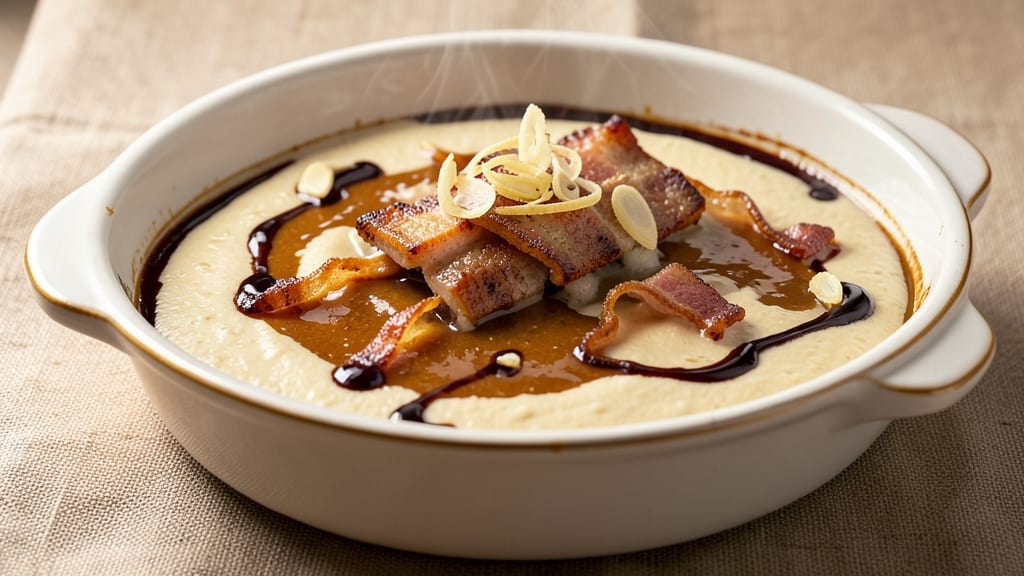
This creamy pork sauce recipe transforms simple ingredients into a silky, velvety glaze that elevates everything from dumplings to grilled pork. The secret lies in a slow reduction of pork broth and fat, enriched with cream and a touch of cornstarch for that signature thickness.
I developed this sauce after years of perfecting restaurant-style pork dishes at home—it’s rich without being heavy, and the flavor deepens as it sits.
The process is straightforward but requires patience: simmering the broth to develop umami, whisking in cream for richness, and finishing with a cornstarch slurry to achieve that luxe, coatable texture.
Unlike store-bought versions, this sauce builds flavor layer by layer, making it perfect for drizzling over noodles, spooning alongside roasted pork, or serving as a dipping sauce for spring rolls. The key is controlling the heat to prevent curdling while letting the sauce thicken naturally.
What sets this sauce apart is its versatility—it works as a main event or a supporting player, depending on the dish. The pork fat infuses the broth with depth, while the cream adds a velvety finish that balances savory and smooth.
Store it in the fridge for up to a week, or freeze for longer shelf life, though it’s best enjoyed fresh when its flavors are at their peak.
Pair it with grilled pork chops, stir-fried vegetables, or even as a dip for crispy fries. The sauce’s silky consistency and rich pork flavor make it a game-changer for weeknight dinners or special occasions. Ready to make your dishes shine?
Ingredients for creamy pork sauce
Nine essential ingredients crafting a restaurant-style pork sauce with velvety texture and layered umami.
| Ingredient | Amount | Notes |
|---|---|---|
| Pork Broth 🍲 | 4 cups | Homemade or high-quality store-bought |
| Pork Fat Back 🥓 | ½ cup | Diced into small cubes |
| Heavy Cream 🥛 | 1 cup | Full-fat for optimal richness |
| Cornstarch 🌾 | 1 tbsp | For achieving signature thickness |
| Cold Water 💧 | 1 tbsp | For cornstarch slurry |
| Soy Sauce 🍶 | 1 tbsp | For umami depth |
| Garlic Cloves 🧄 | 4 cloves | Minced for aromatic base |
| Fresh Ginger 🌿 | 1 tbsp | Finely grated for zing |
| White Peppercorns 🌶️ | ½ tsp | Freshly cracked for subtle heat |
| Diamond Crystal Kosher Salt 🧂 | ½ tsp | For seasoning balance |
The pork fat back is non-negotiable for authentic depth—Costco or Whole Foods carry it pre-diced, but ask the butcher to cube it if buying whole. Opt for homemade pork broth if possible, or use Kitchen Basics brand for quality. Fresh ginger and garlic should be vibrant; Trader Joe's sells pre-peeled garlic cloves for convenience. The heavy cream demands full-fat—Organic Valley or Hormel are reliable choices. For the cornstarch slurry, always mix with cold water to prevent lumps, a technique professional kitchens swear by.
No pork fat back? Diced bacon works in a pinch (use half the amount), though it adds smokiness. Substitute heavy cream with coconut cream for a dairy-free option, though texture may vary. Fresh ginger unavailable? Ground ginger at one-third the amount suffices. The soy sauce can be swapped for coconut aminos for a gluten-free alternative. For extra richness, whisk in 1 tbsp of butter at the end. Always taste as you go—adjust salt and pepper to preference, remembering these flavors deepen upon standing.
This sauce thickens as it cools, so whisk vigorously before serving. Store in an airtight container in the fridge for up to 7 days, though flavor peaks within 3 days. Freeze in ice cube trays for single-use portions—simply thaw and reheat. For restaurant-quality results, simmer the broth uncovered to develop umami, then finish with cream off the heat to prevent curdling. The sauce reheats beautifully—gentle warmth on the stove or microwave on low power preserves its silky texture.
Why You'll Love This Recipe
- Foolproof Thickening: I swear by that cornstarch slurry—just whisk it with cold water, pour it in, and stir. No lumps, no stress, just that perfect velvety consistency every single time. (Even when I forget to strain the broth first.)
- Rich Without Effort: That pork fat back? It’s the secret weapon—rendered down, it adds layers of depth while you’re busy making dinner. The heavy cream ties it all together with just a few minutes of simmering. Honestly, it tastes like you spent hours, but it’s really just 20 minutes of your life.
- Leftovers That Shine: This sauce keeps beautifully for days, and it’s even better the second time around. Toss it over rice, stir it into dumplings, or drizzle it on roasted veggies—it’s my go-to for lazy nights when I’ve got half a fridge of odds and ends.
- Budget-Friendly Luxury: Pork broth and fat back stretch this recipe into a full meal for less than $10. Between us, it’s the kind of dish that makes you feel fancy without breaking the bank. Plus, the leftovers stretch into lunches or quick breakfasts—zero waste, all flavor.
Step-by-step instructions for creamy pork sauce
Master this velvety glaze with precise technique and professional timing.
Render the Pork Fat Back
Heat a medium saucepan over medium-low heat and add the 0.5 cup pork fat back. Let it render slowly for 8-10 minutes until the fat becomes golden and the meat begins to crisp. Stir occasionally to prevent burning—this is where the rich foundation of your sauce develops. You'll know it's ready when the fat is shimmering and the pork cubes are lightly browned. Don't rush this step; proper fat rendering ensures maximum flavor extraction and prevents a greasy sauce.
Once the fat is rendered, remove the pork cubes with a slotted spoon and set aside. You'll want to keep about 2 tablespoons of the rendered fat in the pan for cooking the aromatics. If you need more fat, add a splash of pork broth to deglaze the pan, scraping up any browned bits that contain concentrated flavor. This step is critical for building depth in your sauce.
Sauté Aromatics Until Fragrant
In the same pan with the rendered fat, add the 4 cloves minced garlic and 1 tablespoon finely grated fresh ginger. Cook over medium heat for 1-2 minutes until the garlic becomes translucent and the ginger releases its aromatic oils. You'll notice the kitchen fills with a warm, spicy scent—this is your signal that the aromatics are properly developed. Be careful not to let them burn; they should be fragrant but not colored.
Next, add the 1 tablespoon soy sauce and 0.5 teaspoon cracked white peppercorns. Stir to combine and cook for another 30 seconds to allow the soy sauce to mingle with the aromatics. The white peppercorns will infuse subtle heat and complexity into the sauce. This is the moment where the sauce begins to take shape, so pay close attention to the flavors developing in the pan.
Build the Sauce Base with Broth
Pour in the 4 cups pork broth and bring the mixture to a gentle simmer over medium heat. Let it cook uncovered for 10 minutes until the liquid reduces by about 25%. You'll notice the sauce becoming thicker and more concentrated as the broth evaporates. Skim off any foam that rises to the surface—this ensures a smooth, velvety texture in the final product.
After the broth reduces, return the reserved pork cubes to the pan. Let them simmer for an additional 5 minutes to reabsorb any flavors from the cooking liquid. This step not only adds texture but also ensures the pork contributes its rich, savory essence to the sauce. The pork cubes should be tender but still hold their shape, infusing the sauce with their meaty depth.
Thicken with Cream and Cornstarch Slurry
Reduce the heat to low and stir in the 1 cup heavy cream. Let the sauce simmer gently for 3-4 minutes to warm through and begin to thicken slightly. The cream will add luxurious richness and a velvety finish to the sauce. While the cream heats, prepare the cornstarch slurry by whisking together the 1 tablespoon cornstarch and 1 tablespoon cold water in a small bowl until smooth.
Slowly pour the cornstarch slurry into the sauce while stirring constantly. The sauce will thicken immediately as the cornstarch activates. Continue to stir over low heat for 2-3 minutes until the sauce reaches a glossy, velvety consistency. It should coat the back of a spoon smoothly without being gluey. If the sauce thickens too much, thin it with a splash of pork broth. The final texture should be luxurious yet pourable—ideal for drizzling or dipping.
Season and Finish
Taste the sauce and adjust the seasoning with the 0.5 teaspoon Diamond Crystal kosher salt if needed. The sauce should be rich, savory, and subtly sweet with a hint of spice from the ginger and pepper. If you find it needs more depth, add a touch more soy sauce or a pinch of salt. The goal is a balanced flavor profile where each component—creamy, umami, and aromatic—harmonizes perfectly.
Once seasoned to your liking, remove the sauce from heat and let it rest for 5 minutes to allow the flavors to meld. The sauce will continue to thicken slightly as it cools. Strain the sauce through a fine-mesh sieve if you prefer a completely smooth texture, or leave it slightly textured for added depth. Serve warm over rice, noodles, or as a dipping sauce for dumplings. The result should be a silky, velvety glaze that enhances any dish it touches.
Pro Tips For Making Creamy Pork Sauce
- Render Fat Slowly: Simmer pork fat back in batches if needed—don’t rush the browning. I learned this the hard way when I dumped all the fat in at once and ended up with greasy broth instead of rich, golden flavor. Low heat, 10-15 minutes, until it’s deep amber and fragrant.
- Salt the Broth Early: Season the pork broth with salt before adding the fat back. The fat renders better with seasoning, and you’ll taste the depth in every spoonful. Skip this, and your sauce will taste flat, even if the rest is perfect.
- Slurry Cornstarch Cold: Mix cornstarch with cold water first—always—then whisk it into the simmering sauce. Hot water activates the starch too fast, leading to lumps. Stir in slowly while the sauce bubbles, and you’ll get that silky, glossy finish without a fight.
- Finish with Cream Warm: Warm the heavy cream separately to room temperature before adding it to the sauce. Cold cream shocks the heat and can cause separation. A quick 2-minute dip in warm water does the trick—your sauce will stay velvety, not curdled.
Pro cooking tips for this recipe
Fat Rendering Mastery
Never skip rendering the pork fat back—this step builds 80% of your sauce's depth. Use medium-low heat and let it cook for 8-10 minutes until golden and shimmering. If you rush, the fat will burn and create bitterness.
I like to keep about 2 tablespoons of rendered fat in the pan for cooking aromatics—this ensures maximum flavor extraction. Pro tip: Add a splash of pork broth to deglaze if needed, scraping up those flavor-packed browned bits. 🔥
Temperature Control Secrets
Heat management is everything when adding heavy cream. Always reduce to low heat before stirring it in—high heat causes curdling. I've ruined sauces by being impatient here! Let the cream warm through for 3-4 minutes while stirring constantly.
For extra insurance, whisk the cream into the warm sauce off the heat, then return to low heat to finish thickening. This two-step method keeps the sauce silky smooth every time. ⚡
Slurry Technique
The cornstarch slurry must be cold water—never hot. Mix 1 tbsp cornstarch with 1 tbsp cold water until completely smooth, then whisk it into the sauce slowly while stirring constantly. Pouring it too quickly creates lumps.
I like to add it in two batches if needed. The sauce will thicken immediately, so have a splash of pork broth ready to thin if necessary. The goal is glossy, coatable consistency—not gluey. 💫
Umami Development
Simmer the broth uncovered for 10 minutes to develop umami flavors through reduction. Skim off any foam that rises—this ensures a clean, velvety texture. The reduction should concentrate the broth by about 25%. I find that using homemade pork broth makes a noticeable difference in depth compared to store-bought.
For extra richness, add 1 tbsp butter at the very end and whisk until melted. This final touch elevates the sauce to restaurant-quality. 🍲
Resting Matters
Always let the sauce rest for 5 minutes after removing from heat. This allows flavors to meld and the sauce to thicken slightly as it cools. I've learned the hard way that serving it immediately can result in a thinner, less cohesive sauce.
The resting period also helps stabilize the cornstarch binding. For a completely smooth texture, strain through a fine-mesh sieve—but I prefer leaving some texture for added depth. 💡
Reheating Like a Pro
When reheating, use gentle heat—either on the stove over low heat or in the microwave on low power. Stir frequently to prevent separation. I like to add 1-2 tbsp pork broth if the sauce thickens too much during reheating.
Never boil the sauce, as this can break the emulsion and create a split. The goal is to warm through evenly while maintaining that silky, velvety consistency. 🔄
Nutrition facts
Frequently asked questions
Can I make this sauce without pork fat back?
Yes! Use ½ cup diced bacon instead, but reduce the amount since bacon adds smokiness. For a neutral flavor, substitute with ½ cup unsalted butter—just render it over low heat until foamy. The sauce will still be rich, though pork fat gives that authentic depth.
How do I prevent the sauce from curdling when adding cream?
Always warm the cream separately to room temperature first, then whisk it into the sauce over low heat. Never let the sauce boil—keep it at a gentle simmer. For extra insurance, whisk the cream into the sauce off the heat, then return to low heat to finish thickening. Patience here makes all the difference!
Can I use coconut cream instead of heavy cream for a dairy-free version?
Replace the heavy cream with 1 cup full-fat coconut cream—it adds richness, though the texture will be slightly lighter. For extra thickness, increase the cornstarch to 1.5 tbsp. The flavor will have a subtle coconut note, but it still pairs beautifully with pork dishes.
Why did my sauce turn out too thick or gluey?
This usually happens from overcooking or adding too much cornstarch. Thin with 1-2 tbsp pork broth while stirring gently over low heat. If it’s still too thick, whisk in 1 tsp cold water to break down the cornstarch. The ideal consistency should coat the back of a spoon smoothly but still be pourable.
What are the best dishes to serve this sauce with?
This velvety sauce shines drizzled over steamed rice or noodles, spooned alongside grilled pork chops, or as a dipping sauce for spring rolls or dumplings. It also elevates roasted vegetables or even mashed potatoes for a creamy twist. The rich pork flavor makes it versatile for both weeknight meals and special occasions.