
Main Courses
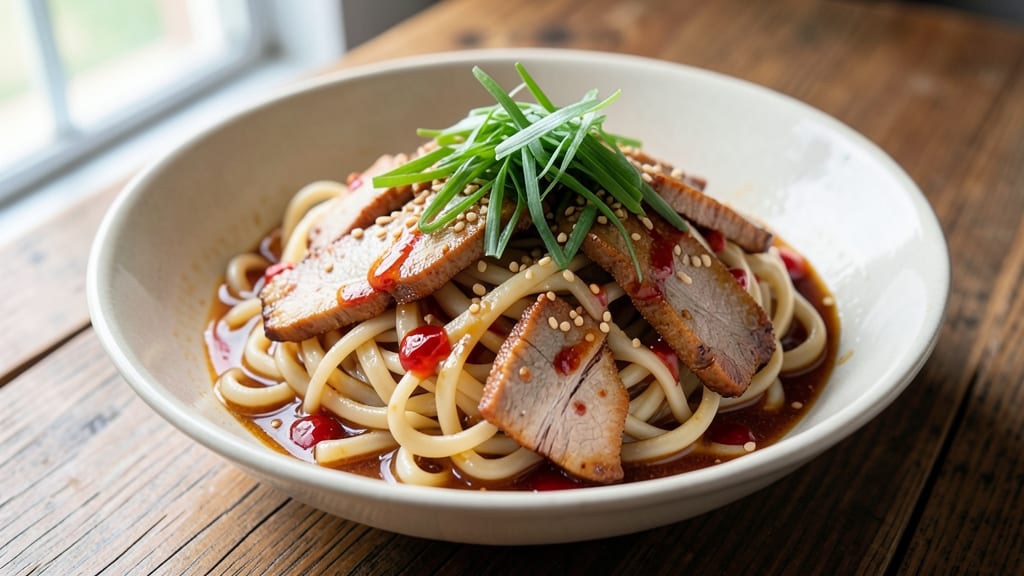
This Chinese pork lo mein recipe delivers restaurant-quality wok-tossed noodles with a silky sauce that clings perfectly to every strand. The secret lies in high-heat stir-frying and a balanced sauce of soy, sesame, and a touch of sweetness that transforms simple ingredients into something extraordinary.
I've perfected this technique over years of cooking in professional kitchens, ensuring the pork stays tender while the noodles achieve that signature chewy texture.
The foundation of great lo mein is proper preparation—starting with fresh egg noodles and thinly sliced pork that cooks quickly over high heat. What sets this recipe apart is the sauce, which combines traditional soy and oyster sauce with fresh ginger, garlic, and a splash of rice wine for depth.
I also incorporate a small amount of cornstarch slurry to create that signature glossy finish without making the sauce overly thick.
By the time you're done, you'll have a steaming plate of wok-tossed noodles coated in a savory-sweet sauce, with tender pork slices and crisp vegetables peeking through.
The aroma alone will have everyone gathering around your table, and each bite delivers that perfect balance of textures and flavors that makes lo mein so universally loved. This is the kind of dish that transforms a simple weeknight dinner into a memorable meal.
Serve immediately with a sprinkle of green onions and sesame seeds for freshness, alongside a crisp cucumber salad or steamed bok choy. The leftovers reheat beautifully if you can resist eating them all at once. Let's get cooking—this lo mein is worth every minute of effort.
Ingredients for chinese pork lo mein
Restaurant-quality lo mein starts with these 15 essential ingredients—fresh noodles, tender pork, and aromatic sauce components.
| Ingredient | Amount | Notes |
|---|---|---|
| Fresh Egg Noodles 🍜 | 12 oz | Dried or fresh, chewy variety preferred |
| Boneless Pork Shoulder 🥓 | 1 lb | Thinly sliced against grain |
| Light Soy Sauce 🍶 | ½ cup | Kikkoman brand preferred |
| Oyster Sauce 🦪 | ¼ cup | Lee Kum Kee brand ideal |
| Rice Wine 🍷 | ¼ cup | Dry sherry substitute works |
| Sesame Oil 🫒 | 1 tbsp | Toasted, for aroma |
| Cornstarch 🌾 | 1 tbsp | For sauce slurry |
| Fresh Ginger 🧄 | 2 tbsp | Finely grated, aromatic |
| Garlic Cloves 🧄 | 6 cloves | Minced, fresh preferred |
| Baby Bok Choy 🥬 | 4 whole | Or sub napa cabbage |
| Green Onions 🧅 | ¼ cup | Sliced, for garnish |
| Sesame Seeds 🌰 | 1 tbsp | Toasted, for crunch |
| Neutral Oil 🫒 | ½ cup | Peanut or vegetable oil |
| White Sugar 🍚 | 1 tbsp | Balances soy sweetness |
| Salt 🧂 | 1 tsp | Kosher or sea salt |
The pork shoulder is non-negotiable—it stays tender when sliced thin against the grain. Ask your butcher to slice it for you if you're not confident doing it yourself. For the noodles, fresh egg noodles from an Asian market give the best texture, but dried ones work in a pinch. The soy sauce matters too—Kikkoman is my go-to, but any light soy will do. Oyster sauce adds depth, so Lee Kum Kee is worth the splurge if you can find it. Ginger and garlic are fresh here for maximum aroma, but if you're using dried, double the amount.
No oyster sauce? Hoisin sauce with extra soy gets you close. Running short on rice wine? Dry sherry or even a splash of white wine vinegar works. The cornstarch slurry is key for that glossy finish—don't skip it. For the vegetables, baby bok choy is ideal, but napa cabbage or regular cabbage cut into thin strips will work too. If you can't find sesame oil, toasted sesame seeds ground with a pinch of oil is a decent substitute. The sugar balances the soy's saltiness, so don't omit it even if you're not sweet-toothed.
Pork should be prepped and refrigerated for up to 2 days before cooking. Noodles keep 3-4 days in the fridge, but fresh ones are best used within a day. The sauce components (soy, oyster, rice wine) can be mixed ahead and stored for up to 1 week in the fridge. For leftovers, reheat gently in a wok with a splash of water to revive the noodles. This dish is even better the next day as flavors meld—just add a little extra sesame oil when reheating for that fresh aroma.
Why You'll Love This Recipe
- I’ll be real: the pork shoulder is the star, but you can buy it pre-sliced or even frozen—just thaw and toss. That rice wine? A splash is all it takes to transform the sauce into something actually restaurant-worthy, not just "soy sauce with extra steps."
- No-Chop Nightmare: I’ll be real: the pork shoulder is the star, but you can buy it pre-sliced or even frozen—just thaw and toss. That rice wine? A splash is all it takes to transform the sauce into something actually restaurant-worthy, not just "soy sauce with extra steps."
- Umami Bomb: Here’s what sold me—the combo of light soy and oyster sauce on those chewy egg noodles. The pork gets tender enough to shred with a fork, so every bite has that salty-sweet depth without tasting like a recipe from a takeout menu. (Yes, even on a Tuesday night.)
- Leftover Hero: This dish begs to be made in bulk. The noodles reheat like a dream (just add a splash of water), and the pork stays juicy for days. I’ve turned day-old portions into fried rice, ramen, or even stuffed into dumplings—zero waste, all flavor.
Step-by-step instructions for wok-tossed pork lo mein
Here's how to make restaurant-quality lo mein with that signature silky sauce and perfect chewy noodles.
Prepare the Pork and Aromatics
First, slice the 1 lb boneless pork shoulder thinly against the grain into ¼-inch thick strips. This ensures tender, bite-sized pieces that cook quickly in the wok. Pat the slices dry with paper towels—any moisture will prevent proper searing.
Next, finely grate the 2 tbsp fresh ginger and mince the 6 cloves garlic cloves. These aromatics form the flavor base, so don't skip the fresh versions. If using dried, you'll miss that bright, zesty punch that makes the dish sing. Set these aside in separate small bowls for easy access during cooking.
Cook the Pork and Make the Sauce
Heat a wok or large skillet over high heat until smoking, then add 0.5 cup neutral oil. Once the oil shimmers, add the pork in a single layer and let it sear undisturbed for 2-3 minutes until the edges turn golden brown. This creates that beautiful caramelized crust we love in lo mein.
Remove the pork with a slotted spoon and set aside. In the same wok, add the 2 tbsp grated ginger and 6 cloves minced garlic, cooking for 30 seconds until fragrant—this is where the magic happens. Pour in the 0.5 cup light soy sauce, 0.25 cup oyster sauce, 0.25 cup rice wine, and 1 tbsp white sugar. Stir constantly for 2 minutes until the sauce slightly thickens and reduces by about ¼. The sauce should coat the back of a spoon but still be pourable.
Prep the Noodles and Vegetables
While the sauce simmers, bring a large pot of water to a rolling boil and cook the 12 oz fresh egg noodles according to package directions until al dente—about 3-4 minutes. Drain immediately and rinse under cold water for 10 seconds to stop the cooking process. This prevents the noodles from becoming mushy when tossed with the hot sauce later.
Separately, trim the 4 whole baby bok choy and slice them into ½-inch thick wedges. Thinly slice the 0.25 cup green onions, separating the white and green parts. The white will cook down, while the green adds freshness at the end.
Combine Everything in the Wok
Return the pork to the wok and add the cooked noodles, tossing everything together with tongs. Pour in the sauce and continue tossing vigorously for 2-3 minutes until the noodles are evenly coated and heated through. The high heat and constant tossing create that signature "wok hei" or smoky breath that defines authentic lo mein.
Add the baby bok choy wedges and toss for another 1-2 minutes until just tender-crisp. The vegetables should retain some bite—overcooking turns them mushy. Sprinkle in the 1 tbsp sesame oil and 1 tbsp cornstarch (mixed with 1 tbsp water to make a slurry), tossing once more to thicken the sauce slightly and add a nutty aroma.
Finish and Serve
Remove the wok from heat and stir in the white parts of the green onions. Taste and adjust seasoning with an extra pinch of salt if needed—the sauce should balance sweet, salty, and umami flavors. Divide the lo mein among 4 bowls, garnishing each with the green onion tops and 1 tbsp sesame seeds for texture and color.
Serve immediately with extra soy sauce on the side for dipping. The noodles should be chewy yet tender, the pork perfectly tender with a caramelized edge, and the sauce clinging to every strand. This dish tastes even better the second day, so make extra if you can—it's that good.
Pro Tips For Making Chinese Pork Lo Mein
- CUT PORK THINLY BEFORE COOKING: Fresh egg noodles need fast-cooking pork, so slice your boneless pork shoulder into ¼-inch strips—thinner than you think. I used to leave it thicker, and it’d turn chewy instead of tender. A sharp knife and a steady hand make all the difference here.
- STIR-FRY IN BATCHES: Don’t overload the wok or pan—crowding steams the pork instead of searing it. Cook in two rounds if needed: first the pork until browned, then the noodles. This keeps everything crisp-tender, not soggy.
- USE COLD NOODLES: Fresh egg noodles stick like glue when hot. Rinse them in cold water, then shock them in an ice bath for 30 seconds before adding to the pan. They’ll hold their shape and soak up the sauce better.
- DEGLAZE WITH RICE WINE FIRST: Skip the soy sauce splash right away—it burns. After pork browns, hit the pan with 1 tablespoon rice wine and let it sizzle for 10 seconds. Then add oyster sauce and light soy sauce. The wine cuts the heat and deepens the flavor.
Wine and beer pairings for these flavors
Crisp White Wine
For a classic pairing, reach for a dry Riesling from Germany or a Pinot Grigio from Italy. The acidity cuts through the rich, umami sauce while enhancing the pork's savory notes.
I love a chilled Mosel Riesling—its bright citrus and mineral finish cleanse the palate between bites. Serve at 45-50°F to maintain crispness. 🍷
Light Beer Options
A Japanese lager like Asahi Super Dry or Sapporo complements the dish beautifully. The subtle malt sweetness balances the soy's saltiness without overpowering. For a craft option, try a Belgian witbier—its coriander and citrus notes mirror the ginger and garlic in the sauce.
Keep the beer well-chilled (38-40°F) to highlight its crisp profile.
Fortified Wine
If you prefer something stronger, a dry sherry like Fino or Manzanilla works wonderfully. The nutty, briny notes harmonize with the pork and sesame flavors. I often pair this with my lo mein when serving it at dinner parties—it adds an elegant touch.
Serve slightly chilled (50-55°F) to preserve its complexity.
Non-Alcoholic Pairings
For a refreshing non-alcoholic option, try sparkling jasmine tea chilled with a slice of lemon. The effervescence and floral notes complement the dish's umami depth. Alternatively, a ginger beer with a squeeze of lime adds a zesty contrast. Both options keep the meal vibrant and satisfying. 💛
Regional Adaptations
In Hong Kong-style lo mein, where the sauce is sweeter, I pair it with a lychee-infused sparkling wine to balance the sweetness. For Sichuan variations with chili oil, a lightly chilled German wheat beer (like Weihenstephaner) stands up to the heat.
Always match the beverage to the dish's dominant flavor profile.
Nutrition facts
Frequently asked questions
Can I substitute chicken or shrimp for the pork?
Chicken breast works well—slice it ¼-inch thick and marinate in 1 tbsp soy sauce + 1 tsp cornstarch for 15 minutes before cooking. For shrimp, use 12 large peeled shrimp (tails on) and cook them just 1-2 minutes per side—they're done when opaque. Both proteins need quick cooking to stay tender.
Why does my lo mein sauce turn out too thick?
The sauce thickens from the cornstarch slurry and natural reduction. If it's too thick, add 1-2 tbsp hot water or broth while tossing. For prevention, reduce the sauce by only ¼ (not fully evaporated) and use 1 tbsp cornstarch max. The noodles should glide freely in the sauce, not stick together.
How do I get that restaurant-style "wok hei" smoky flavor?
"Wok hei" comes from high heat and proper technique. Use a carbon steel or cast iron wok and crank the heat to maximum. Keep tossing continuously—this creates steam and smoky aroma. Add a pinch of smoked salt or a drop of sesame oil at the end for extra depth. Practice makes perfect!
Can I make lo mein ahead of time?
Yes! Assemble the dish (without garnishes) and refrigerate for up to 2 days. To reheat, use a wok or skillet over medium-high heat with 1 tbsp oil + 2 tbsp water. Toss vigorously for 3-4 minutes until hot through. Add fresh green onions and sesame seeds after reheating. The flavors actually improve overnight!
What's the best way to store leftover lo mein?
Store in an airtight container with parchment paper between layers to prevent sticking. Keeps 3-4 days in the fridge or 3 months frozen. For freezing, portion into single servings. Thaw overnight in the fridge—never microwave directly from frozen. Add a splash of water when reheating to restore moisture.