
Main Courses
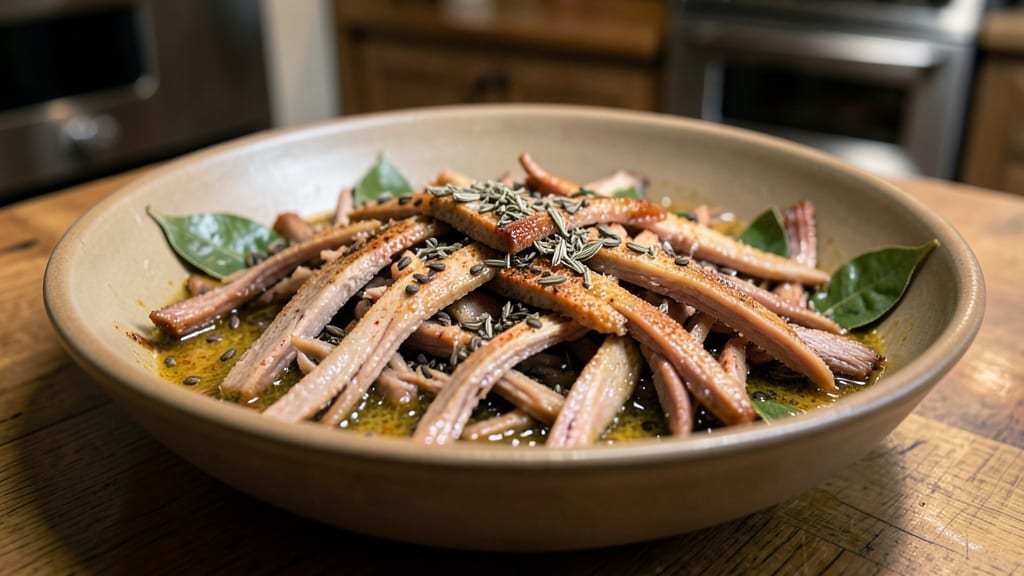
This Cuban mojo pulled pork recipe brings bold, citrusy flavors to your table with tender, fall-apart meat that's perfect for weekend gatherings. 🌟 I developed this method after years of perfecting slow-cooked pork with authentic Cuban seasoning, ensuring the marinade infuses deeply while keeping the cooking process accessible for home cooks.
The secret lies in the mojo marinade—a vibrant blend of garlic, citrus, and spices that transforms tough pork shoulder into melt-in-your-mouth perfection. This recipe works equally well in a slow cooker, oven, or smoker, giving you flexibility while delivering restaurant-quality results every time.
By the end, you'll have rich, flavorful pulled pork that pairs beautifully with rice, black beans, or Cuban bread. The citrus notes brighten the dish, while the garlic and spices create a complex, aromatic profile that's undeniably satisfying.
Whether you're serving a crowd or meal prepping for the week, this recipe delivers tender, juicy pork with minimal effort. Let's get started on creating this Cuban-inspired masterpiece!
Ingredients for cuban mojo pulled pork
Six ingredients transform tough pork into melt-in-your-mouth Cuban mojo perfection—bright, citrusy, and packed with smoky depth.
| Ingredient | Amount | Notes |
|---|---|---|
| Pork Shoulder (Bone-In) 🐖 | 4 lb | Tough cut for slow cooking |
| Orange Juice (Freshly Squeezed) 🍊 | 1 cup | Bright citrus flavor |
| Lime Juice (Freshly Squeezed) 🍋 | ½ cup | Acidic tang balance |
| Garlic Cloves 🧄 | 8 cloves | Freshly minced for aroma |
| Olive Oil 🫒 | ½ cup | Extra-virgin for richness |
| Cumin Seeds 🌿 | 1 tbsp | Toasted for depth |
| Ground Cumin 🌿 | 1 tbsp | Earthy base flavor |
| Dried Oregano 🍃 | 1 tbsp | Mexican oregano preferred |
| Smoked Paprika 🌶️ | 1 tbsp | For smoky depth |
| Bay Leaves 🌿 | 2 whole | Fresh for best flavor |
| Salt 🧂 | 1 ½ tsp | Kosher salt preferred |
| Black Peppercorns 🌶️ | 1 tsp | Freshly cracked |
| Brown Sugar 🍚 | 2 tbsp | Balances acidity |
| Adobo Sauce (Optional) 🌶️ | 2 tbsp | For extra smokiness |
The pork shoulder is non-negotiable—bone-in stays juicier than boneless. Grab the biggest cut you can find at Costco or your local butcher shop; they'll have the best marbling. For the citrus, freshly squeezed orange and lime juice makes all the difference—store-bought lacks brightness. If you're using a slow cooker, a 4-pound shoulder serves 6 comfortably. The garlic? Freshly minced is essential—jarred lacks the punch. Toast your cumin seeds in a dry pan for 30 seconds before grinding, and keep the bay leaves whole so you can remove them later.
No fresh citrus? Bottled orange juice works in a pinch, but add a splash of vinegar to mimic the acidity. Short on time? Pre-minced garlic from the jar is fine, but toast it first to deepen the flavor. The adobo sauce is optional but adds that authentic Cuban smokiness—Goya brand is my go-to. Want more heat? Add a pinch of cayenne or a dash of hot sauce. The brown sugar caramelizes during cooking, so don't skip it—it balances the acidity beautifully. For the spices, Mexican oregano (found in Latin markets) has a distinct flavor from regular oregano, but regular works too if that's all you've got.
This marinade keeps 5-7 days in the fridge, so make extra for tacos or sandwiches later. The cooked pork reheats beautifully—just add a splash of broth or marinade to keep it moist. Portion into freezer-safe containers for up to 3 months. Pro tip: Save the leftover marinade for brining chicken or tofu next time—it's too good to waste. The pork will be fork-tender after cooking, so plan ahead if you're serving a crowd.
Why You'll Love This Recipe
- One-Pot Magic: I swear by this recipe—just toss the pork shoulder in a Dutch oven with garlic, olive oil, and citrus, then let the slow cooker or oven do the rest. No chopping, no fussing, just hands-off perfection.
- Citrus Kiss: That bright, tangy mix of fresh orange and lime juice? It’s the secret weapon. The pork soaks up the acidity, giving it a juicy, slightly sweet bite that’s addictive—way better than dry, heavy pulled pork.
- Party Ready: I’ve served this at BBQs, potlucks, and even lazy Sundays. It’s the kind of dish that disappears fast—whether you’re feeding a crowd or just craving leftovers for sandwiches all week.
- Budget Hero: Pork shoulder is cheap, and this recipe stretches it far. A single roast feeds my family for days, and the citrus keeps it tasting fresh, not stale. Honestly, it’s my wallet’s best friend.
Step-by-step instructions for Cuban mojo pulled pork
Transform tough pork shoulder into fall-apart tender masterpiece with this citrusy garlic marinade.
👨🍳 Step 1: Build the Mojo Marinade
In a small saucepan, combine the 1 cup freshly squeezed orange juice and 0.5 cup freshly squeezed lime juice. Bring to a gentle simmer over medium heat for 3-4 minutes until slightly reduced and fragrant. This reduction concentrates the citrus flavors and removes some of the acidity that could make the meat tough.
While the juice reduces, toast the 1 tbsp cumin seeds in a dry skillet over low heat for 1-2 minutes until golden and aromatic. Let them cool slightly, then grind them with the 1 tbsp ground cumin using a mortar and pestle or spice grinder. This gives you that extra depth of flavor that comes from freshly toasted spices.
In a blender or food processor, combine the reduced citrus juice, toasted cumin mixture, 8 minced garlic cloves, 0.5 cup olive oil, 1 tbsp dried oregano, 1 tbsp smoked paprika, 2 whole bay leaves, 1.5 tsp salt, 1 tsp freshly cracked black peppercorns, and 2 tbsp brown sugar. Blend until completely smooth. If using, add the 2 tbsp adobo sauce for that extra smoky kick. Taste and adjust seasoning - you want it bright, tangy, and well-balanced.
🍳 Step 2: Marinate the Pork Shoulder
Place the 4 lb bone-in pork shoulder in a large resealable plastic bag. Pour the mojo marinade over the pork, making sure it's completely coated. Seal the bag and massage the marinade into the meat, working it into all the crevices and fat pockets. This ensures every bite gets that citrusy, garlicky flavor.
Refrigerate the pork for at least 4 hours, but I recommend marinating overnight for maximum flavor penetration. The acid in the citrus will begin breaking down the muscle fibers, which is what makes this cut so tender. Turn the bag occasionally to ensure even coating. The pork will develop a beautiful pinkish hue from the marinade - that's your visual cue that it's working!
🔥 Step 3: Cook the Pork Low and Slow
Preheat your smoker, grill, or oven to 250°F. If using a smoker, maintain a consistent temperature - fluctuations will affect cooking time. Place the marinated pork shoulder fat-side up on the grill grates or in your smoker. The fat will render down and baste the meat as it cooks, creating that beautiful bark we want.
Cook the pork for 6-8 hours until the internal temperature reaches 195-203°F and the meat is fork-tender. The bark should be dark and crispy, while the meat should pull apart easily with two forks. I like to check the temperature every hour after the first 3 hours - this is when the magic happens and the collagen begins to break down into gelatin.
Here's the thing - don't rush this step. The low and slow process is what transforms tough pork shoulder into melt-in-your-mouth pulled pork. If you're in a hurry, you can increase the temperature to 275°F after the first 4 hours, but it will take about 1.5 hours longer to reach the same tenderness.
⏰ Step 4: Rest and Shred the Pork
Once the pork reaches the target temperature, remove it from the heat and transfer to a cutting board. Let it rest for at least 30 minutes (I prefer 1 hour) before shredding. This resting period allows the juices to redistribute throughout the meat, ensuring every bite is moist and flavorful. Tent loosely with foil to keep it warm during this time.
When ready to shred, remove any large fat deposits and discard. Using two forks or a pair of tongs, pull the pork apart against the grain. You should get long, shredded strands that are tender but still hold their shape. If the pork is particularly tender, you can run it through a meat grinder or food processor for that classic pulled pork texture. Taste and adjust seasoning with a pinch of salt if needed - the marinade should have already done most of the work.
🍽️ Step 5: Serve with Classic Cuban Accompaniments
Serve the pulled pork immediately on soft rolls or over a bed of shredded cabbage slaw. The citrusy marinade pairs perfectly with the tangy slaw and crispy fried plantains. For extra moisture, spoon some of the juices from the cooking process over the top - these are packed with flavor from the bark and marinade.
This dish is even better the next day when the flavors have had time to meld together. Store leftovers in the refrigerator for up to 4 days or freeze for up to 3 months. The pulled pork reheats beautifully - just warm it gently in a skillet with a splash of water or broth to keep it moist. You'll end up with enough for sandwiches, tacos, or even a hearty Cuban-style stew!
Pro Tips For Making Cuban Mojo Pulled Pork
- USE BONE-IN PORK: The fat cap and bone keep the meat juicy—don’t trim it unless you’re desperate. I learned this the hard way after dry, stringy pork from a boneless cut, and now I pay extra for the bone-in shoulder.
- SIMMER NOT BOIL: Low and slow is the rule here, but don’t let the mojo sauce bubble hard. Keep it at a gentle simmer—like a lazy Sunday morning—so the citrus doesn’t turn bitter and the pork stays tender.
- ZEST THE ORANGES: Freshly squeezed juice is non-negotiable, but don’t skip the zest. A teaspoon of orange zest in the marinade adds depth—it’s the difference between good and wow.
- SAVE THE LIME PEELS: After juicing, rub the lime peels on the pork before cooking. The oils infuse better than just the juice, and it’s a flavor shortcut that takes 30 seconds. (Yes, even if you’re impatient like me.)
Troubleshooting perfect results
Pork Too Tough?
If your pork shoulder isn't tender enough after cooking, you likely didn't cook it long enough or at a consistent temperature. The magic happens between 195-203°F internal temperature—don't rush it! I've seen home cooks pull pork too soon, thinking it's done, only to find it chewy.
Use a meat thermometer and be patient. If you're short on time, try increasing the temperature to 275°F after the first 4 hours to speed up the process. 🔥
Marinade Not Infusing?
The marinade needs time to work its magic. If your pork isn't absorbing the citrusy flavors, try massaging the marinade into the meat more thoroughly and letting it sit for at least 12 hours (overnight is best).
The acid in the citrus breaks down the muscle fibers, so don't skip this step. Pro tip: Poke the pork with a fork a few times before marinating to help the marinade penetrate deeper.
If you're in a hurry, you can also use a meat tenderizer or a mallet to break up the fibers slightly before marinating.
Bark Not Forming?
A lack of bark usually means the pork didn't render enough fat or wasn't cooked long enough. Place the pork fat-side up on the grill or smoker, and let it cook uncovered for the first 2-3 hours to allow the fat to render and create that beautiful crust.
If your smoker isn't hot enough, the bark won't form properly. Aim for a consistent 250°F and keep the lid closed to maintain heat. If you're using an oven, place a pan of water on the bottom rack to add moisture and help the bark develop.
Dry or Stringy Pork?
Overcooking or not resting the pork properly can lead to dry, stringy meat. Once the pork reaches 195-203°F, remove it from the heat and let it rest for at least 30 minutes (I prefer 1 hour). This resting time allows the juices to redistribute, keeping the meat moist.
If your pork is still dry after resting, try adding a splash of the cooking juices or a bit of broth when reheating. Avoid cutting into the pork too soon—patience is key here! 💫
Marinade Too Acidic?
If the marinade is too acidic, it can make the pork tough. To balance the acidity, reduce the citrus juice slightly before blending it into the marinade (as mentioned in the recipe).
You can also add a pinch of baking soda to the marinade to neutralize some of the acidity, but use it sparingly—too much can make the meat mushy. Taste the marinade before applying it to the pork to ensure it's well-balanced.
If you're short on time, you can also marinate the pork for a shorter period (at least 4 hours) to reduce the acid's impact.
Smoker Temperature Fluctuating?
Inconsistent temperatures can ruin your pulled pork. If your smoker isn't maintaining a steady 250°F, try adding more wood chips or charcoal to stabilize the heat. I recommend using a smoker with a built-in thermometer or investing in a separate meat thermometer to monitor the temperature accurately.
If you're using an oven, preheat it thoroughly and avoid opening the door frequently, as this can cause temperature drops. A consistent temperature is crucial for even cooking and tender meat. 🌡️
Nutrition facts
Frequently asked questions
Can I use boneless pork shoulder instead of bone-in?
You can, but bone-in pork stays juicier and more flavorful because the bone helps retain moisture during cooking. If using boneless, expect slightly faster cooking time (5-6 hours instead of 6-8 hours) and monitor closely to avoid drying out. For best results, trim excess fat and use a meat thermometer to hit 203°F internal temp.
What's the best way to reheat leftover pulled pork?
Reheat gently in a skillet over low heat with a splash of water or broth to keep it moist—never microwave dry. For extra flavor, add a spoonful of the original marinade or cooking juices. Leftovers reheat beautifully for 3-4 days in the fridge or up to 3 months frozen. Pro tip: Store in airtight containers with some juices to prevent drying.
Can I make this in an Instant Pot instead of slow-cooking?
Use the Sauté function to sear the pork, then cook on Low for 8-9 hours or High for 5-6 hours with 1 cup liquid (broth or marinade). The pressure cooker speeds up the process while keeping the meat tender. Just shred carefully—it'll be extra tender! For best results, finish with a quick broil to crisp the bark.
How do I adjust the marinade for spicier flavor?
Add 1-2 tbsp hot sauce or ½ tsp cayenne pepper to the marinade for heat. For smoky kick, increase smoked paprika to 2 tbsp or add 1 tbsp chipotle powder. If you love fire, blend in 1-2 habanero peppers (seeds removed for less heat) with the citrus juice. Always taste and adjust—Cuban flavors balance heat with brightness!
What's the ideal serving size for this recipe?
A 4 lb pork shoulder yields about 12-16 servings (¼-⅓ cup per person). Plan for ½ cup pulled pork per sandwich or ⅓ cup per bowl with rice/beans. For parties, double the recipe—it freezes beautifully! Leftovers make great tacos, nachos, or Cuban-style "ropa vieja" (shredded pork stew).