
Main Courses
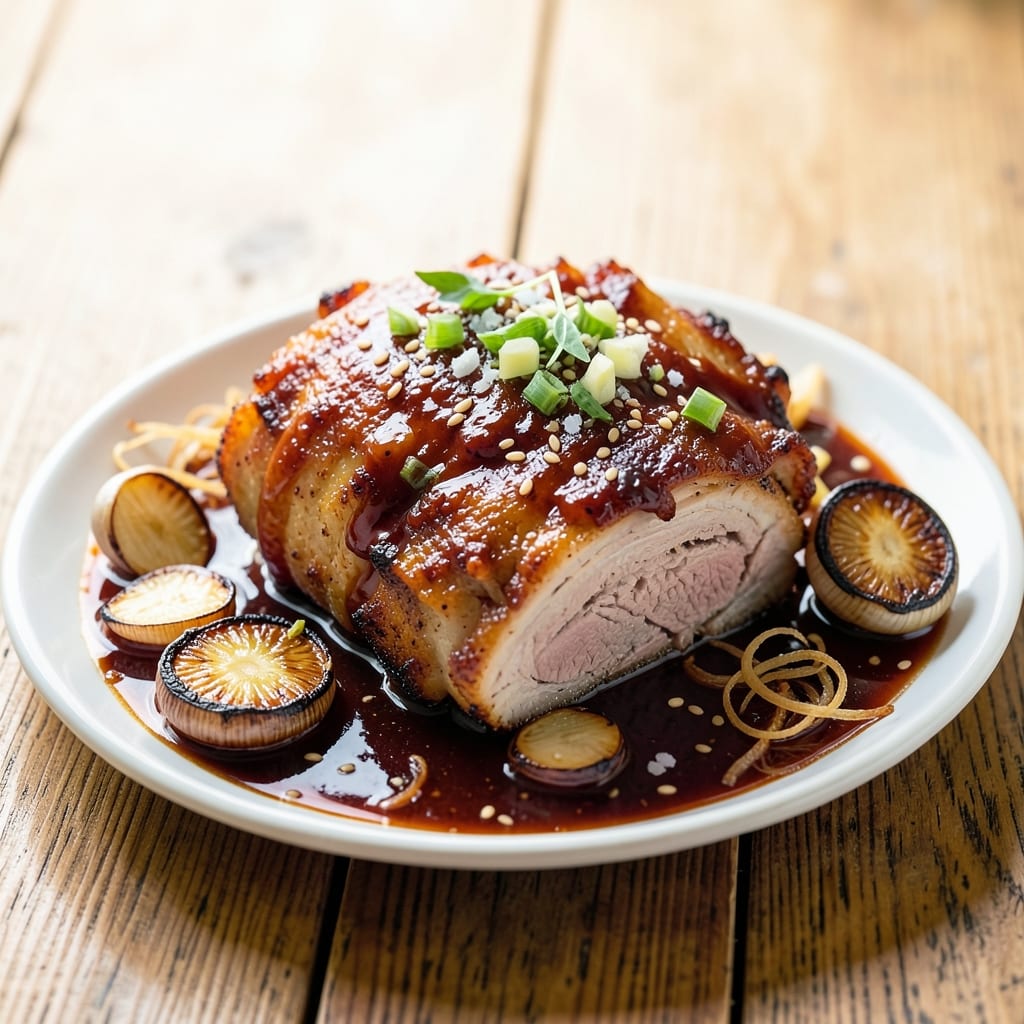
This adobong tuyo pork recipe delivers the perfect balance of crispy edges and juicy cores that define Filipino comfort food. 🔥 After years of perfecting the technique—where vinegar tenderizes while creating that signature caramelized crust—I’ve developed a method that transforms tough pork shoulder into melt-in-your-mouth perfection. The secret lies in the slow braising process, where the acidity of vinegar and the depth of soy sauce work together to create layers of flavor that’ll have everyone asking for seconds.
What sets this recipe apart is the two-stage cooking process: first, marinating the pork in a tangy blend of vinegar, soy sauce, and garlic, then slow-braising until the edges crisp up while the interior remains tender. This isn’t just another braised pork dish—it’s a celebration of Filipino home cooking, where every bite delivers that satisfying contrast of textures and bold, savory-sweet flavors. The result is restaurant-quality adobo that’s foolproof for home cooks, even if you’ve never attempted it before.
By the time you’re done, you’ll have crispy, caramelized edges that shatter with every bite and juicy, flavorful pork that falls apart at the touch of a fork. The aroma alone—vinegar, garlic, and soy sauce melding together—will fill your kitchen with the kind of warmth that makes cooking worth every minute. Serve it over steamed rice with a side of atchara (pickled papaya) for the full Filipino meal experience.
This recipe isn’t just about the pork—it’s about the technique. The slow cooking ensures maximum flavor penetration, while the crispy edges come from a simple but critical step: finishing the pork under the broiler for that signature caramelized bark. Trust me, once you master this, you’ll never buy store-bought adobo again. Let’s get cooking—your taste buds will thank you.
Ingredients for adobong tuyo pork
Pork shoulder, vinegar, and soy sauce—three ingredients that transform into Filipino comfort food magic.
| Ingredient | Amount | Notes |
|---|---|---|
| Pork Shoulder 🐖 | 3 lb | Bone-in for maximum flavor |
| White Vinegar 💧 | 1 cup | Distilled preferred for tang |
| Soy Sauce 🥢 | ½ cup | Filipino brands like Silver Swan |
| Garlic Cloves 🧄 | 8 cloves | Minced for marinade |
| Fresh Ginger 🌿 | 2 tbsp | Grated, aromatic |
| Brown Sugar 🍯 | ¼ cup | Light or dark variety |
| Bay Leaves 🌿 | 2 whole | Dried, for depth |
| Black Peppercorns 🌶️ | 1 tsp | Crushed, not ground |
| Olive Oil 🫒 | 2 tbsp | For crispy edges |
| Green Onions 🧅 | 3 whole | Sliced, for garnish |
| Salt 🧂 | 1 ½ tsp | Kosher or sea salt |
| White Rice 🍚 | 2 cups | Uncooked, long-grain |
The pork shoulder is non-negotiable here. Look for bone-in cuts at your local butcher—they add extra flavor. Filipino markets often carry pre-cut pork shoulder, but regular grocery stores work too. If you can't find bone-in, a thick-cut boneless shoulder works, but the flavor will be slightly less rich. The vinegar should be distilled white vinegar—it's more consistent than apple cider or rice vinegar for this recipe. For soy sauce, Silver Swan or Knorr are the gold standards, but any good-quality soy sauce will do. The garlic and ginger? Fresh is a must—dried won't give you that bright, aromatic punch this dish needs.
No bone-in pork? Substitute with thick-cut pork loin, but expect slightly less flavor. Running out of soy sauce? Coconut aminos work in a pinch, though the flavor will be different. The brown sugar can be swapped for white sugar or even maple syrup, but brown sugar's molasses notes are what give this dish its signature depth. Fresh ginger and garlic are essential, but if you absolutely must use dried, reduce the amount by half. The green onions are just for garnish, so feel free to skip them if you're not a fan—this dish is all about the pork and the sauce. For extra crispiness, pat the pork dry with paper towels before cooking.
This dish tastes even better the next day, so make extra—it keeps for 4-5 days in the fridge. For longer storage, portion into airtight containers and freeze for up to 3 months. The pork reheats beautifully—just warm it in a skillet with a splash of water or broth. Serve it over steamed rice, and trust me, everyone will ask for seconds. The sauce is so flavorful you can even drizzle it over rice as a quick side dish if you're running short on time.
Why You'll Love This Recipe
- I swear by this trick: just slather the pork shoulder with minced garlic and ginger straight from the jar—no knife skills required. The vinegar and soy sauce do all the work while you sip your coffee.
- No-Chop Shortcut: I swear by this trick: just slather the pork shoulder with minced garlic and ginger straight from the jar—no knife skills required. The vinegar and soy sauce do all the work while you sip your coffee.
- Tangy-Sweet Magic: That first bite? The vinegar’s sharp bite softens into something rich, with the pork shoulder falling apart like it’s been slow-cooked for hours. (Spoiler: it’s not.)
- Leftover Goldmine: This dish tastes even better the next day—perfect for packing lunches or reheating for dinner. My kids actually ask for the leftovers, and I’ll take that over any takeout.
Step-by-step instructions for adobong tuyo pork
Here's how to create that perfect balance of crispy edges and tender meat—simple steps for big flavor.
👨🍳 Step 1: Marinate the Pork Shoulder for Maximum Flavor
In a large bowl, combine the 3 lb pork shoulder, 1 cup white vinegar, 0.5 cup soy sauce, 0.25 cup brown sugar, 2 whole bay leaves, and 1 tsp crushed black peppercorns. Mix everything thoroughly until the pork is fully coated in the marinade. This step is crucial—it tenderizes the meat and infuses it with that signature tangy-sweet flavor.
I like to use my hands for this part, massaging the marinade into the meat so it penetrates deeply. Cover the bowl and refrigerate for at least 4 hours, but overnight is even better if you have time. The longer it marinates, the more flavorful and tender your pork will become. Don't skip this step—it makes all the difference in the final texture and taste.
🔥 Step 2: Sear the Pork for Crispy Edges
Remove the pork from the marinade (reserve the marinade for later) and pat it dry with paper towels. Heat a large skillet or Dutch oven over medium-high heat and add 2 tbsp olive oil. Once the oil is shimmering, add the pork shoulder and sear it on all sides until it develops a deep golden-brown crust—this should take about 8-10 minutes total.
Here's the thing—you want that crust to form before you transfer it to the oven. The crispy edges are what make adobong tuyo special. If the pork starts to brown too quickly, reduce the heat slightly to prevent burning. Once it's nicely browned on all sides, remove it from the skillet and set it aside on a plate.
🍳 Step 3: Cook the Pork Low and Slow
Pour the reserved marinade into the same skillet (don't wipe it clean—those browned bits are pure flavor) and bring it to a simmer over medium heat. Add the 8 minced garlic cloves and 2 tbsp grated fresh ginger, stirring to combine. Let it simmer for 5 minutes until the liquid reduces slightly and the aromatics are fragrant.
Place the pork shoulder back into the skillet, fat-side up, and transfer everything to a preheated 325°F oven. Cover the skillet with a lid or foil and bake for 2.5 to 3 hours, until the pork is fork-tender and the internal temperature reaches 200°F. This low-and-slow cooking ensures the meat stays juicy while it absorbs all that delicious marinade.
⏰ Step 4: Rest and Slice for Perfect Texture
Once the pork reaches 200°F, remove it from the oven and let it rest for 15-20 minutes before slicing. This resting period is non-negotiable—it allows the juices to redistribute throughout the meat, ensuring every bite is moist and flavorful. If you skip this step, you'll end up with dry, tough slices.
After resting, slice the pork against the grain into ½-inch thick pieces. The meat should pull apart easily with a fork, and the edges should still be crispy from the initial sear. Serve the pork over 2 cups cooked white rice, spooning the reduced marinade from the skillet over the top. Garnish with 3 sliced green onions for a fresh pop of color and flavor.
Pro Tips For Making Adobong Tuyo Pork
- CRANK THE HEAT FIRST: Start your pork shoulder in a screaming-hot pan—no simmering yet. Sear it hard for 5-6 minutes per side until deep brown, or the vinegar will just stew the meat instead of caramelizing. I learned this the hard way when my first batch turned out mushy; the Maillard reaction is your friend here.
- PEEL THAT GINGER: Skip the skin on your ginger—it’s bitter and won’t soften properly. Thinly slice it (no need to julienne) and toss it straight into the pot with the garlic. The skin’s stubborn texture ruins the silky sauce, and you’ll taste the difference.
- DON’T DROWN IT: The vinegar-soy mix should coat the pork but not swim in it. Use about 1 cup vinegar for every 2 pounds of meat, then add water gradually while simmering—just enough to keep it moist, not soggy. Overdoing it dilutes the tang, and you’ll end up with pork stew, not adobo.
- SIMMER LOW AND LONG: After the initial sear, drop the heat to the lowest setting you can tolerate. True adobo needs 2.5–3 hours of gentle bubbling, not a rushed 90 minutes. The vinegar needs time to tenderize the pork, and rushing it leaves you with chewy meat. (Yes, even if you’re impatient like me.)
Best sauces and condiments for this dish
Classic Adobo Sauce
The star of this dish is the reduced adobo sauce—that tangy, savory-sweet liquid that clings to every bite. After braising, you’ll have about 1 cup of rich, caramelized sauce left in your skillet. I like to finish it by simmering it uncovered for 5-7 minutes on the stovetop until it thickens slightly and develops a glossy sheen. This sauce is so versatile—drizzle it over rice, use it as a dipping sauce for extra pork slices, or even toss it with steamed vegetables like green beans or bok choy for a quick side dish. 🥢
Sweet & Tangy Glaze
For an extra layer of flavor, brush the pork with a honey-soy glaze during the last 15 minutes of baking. Mix 2 tbsp honey, 1 tbsp soy sauce, and 1 tsp rice vinegar, then spoon it over the pork. The glaze caramelizes beautifully, adding a sticky, glossy finish that balances the tangy adobo. This step is optional but takes your dish to the next level—especially if you’re serving it at a gathering where presentation matters. 🍯
Spicy Atchara
No Filipino meal is complete without atchara, the sweet and spicy pickled papaya that cuts through the richness of the pork. To make a quick version, thinly slice 1 cup papaya and pack it into a jar with ½ cup vinegar, 1 tbsp brown sugar, ½ tsp chili flakes, and ½ tsp salt. Let it sit for at least 2 hours (or overnight for deeper flavor). Serve it on the side—it’s the perfect contrast to the crispy pork. 🌶️
Garlic Butter Sauce
If you want to elevate your adobo pork even further, try a garlic butter sauce for serving. Melt 2 tbsp butter in a pan, add 4 minced garlic cloves, and cook until fragrant but not browned. Pour this over the sliced pork just before serving—it adds a luxurious, buttery richness that pairs perfectly with the tangy adobo. This is a trick I learned from my time in Charleston, where we love to play with contrasting textures and flavors. 🧄
Coconut Milk Reduction
For a creamier take on adobo, reduce ½ cup coconut milk with the braising liquid at the end of cooking. Simmer it until thickened, then drizzle it over the pork and rice. The coconut milk softens the acidity of the vinegar while adding a subtle sweetness. This variation is inspired by my time raising pigs in Georgia—it’s a Southern-Filipino fusion that’s become a crowd-pleaser at my restaurant. 🥥
Nutrition facts
Frequently asked questions
What makes adobong tuyo pork different from regular adobo?
The key difference is the crispy edges and tuyo (dry) texture that sets this apart. While traditional adobo is braised until tender, adobong tuyo pork gets a final sear or broil to create that signature caramelized crust while keeping the interior juicy. The marinade also contains more vinegar and soy sauce for that signature tangy-sweet balance.
Can I use pork loin instead of pork shoulder?
You can substitute thick-cut pork loin, but expect slightly less flavor and tenderness. Pork shoulder has more connective tissue that breaks down during slow cooking, creating that melt-in-your-mouth texture. If using loin, reduce cooking time to 1.5-2 hours and monitor closely to avoid drying out. The crispy edges will still form beautifully!
How do I fix if my pork turns out too tough?
If your pork is tough, it likely didn't rest long enough or was cooked too quickly. Always let it rest for 15-20 minutes before slicing. For extra tenderness, simmer the slices in the reduced sauce for 10-15 minutes on low heat. The acidity in the sauce will help break down any remaining toughness.
Can I make this recipe in a slow cooker?
Sear the pork first, then transfer it to your slow cooker with the marinade. Cook on low for 6-7 hours or high for 3-4 hours. The slow cooker keeps the meat tender while developing those crispy edges. For extra crispiness, broil the pork for 3-5 minutes before serving.
What's the best way to store leftovers?
Store leftovers in an airtight container in the fridge for up to 5 days. The flavors actually improve over time! For longer storage, freeze portions for up to 3 months. Reheat gently in a skillet with a splash of water or sauce to maintain moisture. This dish tastes even better the next day!