
Main Courses
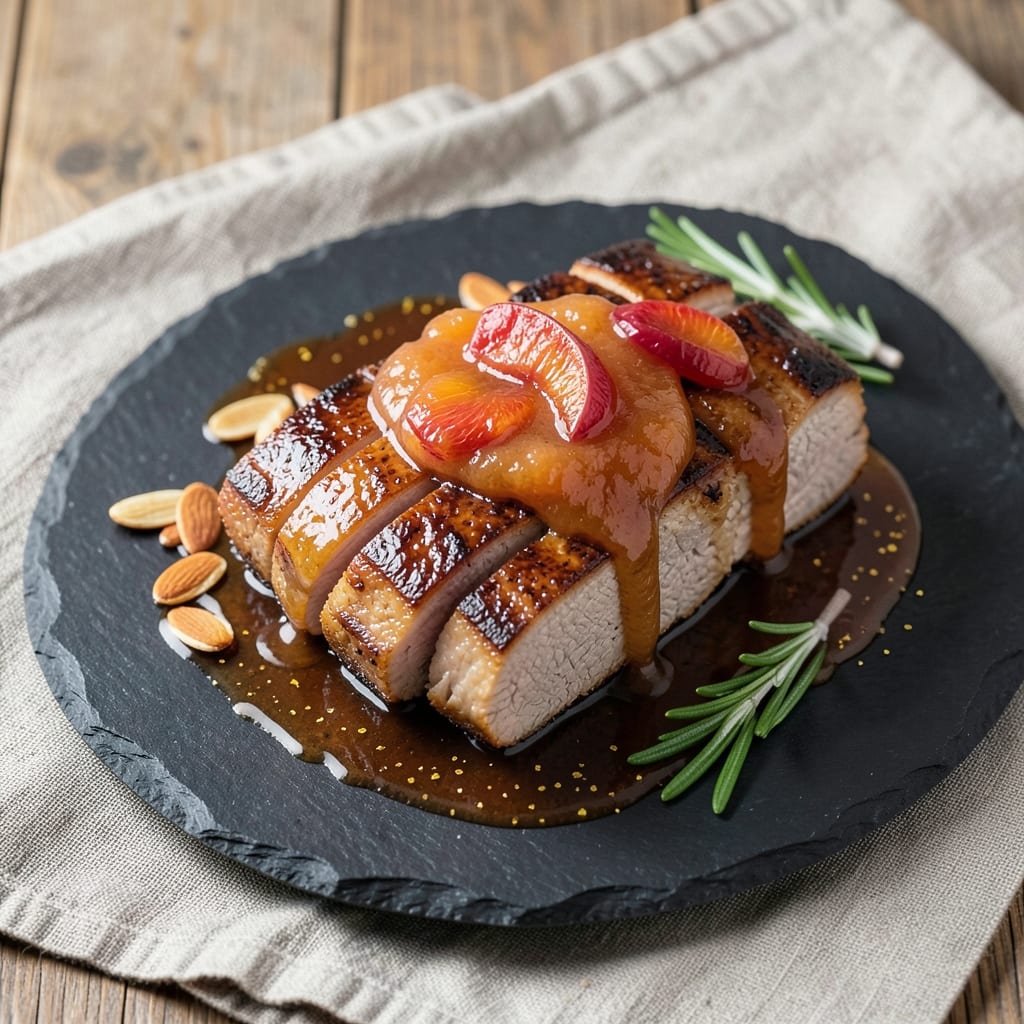
This apricot pork loin recipe transforms simple ingredients into a restaurant-worthy centerpiece with a caramelized glaze that balances sweet and tart perfectly. After years of perfecting this dish at The Smoky Pig, I can tell you the secret lies in reducing the apricot mixture until it becomes a thick, syrupy sauce that clings to the meat without overwhelming its natural flavor. The first time I served this at a family gathering, my grandmother declared it "the best pork I've had since your granddaddy's kitchen"—high praise indeed.
The technique is straightforward but critical: sear the pork loin to lock in juices before basting with the apricot reduction as it roasts. This creates those coveted caramelized edges while keeping the interior tender and moist. I like to use a mix of fresh apricots and apricot preserves for depth, but a good-quality jam works in a pinch—just be sure to reduce it long enough to achieve that perfect consistency. The glaze isn't just sweet; it's tangy from the apricots' natural acidity, cutting through the richness of the pork.
What you'll end up with is a juicy, flavorful pork loin that's elegant enough for dinner parties but simple enough for weeknights. The glaze caramelizes beautifully, creating pockets of sweetness that contrast with the savory meat. Serve it alongside roasted root vegetables or a crisp green salad to balance the richness, and you've got a dish that feels special without requiring hours in the kitchen. This is the kind of pork recipe that makes people ask for seconds—and then ask for the recipe.
For those who love to experiment, try adding a splash of balsamic vinegar to the glaze for extra depth, or a pinch of cinnamon for warmth. The possibilities are endless, but the foundation remains the same: tender pork, perfectly balanced glaze, and a technique that delivers restaurant-quality results at home. Let's get cooking—your taste buds will thank you.
Ingredients for apricot pork loin
Simple ingredients that deliver restaurant-quality pork with a sweet-tart glaze.
| Ingredient | Amount | Notes |
|---|---|---|
| Boneless Pork Loin 🐖 | 2 lb | Center-cut for even cooking |
| Fresh Apricots 🍑 | 1 lb | Pitted and halved |
| Apricot Preserves 🍯 | ½ cup | High-quality jam preferred |
| Balsamic Vinegar 🍶 | 2 tbsp | For depth of flavor |
| Honey 🍯 | 2 tbsp | Wildflower for extra richness |
| Olive Oil 🫒 | 2 tbsp | Extra-virgin for searing |
| Garlic Cloves 🧄 | 4 cloves | Minced for aromatic base |
| Fresh Rosemary 🌿 | ½ tsp | Chopped, for herbaceous notes |
| Salt 🧂 | 1 ½ tsp | Kosher salt preferred |
| Black Pepper 🌶️ | ½ tsp | Freshly ground for heat |
| Ground Cinnamon 🌶️ | ¼ tsp | Optional for warmth |
| Orange Zest 🍊 | 1 tsp | Brightens the glaze |
| Fresh Thyme Leaves 🌿 | ¼ tsp | For earthy balance |
The pork loin is the star here, so center-cut pieces are a must—they stay juicier during roasting. I always grab mine from Whole Foods or a trusted butcher, where they can trim it perfectly. For the apricots, fresh is ideal (those vibrant, juicy ones at Trader Joe's in summer), but a good-quality jam like Bon Appétit works in a pinch—just make sure it's not overly thick or watery. The apricot preserves should be the kind with fruit pieces, not just puree. Fresh herbs like rosemary and thyme make all the difference, so grab them from the grocery store's produce section and use them within a few days for maximum flavor. If you can't find fresh, dried works at one-third the amount.
No fresh apricots? Substitute with peaches or plums—they bring a similar sweet-tart balance. Running low on balsamic? Apple cider vinegar adds brightness, though it lacks the depth. The honey can be swapped for maple syrup if you prefer, but I find wildflower honey adds that extra layer of complexity. For the glaze, if you want to experiment, try adding a pinch of cinnamon or cardamom for warmth. The orange zest is non-negotiable though—it cuts through the sweetness beautifully. If you're short on time, a squeeze of fresh orange juice works too, but zest gives that professional touch. Always taste as you go; the glaze should be thick enough to coat the back of a spoon but still flow freely when brushed on the pork.
This pork keeps beautifully—3-4 days in the fridge if stored properly. Wrap it tightly in foil and refrigerate to maintain moisture. For leftovers, reheat gently in the oven with a splash of water to prevent drying out. The glaze reheats well too, so you can drizzle it over the pork or use it as a sauce for roasted vegetables. If you're prepping ahead, make the glaze a day in advance and store it in an airtight container—it actually tastes better after the flavors meld. The pork loin itself can be prepped the night before; just pat it dry and let it sit at room temperature for 30 minutes before searing to ensure even cooking. Trust me, the extra effort is worth it for that perfect caramelized crust.
Why You'll Love This Recipe
- One-Pan Magic: I swear by this—just toss everything on a sheet pan, roast, and walk away. The pork caramelizes while the apricots soften, and honestly? No extra pots, no extra stress.
- Sweet-Savory Balance: That balsamic and honey glaze? It’s where things get good. The fresh apricots add juicy bursts, while the preserves create this sticky, tangy crust that makes every bite irresistible.
- Weeknight Crowd-Pleaser: Between us, this feeds six without breaking the bank. I’ve served it at dinner parties, potlucks, and lazy Sundays—always gets raves. The leftovers? Even better reheated.
- Budget-Friendly Luxury: Pork loin stays affordable, and apricots in season (or preserves) stretch the flavor. It’s fancy enough for company but simple enough to make when you’re not. My secret weapon for looking like you tried.
Step-by-step instructions for apricot pork loin with sweet-tart glaze
Here's how to transform simple ingredients into a restaurant-worthy dish with caramelized edges and tender meat.
Prepare the Pork Loin and Glaze Components
Pat the 2 lb boneless pork loin completely dry with paper towels—this is crucial for that perfect caramelized crust. Place it on a cutting board and make a few shallow slashes across the surface (about ¼-inch deep) to help the glaze penetrate later. Rub the pork with 1.5 tsp salt, 0.5 tsp black pepper, and 0.25 tsp ground cinnamon, pressing the spices into the meat so they adhere well.
In a small bowl, whisk together 0.5 cup apricot preserves, 2 tbsp honey, 2 tbsp balsamic vinegar, 1 tsp orange zest, and 0.25 tsp fresh thyme leaves until smooth. Set aside—this will become our signature glaze. Meanwhile, pit and halve the 1 lb fresh apricots and set them aside for later.
Sear the Pork Loin for Maximum Flavor
Heat a large oven-safe skillet over medium-high heat and add 2 tbsp olive oil. Once the oil shimmers, carefully add the pork loin and sear for 3-4 minutes per side until it develops a deep golden-brown crust. I like to press down gently on the pork during the first minute—this prevents it from curling and ensures even contact with the pan.
Remove the pork from the skillet and transfer it to a plate. You'll notice the edges are already forming a beautiful caramelized layer—that's your first indication of success. Keep the skillet on the heat; we'll use it again for the next step.
Build the Glaze and Caramelize the Apricots
To the same skillet, add the 4 minced garlic cloves and 0.5 tsp chopped fresh rosemary. Sauté for 30 seconds until fragrant—don't let the garlic burn, or it will turn bitter. Pour in the apricot glaze mixture and stir to combine with the garlic and rosemary. Let it simmer for 2-3 minutes until it begins to thicken slightly.
Add the halved apricots to the skillet and cook for another 2 minutes, stirring occasionally. You'll see the apricots begin to soften and release their juices, which will help create a glossy, caramelized glaze. This is where the magic happens—the natural sugars in the apricots will caramelize along with the glaze, creating that beautiful sweet-tart balance we're after.
Finish the Pork Loin in the Oven
Return the pork loin to the skillet, spooning the apricot glaze mixture evenly over the top. Transfer the skillet to a 400°F preheated oven and roast for 20-25 minutes, or until the internal temperature reaches 145°F when measured with a meat thermometer. The glaze should bubble and caramelize beautifully, forming a glossy, sticky coating on the pork.
Here's the thing—don't overcook the pork. It's easy to walk away and forget, but pork continues cooking even after you remove it from the oven. The 145°F mark ensures it's perfectly tender and juicy. If you're unsure, cut into a small piece—it should be slightly pink in the center with clear juices.
Rest and Serve with Perfect Glaze
Remove the pork from the oven and let it rest on a cutting board for 10-15 minutes before slicing. This resting period is critical—it allows the juices to redistribute throughout the meat, ensuring each slice is moist and flavorful. While it rests, spoon any extra glaze from the skillet over the top of the pork to keep it glossy and appetizing.
Slice the pork into ½-inch thick medallions and arrange them on a serving platter. Drizzle any remaining glaze from the skillet over the top and garnish with the caramelized apricot halves. Serve immediately with your choice of sides—roasted vegetables, mashed potatoes, or a fresh salad all pair beautifully with this dish. The contrast of the sweet-tart glaze with the savory pork is what makes this recipe truly special.
Pro Tips For Making Apricot Pork Loin
- Trim the Fat First: Pork loin can be deceptively fatty—run your knife along the surface to score and lift off any silver skin or excess fat before seasoning. I learned this the hard way when my first batch had chewy bits; the fat doesn’t render out as nicely when left on. ---
- Halve Those Apricots: Slice fresh apricots in half and pit them before searing the pork—this way, they cook faster and release juices that caramelize with the balsamic. I used to toss them in whole, and they’d turn to mush while the pork stayed dry. ---
- Deglaze Aggressively: After searing the pork, don’t just splash in the balsamic—scrape up every browned bit from the pan with a wooden spoon first. That’s where the flavor lives, and skipping it means a dull sauce. (Yes, even if you’re impatient like me.) ---
- Reduce the Preserves: Simmer apricot preserves with honey and vinegar until they thicken to a glossy glaze—about 3-4 minutes. If you skip this, the sauce will be sticky and cloying instead of balanced. I used to just stir and serve, and it was always too sweet.
Health benefits of these flavors
Lean Protein Power
Pork loin is one of the leanest cuts of pork available, with just 1.5 grams of saturated fat per 3-ounce serving—about half what you'd find in a typical pork chop. This makes it an excellent choice for heart-healthy meals while still delivering 26 grams of high-quality protein per serving. The apricot glaze adds natural sweetness without the need for heavy sauces, keeping this dish balanced and satisfying. 💪
Rich in B Vitamins
Pork loin is packed with essential B vitamins, including niacin (B3) and thiamine (B1), which play crucial roles in energy metabolism and nervous system function. A 3-ounce serving provides about 20% of your daily niacin needs, helping convert food into energy efficiently. The apricot component adds vitamin C and fiber, creating a nutrient-dense combination that supports overall health.
Natural Sweetness Without Refined Sugar
The apricot glaze uses fresh fruit and preserves instead of refined sugar, making this dish a smart alternative to traditional sugary glazes. A ½ cup of apricot preserves contains about 16 grams of natural sugars, which come with beneficial fiber and antioxidants. The balsamic vinegar in the glaze adds acidity that helps regulate blood sugar levels better than plain sugar would.
Antioxidant-Rich Apricot Benefits
Apricots are loaded with vitamin A (from beta-carotene) and polyphenols, both of which act as powerful antioxidants. These compounds help combat oxidative stress in your body, supporting skin health and reducing inflammation. The orange zest in the glaze adds even more antioxidants, giving this dish an extra nutritional boost beyond just flavor. 🌟
Balanced Meal Composition
This recipe creates a perfectly balanced meal with protein, fiber, and healthy fats. The pork provides saturated fats in moderation, while the apricots contribute fiber and vitamins that aid digestion. The balsamic vinegar adds acetic acid, which may help with blood sugar regulation. Together, these elements make this dish both delicious and nutritious—ideal for anyone looking to enjoy flavor without guilt.
Nutrition facts
Frequently asked questions
Can I substitute peaches or plums for apricots in this recipe?
Peaches or plums work beautifully—they bring a similar sweet-tart balance to the glaze. Use the same quantity (1 lb fresh fruit) and adjust cooking time slightly if needed, as peaches soften faster. For extra depth, add a pinch of cinnamon to complement the fruit's natural flavors.
How do I prevent the pork loin from drying out?
Start with a center-cut pork loin (it's more tender) and pat it completely dry before searing. Use a meat thermometer to check for 145°F internal temperature—never guess! Let it rest for 10-15 minutes after roasting to redistribute juices. Avoid overcooking, and the glaze will help keep it moist.
Can I make the apricot glaze ahead of time?
Yes! The glaze actually improves overnight. Store it in an airtight container in the fridge for up to 3 days. Reheat gently before using—it'll thicken slightly, so add a splash of water if needed. The flavors meld beautifully, making it perfect for meal prep.
What's the best way to reheat leftovers?
Slice the pork and reheat in a skillet over low heat with a splash of water or broth for 2-3 minutes per side. For the glaze, warm it separately in a small saucepan until bubbly, then drizzle over the pork. Never microwave—it'll make the pork rubbery.
How does this glaze differ from traditional honey-balsamic?
The apricot glaze adds natural fruit acidity and depth that honey-balsamic lacks. The fresh apricots create a caramelized texture with subtle tartness, while honey-balsamic is purely sweet and syrupy. For a fusion twist, try adding a splash of apricot jam to your favorite honey-balsamic recipe!