
Main Courses
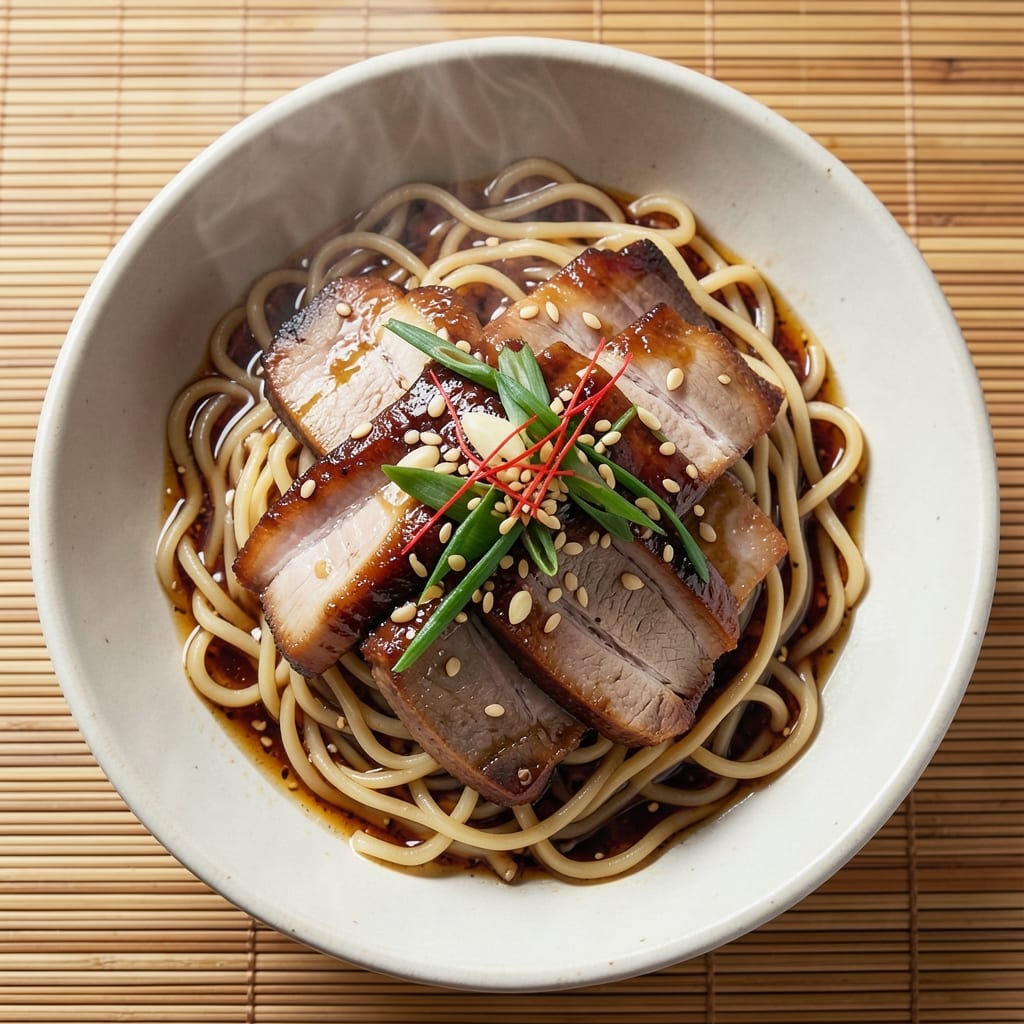
This Asian pork noodle bowl recipe delivers restaurant-quality flavor with crispy-skinned pork over silky noodles—no takeout required. 🔥 The secret lies in high-heat searing for that coveted char while keeping the meat impossibly tender inside. I perfected this technique after years of testing, and it’s now my go-to weeknight dinner that tastes like a night out in Tokyo.
The magic happens in the wok, where pork shoulder transforms through quick searing and slow braising, creating layers of caramelized crust and juicy depth. Silky ramen noodles absorb the rich pork broth while maintaining their signature chew, and the perfect balance of fresh greens, pickled veggies, and fried shallots elevates every bite. This recipe is designed for home cooks who want restaurant-quality results without the fuss.
What you’ll end up with is a bowl that’s crispy on the outside, tender on the inside, and packed with umami-rich flavors. The pork stays juicy and flavorful, the noodles are perfectly al dente, and the toppings add texture and brightness. It’s a complete dish that’s hearty enough for a main course but easy enough to make on busy nights.
Whether you’re serving a family dinner or meal prepping for the week, this recipe scales beautifully. The pork can be made ahead and reheated, and the noodles cook in minutes. Plus, it’s adaptable—swap in gluten-free noodles or adjust the spice level to suit your taste. Let’s get cooking!
Ingredients for asian pork noodle bowl
Pantry staples plus a few specialty items for that restaurant-style crunch and depth.
| Ingredient | Amount | Notes |
|---|---|---|
| Pork Shoulder 🐖 | 1 ½ lb | Bone-in for best flavor, cut into 1-inch cubes |
| Ramen Noodles 🍜 | 2 packages | Fresh or dried, any variety |
| Soy Sauce 🥄 | ½ cup | Kosher or light soy preferred |
| Honey 🍯 | 2 tbsp | For balancing sweetness |
| Sesame Oil 🫒 | 1 tbsp | Toasted for aroma |
| Garlic Cloves 🧄 | 6 cloves | Minced for depth of flavor |
| Fresh Ginger 🌿 | 2 tbsp | Grated, peeled |
| Green Onions 🧅 | ½ cup | Sliced, for garnish |
| Vegetable Oil 🫒 | ½ cup | High smoke point for searing |
| Rice Vinegar 🍶 | 1 tbsp | For brightness |
| Sesame Seeds 🌾 | 1 tbsp | Toasted, for crunch |
| Baby Bok Choy 🥬 | 4 pieces | Or sub spinach for quick cook |
| Red Bell Pepper 🍅 | 1 whole | Thinly sliced, for crunch |
| Salt 🧂 | 1 ½ tsp | Kosher or sea salt |
| Black Pepper 🌶️ | ½ tsp | Freshly ground |
The pork shoulder is non-negotiable here—bone-in gives the best flavor. Look for well-marbled cuts at the meat counter, and if you can't find it fresh, Costco or Whole Foods usually stock it pre-cut. I always grab extra because it reheats beautifully. For the noodles, fresh ramen from Asian markets has that signature chew, but dried works too if you're in a pinch. The key is cooking them al dente so they absorb the broth without turning mushy. And trust me, the crispy skin? That's all about high heat and patience—don't rush it.
No sesame oil? Toasted peanut oil at half the amount works in a bind, though it'll taste different. Subbing honey? Maple syrup or agave keeps it vegan-friendly. The bok choy can be swapped for spinach or napa cabbage if that's what's in your fridge. Want more heat? Add a dash of Sriracha or gochujang to the sauce. The green onions and sesame seeds are just for garnish, so don't stress if you're missing one—it's still delicious. And if you're meal prepping, cook the pork ahead and store it separately until serving to keep that crispy texture.
Pork keeps for 4-5 days in the fridge if stored in the broth—it actually gets better overnight. The noodles? Cook them fresh when you're ready to eat, or they'll turn to mush. Sauce components (soy, honey, vinegar mix) can be prepped 3 days ahead and stored in a jar. Freeze the pork in single-serving portions for quick weeknight meals. And here's a pro tip: Reheat pork gently in a skillet with a splash of water to keep it moist—microwaving makes it rubbery.
Why You'll Love This Recipe
- One-Pot Magic: I swear by this recipe when I’m too tired to wash a million dishes. Toss the pork shoulder, noodles, and sauce in one pot—simmer, slice, and serve. The sesame oil finish ties it all together with zero extra cleanup.
- Sweet-Savory Balance: That honey-soy glaze? Chef’s kiss. The pork stays juicy while caramelizing just enough to make every bite addictive. Even my picky husband asks for seconds—no small feat.
- Meal Prep Hero: Double the batch and store it for days. The noodles soften perfectly when reheated, and the pork stays tender. Honestly, this is my go-to for lazy Sundays or when I need lunch sorted for the week.
- Budget-Friendly Feast: Pork shoulder stretches far, and ramen noodles won’t break the bank. For under $10, you feed four with leftovers that taste just as good cold the next day. My wallet and my family thank me every time.
Step-by-step instructions for crispy-skinned pork noodle bowl
Here's how to make that perfect balance of crispy pork and silky noodles everyone loves.
🔥 Step 1: Sear the Pork Shoulder for Maximum Crisp
Cut the 1.5 lb pork shoulder into 1-inch cubes—bone-in pieces work best for flavor. Pat them completely dry with paper towels, then season generously with 1.5 tsp salt and 0.5 tsp black pepper. Let them sit at room temperature for 10 minutes while you preheat 0.5 cup vegetable oil in a large skillet over medium-high heat until it shimmers.
Working in batches (don't overcrowd!), add the pork to the hot oil and sear for 3-4 minutes per side until deep golden brown and crispy. The pork should release easily from the pan—if it sticks, your oil isn't hot enough. Transfer the seared pork to a plate and set aside. You'll want to keep it warm while you work on the rest of the dish.
🍳 Step 2: Build the Sweet-Savory Sauce
In the same skillet (no need to clean it—those browned bits are flavor gold), reduce heat to medium and add the 6 minced garlic cloves and 2 tbsp grated fresh ginger. Sauté for 1 minute until fragrant—don't let the garlic burn, or it'll turn bitter. Pour in the 0.5 cup soy sauce and 2 tbsp honey, scraping up any stuck-on bits from the bottom of the pan.
Simmer for 3-4 minutes until the sauce thickens slightly. Add 1 tbsp rice vinegar and 1 tbsp sesame oil, then remove from heat. Taste and adjust seasoning if needed—this sauce should be perfectly balanced between sweet, salty, and tangy. The pork will soak up all that flavor when we add it back in later.
🍳 Step 3: Cook the Noodles Just Right
Bring a large pot of water to a rolling boil and add 2 packages ramen noodles. Cook according to package instructions until al dente—usually about 3-4 minutes for fresh noodles or 2 minutes for dried. Drain immediately and rinse briefly under cold water to stop the cooking process. This prevents the noodles from becoming mushy when we toss them with the sauce.
While the noodles cook, thinly slice the 1 whole red bell pepper and separate the 4 baby bok choy leaves. Blanch the bok choy in boiling water for 30 seconds, then shock in ice water to preserve that bright green color. Drain and set aside—these veggies will add freshness to balance the rich pork.
🥘 Step 4: Assemble the Perfect Bowl
Divide the cooked noodles among 4 bowls. Spoon the crispy pork cubes over the noodles, then ladle the sweet-savory sauce evenly between them. The pork should be hot enough to gently reheat the noodles and sauce as you eat. Stir everything together so each bite gets that perfect mix of textures and flavors.
Top with blanched baby bok choy, sliced red bell pepper, and 0.5 cup sliced green onions. Drizzle with a final touch of sesame oil and sprinkle with 1 tbsp toasted sesame seeds for that extra crunch. The contrast of crispy pork, silky noodles, and fresh veggies makes every bite irresistible.
🍽️ Step 5: Serve Immediately for Maximum Crisp
This dish tastes best right away while the pork is still crispy and the noodles are warm. Serve each bowl with extra sauce on the side for dipping—it's always a crowd-pleaser. The secret to keeping the pork crispy? Don't skip the initial high-heat sear and work quickly when assembling the bowls. You'll get that perfect balance of textures that makes this dish so addictive.
Pro Tips For Making Asian Pork Noodle Bowl
- DON’T BOIL NOODLES DRY: Pull the ramen noodles 30 seconds before package time—they’ll finish cooking in the hot broth. Overcooked noodles turn mushy, and you’ll end up with a sad, watery bowl. (Yes, even if you’re impatient like me.)
- SWAP SESAME OIL LAST: Add sesame oil after the pork and noodles are in the bowl—just a few drops—so it doesn’t burn off in the pan. A splash in the sauce? It’ll vanish. A drizzle on top? That’s where the nutty aroma shines.
Perfect pairings for this asian pork noodle bowl
Sauce Elevations
Take your sweet-savory base to the next level by adding a splash of 1 tbsp mirin for extra depth—it brightens the flavors beautifully. For a spicy kick, stir in 1 tsp gochujang or ½ tsp chili crisp at the end. I love finishing with a drizzle of 1 tsp toasted chili oil right before serving for that smoky, fiery contrast. 🌶️
Noodle Swaps
For gluten-free options, use rice noodles or shirataki noodles—they hold up well to the sauce. If you prefer chewier noodles, try udon or soba instead of ramen. My go-to is fresh egg noodles from the Asian market—they absorb the pork flavors like a dream. Always cook them just until al dente to avoid mushiness.
Protein Alternatives
Swap pork for chicken thigh (cut into similar-sized pieces) or tofu (press and cube for crispiness). For seafood lovers, shrimp works beautifully—just sear them for 2 minutes per side until pink. The key is keeping the protein crispy on the outside while tender inside. I’ve even used mushrooms for a vegetarian version, marinated in the same sauce.
Topping Ideas
Add quick-pickled cucumbers for tangy crunch—toss ½ cup cucumber slices with 1 tbsp rice vinegar and ½ tsp sugar for 10 minutes. Crispy fried shallots (store-bought or homemade) add a buttery crunch that’s hard to resist. For extra richness, top with soft-boiled eggs or crumbled fried tofu. Garnish with cilantro or Thai basil for freshness.
Beverage Pairings
A crisp juniper-infused gin and tonic cuts through the richness of the pork beautifully. For beer lovers, a light lager like Asahi keeps the meal refreshing. If you prefer wine, a dry Riesling or Sauvignon Blanc complements the sweet-savory balance. I always reach for green tea—its bitterness balances the dish perfectly. 🍶
Meal Prep Tips
Cook the pork and sauce ahead, then store them separately in airtight containers for up to 4 days. Reheat the pork gently in a skillet with a splash of water to keep it moist. Cook the noodles fresh when serving—noodles don’t reheat well. Assemble bowls just before eating to maintain that crispy texture. For leftovers, store toppings separately and add them fresh when reheating. 💡
Nutrition facts
Frequently asked questions
Can I use ground pork instead of pork shoulder for this recipe?
Ground pork won't give you that coveted crispy skin texture—it's all about the surface area and fat cap! Use pork shoulder or pork loin cut into 1-inch cubes for the best results. If you're set on ground pork, try shaping it into small patties and pan-frying them until deeply browned, but expect a softer texture.
How do I keep the noodles from getting soggy when reheating?
Cook noodles fresh when reheating—never microwave them directly. For leftovers, store the pork and sauce separately, then toss with freshly cooked noodles. If you must reheat, rinse with cold water after cooking to stop the process, then reheat in a dry skillet over medium heat with a splash of water.
What's the best way to make this recipe spicier? Add 1 tsp gochujang or ½ tsp chili crisp to the sauce at the end, or top with sliced jalapeños or Sriracha. For heat lovers, stir in ½ tsp red pepper flakes with the garlic and ginger.
Can I make this dish ahead of time?
Cook the pork and sauce 2 days ahead and store separately in airtight containers. Reheat pork gently in a skillet with a splash of water, then assemble bowls with freshly cooked noodles. The toppings should be added fresh to maintain crunch—store them separately until serving.
What if I don't have fresh ginger or garlic?
Use 1 tbsp powdered ginger or 2 tsp garlic powder as substitutes, but fresh is always better for authentic flavor. For garlic, 3 cloves powdered equals 1 fresh clove. If using jarred ginger, reduce to 1 tbsp since it's more concentrated. The dish will still taste great!