
Main Courses
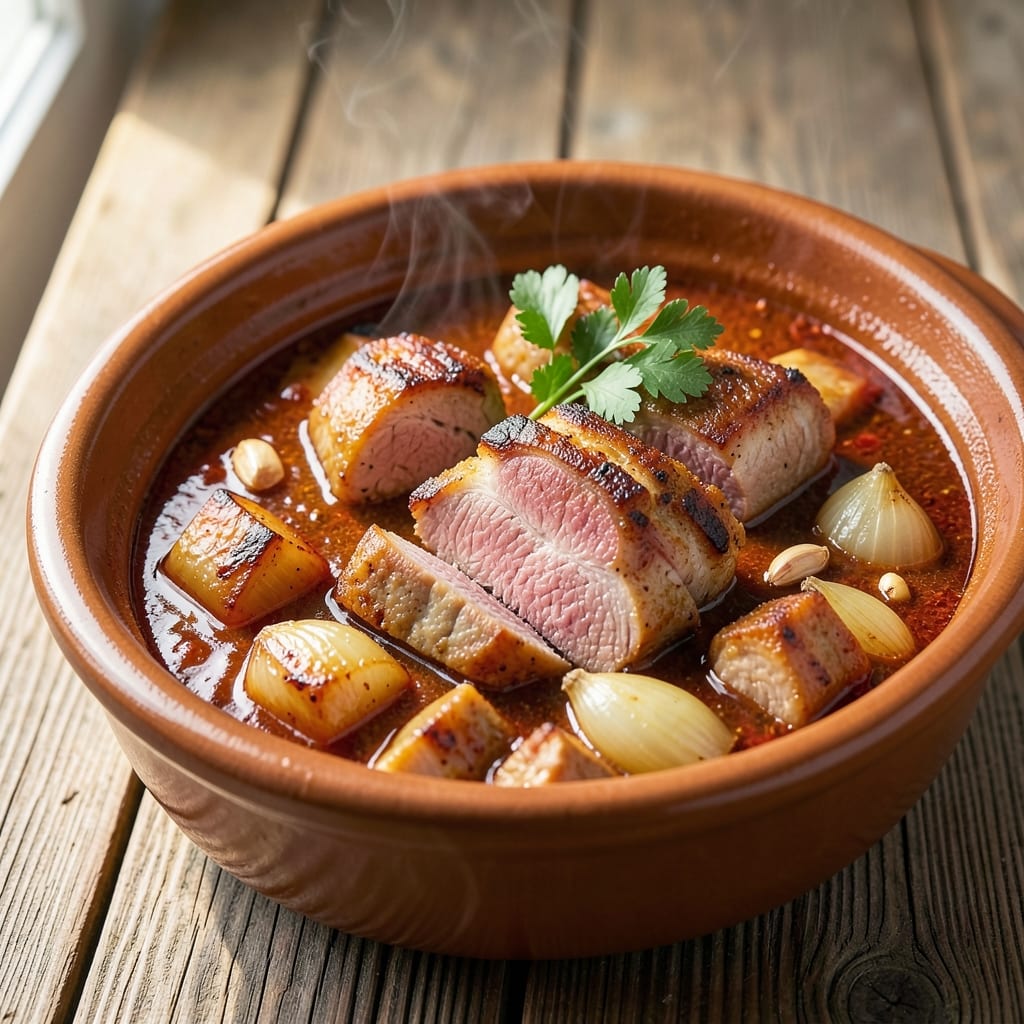
This authentic Hungarian pork goulash brings the smoky, paprika-kissed flavors of Budapest to your kitchen with just a few simple techniques. Growing up in Georgia, I fell in love with how pork transforms into tender, rich stew when slow-cooked with onions and sweet paprika—exactly what makes this dish unforgettable. The secret lies in browning the meat properly and letting the spices bloom slowly over low heat, creating layers of depth that store-bought versions can't match.
What sets this recipe apart is its balance of tradition and approachability. You'll start with classic ingredients like smoked paprika, tomatoes, and onions, but the method is designed for home cooks—no special equipment required. The pork shoulder breaks down into melt-in-your-mouth pieces, while the sauce thickens naturally into a velvety consistency that coats every bite. Even the dumplings, if you choose to make them, come together quickly with just flour, eggs, and a pinch of salt.
The result is a hearty stew that tastes like a hug from a Hungarian grandmother—warm, comforting, and packed with flavor. Serve it with crusty bread to soak up every last drop of that paprika-rich sauce, or pair it with roasted potatoes for a complete meal. The aroma alone will have everyone gathering around the table, and the taste? Well, that's where the magic happens.
This recipe delivers restaurant-quality results without requiring hours of prep. With just 30 minutes of active work and 2.5 hours of slow cooking, you'll have a dish that's both impressive and deeply satisfying. The key is patience—letting the flavors meld and the meat tenderize at its own pace. Trust me, the wait is worth every second.
Ingredients for authentic hungarian pork goulash
Pork shoulder, onions, and paprika—just three ingredients that transform into a restaurant-worthy Hungarian classic.
| Ingredient | Amount | Notes |
|---|---|---|
| Pork Shoulder 🥩 | 3 lb | Bone-in for flavor, cut into 1.5-inch cubes |
| Yellow Onions 🧅 | 3 whole | Medium size, sliced into half-moons |
| Sweet Hungarian Paprika 🌶️ | 3 tbsp | Essential for authentic flavor |
| Smoked Paprika 🌶️ | 1 tbsp | Adds depth and smokiness |
| Garlic Cloves 🧄 | 6 cloves | Minced for even distribution |
| Tomato Paste 🍅 | ½ cup | High-quality for richness |
| Canned Crushed Tomatoes 🍅 | 1 15-oz can | San Marzano preferred |
| Beef Broth 💧 | 2 cups | Low-sodium preferred |
| All-Purpose Flour 🌾 | 1 cup | For dumpling dough |
| Large Eggs 🥚 | 1 whole | For dumpling binding |
| Baking Powder 🧂 | 1 tsp | For fluffy dumplings |
| Salt 🧂 | 1 ½ tsp | Kosher or sea salt |
| Black Pepper 🌶️ | ½ tsp | Freshly ground preferred |
| Vegetable Oil 🫒 | 2 tbsp | For browning meat |
| Bay Leaves 🌿 | 2 whole | For aromatic depth |
The pork shoulder is non-negotiable here—its fat marbling keeps the stew moist and rich. Look for bone-in cuts at your local butcher shop or the meat department at Whole Foods; they often have pre-cut pieces that save time. If you can't find Hungarian paprika, substitute a mix of sweet and smoked paprika—just add an extra pinch to compensate. The onions? Yellow or red both work, but avoid sweet varieties like Vidalia—they won't hold up to the long cooking time. For the broth, homemade is best, but a quality low-sodium store-bought version in a pinch.
No San Marzano tomatoes? Any good-quality crushed tomatoes will do—just look for ones with minimal additives. The beef broth can be swapped for vegetable broth if vegetarian, though the flavor will be subtly different. For the dumplings, all-purpose flour works fine, but bread flour gives them a slightly chewier texture. If you're short on time, store-bought dumpling dough (like the kind for pierogi) is a lifesaver. The bay leaves are crucial—they infuse the stew with earthy notes, but remove them before serving so they don't turn bitter.
This stew tastes even better the next day, so make a double batch if you can. Store leftovers in the fridge for 4-5 days or freeze for up to 3 months—the flavors deepen over time. For reheating, low heat is key: add a splash of water or broth and simmer gently. The dumplings can be made ahead and kept in the fridge for 2 days or frozen for 1 month. Just drop them into the simmering stew for the last 5 minutes of cooking.
Why You'll Love This Recipe
- One-Pot Magic: I swear by this recipe when I’m too tired to scrub pots—just brown the pork, toss everything in the same skillet, and let it simmer. The onions caramelize right there, and the paprika smell alone makes my kitchen feel like a Budapest bistro.
- Paprika Powerhouse: That first spoonful of Hungarian paprika—sweet and smoky—transforms simple pork into something rich and complex. Honestly, the balance of sweet and smoked paprika is what makes this dish feel like a hug in a bowl.
- Leftovers That Beg for More: This goulash tastes even better the next day, especially with a sprinkle of fresh parsley. I’ll be real: I often make a double batch because it’s the kind of meal that disappears faster than I can reheat it—perfect for lazy Sundays or busy weeknights.
- Budget-Friendly Feast: Pork shoulder is affordable, and the onions and garlic stretch the flavor without breaking the bank. Between us, this recipe feeds four for under $15, and the leftovers turn into next-day lunches that cost me nothing extra.
Step-by-step instructions for authentic Hungarian pork goulash
Here's how to create a rich, paprika-kissed stew with tender pork and fluffy dumplings that taste like home.
Brown the Pork Shoulder for Deep Flavor
Heat the 2 tablespoons vegetable oil in a large, heavy pot over medium-high heat until shimmering. Working in batches, add the 3 lb pork shoulder cut into 1.5-inch cubes, letting each piece sear undisturbed for 3-4 minutes until deeply golden brown on all sides. This step develops the Maillard reaction, creating that irresistible caramelized flavor that defines authentic goulash.
Once all pork is browned, remove it from the pot and set aside. If the oil starts smoking, reduce the heat slightly—you want a good sear without burning. Don't rush this; patience here makes all the difference in the final depth of flavor. The pork should release easily from the pot when ready to flip.
Build the Paprika Base with Aromatics
In the same pot, reduce heat to medium and add the 3 whole yellow onions sliced into half-moons. Cook for 5-6 minutes until softened and starting to caramelize at the edges. Add the 6 cloves garlic cloves that have been minced, stirring for 30 seconds until fragrant—this prevents burning while infusing the base with garlic's sweetness.
Next, add the 3 tablespoons sweet Hungarian paprika and 1 tablespoon smoked paprika, stirring constantly for 1 minute to toast the spices. This step is crucial—it blooms the paprika's flavors and prevents that bitter aftertaste some people dislike. The mixture should smell rich, earthy, and slightly smoky. Add the 0.5 cup tomato paste and stir for another 2 minutes until it darkens slightly and coats the onions.
Simmer the Stew Until Tender
Return the browned pork to the pot and pour in the 1 15-oz can crushed tomatoes and 2 cups beef broth. Add the 2 whole bay leaves, 1.5 teaspoons salt, and 0.5 teaspoon black pepper. Bring to a gentle simmer, then reduce heat to low, cover partially, and let it cook for 2 hours, stirring occasionally. The pork should become fork-tender, falling apart easily when pierced with a fork.
Here's the thing—Hungarian goulash is all about slow cooking. The liquid should reduce slightly, creating a thick, velvety sauce that coats the pork. If it gets too thin during cooking, uncover and simmer for 10-15 minutes to concentrate the flavors. Taste occasionally and adjust seasoning, especially the paprika—this is where you can really customize the heat level to your preference.
Prepare the Fluffy Dumplings
While the goulash simmers, make the dumplings by whisking together the 1 cup all-purpose flour, 1 teaspoon baking powder, 1 whole large egg, and 1 tablespoon cold water in a bowl until a smooth dough forms. The dough should be soft but not sticky—add a bit more water if needed. Roll the dough into 1-inch balls and set aside on a plate.
Drop the dumpling balls into the simmering goulash, spacing them evenly. They'll cook in about 10-12 minutes, so don't add them all at once. The dumplings should float to the surface when done, and they'll puff up beautifully. If they brown too quickly, reduce the heat slightly to prevent burning. These dumplings are the perfect contrast to the rich stew—they soak up the flavorful sauce while staying light and tender.
Serve with Traditional Accompaniments
Once the pork is tender and the dumplings are cooked, ladle the goulash into warm bowls, making sure each serving gets at least 2-3 dumplings. The sauce should be thick enough to coat the back of a spoon but still spoonable. Garnish with additional sweet Hungarian paprika for color and a final touch of fresh parsley if you like.
Serve immediately with crusty bread on the side to soak up any remaining sauce. The aroma alone will transport you to a Hungarian countryside kitchen. This goulash keeps well in the refrigerator for 3-4 days and even freezes beautifully for up to 3 months, making it perfect for meal prep. The flavors only deepen with time, so leftovers often taste even better the next day.
Pro Tips For Making Authentic Hungarian Pork Goulash
- Brown the Pork First: Don’t just toss in cold pork shoulder—sear it in batches over medium-high heat until deep golden brown on all sides. This isn’t just for looks; it builds flavor that no amount of paprika can replace. (Yes, even if you’re impatient like me.)
- Toast the Paprika: Heat your sweet Hungarian paprika in a dry pan for 30 seconds—just until it smells earthy and fragrant. This removes the raw taste and deepens the color. I used to skip this, and the goulash always felt flat.
- Don’t Rush the Onions: Slow-cook the onions in their own rendered fat until they’re caramelized, not just soft. This takes 20-30 minutes, but it’s the sweet, jammy base that makes the dish sing. (Your future self will notice the difference.)
- Use Both Paprikas: Sweet Hungarian paprika gives color and mild heat, but smoked paprika adds depth. Split the dose—start with 1 tablespoon sweet, then add ½ teaspoon smoked at the end. It’s the missing layer most home cooks overlook.
Flavor customization for this dish
Spice Level Control
Hungarian paprika comes in varying heat levels, so adjust to taste. For a mild version, use 2 tablespoons sweet Hungarian paprika and skip the smoked variety. If you prefer heat, add ½ teaspoon cayenne pepper with the spices or swap to hot Hungarian paprika—it packs serious kick. I often keep a small jar of Penzeys Hungarian paprika on hand for this exact purpose. 🌶️
For a smoky depth without heat, mix 2 tablespoons sweet paprika with 1 teaspoon liquid smoke—just a few drops—for that campfire aroma. This trick works especially well if you're using leaner pork cuts. Always taste as you go; paprika's flavor builds during cooking, so start conservative.
Acid Balance Tricks
The crushed tomatoes provide acidity, but if your goulash tastes flat, add 1 teaspoon apple cider vinegar—or lemon juice per serving. This brightens the sauce and cuts through the richness. For a tangier finish, stir in 2 tablespoons tomato paste—it concentrates the acidity beautifully. I keep a small bottle of Bragg apple cider vinegar—it's my go-to for balancing flavors.
If your stew needs more brightness, swap ½ cup of the beef broth—for white wine—like a dry Hungarian Egri Bikavér—or sub 1 tablespoon red wine vinegar—for depth. The alcohol cooks off, leaving behind complex, fruity notes that elevate the dish. Just be sure to deglaze the pot properly after browning the meat to capture those flavorful browned bits.
Vegetable Variations
Traditional goulash often includes bell peppers—especially red or yellow—for natural sweetness. Add 1 diced bell pepper—with the onions and cook until softened. For a heartier version, stir in 1 cup diced potatoes—cooked until tender during the final 30 minutes—of simmering. I love adding carrots—too, for color and subtle sweetness.
For a modern twist, try mushrooms—like cremini or shiitake—for an umami boost. Sauté them with the onions until deeply browned before adding the paprika. If you're serving this as a vegetarian option, swap the pork for chickpeas—or lentils and add 1 teaspoon smoked paprika—extra for depth. The key is balancing textures—keep the vegetables firm enough to hold their shape.
Dumpling Alternatives
If you don't have time for homemade dumplings, use egg noodles—or small pasta shapes—like farfalle. Add them during the last 10 minutes—of cooking. For a gluten-free option, make dumplings with almond flour—instead of all-purpose flour, using the same ratio. These stay lighter and absorb the sauce beautifully.
For a rustic touch, serve with crusty bread—or freshly baked pretzels—to soak up the sauce. I also love adding sautéed sauerkraut—during the final 5 minutes—of cooking for a tangy contrast. The lactic acid in the sauerkraut cuts through the richness, adding another layer of complexity to the dish.
Modern Shortcuts
Use a slow cooker—for hands-off cooking. Brown the pork as directed, then transfer everything to the slow cooker and cook on low for 8 hours—or high for 5 hours. The dumplings can be made ahead and dropped in during the last 30 minutes. This method is perfect for busy weeknights.
For an instant pot version, brown the pork in a skillet first, then transfer everything to the pot and cook on high pressure for 45 minutes—followed by a 10-minute natural release. The dumplings will cook through in the remaining sauce. This cuts active time to just 15 minutes, while still delivering deep, slow-cooked flavors.
Nutrition facts
Frequently asked questions
Can I use ground pork instead of pork shoulder for this recipe?
Ground pork works but will give a very different texture—more like a thick soup than a traditional goulash. For authenticity, stick with bone-in pork shoulder (3 lb) cut into 1.5-inch cubes. The fat and connective tissue break down beautifully during slow cooking, creating that melt-in-your-mouth tenderness. If you must use ground pork, reduce cooking time to 1 hour and add ½ cup extra broth to prevent drying out.
Why does my goulash taste bitter? What can I fix?
Bitter flavors usually come from overcooking the paprika or using low-quality spices. Always toast the paprika for 1 minute after adding it to bloom the flavors. If it's too late, balance the bitterness by adding 1 teaspoon apple cider vinegar or 1 tablespoon tomato paste to sweeten the sauce. For future batches, use Penzeys Hungarian paprika—it's consistently high-quality and free of additives.
Can I make this goulash in a Dutch oven?
A Dutch oven is perfect for this recipe—its heavy construction helps distribute heat evenly and prevents burning. Follow the same steps: brown the pork, build the paprika base, then transfer everything to the Dutch oven. The lid creates a tight seal for even cooking. If your Dutch oven is small, work in batches for browning. The slow simmer (2 hours) will work beautifully in one.
How do I thicken the sauce if it's too thin?
Simmer the goulash uncovered for 10-15 minutes to reduce the liquid naturally. If it's still too thin, mix 1 tablespoon cornstarch with 2 tablespoons cold water, stir into the sauce, and simmer for 2-3 minutes until thickened. For a traditional approach, mash 2-3 cooked dumplings directly into the stew—they'll absorb liquid and create a creamy texture without altering the flavor.
What's the best way to reheat leftovers?
Reheat goulash on the stovetop over low heat with 2-3 tablespoons water or broth to prevent drying. If using the microwave, cover with a damp paper towel and heat in 30-second intervals, stirring between each. The dumplings will soften further—add fresh ones when serving if you prefer them firmer. Leftovers actually improve over time as flavors meld, so don't skip this step!