
Main Courses
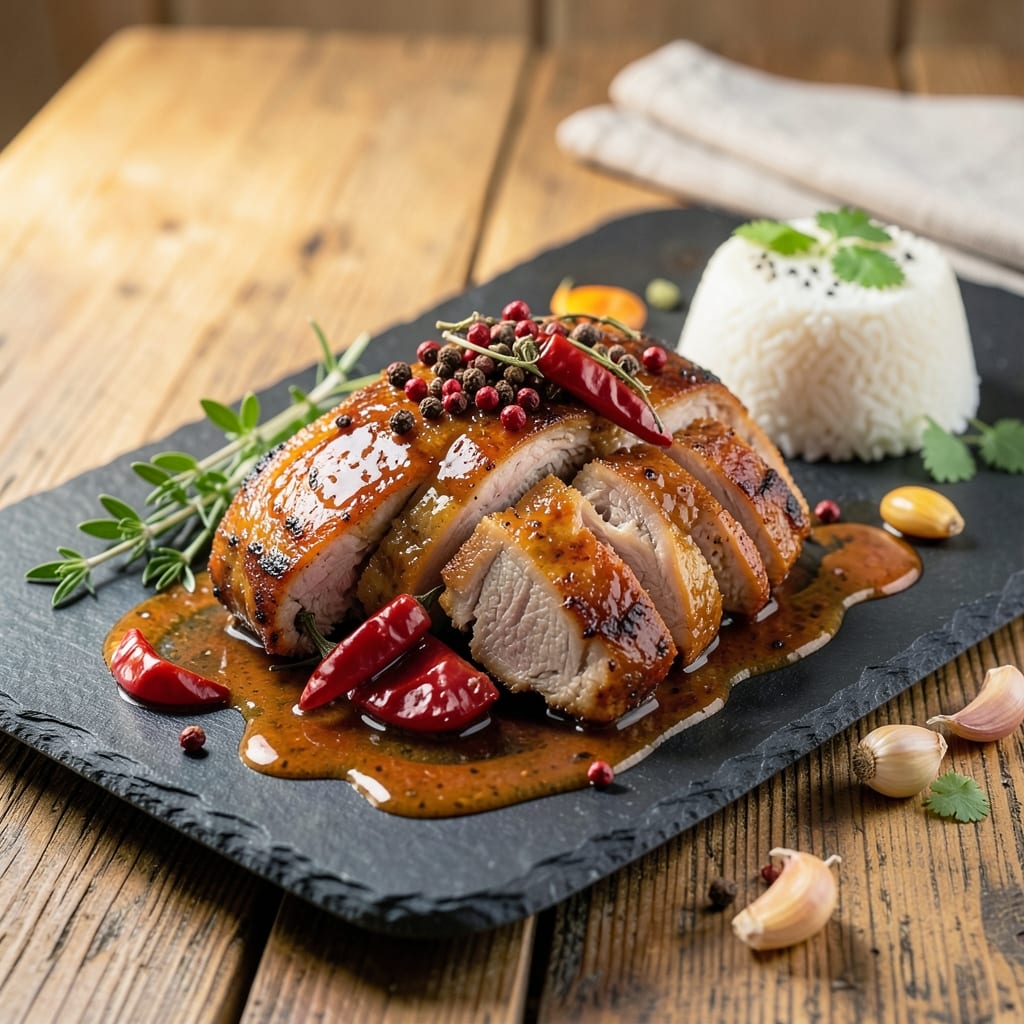
This authentic jerk pork recipe brings the bold, smoky flavors of Jamaica straight to your kitchen. 🔥 After years of perfecting Caribbean techniques, I've developed a method that delivers restaurant-quality results with tender meat and complex spice layers. The secret lies in marinating the pork overnight with a blend of allspice, Scotch bonnet peppers, and thyme—creating that signature Jamaican fire that balances perfectly with sweetness.
The recipe starts with a dry rub that forms a flavorful crust, followed by a marinade that penetrates deeply into the meat. I use a combination of brown sugar and vinegar to tenderize while building caramelized depth. The cooking process—whether on a grill or in the oven—ensures the meat stays juicy and develops those signature charred edges that define jerk pork. This isn't just a recipe; it's an experience that transports you to Kingston with every bite.
By the time you're done, you'll have perfectly tender pork with a sticky, spice-crusted exterior that's impossible to resist. The aroma alone will have everyone gathering around your table, and the flavors—smoky, sweet, and slightly spicy—will leave them asking for seconds. Serve it with classic sides like coconut rice and peas or fried plantains to complete the Jamaican feast.
This method is designed for both beginners and seasoned cooks, with clear steps that ensure success every time. The key is patience—letting the marinade work its magic overnight transforms tough cuts into melt-in-your-mouth perfection. Once you try this, you'll never settle for anything less than authentic jerk pork again.
Ingredients for authentic jerk pork
Jamaican fire meets tender pork—just 15 ingredients transform simple cuts into restaurant-quality jerk.
| Ingredient | Amount | Notes |
|---|---|---|
| Boneless Pork Shoulder 🥩 | 2 lb | Cut into 2-inch chunks |
| Scotch Bonnet Peppers 🌶️ | 2 whole | Seeds removed for less heat |
| Allspice Berries 🌿 | 1 ½ tbsp | Ground fresh for maximum flavor |
| Fresh Thyme Leaves 🌿 | ½ cup | Stems removed, loosely packed |
| Garlic Cloves 🧄 | 8 cloves | Peeled and smashed |
| Brown Sugar 🍚 | ½ cup | Light or dark, packed |
| Apple Cider Vinegar 🍎 | ¼ cup | Unfiltered preferred |
| Soy Sauce 🥢 | ¼ cup | Light or dark |
| Ground Ginger 🌿 | 1 tsp | Freshly grated preferred |
| Ground Cinnamon 🌿 | ½ tsp | True Ceylon preferred |
| Salt 🧂 | 1 ½ tsp | Diamond Crystal kosher |
| Black Peppercorns 🌶️ | 1 tsp | Freshly cracked |
| Olive Oil 🫒 | 2 tbsp | Extra-virgin, fruity |
| Fresh Lime Juice 🍋 | ¼ cup | Freshly squeezed |
| Green Onions 🧅 | 4 whole | White and green parts separated |
The pork shoulder is non-negotiable here—its fat content keeps the meat moist during the long marinade and cooking. Look for a well-marbled cut at your butcher or the meat department, ideally from a trusted source like Whole Foods or a local Caribbean market. If you can't find Scotch bonnet peppers, habaneros are the closest substitute, but reduce the amount by half to avoid overwhelming heat. The allspice berries should be ground fresh if possible—Penzeys Spices sells whole berries that you can toast and grind yourself for that authentic depth of flavor. For the thyme, fresh is ideal, but if you're using dried, cut the amount to one-third since it's more concentrated.
No Scotch bonnet peppers? Habanero or even a mix of cayenne and red pepper flakes will work in a pinch, but taste as you go. The brown sugar can be swapped for coconut sugar if you're avoiding refined sugar, though it'll have a slightly different caramelization. For a deeper marinade, add a splash of Jamaican rum (about 2 tbsp) if you have it—it enhances the smoky notes. The lime juice should be freshly squeezed; bottled juice lacks the bright acidity that balances the heat. If you're short on time, pre-grate the ginger using a microplane instead of grinding whole roots, which can be bitter. The green onions are optional but add a fresh finish—save the white parts for the marinade and reserve the greens for garnish.
Marinate the pork for at least 12 hours (overnight is best) in a sealed container in the fridge. The flavors meld beautifully, and the acidity tenderizes the meat. If you're prepping ahead, the marinade keeps for up to 5 days in the fridge—just give it a stir before using. Cooked jerk pork reheats well; store leftovers in an airtight container for 3-4 days or freeze for up to 3 months. For serving, I like to slice against the grain and arrange it on a platter with the reserved green onions sprinkled on top—it looks as good as it tastes.
Why You'll Love This Recipe
- One-Pot Magic: I swear by this for lazy Sundays—just toss the pork shoulder, minced garlic, and those fiery Scotch bonnets into a single pot, let it simmer, and walk away. No chopping boards, no extra pans, just pure, unapologetic ease.
- Flavor Bomb: That first bite? Smoky, sweet, and just enough heat from the Scotch bonnet to make your taste buds dance. The allspice berries and thyme give it this deep, earthy warmth that sticks with you—like a hug from Jamaica.
- Budget-Friendly Powerhouse: Pork shoulder is cheap, and a little goes a long way. I stretch this into four meals for my family, and honestly? No one complains. It’s the kind of dish that makes you feel fancy without breaking the bank—or your grocery budget.
Step-by-step instructions for Jamaican jerk pork
Here's how to build authentic Jamaican jerk flavor from scratch—bold, smoky, and perfectly balanced.
🔥 Step 1: Marinate the Pork Shoulder for Maximum Flavor
In a large bowl, combine the 2 lb boneless pork shoulder cut into 2-inch chunks with the 2 whole Scotch Bonnet peppers (seeds removed), 8 smashed garlic cloves, 0.5 cup fresh thyme leaves, 1.5 tbsp ground allspice berries, 1 tsp ground ginger, 0.5 tsp ground cinnamon, 1.5 tsp salt, and 1 tsp cracked black peppercorns. Mix thoroughly with your hands to ensure every piece gets coated.
In a separate small bowl, whisk together the 0.5 cup brown sugar, 0.25 cup apple cider vinegar, 0.25 cup soy sauce, 2 tbsp extra-virgin olive oil, and 0.25 cup fresh lime juice. Pour this liquid marinade over the pork and mix until fully combined. Here's the thing—this marinade needs time to work its magic. Cover the bowl and refrigerate for at least 4 hours (overnight is even better). The acidity in the vinegar and lime will tenderize the meat while the spices penetrate deeply.
🍳 Step 2: Char the Scotch Bonnets for Smoky Depth
While the pork marinates, heat a dry skillet over medium-high heat. Add the 2 whole Scotch Bonnet peppers (still whole) and char them for 2-3 minutes per side until they develop blackened patches and release their smoky aroma. Be careful—they're hot! Remove from heat and let them cool slightly, then transfer to a cutting board.
Once cool enough to handle, slice the charred peppers open and scrape out the seeds and membranes into a small bowl. You'll use these charred pepper pieces in the marinade later. The charring adds a smoky, almost campfire-like quality that's essential for authentic jerk flavor. Don't skip this step—it makes all the difference.
🔥 Step 3: Sear the Pork for Color and Texture
Remove the pork from the marinade (reserve the marinade) and pat it dry with paper towels. Heat a large skillet over high heat and add 1 tbsp olive oil. Working in batches to avoid crowding, sear the pork chunks for 2-3 minutes per side until they develop a deep golden-brown crust. You're looking for that beautiful Maillard reaction—the crust should look almost blackened in spots.
Real talk: Don't walk away during this step. The pork needs constant attention to get that perfect sear. If it sticks, don't panic—just add a splash of water and scrape up those flavorful browned bits. Transfer the seared pork to a plate and set aside.
🥘 Step 4: Simmer the Jerk Marinade into a Sauce
Pour the reserved marinade into the same skillet (no need to wipe it clean—those browned bits are pure flavor). Bring to a boil over medium-high heat, then reduce to a simmer. Add the charred Scotch Bonnet pieces and simmer uncovered for 8-10 minutes until the sauce reduces by about half and becomes thick and glossy. You'll see it transform from a watery marinade to a rich, syrupy sauce.
Here's where it gets fun—taste the sauce and adjust the seasoning. You might need to add a pinch more salt or a splash of lime juice to balance the flavors. The sauce should be tangy, sweet, and packed with spice. If it's too thick, whisk in 1-2 tablespoons of water to reach your desired consistency.
🔥 Step 5: Braise the Pork Until Fork-Tender
Return the seared pork to the skillet and pour the jerk sauce over the top. Bring everything to a gentle simmer, then transfer the skillet to a 325°F oven. Cover with a lid or foil and bake for 2-2.5 hours, turning the pork occasionally, until it's fork-tender with an internal temperature of 195-200°F. The pork should pull apart easily when tested with a fork.
This low-and-slow cooking method ensures the pork stays juicy while absorbing all that incredible jerk flavor. The sauce will caramelize beautifully, coating each piece of meat. If the sauce starts to dry out before the pork is done, add 1-2 tablespoons of water to keep it moist.
🍽️ Step 6: Rest and Serve with Fresh Garnishes
Remove the pork from the oven and let it rest for 10-15 minutes before serving. This resting period allows the juices to redistribute throughout the meat. While it rests, slice the 4 whole green onions into ½-inch pieces, separating the white and green parts. You'll use these for garnish.
Serve the jerk pork with the sauce spooned over the top, garnished with the sliced green onions. The white parts add a mild onion flavor that balances the heat, while the green parts provide a fresh contrast. For an authentic Jamaican experience, serve with festival (Jamaican fried dumplings) or rice and peas. Each bite should deliver a perfect balance of smoky, sweet, tangy, and spicy flavors that dance on your palate.
Pro Tips For Making Authentic Jerk Pork
- CHAR THE MARINADE: Burn the Scotch bonnet peppers in a dry skillet for 2-3 minutes until blackened—this deepens the smoky, charred flavor that’s the soul of jerk seasoning. I used to skip this, thinking it was just for show, but now I swear by it: the char cuts through the pork’s richness and adds that unmistakable Jamaican campfire note.
- TOAST THE ALLSPICE: Lightly toast the whole allspice berries in a dry pan for 30 seconds until fragrant—this releases their oils and prevents them from tasting bitter. I learned this the hard way after making a batch that tasted medicinal; now I treat them like coffee beans: darken just enough to wake up their flavor.
- DON’T OVERMIX THE PASTE: Let the jerk marinade sit on the pork for 10 minutes before turning—this gives the spices time to cling instead of turning the meat into a spice slurry. After burning three batches where the paste slid off, I now rub it on in stages, pressing it into the meat like you’re giving it a massage.
- USE COLD PORK: Pat the pork shoulder dry and refrigerate it uncovered for 30 minutes before marinating—this firms up the surface for better spice adhesion. I was skeptical until I tried it: the crust forms faster, and the jerk flavors bite into the meat instead of just sitting on top. (Yes, even if you’re impatient like me.)
Make-ahead tips for leftovers
Marinade Prep Ahead
I always make the jerk marinade a day in advance—it develops deeper flavor as it sits. Store the marinade in an airtight container in the fridge for up to 5 days. The spices meld beautifully overnight, creating that signature Jamaican complexity. If you're short on time, at least 4 hours in the fridge makes a noticeable difference. The acidity from the vinegar and lime works its magic during this time, breaking down the meat fibers for maximum tenderness. 🌶️
Pork Prep Timeline
Cut the pork shoulder into 2-inch chunks and refrigerate them uncovered on a tray for 30 minutes before marinating. This helps dry the surface slightly, ensuring better crust formation when searing. I like to do this prep the night before so the pork is ready to marinate first thing in the morning. The chunks should be uniform in size—about 1.5-2 inches—so they cook evenly. 🥩
Sauce Reduction Shortcut
For a quicker sauce reduction, use a wide, shallow skillet to maximize evaporation. I often reduce the sauce on the stovetop while finishing the pork in the oven. This dual-cooking approach saves time without sacrificing flavor. If you're making this for a crowd, double the sauce ingredients—it's that good. The reduced sauce should coat the back of a spoon like a thick glaze. 🍲
Oven vs. Grill Prep
If you're grilling, marinate the pork overnight and let it sit at room temperature for 30 minutes before cooking. For oven-braised pork, I recommend using a Dutch oven to contain the sauce and steam the meat gently. Preheat your oven to 325°F and place the Dutch oven on the middle rack for even heat circulation. The pork will stay juicier this way. 🔥
Freezer-Friendly Leftovers
Jerk pork freezes beautifully for up to 3 months if stored properly. Portion it into airtight containers with some of the sauce to prevent drying. When reheating, microwave on 50% power for 2-3 minutes, then finish in a skillet with a splash of water to restore moisture. The flavors actually improve after freezing—it's like a second marinade! ❄️
Garnish Prep Ahead
Slice the green onions and store them separately in the fridge for up to 5 days. Keep the white and green parts separate so you can use them differently—white parts in the sauce, greens as garnish. Fresh lime wedges also keep well in the fridge for 3-4 days, perfect for serving alongside. A little extra prep means your dish will look as impressive as it tastes. 🧅
Nutrition facts
Frequently asked questions
Can I make jerk pork with chicken or fish instead of pork?
This marinade works beautifully with chicken thighs (bone-in for best results) or firm white fish like snapper or mahi-mahi. For chicken, reduce marinating time to 2-4 hours to avoid over-tenderizing. With fish, marinate for just 30-60 minutes and cook at 375°F for 12-15 minutes to prevent drying. The key is adjusting cooking time—fish cooks in minutes while chicken needs 30-40 minutes at 375°F.
What if I can't find Scotch bonnet peppers?
Use habaneros as the closest substitute, but reduce the amount by half to match the heat level. For milder heat, blend 1 habanero with 1 red bell pepper—this creates a smoky-sweet base while keeping the spice manageable. Another option is cayenne pepper (1 tsp) plus ½ tsp smoked paprika for depth. Never skip the charring step—it's what gives jerk its signature smoky flavor.
How do I adjust the heat level for kids or sensitive eaters?
Remove the seeds and membranes from the Scotch bonnet peppers before charring to reduce heat by 50%+. For milder pork, substitute 1 tsp ground allspice and ½ tsp cinnamon while omitting the peppers entirely. Add 1 extra tbsp brown sugar and 1 tbsp honey to balance any remaining spice. Serve with cooling sides like coconut rice or mango salsa to complement the flavors.
Can I grill this jerk pork instead of baking it?
Grilling works perfectly—just follow these adjustments:
- Preheat grill to medium-high (400°F) and oil the grates well.
- Grill pork for 4-5 minutes per side until seared, then move to indirect heat.
- Cover and cook for 1.5-2 hours at 275°F, basting occasionally with the reduced sauce. The high heat creates beautiful char marks while the indirect heat finishes the pork gently. For extra smokiness, add wood chips (hickory or fruitwood) 15 minutes before finishing.
Why does my jerk pork turn out dry?
Overcooking is the #1 cause—pork shoulder should reach 195-200°F internally, not 210°F+. Use a meat thermometer! Also check these fixes:
- Don't skip the marinade (acidity tenderizes the meat).
- Braise at low heat (325°F) to retain moisture.
- Add 2 tbsp water to the pan if the sauce reduces too much. For extra juiciness, poke holes in the pork before baking to let juices escape and then baste frequently. The sauce should coat the meat, not just sit in the pan.