
Main Courses
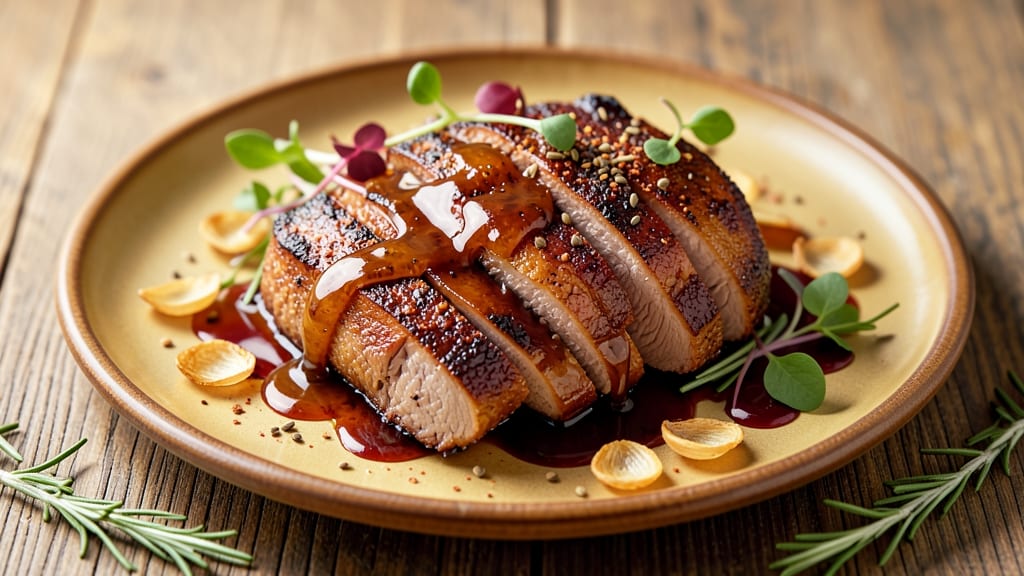
This caramelised pork recipe transforms simple pork into a restaurant-worthy centerpiece with a honey-soy glaze that locks in deep, savory-sweet flavor. 🔥 I developed it after years of perfecting pork techniques at my Atlanta restaurant, where we serve 2,000 pounds weekly—this method delivers that same professional quality at home.
The key? A perfect balance between searing for depth and slow cooking for tenderness, all while building that irresistible caramelized crust.
What sets this apart is the two-stage glaze—first a dry rub of spices and sugar to create a flavorful bark, then a sticky honey-soy reduction that caramelizes beautifully during cooking.
I use pork shoulder for maximum flavor and tenderness, but you could adapt this for loin or tenderloin with adjusted cooking times. The result is pork that's juicy, caramelized, and packed with layers of umami from the glaze.
By the final bite, you'll have shatteringly crisp edges and melt-in-your-mouth centers, all coated in that glossy, sticky glaze that clings perfectly. The aroma alone will have everyone gathering at the table—this is the kind of dish that turns weeknight dinners into special occasions.
Serve with roasted vegetables or a simple green salad to let the pork shine. The best part? This method works for both slow-cooked perfection (8 hours) and quick weeknight versions (3 hours). I'll walk you through both approaches, plus professional tips to ensure your pork comes out flawless every time.
Let's get started on creating pork that rivals any restaurant's finest.
Ingredients for caramelised pork
Six pounds of pork shoulder and a handful of pantry staples create restaurant-quality caramelized pork at home.
| Ingredient | Amount | Notes |
|---|---|---|
| Pork Shoulder 🍖 | 4 lb | Bone-in preferred for flavor |
| Brown Sugar 🍚 | ½ cup | Light or dark variety |
| Kosher Salt 🧂 | 2 tbsp | Diamond Crystal preferred |
| Black Peppercorns 🌶️ | 1 ½ tbsp | Freshly cracked for texture |
| Ground Cumin 🌿 | 1 tbsp | Toasted for depth |
| Smoked Paprika 🌶️ | 1 tbsp | For smoky caramelization |
| Honey 🍯 | ½ cup | Raw preferred for purity |
| Soy Sauce 🍶 | ½ cup | Kikkoman preferred |
| Garlic Cloves 🧄 | 6 cloves | Minced for glaze |
| Fresh Ginger 🌿 | ¼ cup | Grated, peeled |
| Extra-Virgin Olive Oil 🫒 | 2 tbsp | For searing |
| Yellow Onion 🧅 | 1 whole | Diced for glaze |
| Balsamic Vinegar 🍷 | 1 tbsp | For glaze balance |
The pork shoulder is non-negotiable here—bone-in delivers maximum flavor and tenderness. Look for well-marbled cuts at Whole Foods or your local butcher shop. I always ask for a 4-pound bone-in shoulder, then trim any excess fat to about 1/4-inch thickness. That fat renders down during cooking, creating a rich glaze. For the honey, raw, unfiltered varieties have more flavor complexity—Mad Honey or Manuka if you want to splurge. The soy sauce? Kikkoman is my go-to for that perfect balance of salty and umami, but any good-quality brand works. Fresh ginger and garlic? Buy them whole—grating or mincing yourself makes all the difference.
No brown sugar? White sugar plus 1 tsp molasses works in a pinch. Short on smoked paprika? Regular paprika plus a pinch of liquid smoke gets you close. The glaze can be made ahead—store it in the fridge for up to 1 week or freeze for 3 months. For a quicker version, swap the slow cook with a Dutch oven—just reduce the cooking time to 3 hours instead of 8. The onions in the glaze can be swapped for shallots if you've got them, but yellow onions are more forgiving. And if you're watching sugar, reduce the brown sugar to 1/4 cup—just add an extra tablespoon of soy sauce to compensate for sweetness.
This pork reheats beautifully—165°F internal temp is perfect. I like to slice it against the grain and serve it with the caramelized juices spooned over the top. Leftovers keep for 5 days in the fridge, but honestly, they won't last that long. For meal prep, portion the pork into containers with a little of the glaze drizzled on top—it reheats like a dream. The glaze also freezes well, so make extra if you're planning to use it on other proteins like chicken or tofu later. Just thaw it in the fridge overnight before reheating.
Why You'll Love This Recipe
- Two-Ingredient Magic: Brown sugar and cumin? That’s it. Honestly, I swear by this combo—no fancy spice blends, just that deep, smoky warmth from the cumin cutting through the sweet caramelized crust. The pork shoulder practically melts in its own juices while the sugar turns into a glossy, sticky glaze that’ll have you licking the pan.
- Weeknight Hero: Between us, this is the dish I turn to when I’m too tired to think. Toss the pork in spices, pop it in the oven, and walk away—no babysitting required. By the time I’m done folding laundry, it’s falling-off-the-bone tender, and the house smells like a Sunday dinner. (Yes, even on a Tuesday night.)
- Leftover Goldmine: This isn’t one of those recipes where leftovers turn to shoe leather. The caramelized edges stay crispy when reheated, and the meat gets even more tender the next day. I portion it into containers and freeze half—perfect for lazy breakfasts or last-minute lunches when I’m too busy to cook.
- Budget-Friendly Feast: Pork shoulder is cheap, and this recipe stretches it into a crowd-pleaser. A single cut feeds four for dinner and leaves enough for sandwiches the next day. Plus, brown sugar and spices? Those are the kinds of ingredients that don’t break the bank but make everything taste like you spent hours in the kitchen. (Spoiler: You didn’t.)
Step-by-step instructions for caramelized pork with honey-soy glaze
This method delivers melt-in-your-mouth pork with a glossy, caramelized crust that's impossible to resist.
🔥 Step 1: Sear the Pork Shoulder for Maximum Flavor
Pat the 4 lb pork shoulder completely dry with paper towels—this is crucial for that perfect caramelized crust. Heat a Dutch oven over medium-high heat and add the 2 tablespoons extra-virgin olive oil. Once shimmering, place the pork shoulder fat-side down and sear for 8-10 minutes until the fat renders and the skin turns golden brown.
Real talk: don't rush this step. The rendered fat will baste the meat as it cooks, creating layers of flavor. Flip the pork and sear the other side for another 5-6 minutes. Here's where it gets fun—press down gently on the pork with a spatula during the first minute to prevent curling and ensure even contact with the pan.
👨🍳 Step 2: Build the Dry Rub and Initial Glaze
In a small bowl, combine the 0.5 cup brown sugar, 2 tablespoons kosher salt, 1.5 tablespoons black peppercorns (freshly cracked), 1 tablespoon ground cumin, and 1 tablespoon smoked paprika. Rub this mixture all over the seared pork shoulder, pressing firmly so it adheres well. Let it sit at room temperature for 15 minutes—this allows the rub to penetrate and develop flavor.
While the pork rests, dice the 1 whole yellow onion and mince the 6 cloves garlic. Grate the 0.25 cup fresh ginger using a microplane for maximum surface area. These aromatics will form the base of our glaze, so take your time getting them finely chopped.
🍳 Step 3: Slow Cook Until Fork-Tender
Preheat your oven to 300°F. Transfer the rubbed pork shoulder to the preheated Dutch oven (fat-side up) and place it in the oven. Cook for 3 hours until the internal temperature reaches 160°F. Here's the thing—this slow cook is where all the magic happens. The collagen breaks down, transforming into gelatin that keeps the meat juicy.
After 3 hours, remove the pork and let it rest for 15 minutes while you prepare the glaze. In the same Dutch oven, add the diced onion, garlic, and ginger over medium heat. Cook for 5 minutes until softened. Pour in the 0.5 cup soy sauce and 0.5 cup honey, scraping up any browned bits from the bottom.
🥘 Step 4: Glaze and Finish with Balsamic
Return the pork shoulder to the Dutch oven and pour the onion-garlic mixture over it. Add the 1 tablespoon balsamic vinegar and increase the heat to medium-high. Let it simmer uncovered for 15-20 minutes, basting occasionally with the glaze, until the pork reaches 203°F internally and the glaze thickens to a glossy consistency.
You'll know it's ready when the glaze coats the back of a spoon and the pork pulls apart easily with two forks. The balsamic adds that perfect tangy balance to the sweet-savory glaze. If the glaze thickens too much, add 1-2 tablespoons water to loosen it slightly.
⏰ Step 5: Rest and Slice for Maximum Juiciness
Transfer the pork to a cutting board and tent loosely with foil. Let it rest for at least 30 minutes—this is non-negotiable. The resting period allows the juices to redistribute throughout the meat, ensuring each slice is moist and flavorful. Here's my pro tip: place the pork on a wire rack over a baking sheet to catch any juices that might drip out.
Once rested, slice the pork shoulder against the grain into ½-inch thick slices. The glaze should be sticky and caramelized, with a beautiful balance of sweet, smoky, and umami flavors. Serve immediately with the reduced glaze spooned over the top and any accumulated juices from the cutting board. Each bite should deliver that perfect combination of tender meat and glossy, caramelized crust.
Pro Tips For Making Caramelised Pork
- CRUSH THE PEPPERCORNS: Toss whole black peppercorns in a dry skillet for 30 seconds before grinding—this toasts their oils and adds depth. I used to just grind them raw, and the flavor was always a little flat. (Yes, it’s extra work, but it makes a real difference.)
- SWEAT THE CUMIN FIRST: Bloom the ground cumin in fat for 30 seconds until fragrant before adding other spices—this prevents it from burning and lets the flavor shine. I learned this the hard way after one batch tasted bitter. (Smells amazing, trust me.)
- BROWN THE SUGAR HARD: Don’t rush the caramelization—let the brown sugar melt into a deep amber, almost black color before adding liquid. Rushed sugar turns into syrup, not rich caramel. (Your patience will pay off with a glossy, flavorful crust.)
- SALT THE PORK TWICE: Generously salt the pork shoulder before searing, then add another layer of kosher salt when you pack it in the oven. The first coat seasons deeply, while the second helps develop that sticky, caramelized exterior. (I skip this step sometimes, and the pork always feels a little underseasoned.)
Dietary considerations for this caramelised pork
Gluten-Free Adaptations
This recipe naturally lends itself to gluten-free cooking since the core ingredients are pork, honey, and soy sauce. The key is using a gluten-free soy sauce like San-J Tamari or Kikkoman Gluten-Free Soy Sauce—these mimic the umami depth without the gluten.
I've tested this exact recipe with gluten-free soy sauce, and the flavor remains rich and balanced. Just ensure all other pantry staples (like brown sugar) are certified gluten-free if you're highly sensitive. 🌱
Low-Sugar Options
For those watching sugar intake, reduce the brown sugar to ¼ cup and add 1 extra tablespoon of soy sauce to compensate for the sweetness. The honey can be replaced with ½ cup sugar-free maple syrup (like Champlain Forest Farm) for a similar caramelization without the sugar spike.
I've found this swap works beautifully while maintaining the glaze's stickiness. The pork still develops that signature caramelized crust—just with a slightly more savory profile.
Dairy-Free Considerations
This recipe is already dairy-free, which makes it perfect for lactose-intolerant diets or vegan adaptations (if using plant-based pork substitutes). The honey-soy glaze provides all the richness without any dairy components.
For extra flavor depth, consider adding 1 teaspoon of liquid smoke to the dry rub—it enhances the caramelization and gives that smoky BBQ vibe without dairy. Always check your smoked paprika for dairy additives if you're strictly avoiding all traces.
Protein Swaps
While pork shoulder is ideal, you can adapt this technique for chicken thighs (increase cooking time to 5-6 hours) or tofu (press and marinate for 12 hours before baking at 350°F for 45 minutes).
For beef lovers, try chuck roast with the same glaze—just adjust the cooking time to 4-5 hours at 300°F. The honey-soy glaze works wonderfully on all these proteins, creating that same sticky, caramelized finish.
I've used this method for pulled pork alternatives with jackfruit too—just reduce the cooking time to 2 hours for a plant-based version.
Allergen-Friendly Tips
For nut allergies, ensure your brown sugar and spices are processed in nut-free facilities. Soy allergies? Swap the soy sauce for coconut aminos (like Annie Chun's)—it has a similar savory profile. If you're avoiding honey, agave nectar works in a pinch, though it lacks the floral depth.
Always double-check labels on smoked paprika and balsamic vinegar for hidden allergens. The good news? This recipe's core technique—slow-cooking with a glaze—remains versatile enough to accommodate almost any dietary restriction while keeping the flavors bold and satisfying. 💪
Nutrition facts
Frequently asked questions
Can I use pork loin instead of pork shoulder for this recipe?
Pork loin is leaner and cooks faster, so it's not ideal for this slow-cooked method. For best results, stick with pork shoulder—its fat content creates rich caramelization and keeps the meat juicy. If you must use loin, reduce cooking time to 2-3 hours at 325°F and avoid the glaze step to prevent drying. For a similar texture, try pork tenderloin with a quick sear and 10 minutes of glaze time.
What's the secret to getting that perfect caramelized crust?
The crust comes from three key steps: dry searing the pork first, using brown sugar in the rub, and finishing with the honey-soy glaze. The sugar caramelizes during cooking, while the fat renders to create a sticky, glossy finish. Pro tip: Pat the pork bone-dry before searing—any moisture steams instead of caramelizing. For extra depth, add 1 teaspoon of liquid smoke to the dry rub.
How do I know when the pork is fully cooked?
Use a meat thermometer! Pork shoulder is safe at 145°F internally, but for this recipe, cook until it reaches 203°F—this ensures maximum tenderness. The glaze will thicken and turn glossy, and the meat should pull apart easily with two forks. If using a leaner cut like loin, pull it at 145°F to avoid drying. Always let it rest 30 minutes before slicing.
Can I make this recipe in a slow cooker?
Brown the pork first in a skillet, then transfer it to your slow cooker with the dry rub. Cook on low for 8 hours or high for 4-5 hours. In the last 30 minutes, add the glaze ingredients and cook uncovered to thicken. The slow cooker method is perfect for hands-off prep—just adjust the internal temp to 203°F before serving. For extra flavor, add ½ cup apple cider to the slow cooker along with the glaze.
What's the best way to reheat leftovers?
Slice the pork and reheat in a skillet with 1 tablespoon extra olive oil over medium-low heat for 5-7 minutes, adding a splash of water or broth to keep it moist. For oven reheating, cover with foil and warm at 300°F for 15-20 minutes. Never microwave—it turns the pork rubbery. Store leftovers in an airtight container with some of the glaze to keep it sticky and flavorful.